Recovery Guide
Poor Sleep Recovery
Waking up tired after 8 hours is not about duration; it's about depth. Deep sleep quality is the variable that determines how recovered you feel.
Feeling unrefreshed despite adequate sleep hours is a sign of compromised sleep architecture; too little deep sleep and REM relative to total sleep time. The most common and most addressable cause is thermal disruption of the sleep environment.
Causes
Thermal suppression of deep sleep
High sleep surface temperature suppresses slow-wave sleep (N3), the most physically restorative stage. Each degree of thermal disruption reduces deep sleep by approximately 5%. Standard bedding in warm environments routinely pushes this above the threshold.
Solution
Night sweat microarousals
Night sweats cause microarousals; brief wakings that fragment sleep architecture without full conscious waking. Each microarousal resets the sleep cycle, reducing deep sleep and REM accumulation.
Solution
Reduced HGH secretion
Deep sleep fragmentation directly reduces HGH output (65% released during first SWS window). Lower HGH = less protein synthesis, tissue repair, and immune cell production overnight = feeling unrecovered.
Solution
Frequently Asked Questions
Why do I wake up tired even after 8 hours of sleep?
Eight hours of fragmented or thermally disrupted sleep does not provide the same recovery value as 7 hours of deep, uninterrupted sleep. If thermal disruption is preventing entry into or maintenance of slow-wave sleep (N3), you lose the physical recovery value of that sleep regardless of duration.
How can I improve sleep recovery?
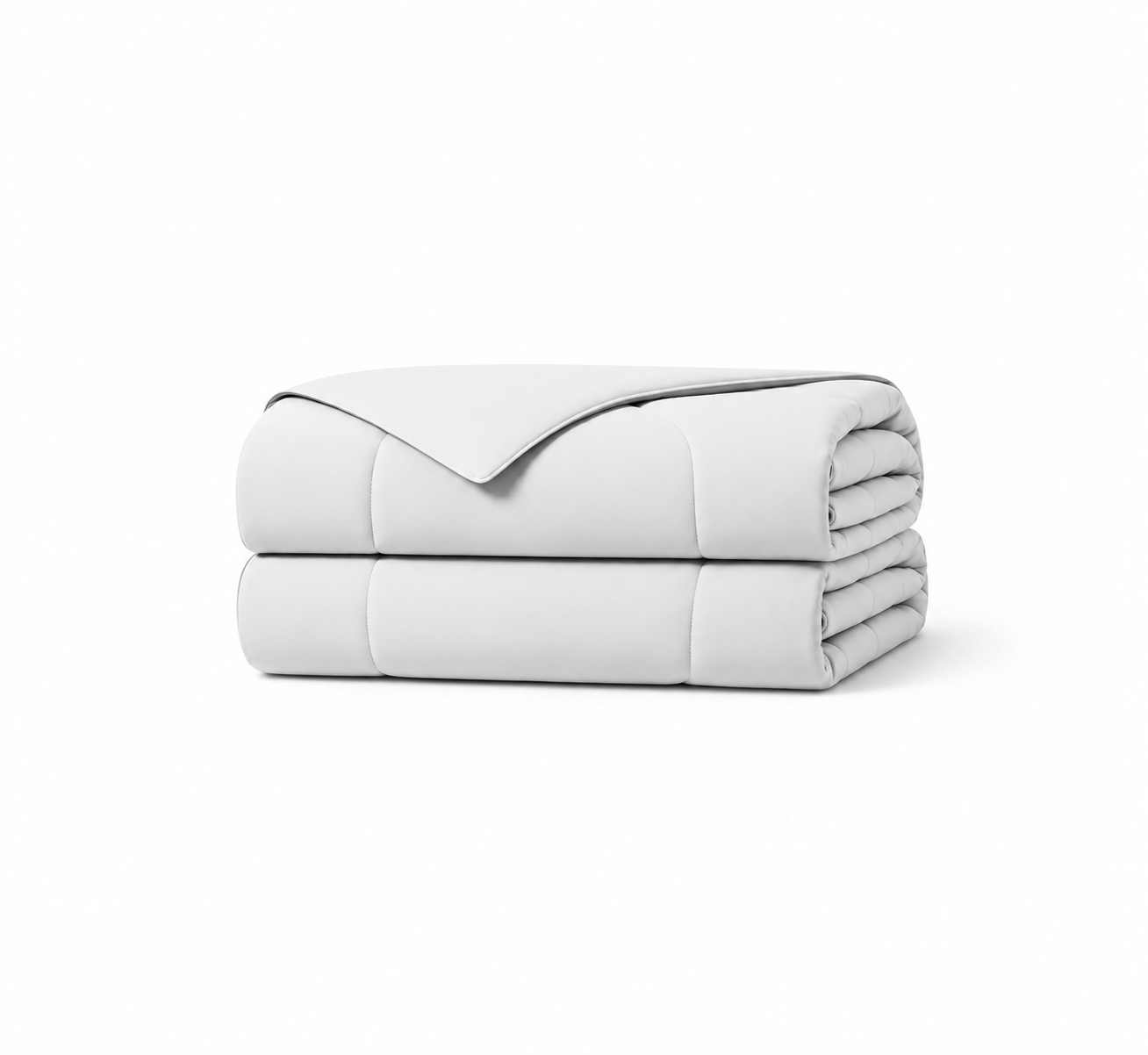
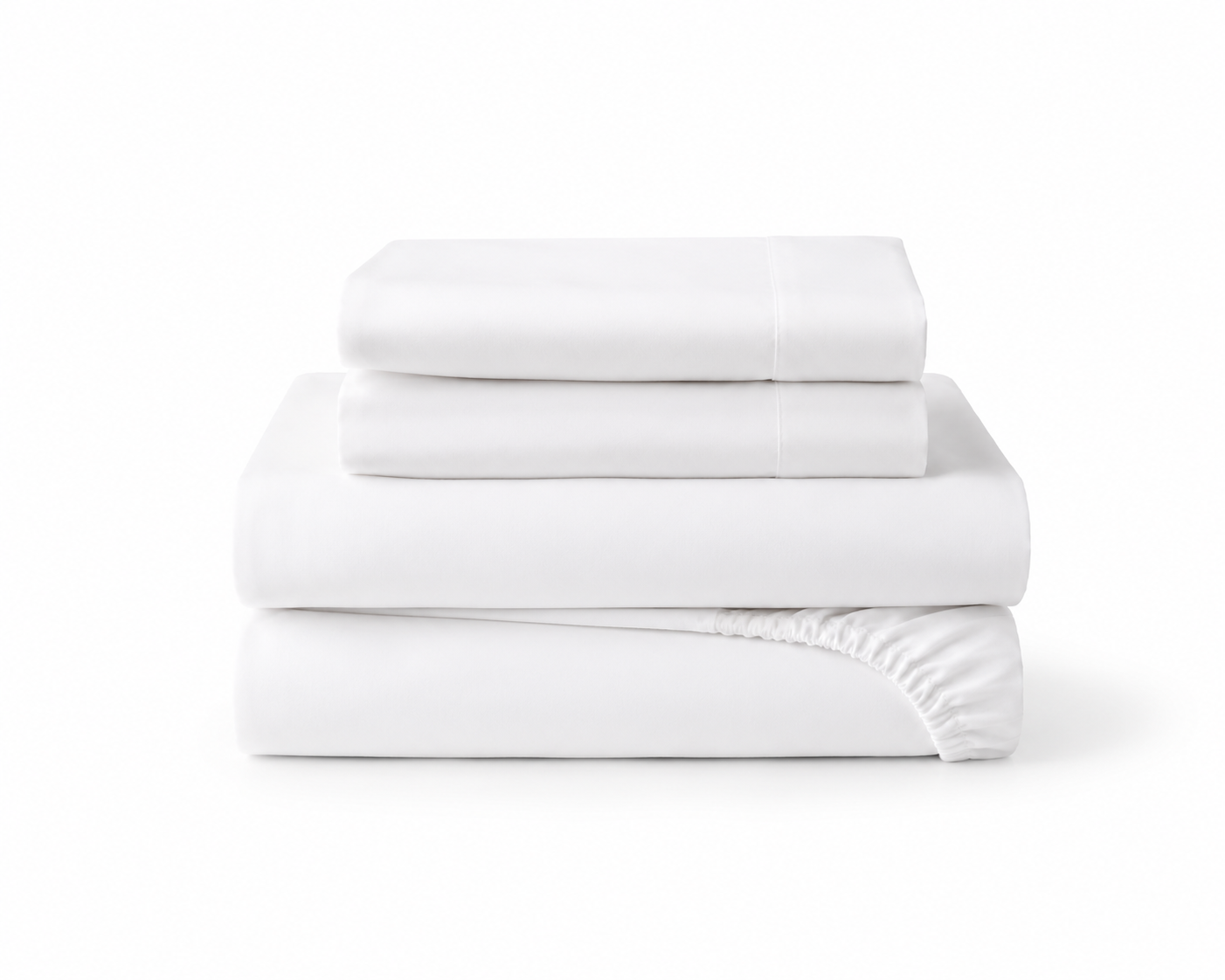
Optimise the thermal sleep environment first; this addresses the most common and most fixable cause. Use cooling bedding (CoolTouch® comforter + TENCEL™ sheets) to maintain the 16–19°C surface temperature range. Keep consistent sleep/wake times, limit alcohol (which suppresses SWS), and ensure adequate protein for overnight repair processes.