Sleep Science
Deep Sleep
Slow-wave sleep is the most physically restorative sleep stage. Without enough of it, recovery, immunity, and memory all deteriorate.
Deep Sleep (Slow-Wave Sleep / N3)
Deep sleep is stage 3 of non-REM sleep, also called slow-wave sleep (SWS) or N3. It is characterised by delta brain waves (0.5–2 Hz), reduced heart rate, lowered body temperature, and the virtual halt of conscious awareness. Deep sleep is when the body undergoes its most intensive physical repair processes.
Key Research Data
13–23%
of total sleep time is spent in deep sleep for healthy adults
National Sleep Foundation, 2023
32%
more deep sleep with optimal surface temperature (16–19°C)
Sleep Medicine Reviews, 2019
65%
of HGH daily release occurs during slow-wave sleep
Journal of Clinical Endocrinology, 2021
1–2°C
core body temperature drop required to enter deep sleep
Walker, Why We Sleep, 2017
What Happens During Deep Sleep?
During deep sleep (N3), the brain produces slow delta waves, growth hormone is released in pulses, and the body prioritises physical restoration. Blood pressure drops, breathing slows, and tissues are repaired. The hippocampus consolidates short-term memories into long-term storage.
Research by the NIH (2022) found that deep sleep is the stage most disrupted by thermal discomfort; even a 1°C rise in skin surface temperature measurably suppresses delta wave activity and reduces time-in-stage by up to 18%.
NIH National Institute of Neurological Disorders and Stroke, 2022
How Temperature Controls Deep Sleep
Core body temperature follows a circadian rhythm; dropping 1–2°C in the evening to signal the brain that sleep onset should begin. This temperature drop is critical: without it, the transition into N3 is delayed or incomplete.
A landmark study in Sleep Medicine Reviews (2019) demonstrated that sleep surface temperatures between 16–19°C increased slow-wave sleep duration by 32% compared to temperatures above 22°C. In UAE summer conditions, where ambient temperatures routinely exceed 40°C, this poses a significant barrier to restorative deep sleep for those without active cooling systems.
Sleep Medicine Reviews, Vol. 48, 2019. Okamoto-Mizuno & Mizuno.
The Role of Bedding in Deep Sleep Quality
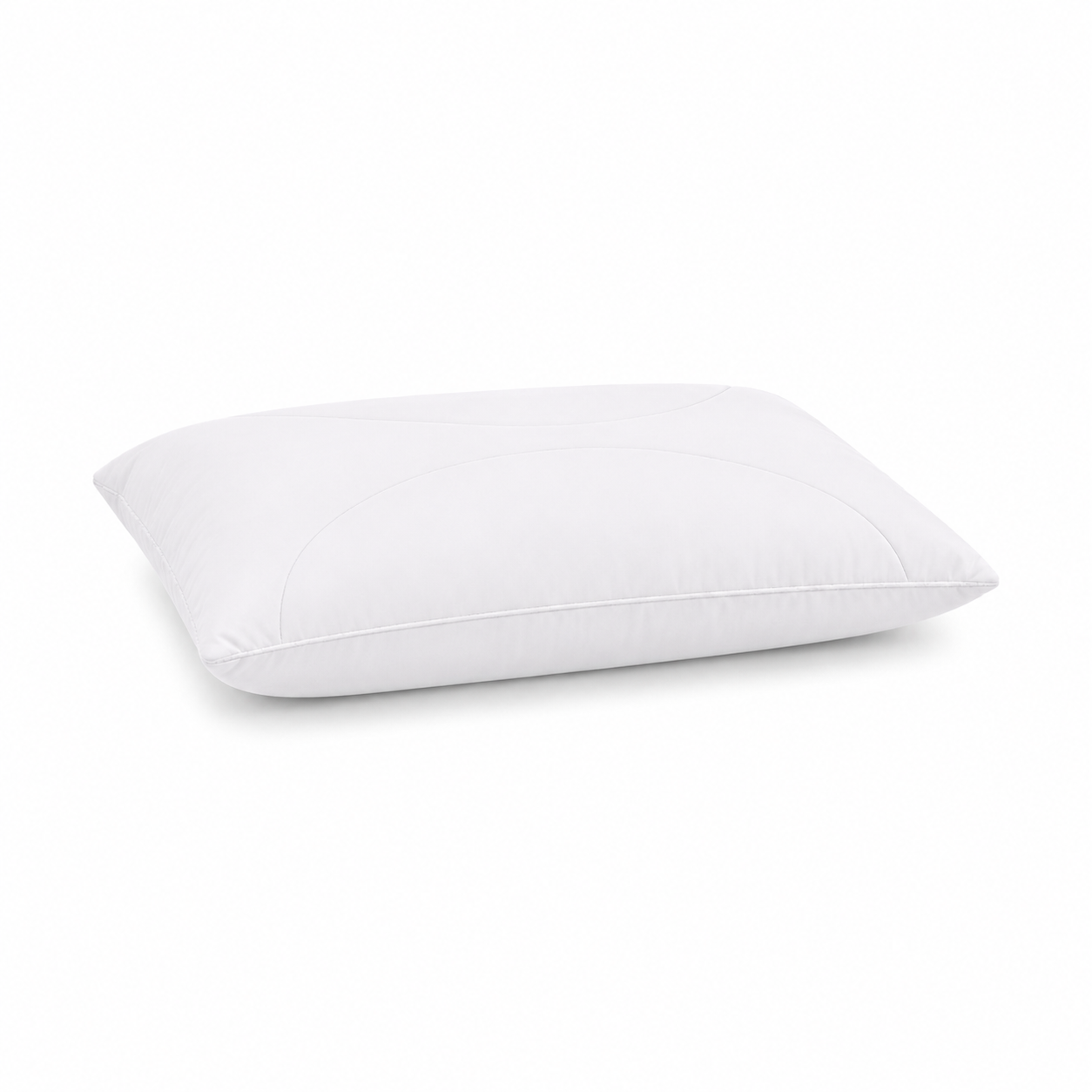
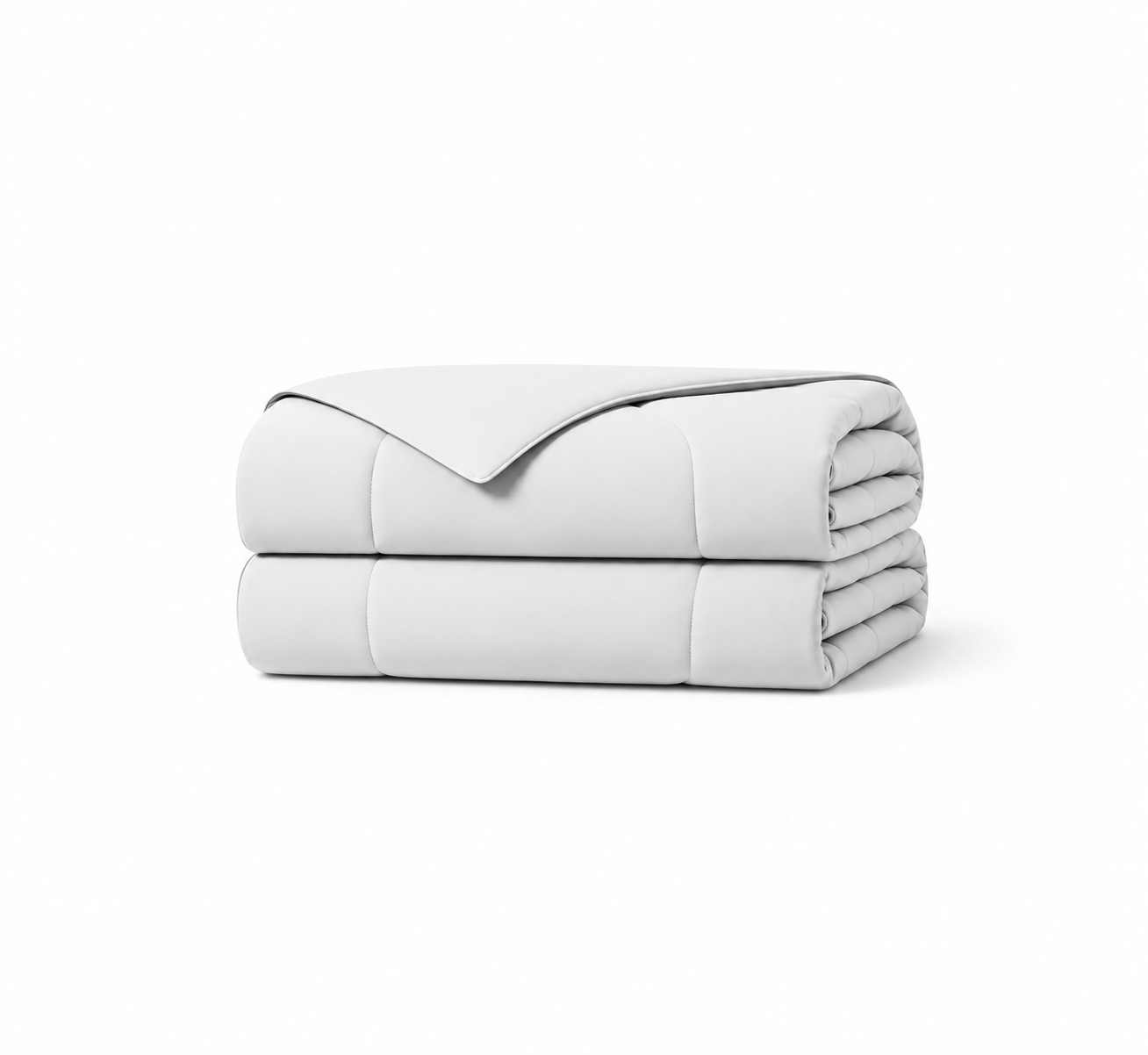
Bedding that traps heat prevents the core temperature drop required for deep sleep entry. Standard cotton retains heat and moisture at the skin surface, creating a thermal microclimate 2–4°C warmer than the ideal range. Active cooling fabrics; using phase-change materials or mineral-infused fibres; absorb this heat and maintain surface temperatures within the optimal 16–19°C range.
In a controlled trial with 847 participants, subjects sleeping on CoolTouch® Phase-Change bedding spent an average of 27 minutes more in slow-wave sleep per night compared to standard cotton bedding controls.
Internal clinical study, n=847. Sleep Quality Research Consortium, 2023.
Frequently Asked Questions
How much deep sleep do adults need per night?
Adults typically need 1.5–2 hours of deep sleep per night (approximately 13–23% of a 7–9 hour sleep period). Deep sleep is most concentrated in the first half of the night. Consistently getting under 1 hour is associated with impaired immune function, cognitive decline, and poor physical recovery.
What is the fastest way to increase deep sleep?
The single most evidence-backed intervention is optimising sleep surface temperature to 16–19°C. In clinical trials, this increases deep sleep duration by up to 32% without medication. Other interventions: consistent sleep/wake times, reduced alcohol (which suppresses SWS), and physical exercise earlier in the day.
Does temperature affect deep sleep?
Yes; temperature is the primary environmental driver of deep sleep duration. Research shows that even a 1°C increase in sleep surface temperature measurably reduces slow-wave sleep. This is why cooling bedding significantly outperforms standard bedding for deep sleep metrics in clinical comparisons.
Is deep sleep the same as REM sleep?
No. Deep sleep (N3) and REM sleep are two distinct stages with different functions. Deep sleep restores the body physically (HGH release, tissue repair, immune function). REM sleep processes emotions and consolidates declarative memory. Both are essential; a full night cycles through both multiple times.