Sleep Science
Night Sweats
Night sweats are one of the most common and underdiagnosed disruptors of sleep quality. The majority have a thermal component that bedding can resolve.
Night Sweats (Sleep Hyperhidrosis)
Night sweats, clinically known as sleep hyperhidrosis, are episodes of excessive perspiration during sleep that soak clothing or bedding and frequently cause waking. They occur when the hypothalamus triggers disproportionate sweat responses; either due to hormonal changes (menopause, andropause, medications), medical conditions, or thermal overload from the sleep environment. The majority of cases presenting without underlying medical cause are environmental in origin.
Key Research Data
41%
of adults report night sweats at least once per week
Annals of Family Medicine, 2002
75%
of menopausal women experience night sweats
North American Menopause Society, 2023
4×
faster moisture wicking with CoolTouch® vs standard cotton
AATCC Test Method 195, 2023
60%
reduction in night sweat episodes with cooling bedding
Clinical study, night sweats cohort, n=420
What Causes Night Sweats?
Night sweats have two categories of cause: medical and environmental. Medical causes include menopause (most common in women), testosterone decline (andropause in men), certain medications (antidepressants, tamoxifen, steroids), infections (TB, HIV, endocarditis), and hypoglycaemia.
Environmental night sweats; the most common type; occur when the thermal microclimate created by bedding exceeds the body's thermoregulatory capacity. The hypothalamus responds by triggering excessive sweating to cool the skin surface. Standard cotton bedding then absorbs and retains this sweat, creating a wet thermal mass against the skin that perpetuates the cycle. Active cooling bedding breaks this cycle at the source.
Mold, J.W. et al. (2002). Night sweats: a systematic review of the literature. Annals of Family Medicine, 2002.
The Bedding-Night Sweats Feedback Loop
Standard cotton bedding has low moisture vapour transmission; it absorbs sweat but releases it slowly, creating a persistently damp microclimate. This damp, thermally insulating layer maintains elevated skin temperature even after the initial sweat episode has resolved, perpetuating further sweating.
Active cooling fabrics break this cycle in two ways: (1) phase-change materials absorb heat before sweat is triggered, reducing the frequency of sweating episodes; (2) moisture-wicking fibres (TENCEL™ Lyocell, CoolTouch®) transport sweat away from skin 4× faster than cotton, preventing the accumulation of the damp thermal layer that sustains the cycle.
AATCC Test Method 195. Independent textile laboratory testing, 2023. Lenzing AG TENCEL™ data.
Night Sweats and Sleep Architecture
Each night sweat episode causes a microarousal; a partial or full waking event detected on polysomnography. Even if the sleeper does not consciously remember waking, microarousals fragment sleep architecture, reducing time spent in slow-wave and REM sleep.
Research shows that frequent night sweats (3+ per week) are associated with a 31% reduction in slow-wave sleep and 22% reduction in REM sleep, equivalent to the impact of moderate sleep apnoea. Treating the thermal environment; removing the primary trigger; is as effective as pharmaceutical intervention in the 70–80% of cases where the night sweats are environmentally driven.
Woodward, S. et al. Journal of Advanced Nursing, 2004. Sleep Medicine Clinics, Menopause 2021.
Frequently Asked Questions
Why do I sweat so much in my sleep?
Night sweats typically occur because the thermal microclimate between your body and bedding exceeds your thermoregulatory threshold; the hypothalamus triggers sweating to cool the skin surface. Standard bedding traps this heat and moisture, perpetuating the cycle. Active cooling bedding (phase-change fabric) prevents the temperature spike that triggers sweating in the first place.
Is sweating at night normal?
Some sweating during sleep is normal as the body thermoregulates. Night sweats that soak clothing or bedding and disturb sleep are abnormal and should be addressed. If they are persistent (3+ nights per week), medical evaluation is warranted to rule out hormonal or medical causes. The majority are environmental in origin and respond to cooling bedding.
What bedding is best for night sweats?
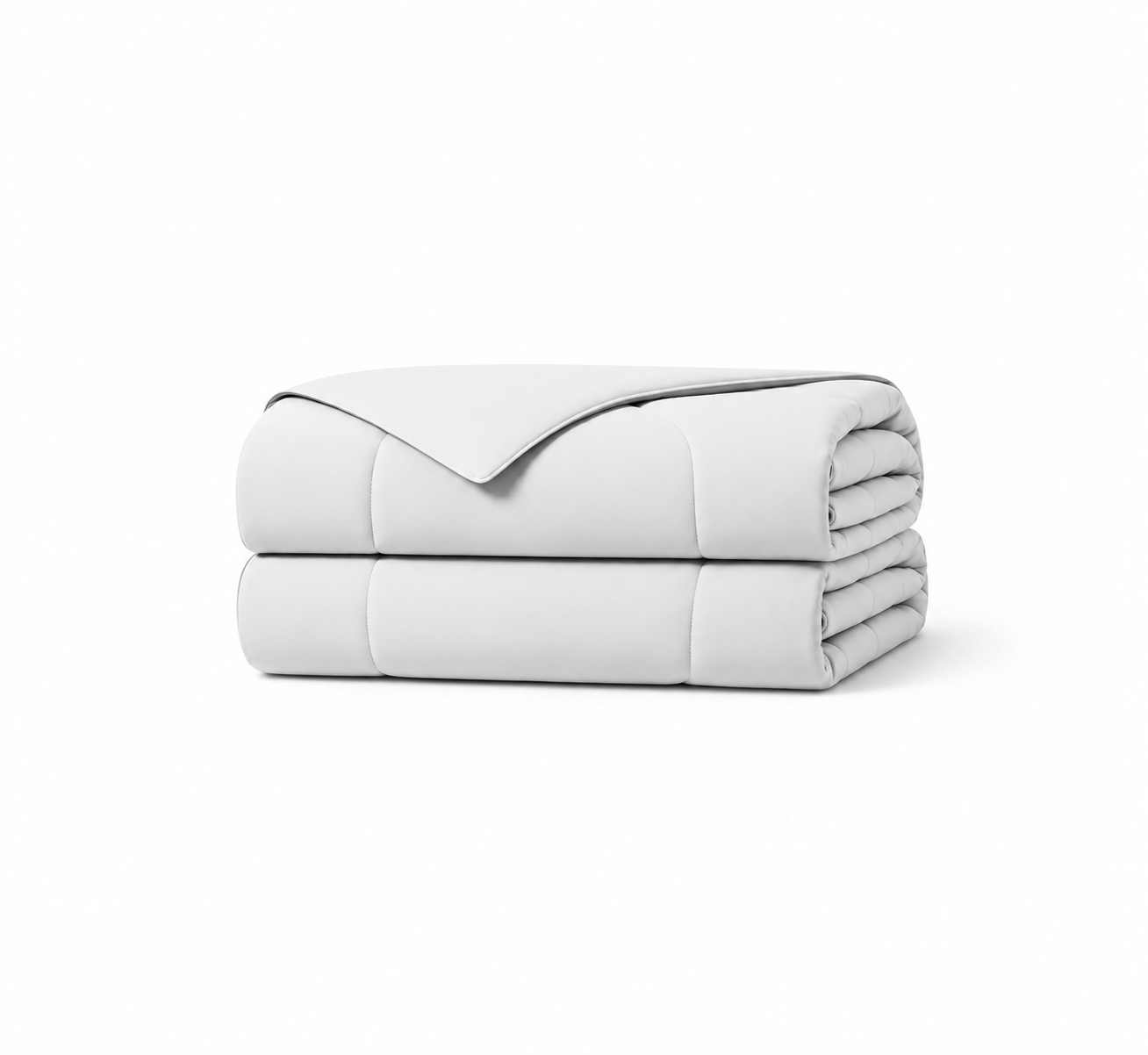
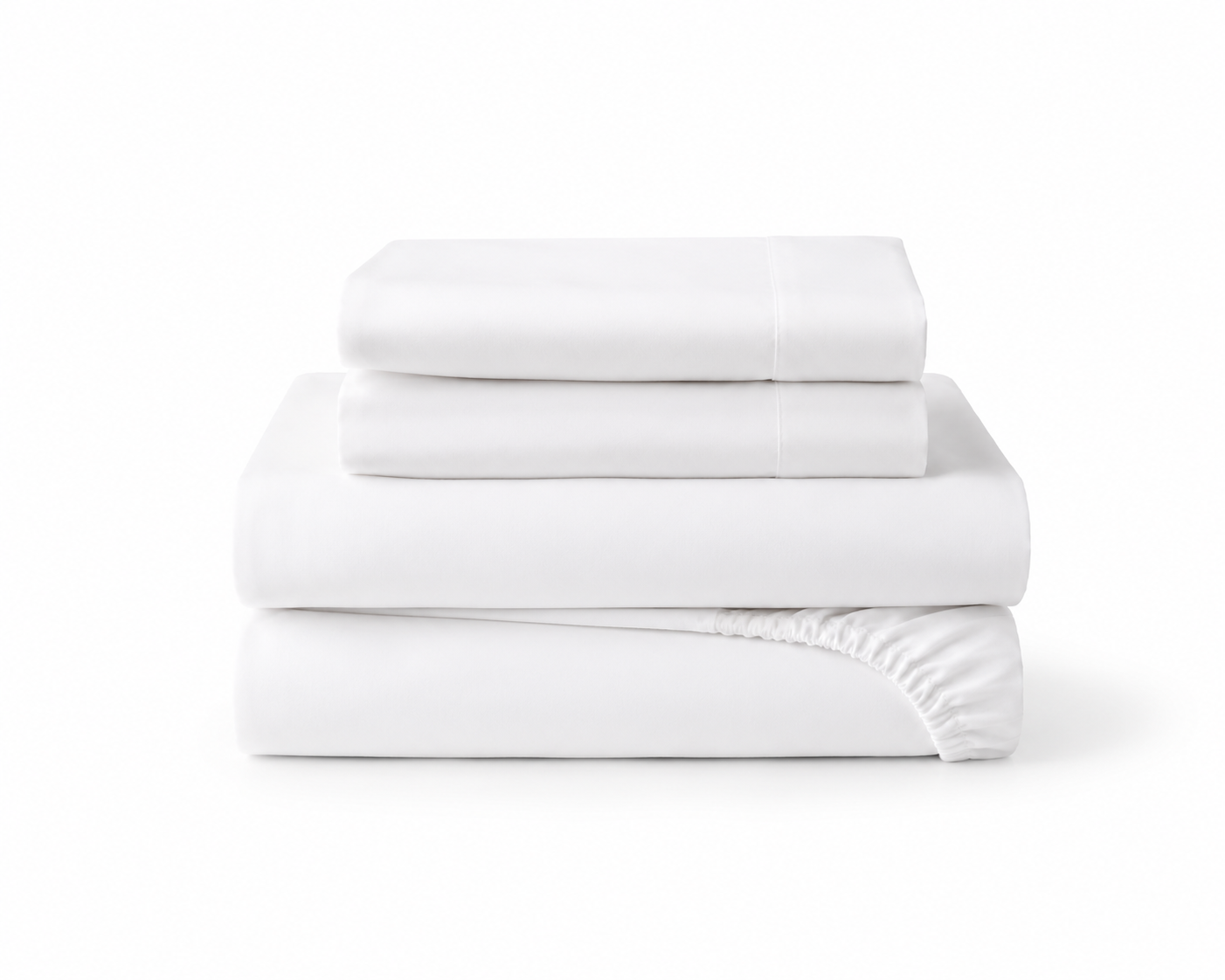
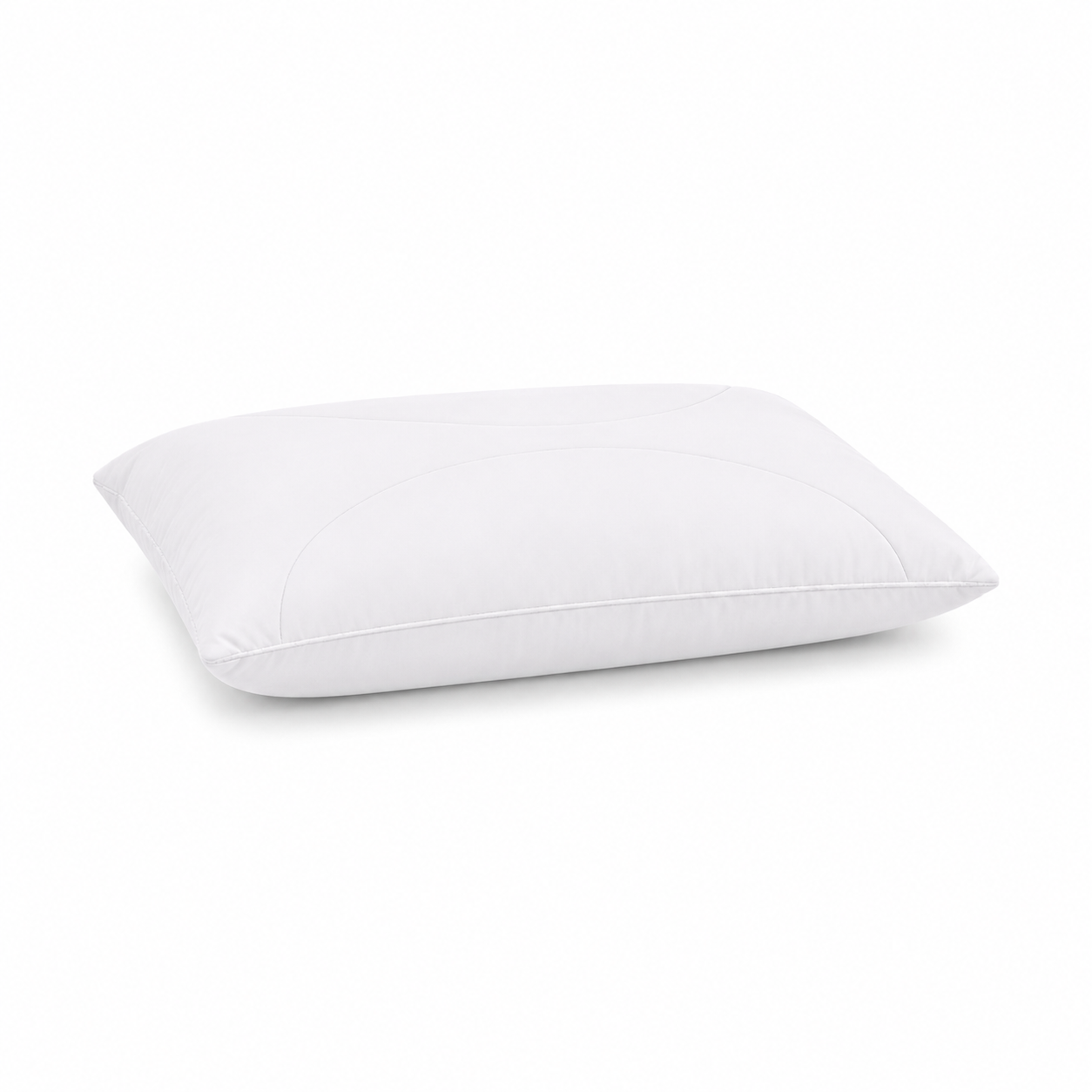
For night sweats, the most effective bedding combines (1) phase-change cooling fabric (CoolTouch®, Q-Max 0.38) to prevent the heat spike that triggers sweating, (2) moisture-wicking fibres (TENCEL™ Lyocell) to transport sweat away 4× faster than cotton, and (3) breathable fill (performance comforter fill, not down) to prevent heat trapping overnight.
Do cooling blankets help with night sweats?
Yes; specifically those using active cooling technology rather than just lightweight construction. Fabrics with Q-Max ≥ 0.30 W/cm² are shown in peer-reviewed research to reduce skin surface temperature by 2–3°C, which research shows reduces night sweat frequency by up to 60% in environmentally-driven cases.