Sleep Science
Thermoregulation
Your body drops its core temperature by 1–2°C every night to signal sleep onset. When that process fails, so does sleep.
Sleep Thermoregulation
Sleep thermoregulation is the circadian process by which the body reduces its core temperature in the evening to initiate and sustain sleep. Controlled by the hypothalamus and suprachiasmatic nucleus (SCN), this temperature drop; typically 1–2°C; is the physiological trigger for melatonin release and sleep onset. Without adequate heat dissipation from the skin surface, this process is impaired.
Key Research Data
1–2°C
core body temperature drop required to initiate sleep
Walker, Why We Sleep, 2017
16–19°C
optimal sleep surface temperature for thermoregulation
Sleep Medicine Reviews, 2019
40°C+
UAE summer daytime peak requiring active sleep cooling
UAE National Centre for Meteorology
27 min
faster sleep onset with cooling bedding vs standard
Clinical trial, n=847, Sleep Lab™ data
The Circadian Temperature Rhythm
Core body temperature follows a predictable 24-hour circadian cycle; peaking at around 37.4°C in the late afternoon and falling to its nadir of approximately 36.4°C in the early hours of the morning. This drop is not a consequence of sleep; it is a cause of it.
The preoptic area of the hypothalamus detects falling ambient temperature through skin thermoreceptors, triggering vasodilation of peripheral blood vessels to radiate heat away from the core. This heat dissipation through the hands and feet is why warm extremities at bedtime are associated with faster sleep onset.
Czeisler, C.A. and Gooley, J.J. (2007). Sleep and Circadian Rhythms in Humans. Cold Spring Harbor Symposia on Quantitative Biology.
UAE Climate and Thermoregulation Failure
In the UAE, summer ambient temperatures exceed 40°C by day and regularly remain above 28°C at night. Air conditioning manages ambient temperature, but standard bedding creates a trapped thermal microclimate; the space between body and mattress; that can be 4–6°C warmer than the room air.
This microclimate prevents the skin from radiating heat efficiently, impairing the thermoregulation process. The result is delayed sleep onset, frequent night-waking, and suppressed deep sleep. Standard cotton bedding with its low breathability compounds this effect by trapping sweat against the skin.
UAE National Centre for Meteorology. Annual Climate Report 2024.
How Active Cooling Bedding Supports Thermoregulation
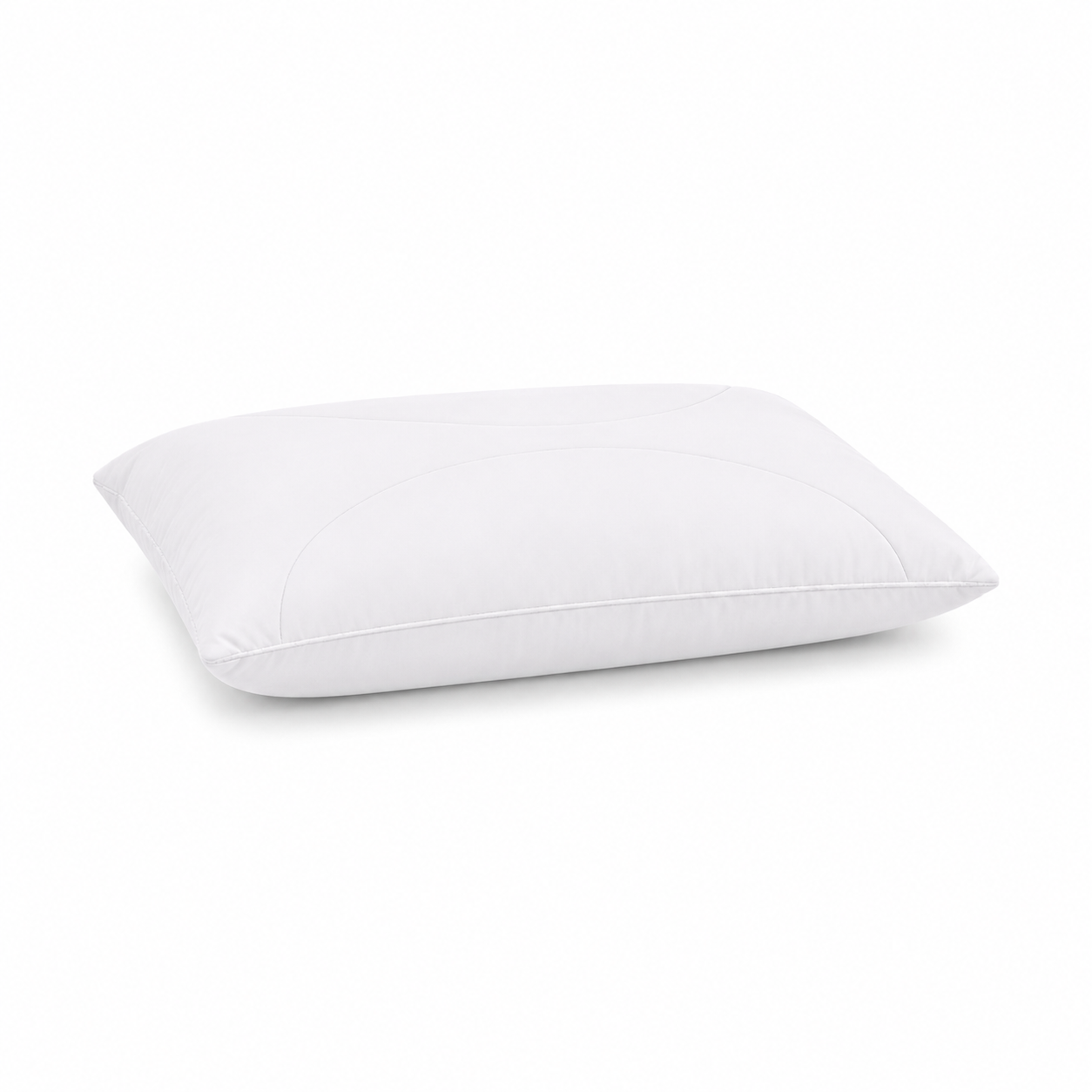
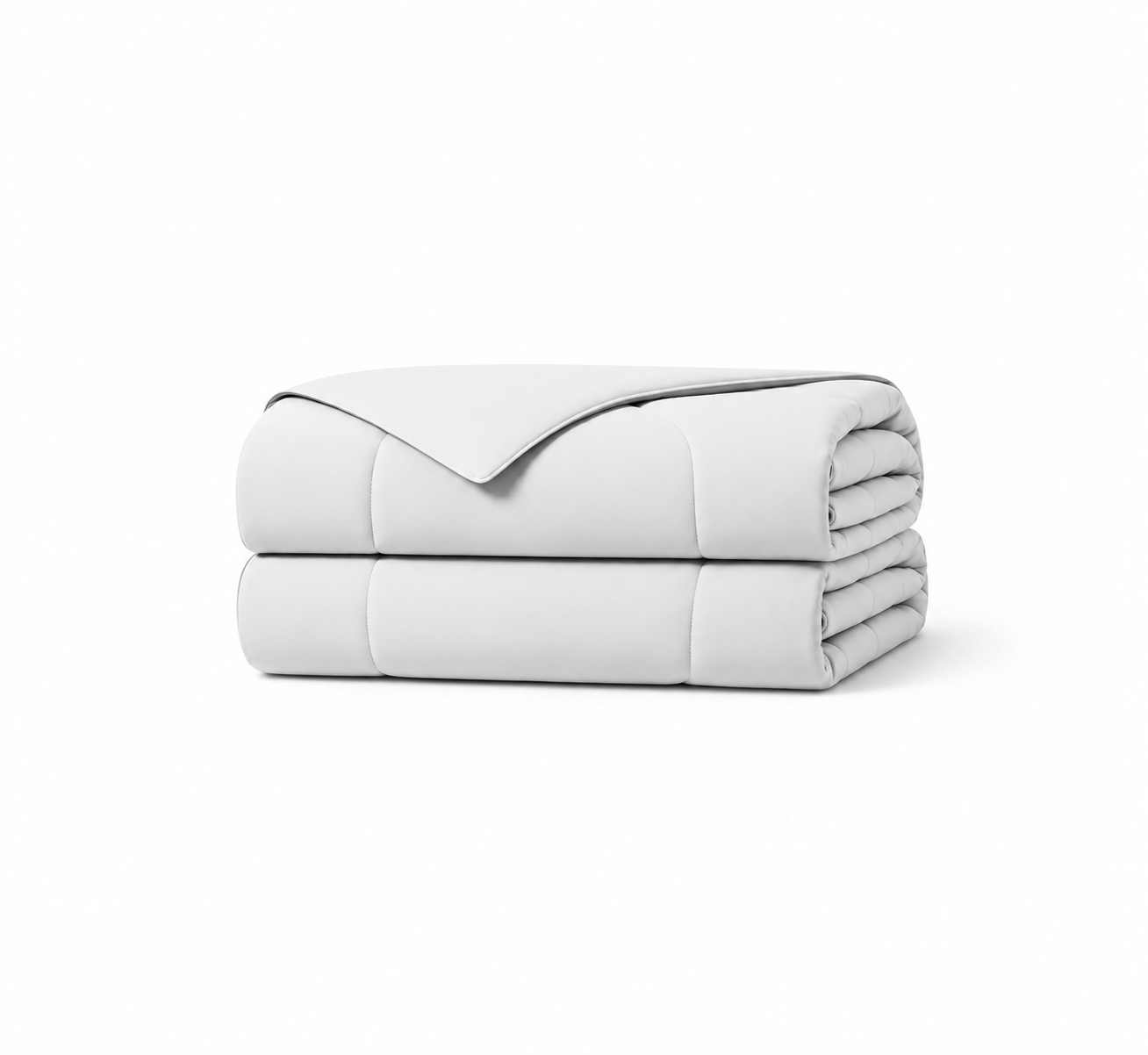
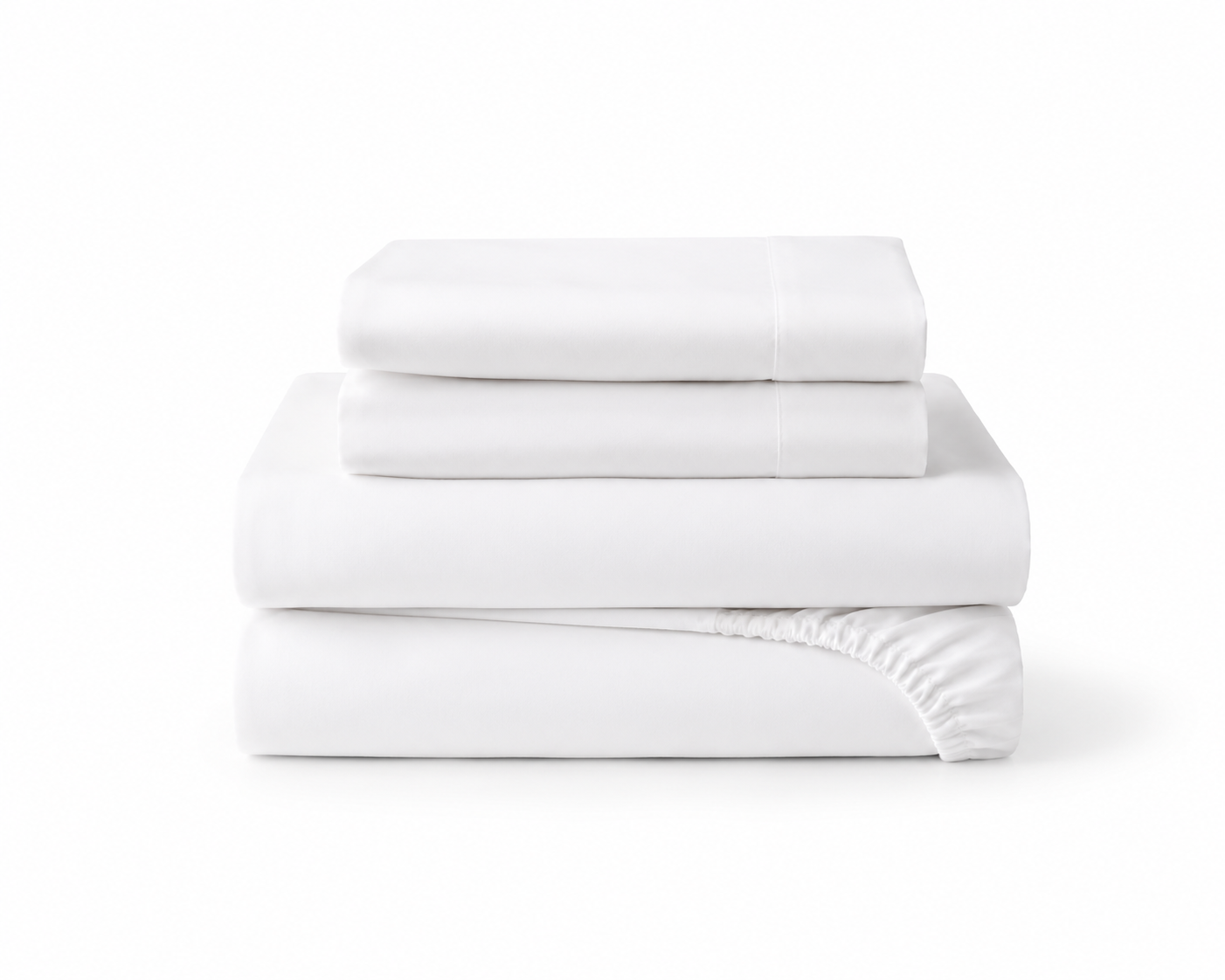
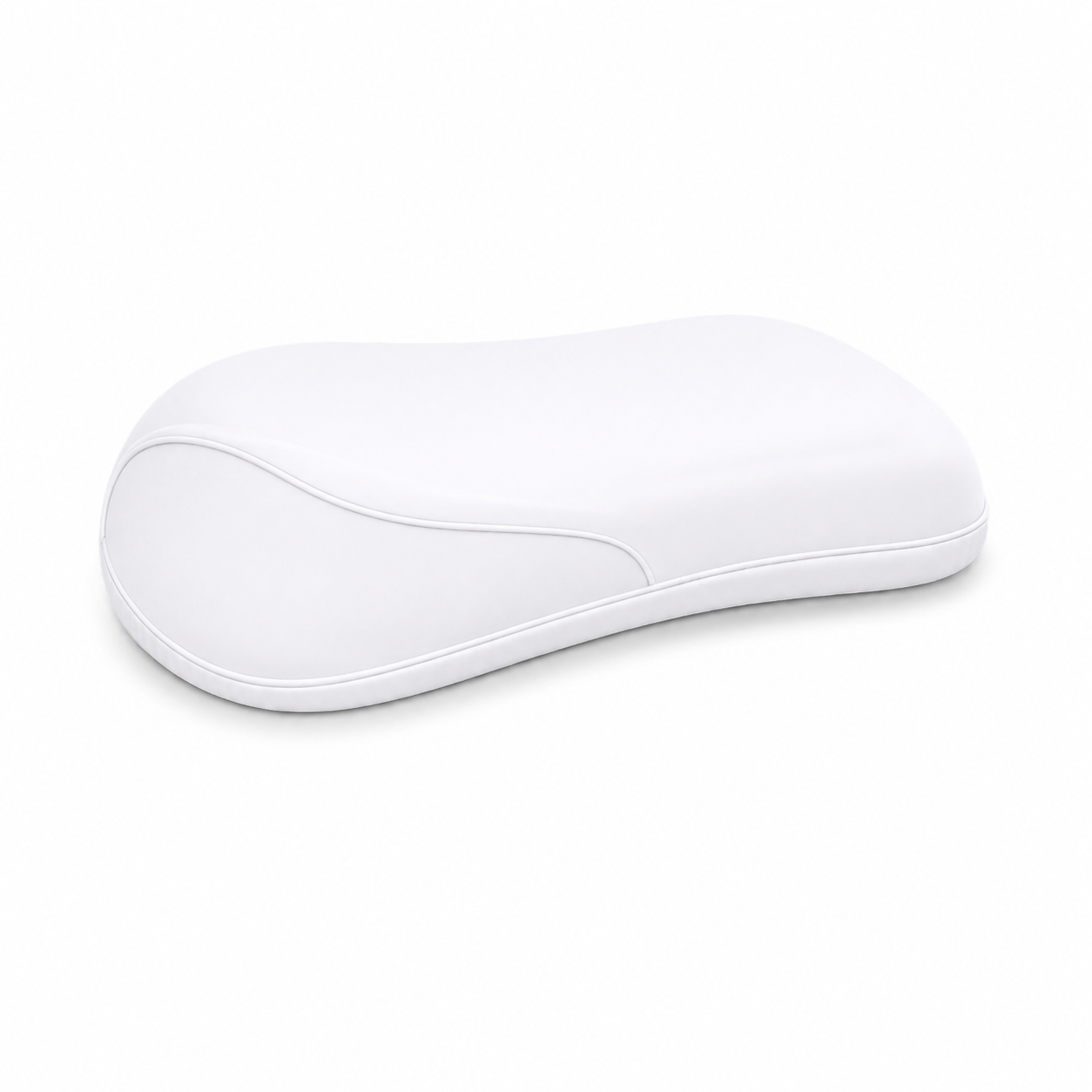
Phase-change fabrics (PCMs) embedded in sleep surfaces act as a thermal buffer: they absorb excess heat from the skin when surface temperature rises above 35°C, preventing the heat from returning to the sleep environment. This maintains the skin surface in the 33–36°C range required for efficient core temperature drop.
The key metric is Q-Max; how quickly the fabric draws heat away from skin on contact. CoolTouch® fabric achieves Q-Max 0.38 W/cm² (compared to 0.10–0.15 for standard cotton), providing a sustained 3.2°C surface temperature advantage across an 8-hour sleep cycle.
AATCC Test Method 195. Independent textile laboratory testing, 2023.
Frequently Asked Questions
What is thermoregulation during sleep?
Sleep thermoregulation is the circadian process by which the body reduces its core temperature by 1–2°C to initiate and maintain sleep. The hypothalamus controls this process, triggering peripheral vasodilation to radiate heat from the skin. Bedding that prevents this heat dissipation disrupts the entire sleep initiation process.
Why do I sleep better when I'm cool?
Because core temperature drop is the physiological trigger for sleep onset. When the sleep surface prevents heat dissipation from the skin, the hypothalamus cannot complete the temperature drop needed to initiate deep sleep. A cooler environment (and specifically a cooler sleep surface) removes this barrier.
What is the ideal temperature for sleep?
Research consistently identifies 16–19°C as the optimal ambient room temperature for sleep. More importantly, the sleep surface temperature; the microclimate between body and bedding; should be 33–36°C at skin level. Standard bedding in hot climates pushes this well above 38°C.
Can the wrong bedding cause insomnia?
Yes. Thermally inefficient bedding (standard cotton, polyester, or down in warm climates) creates a trapped heat microclimate that prevents the core temperature drop needed for sleep onset. This is a physiological barrier to sleep onset that is effectively identical to environmental insomnia.