Hot Sleeper Guide
Why Am I Hot When I Sleep?
Most people blame temperature sensitivity or health. Often the real answer is simpler: your bedding is trapping heat your body is trying to lose.
Feeling hot during sleep is one of the most common complaints that affects sleep quality, and one of the least understood. Before blaming hormones or a warm bedroom, it's important to understand the actual mechanics of why the body overheats during sleep, because the most common cause is entirely fixable.
Key Research Data
80W
Heat generated by the body during sleep
NIH Biomedical Research Data
4–6°C
Warmer at the bedding microclimate vs room air (standard cotton)
Independent textile testing
3.2°C
Surface temperature reduction with CoolTouch® bedding
Clinical trial n=847
27 min
Faster sleep onset with cooling bedding
Sleep Lab™ clinical data
Causes
Your bedding is trapping heat
The most common cause. Standard cotton and synthetic bedding creates a thermal microclimate between body and mattress that can be 4–6°C warmer than the room air. The body generates approximately 80 watts of heat during sleep; all of which must dissipate through the skin surface. Bedding with low breathability (Q-Max under 0.20) physically blocks this heat dissipation.
Solution
Switch to phase-change cooling bedding (Q-Max ≥ 0.38). This resolves the majority of cases.
High metabolic rate or physical activity
Athletes and physically active people generate more body heat during the night as post-exercise repair processes elevate metabolism. This increases the thermal load the bedding must manage. The same sleep environment that works for a sedentary person is insufficient for an active person.
Solution
Combine cooling bedding with a lower room temperature (18–19°C) and ensure adequate recovery nutrition to modulate metabolic heat generation.
Hormonal changes
Menopause and perimenopause (oestrogen decline), testosterone fluctuations, and thyroid disorders all narrow the thermoneutral zone; the temperature range in which the body does not trigger heating/cooling responses. Even normal thermal microclimate temperatures can cross this narrowed threshold repeatedly through the night.
Solution
Active cooling bedding with phase-change fabric reduces the frequency of vasomotor triggers. Medical evaluation recommended for persistent hormonal night sweats.
UAE climate compound effect
High ambient humidity (70–90% RH coastal) reduces the effectiveness of sweating as a cooling mechanism. Combined with warm nighttime temperatures that persist above 28°C, this creates a compounding thermal challenge that standard AC management cannot fully address at the bedding microclimate level.
Solution
Phase-change bedding combined with AC set at 19–21°C. The bedding manages the skin microclimate; AC manages ambient humidity and temperature.
Frequently Asked Questions
Why do I feel hot at night even with AC on?
Because AC cools the room air, not the thermal microclimate trapped between your body and bedding. Standard bedding creates a 4–6°C warmer pocket at the skin surface regardless of room temperature. Active cooling bedding (phase-change fabric, Q-Max ≥ 0.38) manages this microclimate directly.
Is it normal to get hot at night?
Mild temperature fluctuation is normal as the body thermoregulates. Consistently waking up hot, sweating through clothing, or feeling unable to stay comfortable through the night is not normal and indicates the thermal microclimate is above the optimal 33–36°C skin surface range.
What bedding should I use if I sleep hot?
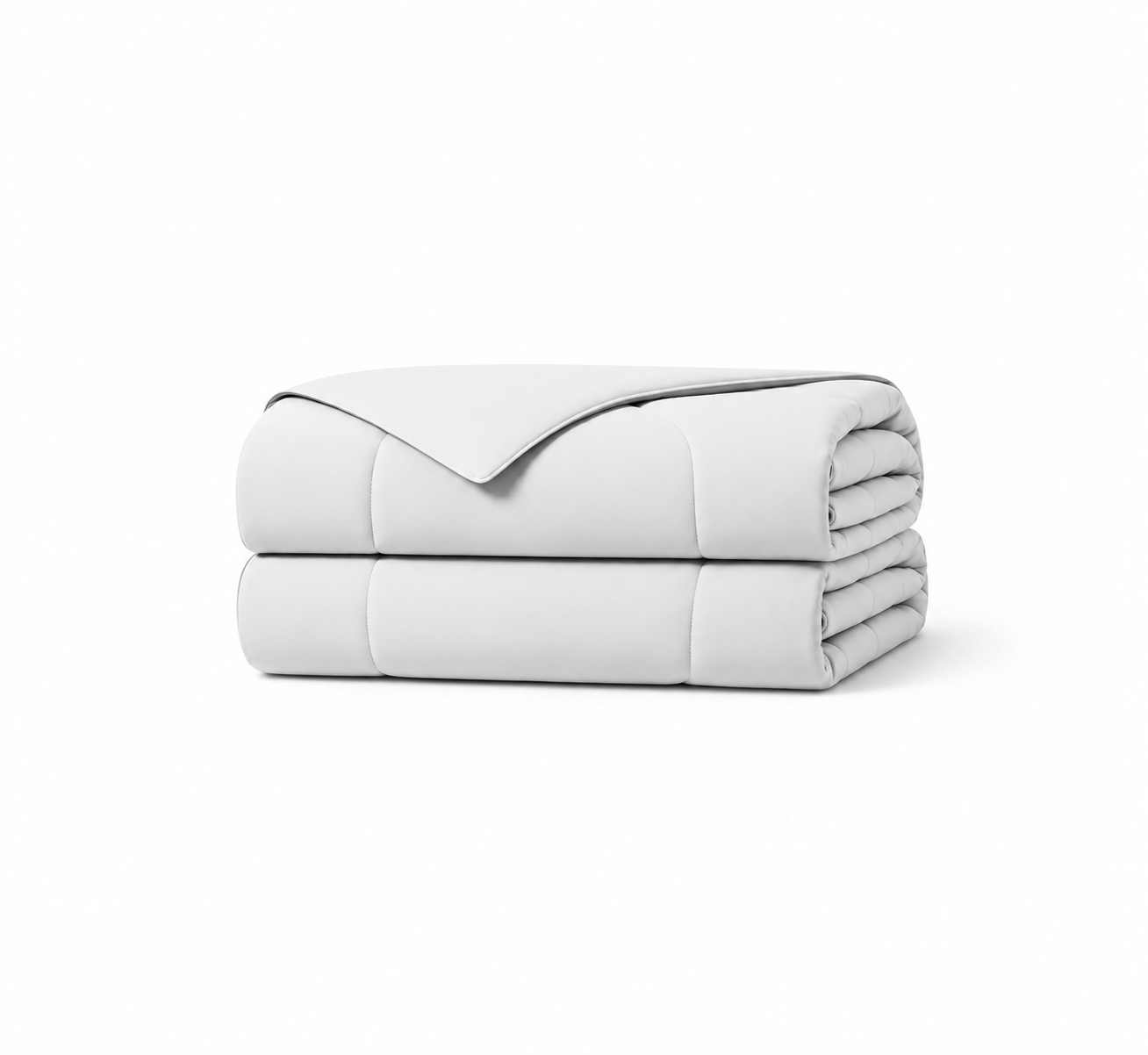
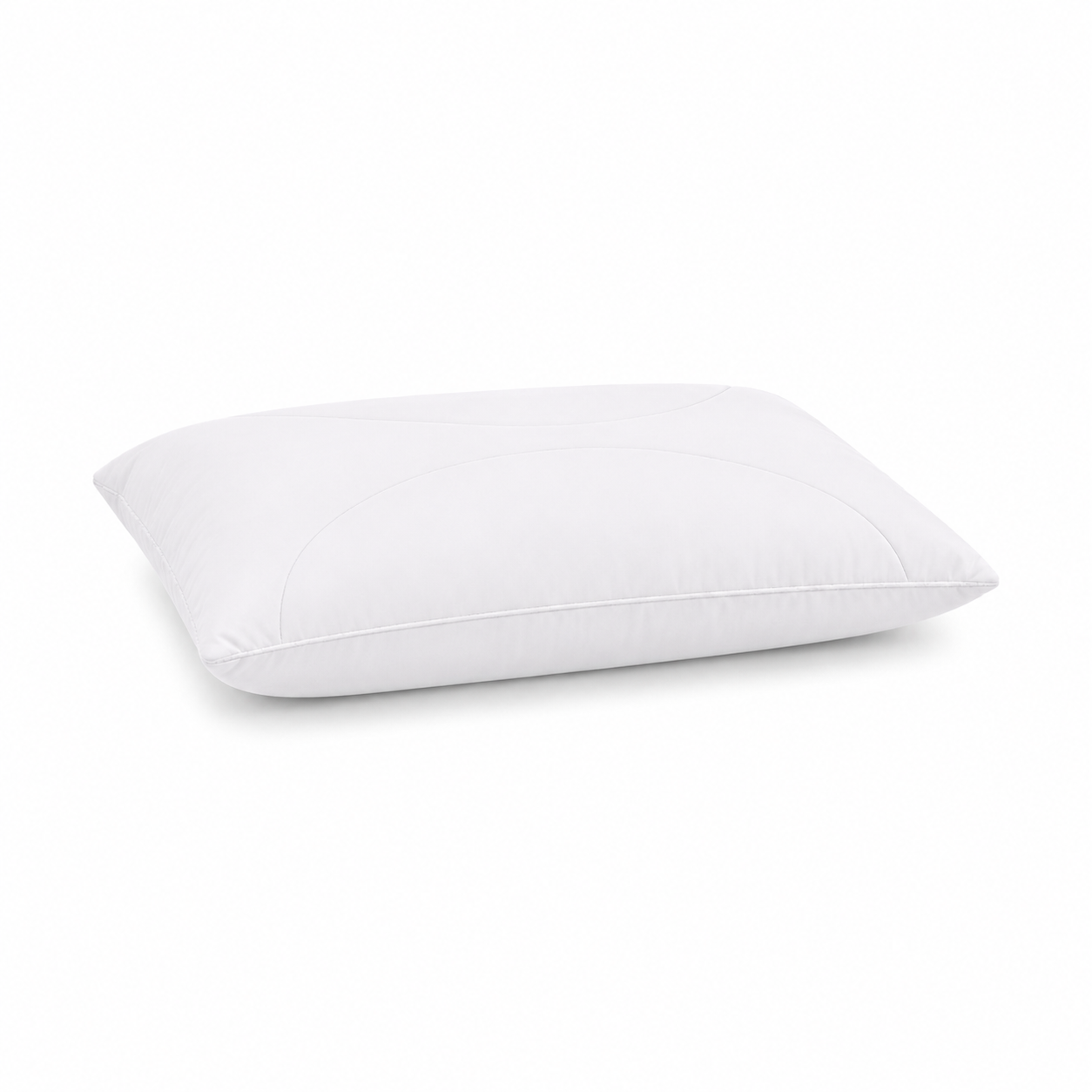
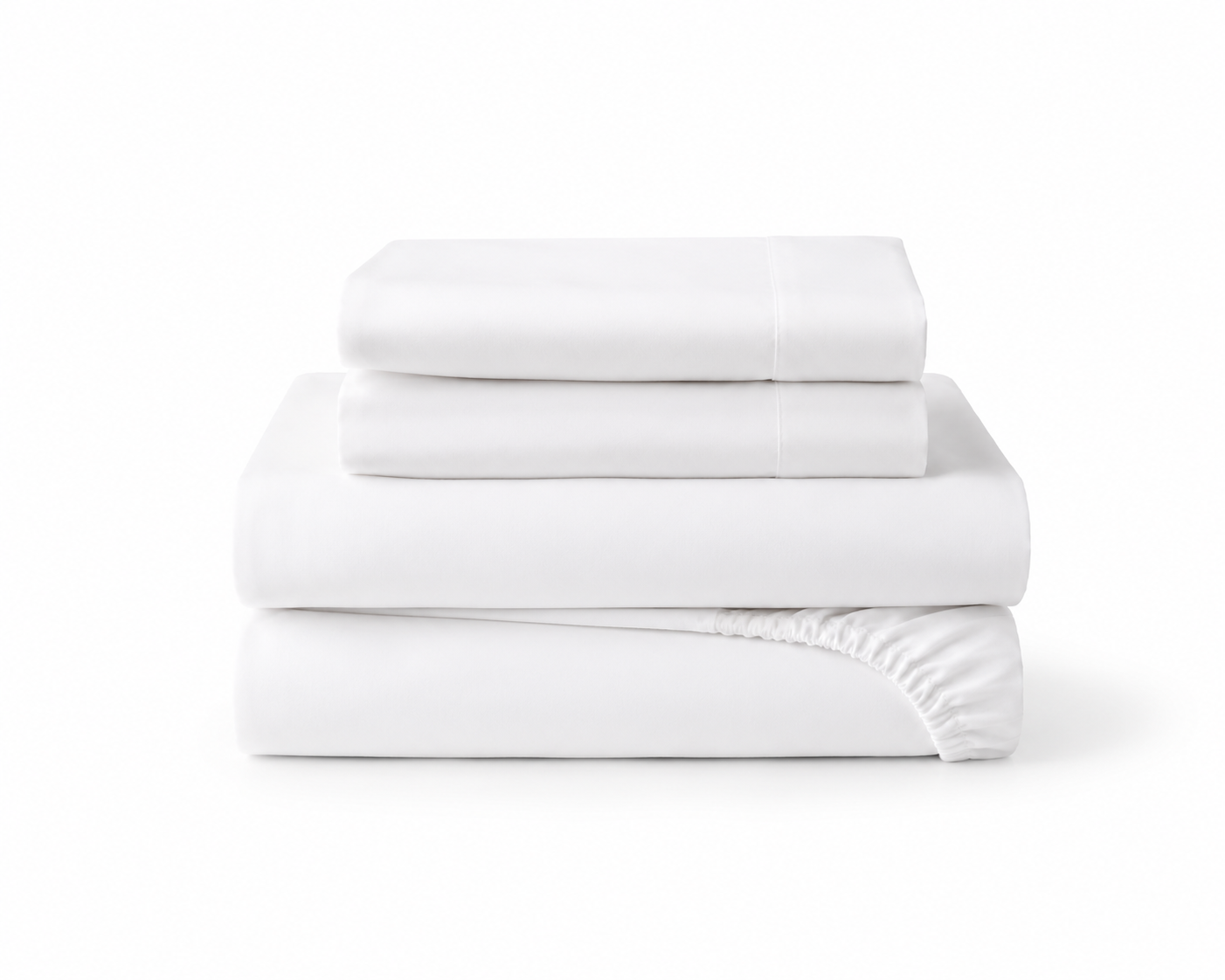
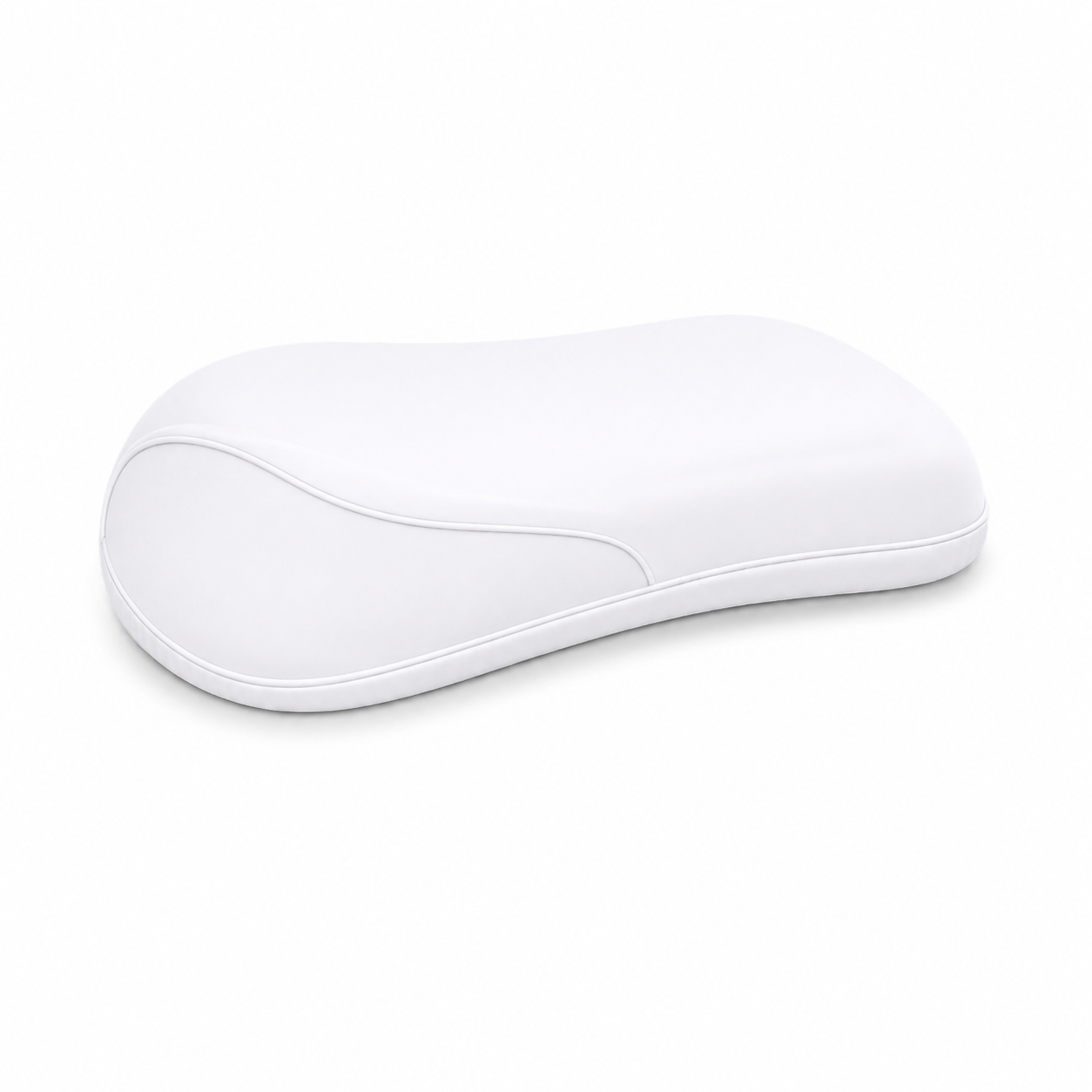
For hot sleepers: CoolTouch® Performance Comforter (phase-change fabric, Q-Max 0.38), TENCEL™ Lyocell sheets (50% more breathable than cotton), and a CoolCloud® or CoolTouch® cooling pillow. This full system reduces the skin-surface microclimate by up to 4°C.