Sports Performance
Athletic Performance
Sleep is the most powerful and most underutilised performance tool in sport. Temperature is the most controllable lever in sleep quality.
The Evidence
+9%
Shot accuracy improvement with sleep extension (Stanford)
Mah, C. et al. SLEEP, 2011
+0.7s
Sprint time improvement with adequate sleep
Stanford Sleep Sciences Centre
10%
Faster reaction time with adequate sleep
Journal of Sports Sciences, 2017
The Stanford sleep-performance data represents the gold standard in this field: basketball players who extended sleep to ensure adequate REM and deep sleep improved sprint time, shot accuracy, and reaction time; with no change to training. This is not an isolated finding. The NFL, NBA, Premier League, and multiple Olympic programs have implemented sleep protocols as formal performance interventions.
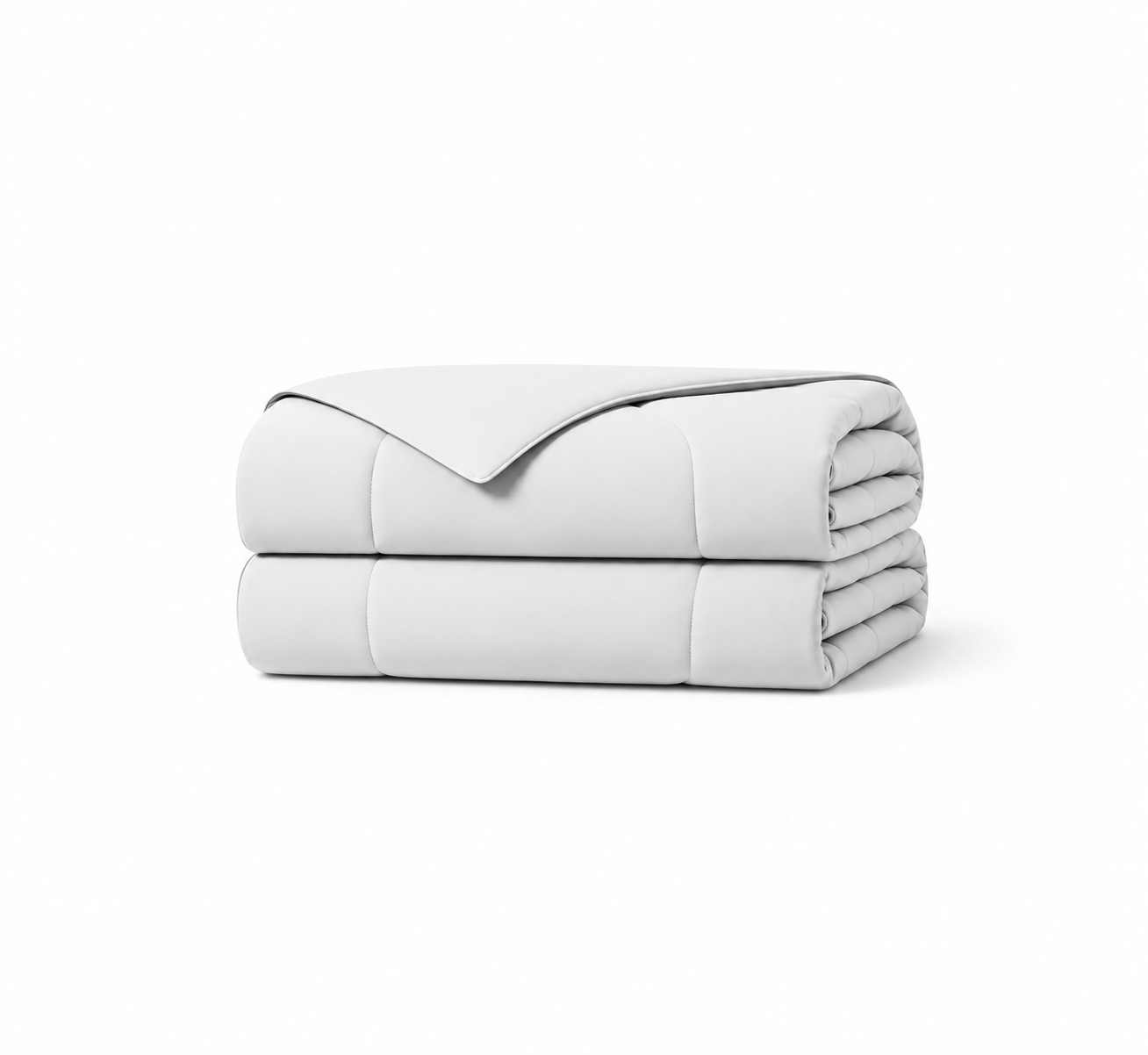
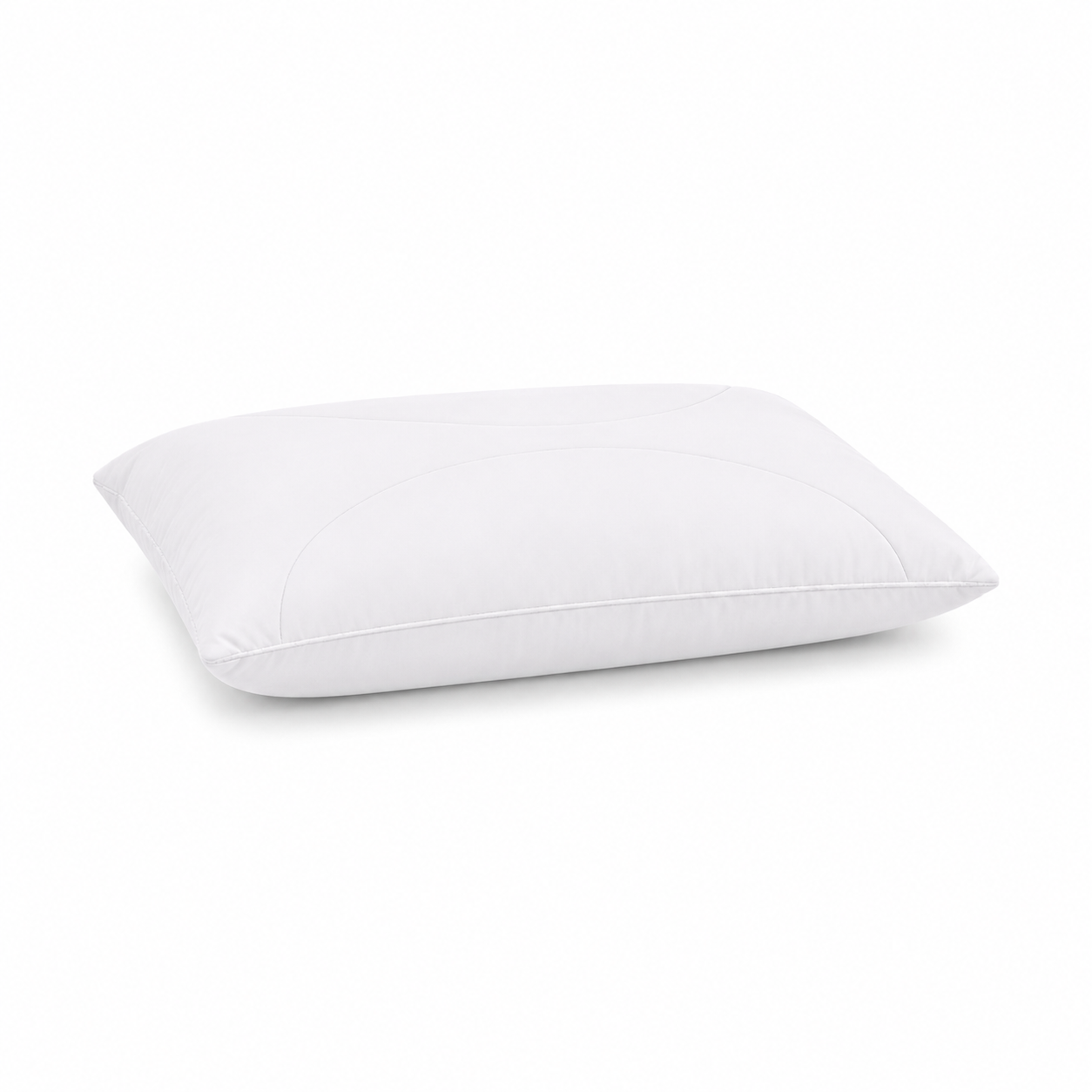
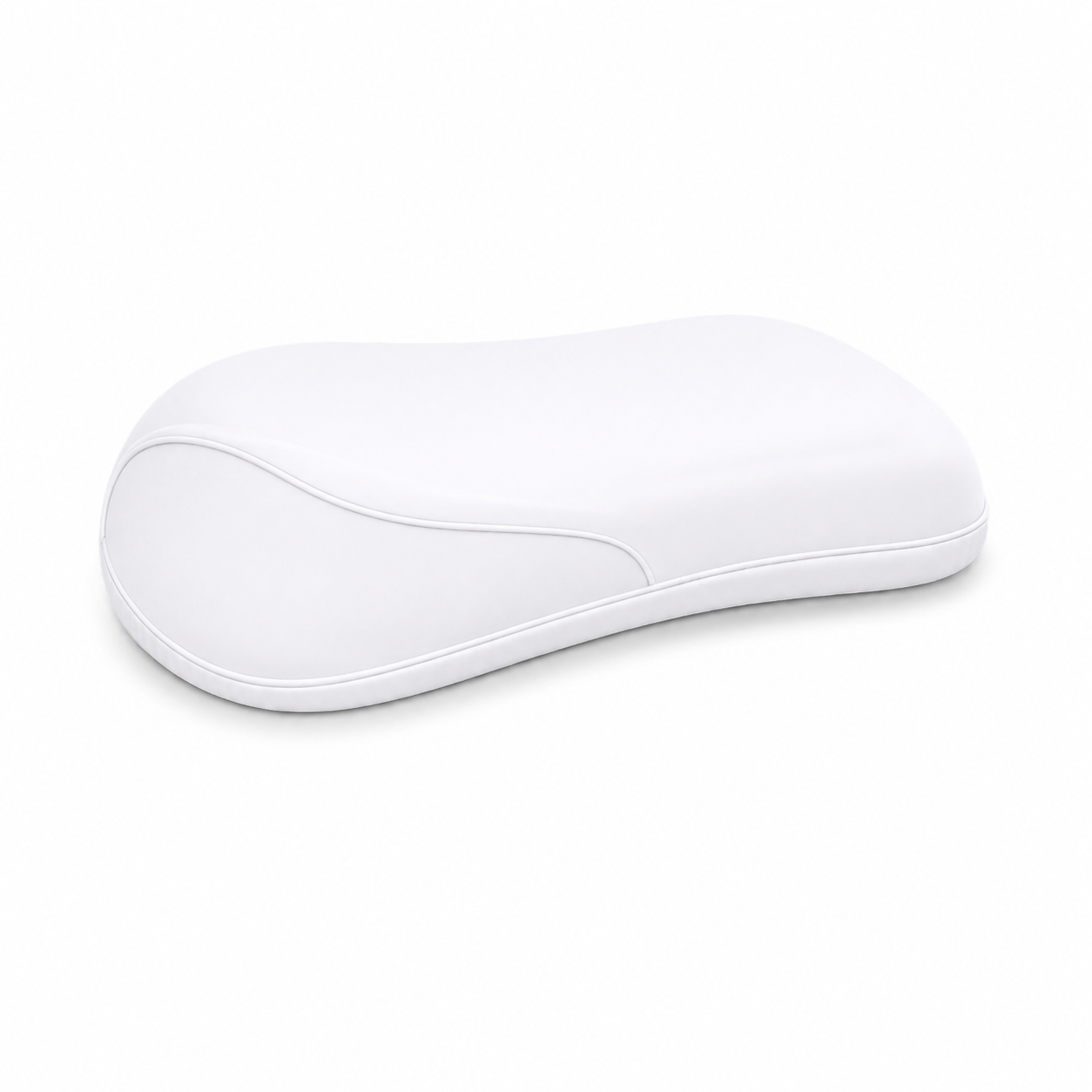
The mechanism for UAE athletes: training in heat creates elevated thermal stress and greater tissue damage requiring more deep sleep for repair. If the sleep environment also creates thermal disruption, the athlete is simultaneously in higher recovery need and lower recovery capacity; a compounding deficit. Cooling bedding closes this gap.
Frequently Asked Questions
Does sleep affect athletic performance more than training?
For already-trained athletes, sleep quality differences between individuals often explain performance variation better than training load differences. Sleep is when adaptation occurs; training provides the stimulus, sleep provides the response. Without quality deep sleep, training gains are suppressed regardless of volume.