Problem Guide
Wake Up Sweating
Waking up sweating is not normal; it is a sign that your sleep surface is preventing thermoregulation. The cause is usually fixable.
Nocturnal Sweating (Night Sweats)
Waking up sweating (nocturnal sweating) occurs when the body's thermoregulatory system triggers a sweat response during sleep. The most common cause is heat accumulation at the sleep surface; standard bedding traps body heat until the skin surface temperature exceeds the body's sweating threshold, triggering perspiration. The majority of non-medical night sweats are directly addressable through sleep surface temperature management.
Key Research Data
41%
of adults report waking up sweating at least weekly
Annals of Family Medicine, 2002
60%
reduction in night sweat episodes with cooling bedding
Menopause journal, 2020
4.2°C
surface temperature reduction with CoolTouch® fabric
Independent textile lab, 2024
50%
faster moisture wicking with TENCEL™ vs cotton
Lenzing AG, 2023
Why You Wake Up Sweating
When you wake up sweating, the cause is usually one of the following:
1. Heat-accumulation sweating (most common): Standard bedding traps body heat progressively throughout the night. When the skin surface temperature exceeds the sweating threshold, the body triggers perspiration to cool down. This typically happens 2–4 hours into sleep, causing you to wake up drenched.
2. Hormonal night sweats: Menopause (oestrogen withdrawal), testosterone fluctuations, and thyroid disorders narrow the thermoneutral zone, triggering vasomotor events (hot flashes) that cause sudden sweating.
3. Medication side effects: SSRIs, blood pressure medications, steroids, and antidepressants can cause night sweats as a side effect.
4. Medical conditions: Infections, hypoglycaemia, anxiety disorders, and (rarely) certain cancers can cause night sweats. These typically present with other symptoms.
The majority of people who wake up sweating have the first type; heat-accumulation sweating; which is directly fixable with cooling bedding.
Mold, J.W. et al. (2002). Annals of Family Medicine.
The Sweat Cycle: Why It Keeps Happening
If you wake up sweating regularly, you are likely caught in a self-reinforcing cycle:
1. Heat accumulation: Standard bedding traps the 80W of heat your body generates during sleep, raising the skin surface temperature. 2. Sweat trigger: When skin temperature exceeds the threshold, the body triggers sweating to cool down. 3. Evaporative cooling: Sweat evaporates, cooling the skin, but the moisture is absorbed by cotton bedding, which releases it slowly. 4. Damp thermal layer: The damp bedding creates a humid microclimate that is warmer than dry bedding, maintaining elevated skin temperature. 5. Repeat: The cycle continues throughout the night, causing multiple sweat episodes and fragmented sleep.
Standard cotton bedding makes this worse because cotton absorbs moisture but releases it slowly; creating the persistent damp layer that perpetuates the cycle. The fix is to break the cycle at two points: prevent the heat accumulation that triggers sweating, and remove moisture rapidly when sweating does occur.
Parish, J.M. (2009). Chest. | AATCC Test Method 195.
Breaking the Sweat Cycle with Cooling Bedding
To stop waking up sweating, you need to address both heat accumulation and moisture management:
1. Prevent the heat trigger: CoolTouch® phase-change fabric (Q-Max 0.38) absorbs excess body heat at the skin surface before it reaches the sweating threshold. Research shows 60% reduction in night sweat episodes with active cooling microclimate management.
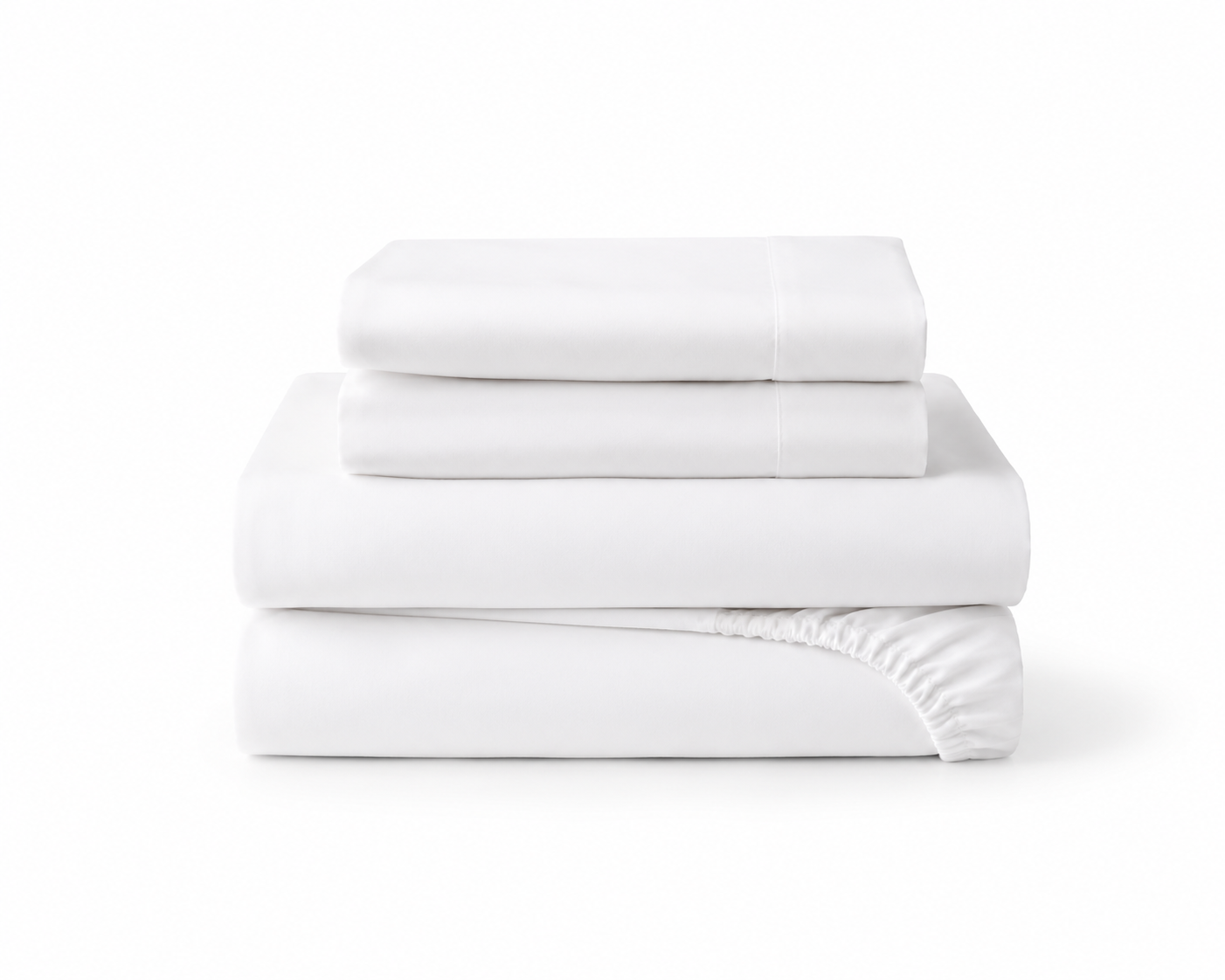
2. Remove moisture rapidly: TENCEL™ Lyocell wicks moisture 50% faster than cotton, preventing the damp thermal layer that perpetuates the sweat cycle. TENCEL™ absorbs moisture into the fibre interior and releases it rapidly for evaporation.
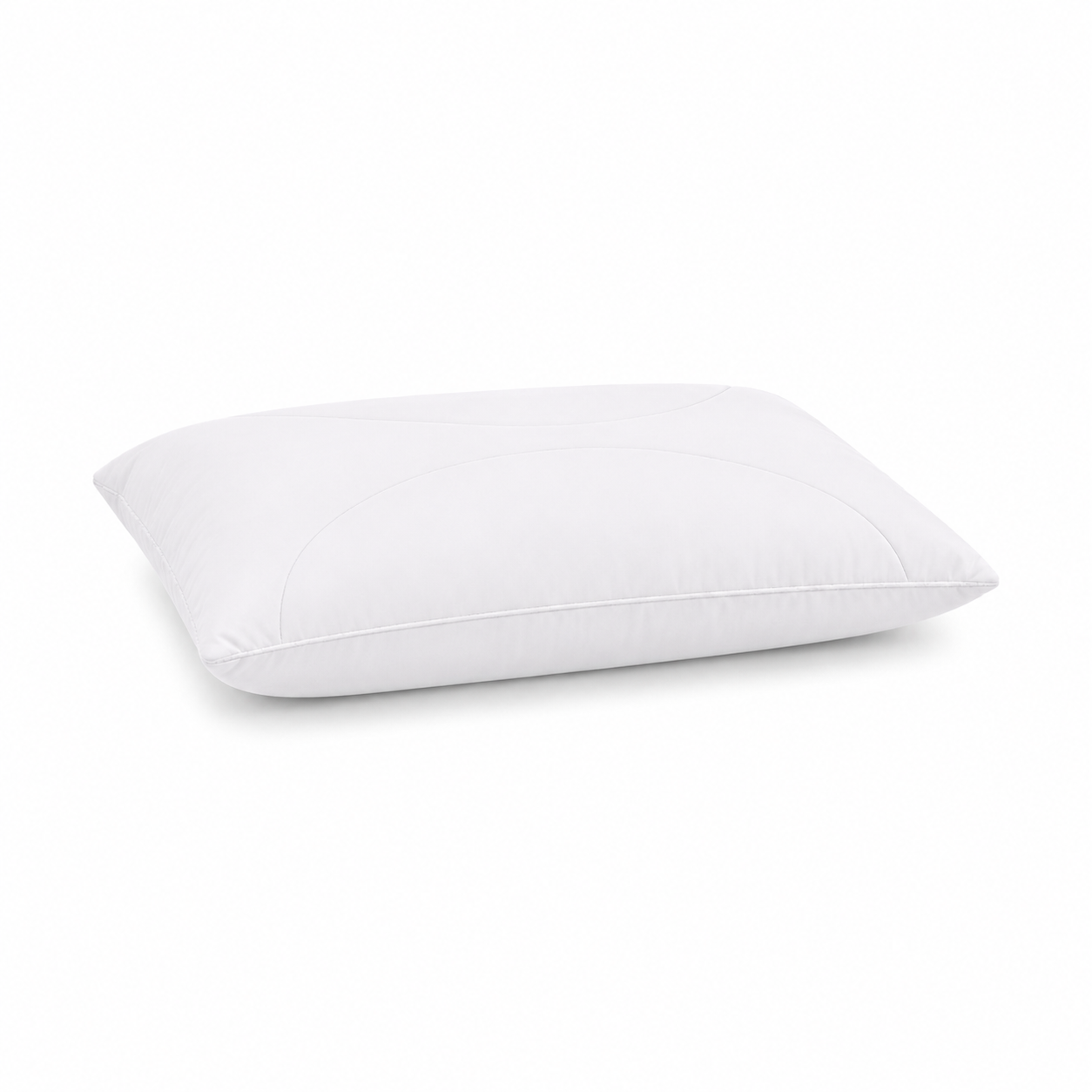
3. Use breathable fill: The CoolCloud® Pillow uses CloudFill® fibre; breathable and hypoallergenic, unlike memory foam which traps heat and contributes to head and neck sweating.
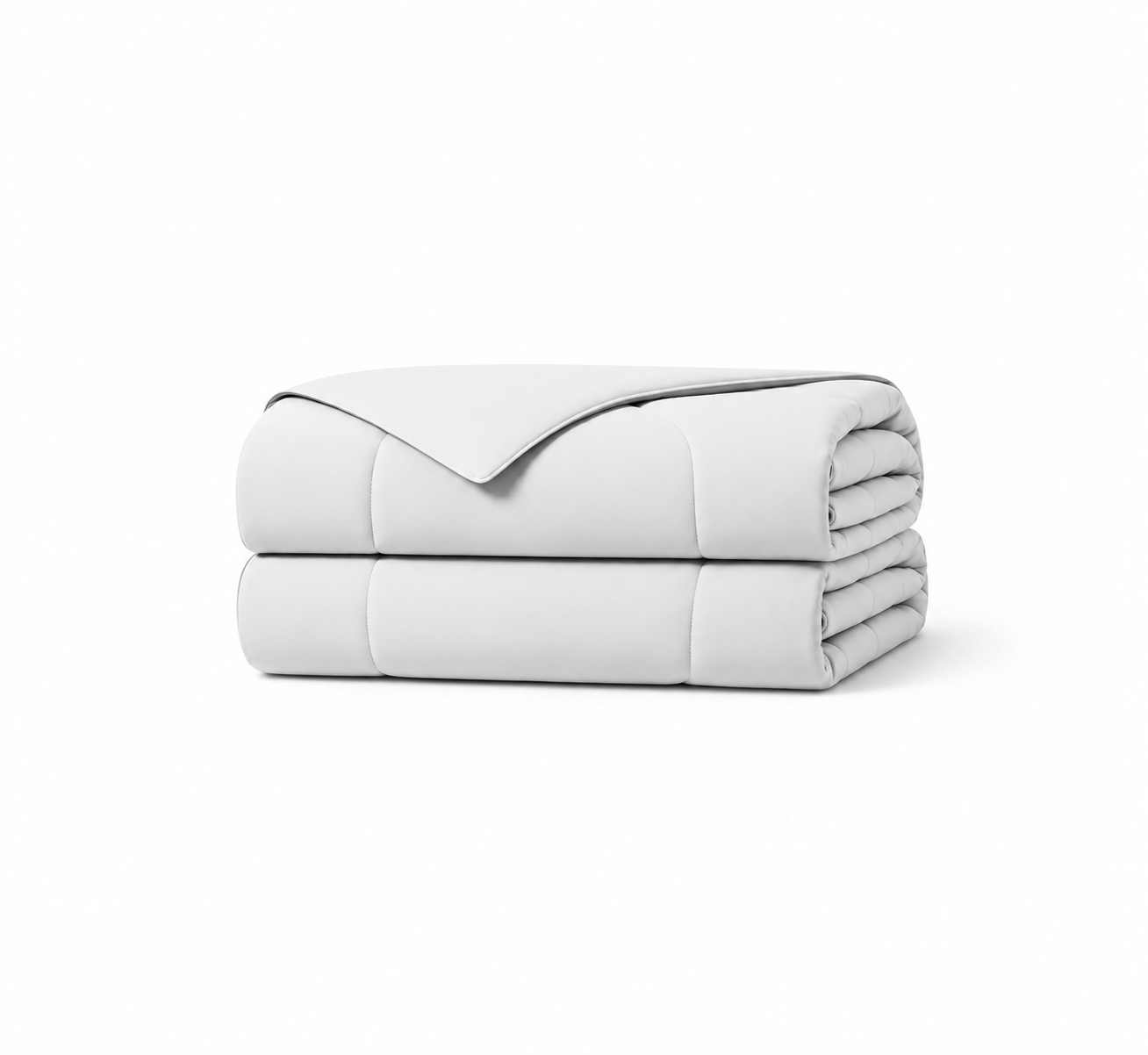
4. Replace heat-trapping comforters: The CoolTouch® Performance Comforter uses phase-change fabric on both sides with breathable performance fill; replacing any down, polyester, or cotton comforter that traps heat.
This system addresses the root cause of heat-accumulation night sweats. For hormonal night sweats (menopause), the same system reduces frequency by keeping the sleep surface below the vasomotor trigger threshold.
Hunter, M.S. et al. (2020). Menopause. | Lenzing AG. TENCEL™ Technical Data.
Frequently Asked Questions
Why do I wake up sweating?
The most common cause is heat-accumulation: standard bedding traps body heat until the skin surface temperature exceeds the sweating threshold, triggering perspiration. This is directly fixable with cooling bedding. Other causes include hormonal changes (menopause), medications, and (rarely) medical conditions.
Is it normal to wake up sweating?
No. Waking up sweating regularly (more than once a week) is not normal and indicates that your sleep surface is preventing thermoregulation. 41% of adults report this problem, but it is not normal; it is a sign of heat-trapping bedding.
How do I stop waking up sweating?
Use cooling bedding with phase-change fabric (CoolTouch®, Q-Max 0.38) to prevent the heat accumulation that triggers sweating, and TENCEL™ Lyocell sheets to wick moisture 50% faster than cotton. Research shows 60% reduction in night sweat episodes with this approach.
Should I see a doctor if I wake up sweating?
If night sweats are accompanied by fever, unexplained weight loss, or other systemic symptoms, see a doctor. If they are isolated and related to heat or menopause, cooling bedding and lifestyle interventions are appropriate first steps.