Demo · Sample Data
Your Personalized Sleep Report
Science-backed recommendations based on your wearable data and sleep profile
Extracted Metrics
Overall Assessment
This is a solid sleep report showing an efficient sleep architecture with a healthy 84 score. Your sleep efficiency is high, and your resting heart rate and HRV suggest strong physiological recovery. The main area for potential optimization is increasing your total sleep duration to consistently hit the 8-hour mark for optimal cognitive and physical recovery.
Priority Areas
Sleep Duration
7h 18m
Aim for an additional 30–40 minutes of actual sleep time by shifting your bedtime slightly earlier.
Epidemiological research consistently links 7–9 hours of sleep to reduced mortality and improved metabolic health, whereas chronic restriction under 7 hours is associated with cognitive decline (Walker, 2017).
Thermoregulation
Optimal baseline
Maintain a cool bedroom environment (approx. 18°C/65°F) and use cooling bedding to ensure your core temperature drops smoothly into deep sleep.
Thermoregulation research (Harding et al., 2019) shows a drop in core body temperature is a key trigger for sleep onset and deep-sleep consolidation.
REM Consistency
1h 45m
Keep a consistent wake time; even on weekends; to stabilize your REM cycle.
REM sleep is concentrated in the final third of the night; irregular wake times truncate REM and impair emotional regulation and memory consolidation.
Actionable Tips
Set a 15-minute wind-down alarm
A consistent pre-sleep routine lowers arousal and shortens sleep onset latency.
Dim lights, put your phone away, and do light stretching or breathing 15 minutes before your target bedtime.
Keep your bedroom at 18°C
A cool sleep environment supports the core-temperature drop that anchors deep sleep.
Set your AC to 18°C and pair cooling bedding (CoolTouch® fabric, TENCEL™ lyocell) to wick heat and moisture away from your skin.
Cut caffeine after 2 PM
Caffeine has a half-life of 5–6 hours and measurably reduces deep sleep even when you fall asleep fine.
Switch to water or herbal tea after early afternoon, especially on training days.
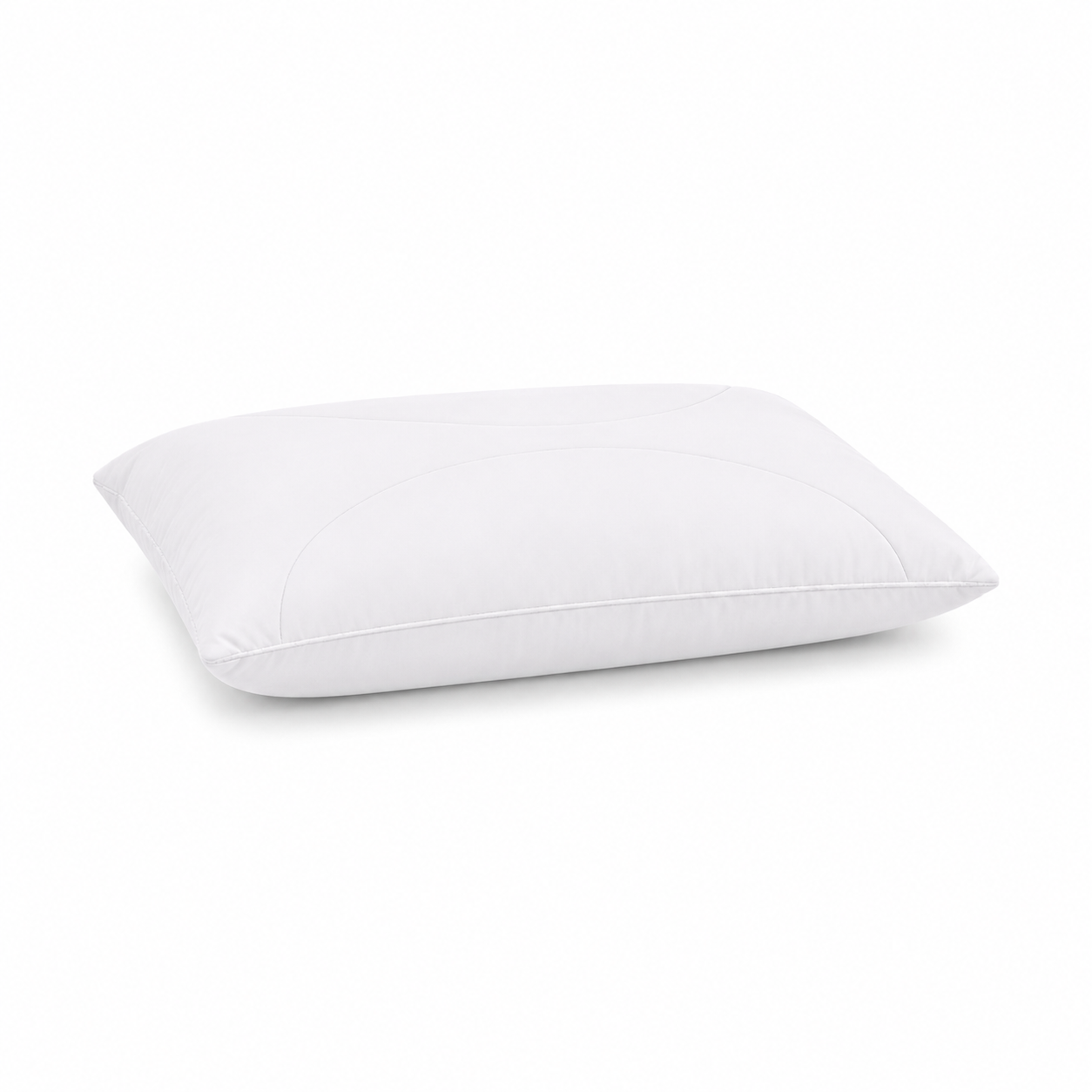
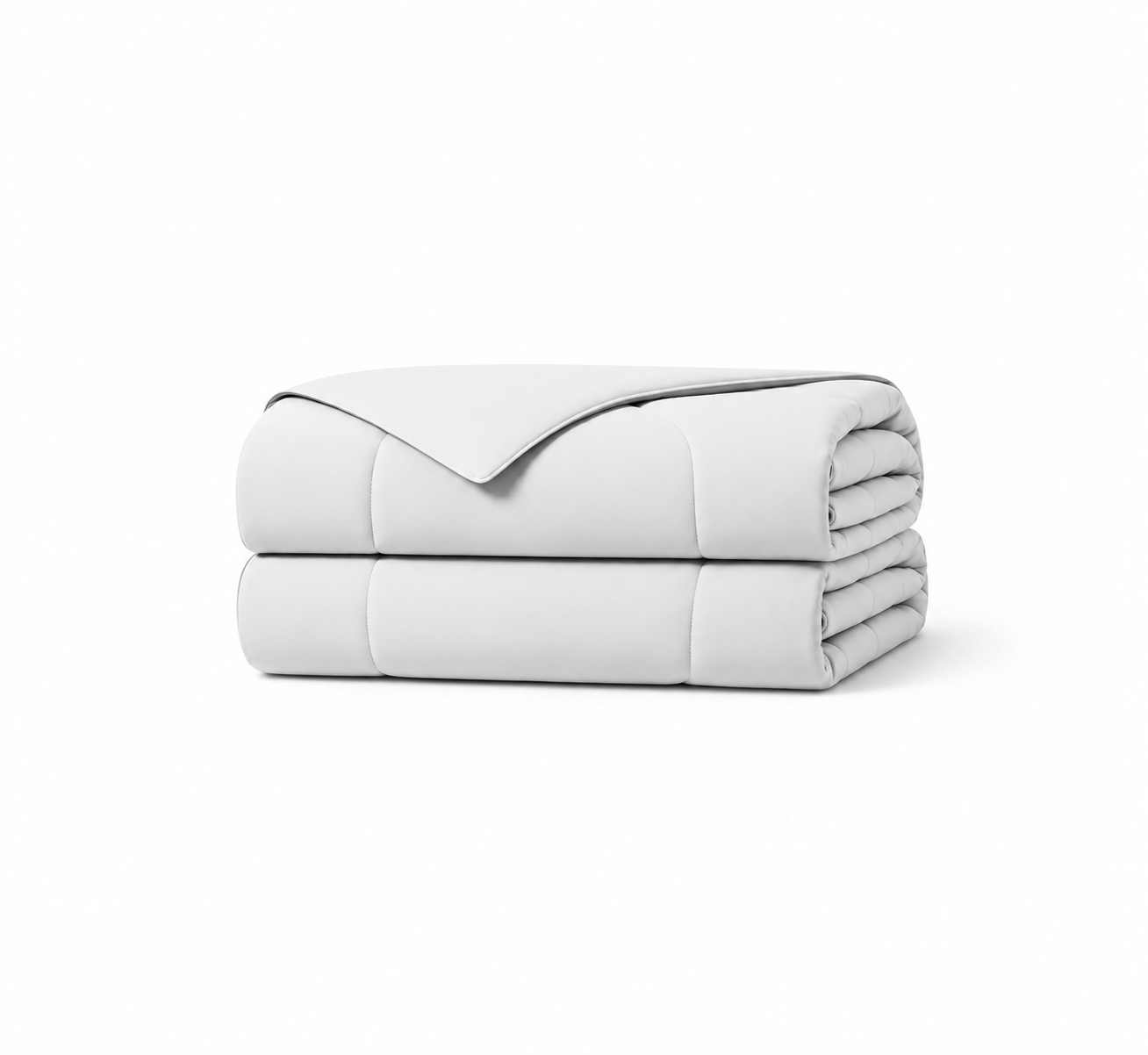
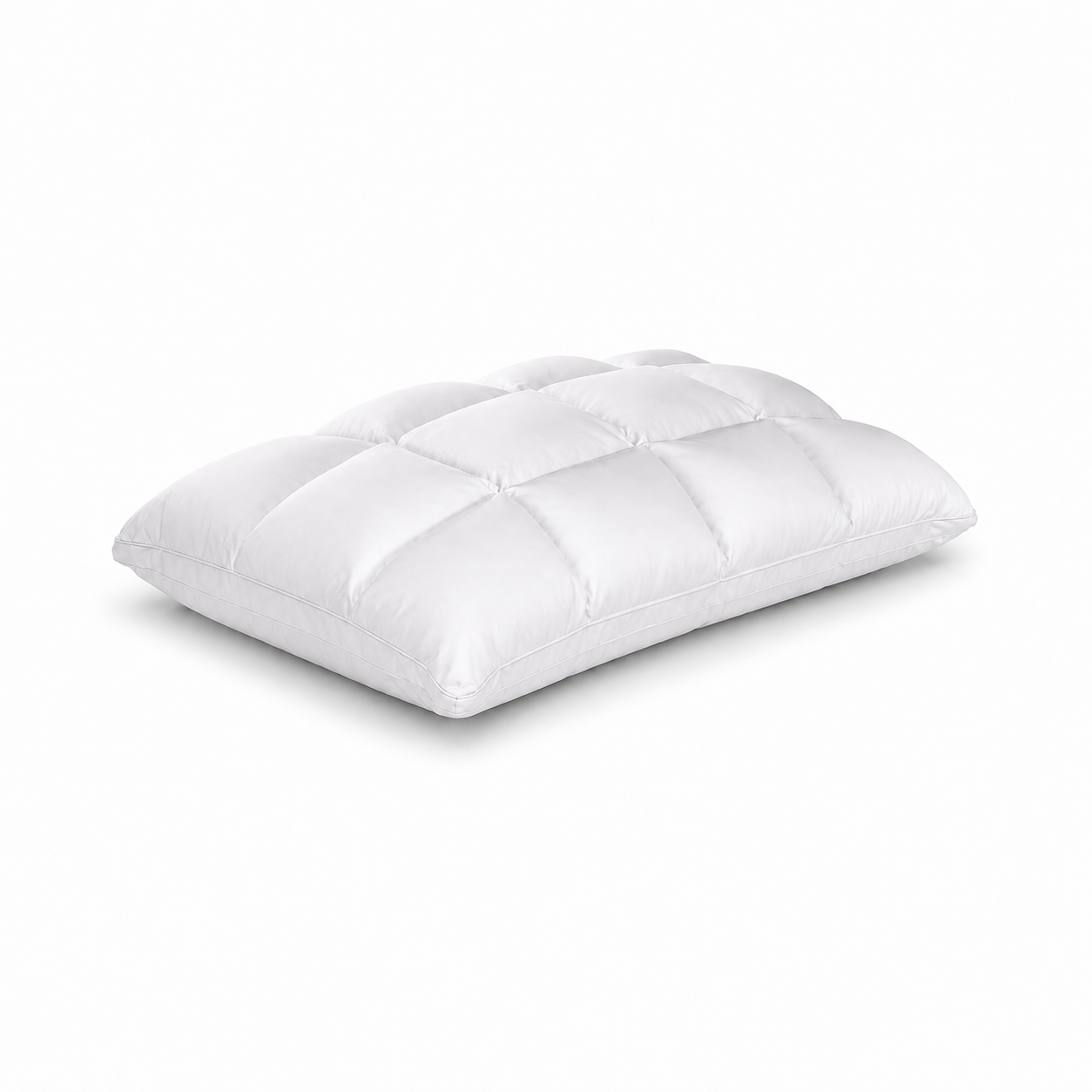
How Cooling Products Can Help
Your HRV and resting heart rate show good recovery, but your deep sleep can still benefit from better heat management. Clinical-grade cooling bedding like CoolTouch® fabric lowers skin temperature on contact, helping your body reach the cooler core temperatures where deep sleep is deepest; ideal for hot Dubai nights and post-training recovery.