Performance Science
Sleep Before Competition
The night before competition is not just rest; it is the final preparation window for peak performance. Temperature is the variable you control.
Pre-Competition Sleep
Pre-competition sleep is the sleep period immediately preceding an athletic event. Research shows that sleep quality the night before competition directly affects reaction time, decision-making, accuracy, and physical output. The two critical factors are: (1) adequate deep sleep for HGH-driven physical readiness, and (2) adequate REM sleep for cognitive sharpness and motor pattern consolidation.
Key Research Data
11.4ms
faster reaction time after sleep extension
Mah et al., 2011; Stanford
+9%
accuracy improvement with adequate sleep before performance
Mah et al., 2011
3×
higher injury risk with under 6 hours sleep
Milewski et al., 2014
10%
faster reaction time with adequate sleep vs sleep-deprived
Journal of Sports Sciences, 2017
Why Pre-Competition Sleep Matters
The night before competition, athletes need both physical readiness (deep sleep, HGH, tissue repair) and cognitive sharpness (REM sleep, motor pattern consolidation, reaction time). Research from Stanford shows that adequate sleep before performance improves sprint times by 9%, accuracy by 9–17%, and reaction time by 11.4 milliseconds.
Conversely, sleep deprivation before competition; even partial; produces cognitive and physical deficits equivalent to alcohol intoxication. Athletes sleeping under 6 hours have 3× higher injury risk and measurably slower reaction times.
For UAE athletes, the challenge is compounded by pre-event anxiety (which elevates core temperature and impairs sleep onset) and the hot climate (which prevents the thermal cooling needed for deep sleep).
Mah, C.D. et al. (2011). SLEEP 34(7):943-950. | Van Dongen, H.P.A. et al. (2003). Sleep.
The Temperature-Performance Connection
Pre-competition anxiety activates the sympathetic nervous system, elevating core body temperature and making sleep onset harder. This is compounded in the UAE by ambient heat that prevents the natural evening temperature drop required for deep sleep.
The result is a double penalty: the athlete needs better sleep than usual (due to elevated stress) but gets worse sleep (due to thermal disruption and anxiety-induced hyperarousal). This is why many athletes report their worst sleep the night before the events that matter most.
Cooling bedding directly addresses this by managing the sleep surface temperature, enabling the body to achieve the 1–2°C core temperature drop needed for deep sleep despite anxiety and ambient heat.
Harding, E.C. et al. (2019). Frontiers in Neuroscience.
Optimising Pre-Competition Sleep
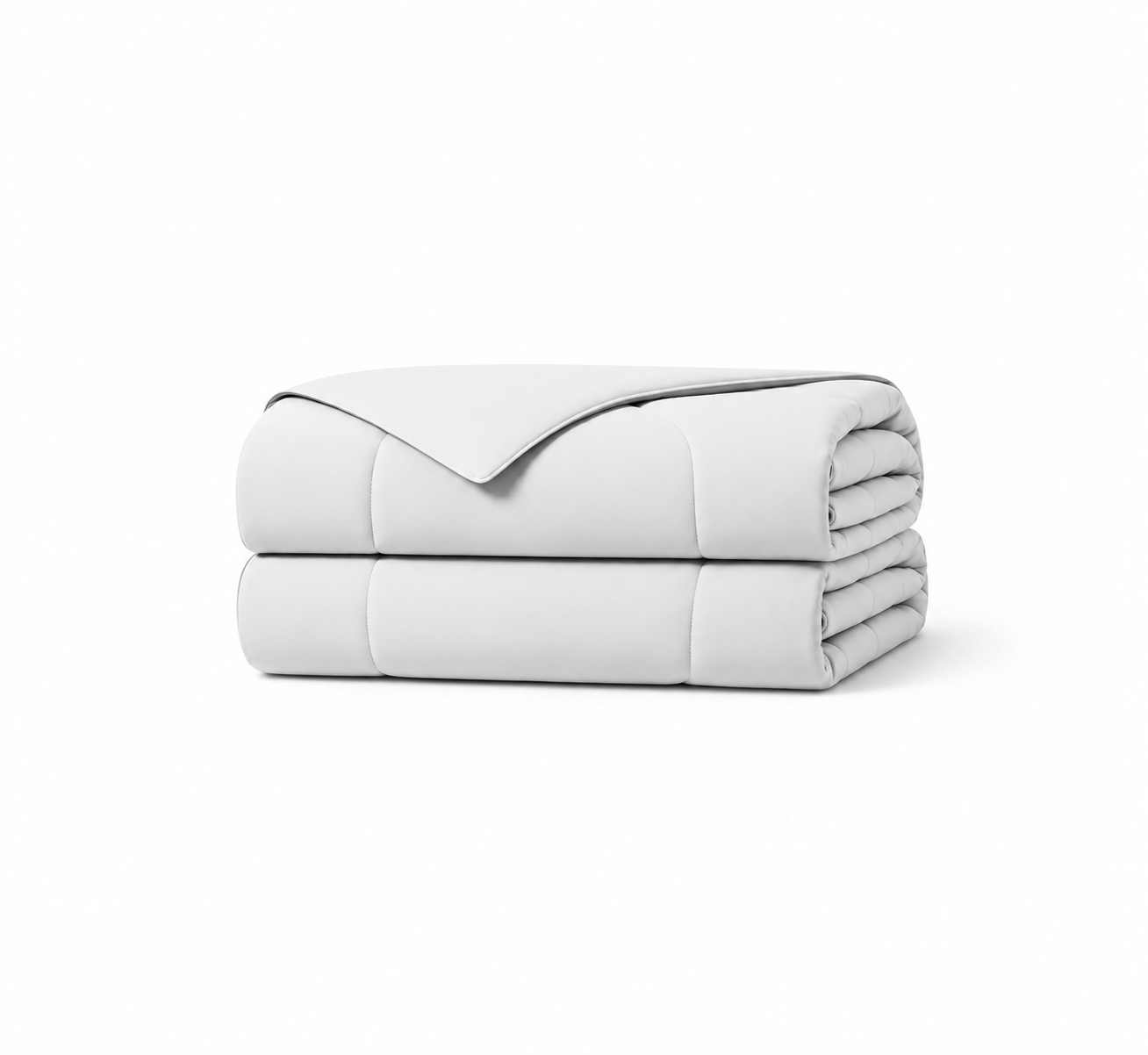
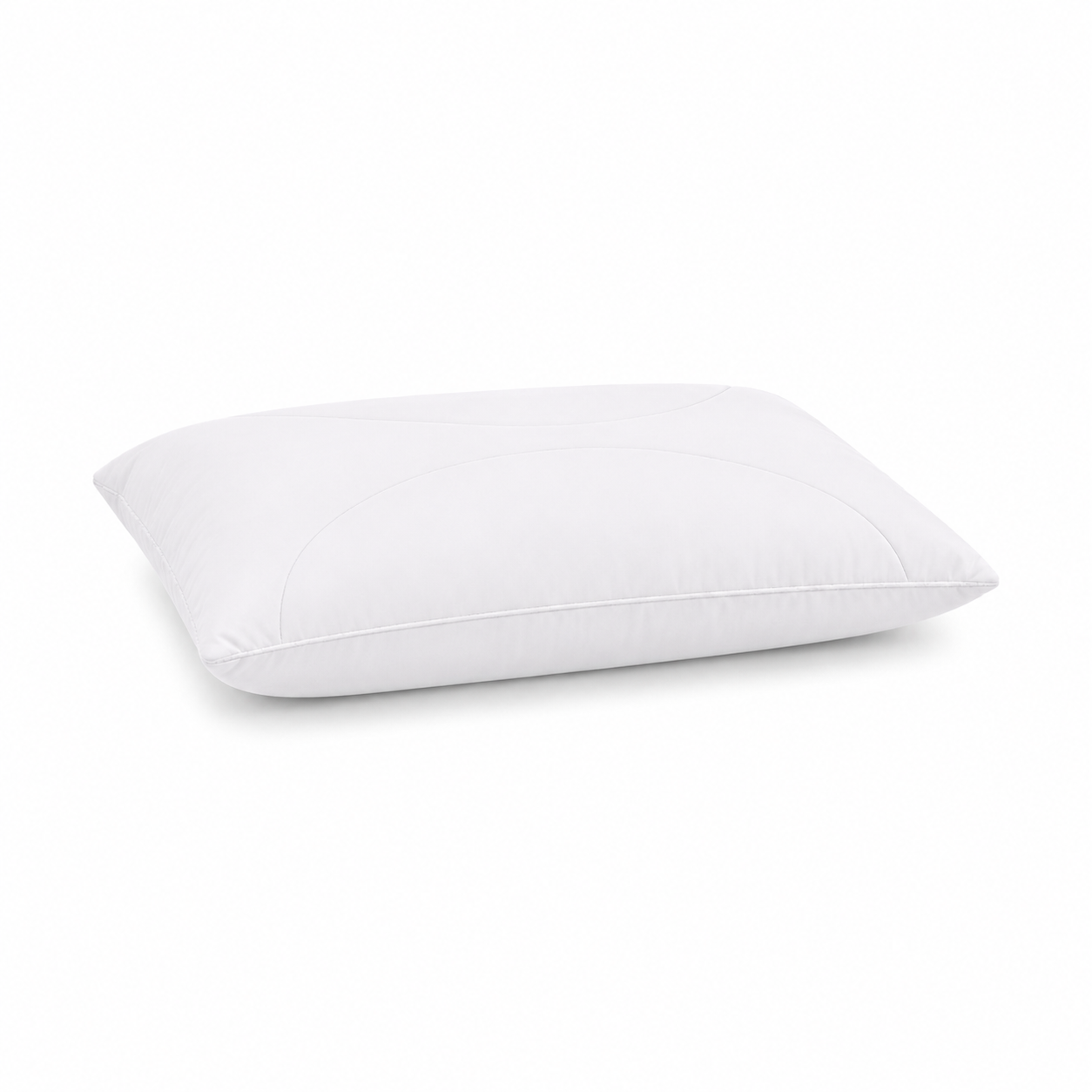
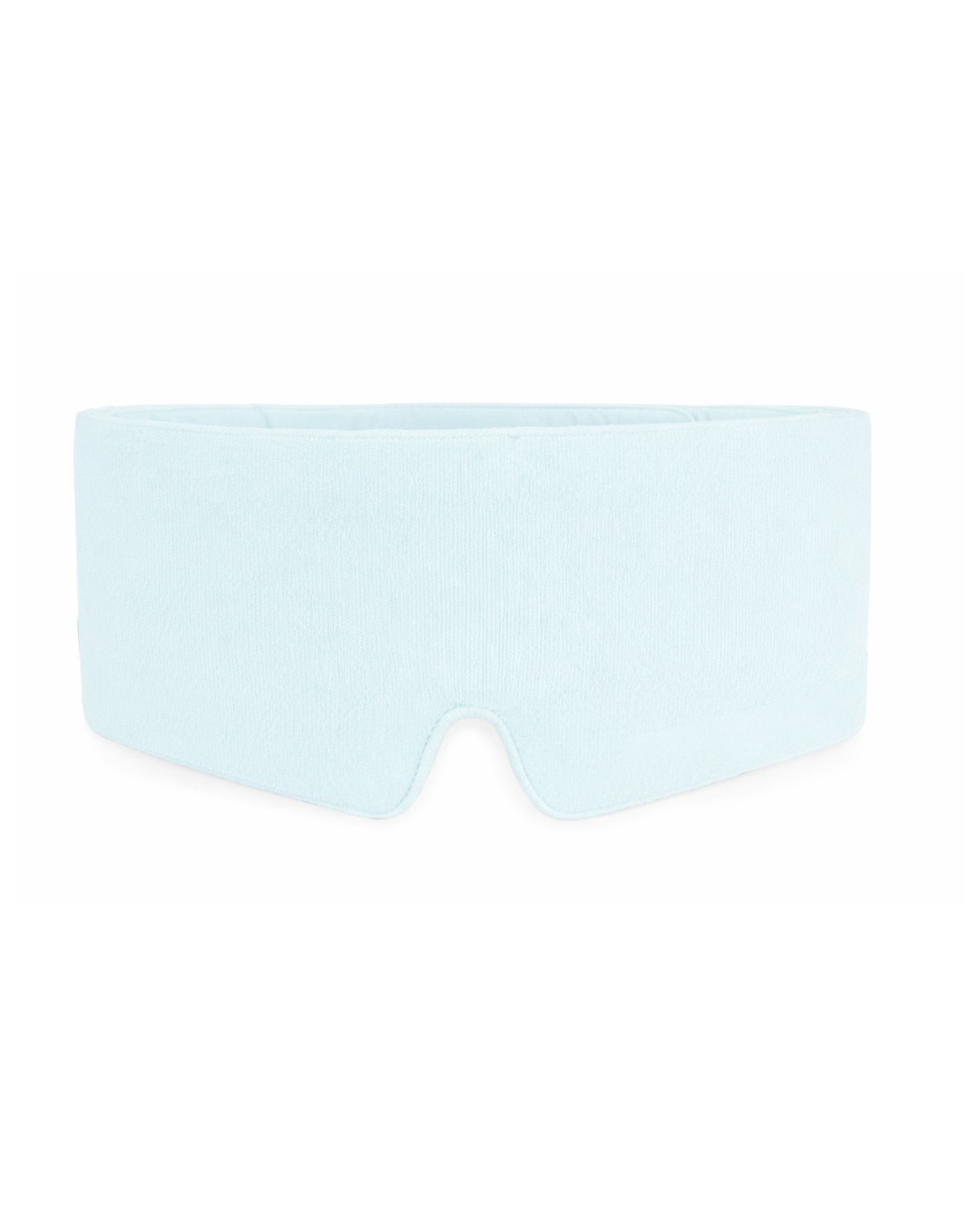
For athletes preparing for competition, the recommended pre-event sleep protocol includes: (1) Cooling bedding (CoolTouch® comforter + CoolCloud® pillow) to maintain the 16–19°C surface range needed for deep sleep despite pre-event anxiety and UAE ambient heat. (2) Consistent sleep timing in the 3–5 days before competition to align the circadian temperature rhythm. (3) Room temperature of 18–20°C to support the cooling bedding system. (4) A CoolTouch® Performance Eye Mask for blackout and facial cooling; blocking early morning light that suppresses melatonin and providing localised temperature management.
This system ensures the athlete enters competition with maximum HGH-driven physical readiness and REM-consolidated cognitive sharpness.
NBA Performance Lab Recovery Protocols, 2022.
Frequently Asked Questions
How much sleep do I need before competition?
Athletes should aim for 9–10 hours of sleep the night before competition. More importantly, prioritise 3–5 nights of consistent, high-quality sleep leading up to the event; one night of good sleep cannot compensate for accumulated sleep debt.
Why can't I sleep before competition?
Pre-competition anxiety activates the sympathetic nervous system, elevating core body temperature and making sleep onset harder. This is compounded by ambient heat in the UAE. Cooling bedding helps by managing the sleep surface temperature, enabling the core temperature drop needed for deep sleep despite anxiety.
Does sleep before competition affect performance?
Yes; significantly. Research from Stanford shows adequate sleep before performance improves sprint times by 9%, accuracy by up to 17%, and reaction time by 11.4ms. Sleep deprivation before competition produces deficits equivalent to alcohol intoxication.
What bedding helps athletes sleep before competition?
Cooling bedding that maintains the 16–19°C sleep surface; CoolTouch® Performance Comforter (phase-change fabric), CoolCloud® Pillow, and a CoolTouch® Performance Eye Mask for blackout and facial cooling. This system enables deep sleep despite pre-event anxiety and UAE ambient heat.