Lifestyle Science
Sleep & Weight Loss
Poor sleep sabotages weight loss through hormonal disruption, metabolic changes, and increased hunger. Quality sleep is a weight loss intervention.
Sleep and Metabolism
Sleep quality directly affects weight management through multiple hormonal pathways. Sleep deprivation reduces leptin (satiety hormone) by 18%, increases ghrelin (hunger hormone) by 28%, impairs insulin sensitivity by 25%, and reduces overnight HGH release (which drives fat metabolism). Research shows that sleep-deprived individuals consume 300+ extra calories per day and have significantly higher body fat percentages than well-rested controls, independent of diet and exercise.
Key Research Data
+300 cal
extra daily calorie intake when sleep-deprived
American Journal of Clinical Nutrition, 2019
18%
reduction in leptin (satiety hormone) after poor sleep
University of Chicago, 2004
28%
increase in ghrelin (hunger hormone) after poor sleep
University of Chicago, 2004
25%
reduction in insulin sensitivity from sleep deprivation
Tasali et al., 2008; PNAS
How Sleep Disruption Sabotages Weight Loss
Poor sleep quality undermines weight loss through three primary mechanisms:
1. Hormonal disruption: Sleep deprivation reduces leptin (the hormone that signals fullness) by 18% and increases ghrelin (the hormone that signals hunger) by 28%. The result: you feel hungrier and less satisfied after eating. Research from the University of Chicago found that sleep-deprived individuals consumed an average of 300+ extra calories per day; equivalent to gaining 1 pound every 12 days.
2. Insulin resistance: Research published in PNAS (Tasali et al., 2008) found that just three nights of disrupted sleep reduced insulin sensitivity by 25%; equivalent to the metabolic impact of gaining 20–30 pounds. Reduced insulin sensitivity means the body stores more calories as fat rather than using them for energy.
3. Reduced HGH: 70% of daily Human Growth Hormone is released during deep sleep. HGH drives fat metabolism (lipolysis); the breakdown of stored fat for energy. When deep sleep is suppressed by thermal disruption, HGH output drops, and the body's overnight fat-burning capacity is reduced.
All three mechanisms are amplified when deep sleep is disrupted; which is exactly what heat-trapping bedding does.
University of Chicago (2004). | Tasali, E. et al. (2008). PNAS. | American Journal of Clinical Nutrition (2019).
The Leptin-Ghrelin-HGH Connection
Three hormones connect sleep quality to weight management:
1. Leptin (satiety hormone): Produced by fat cells, leptin tells the brain that the body has enough energy stored. Sleep deprivation reduces leptin by 18%, meaning the brain perceives a calorie deficit even when there isn't one; triggering hunger and reducing metabolic rate.
2. Ghrelin (hunger hormone): Produced by the stomach, ghrelin signals hunger. Sleep deprivation increases ghrelin by 28%, meaning you feel hungrier; particularly for high-calorie, carbohydrate-rich foods.
3. HGH (Human Growth Hormone): Released during deep sleep, HGH drives lipolysis (fat breakdown) and protein synthesis. 70% of daily HGH is released during the first slow-wave sleep cycle. When deep sleep is suppressed (by heat, alcohol, or sleep deprivation), the overnight fat-burning window narrows proportionally.
The combined effect: sleep-deprived individuals are hungrier (more ghrelin, less leptin), store more calories as fat (reduced insulin sensitivity), and burn less fat overnight (reduced HGH). This is why people who sleep poorly struggle to lose weight even with diet and exercise.
Van Cauter, E. et al. (2000). American Journal of Physiology. | Spiegel, K. et al. (2004). Annals of Internal Medicine.
Cooling Bedding for Weight Management Support
Since the hormonal pathways connecting sleep to weight management are regulated by deep sleep, and deep sleep is regulated by temperature, cooling bedding is a weight management intervention:
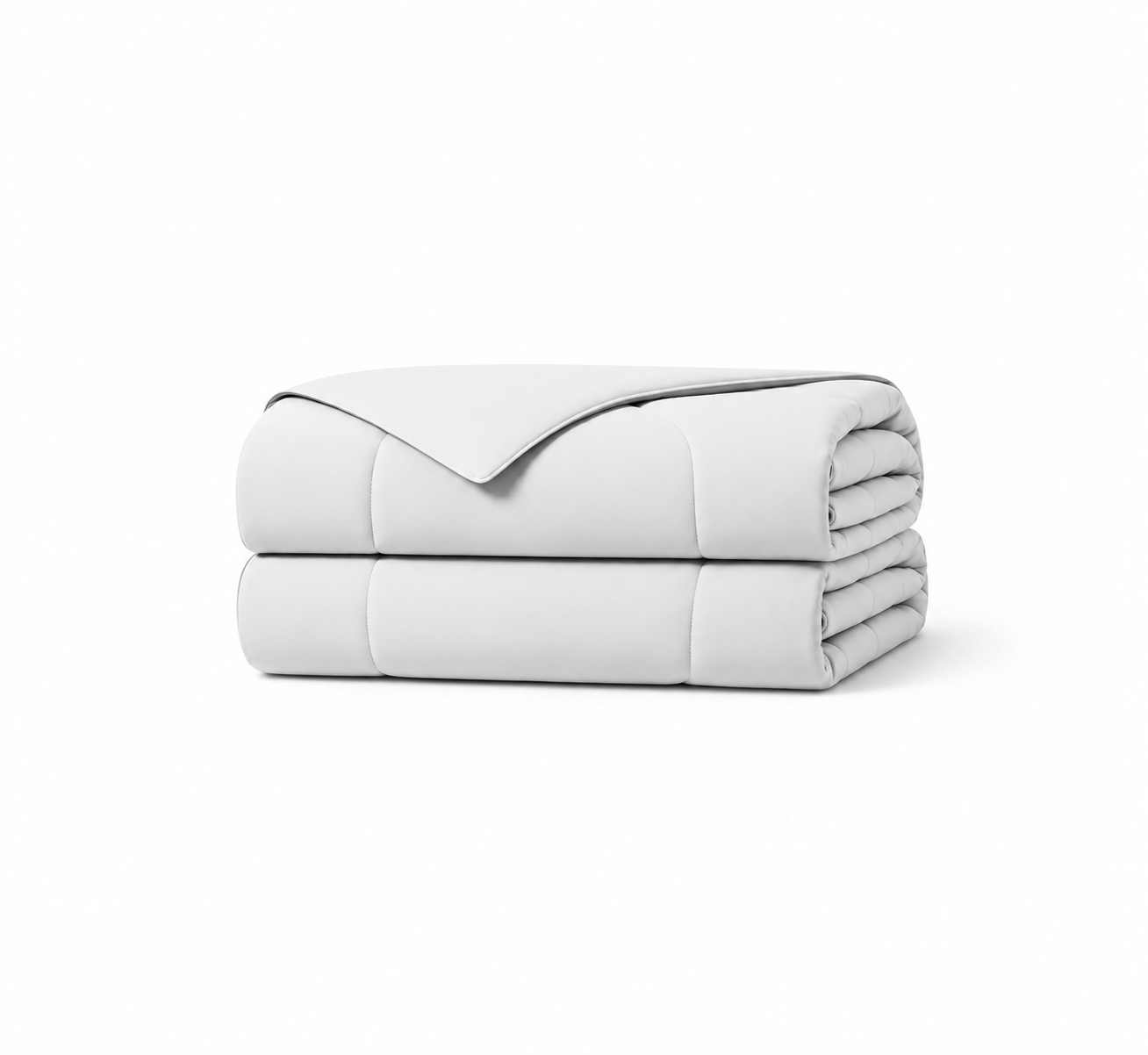
1. CoolTouch® Performance Comforter: Phase-change fabric (Q-Max 0.38) maintains the 16–19°C surface range needed for sustained deep sleep; preserving the HGH secretion window that drives overnight fat metabolism. Clinical data: 32% more deep sleep.
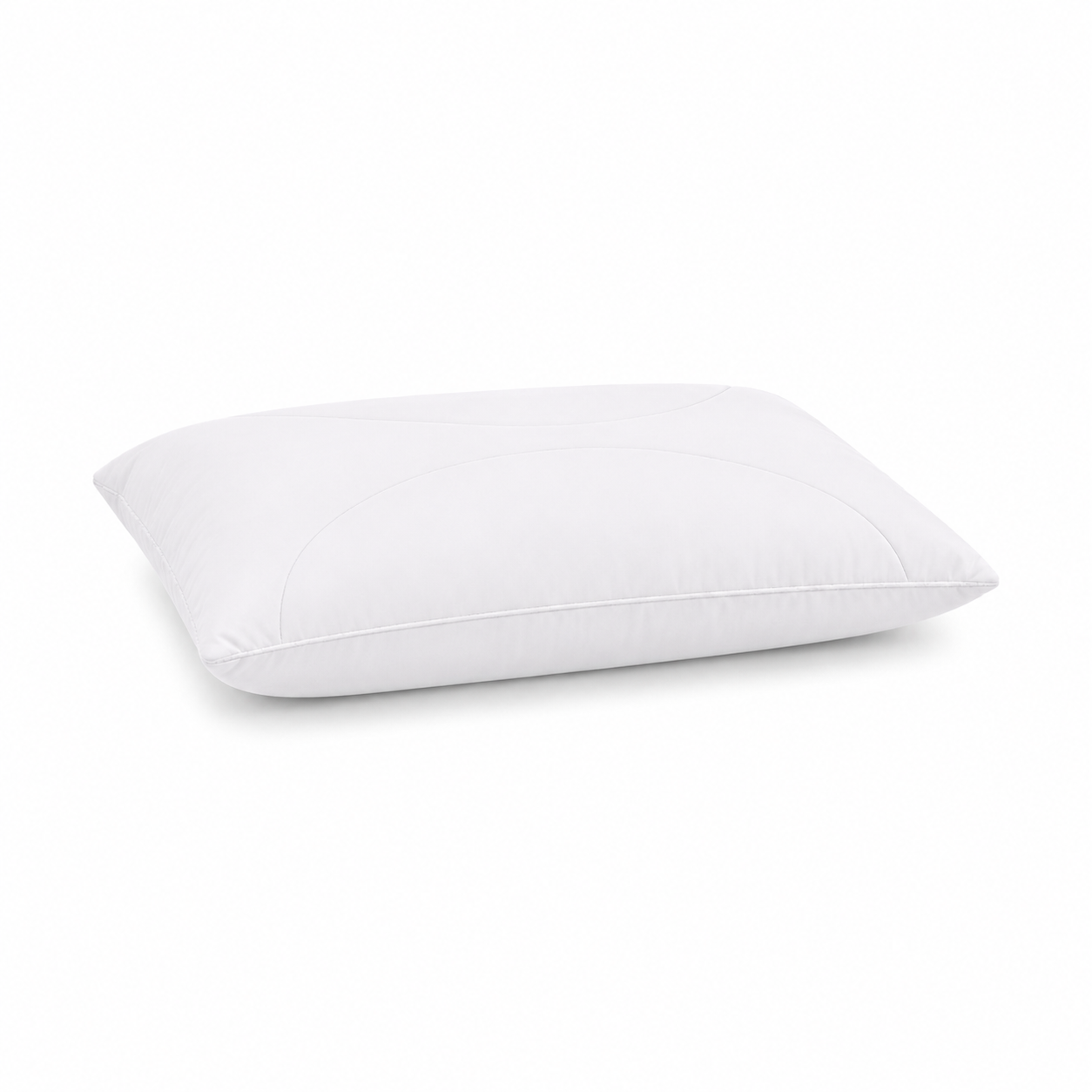
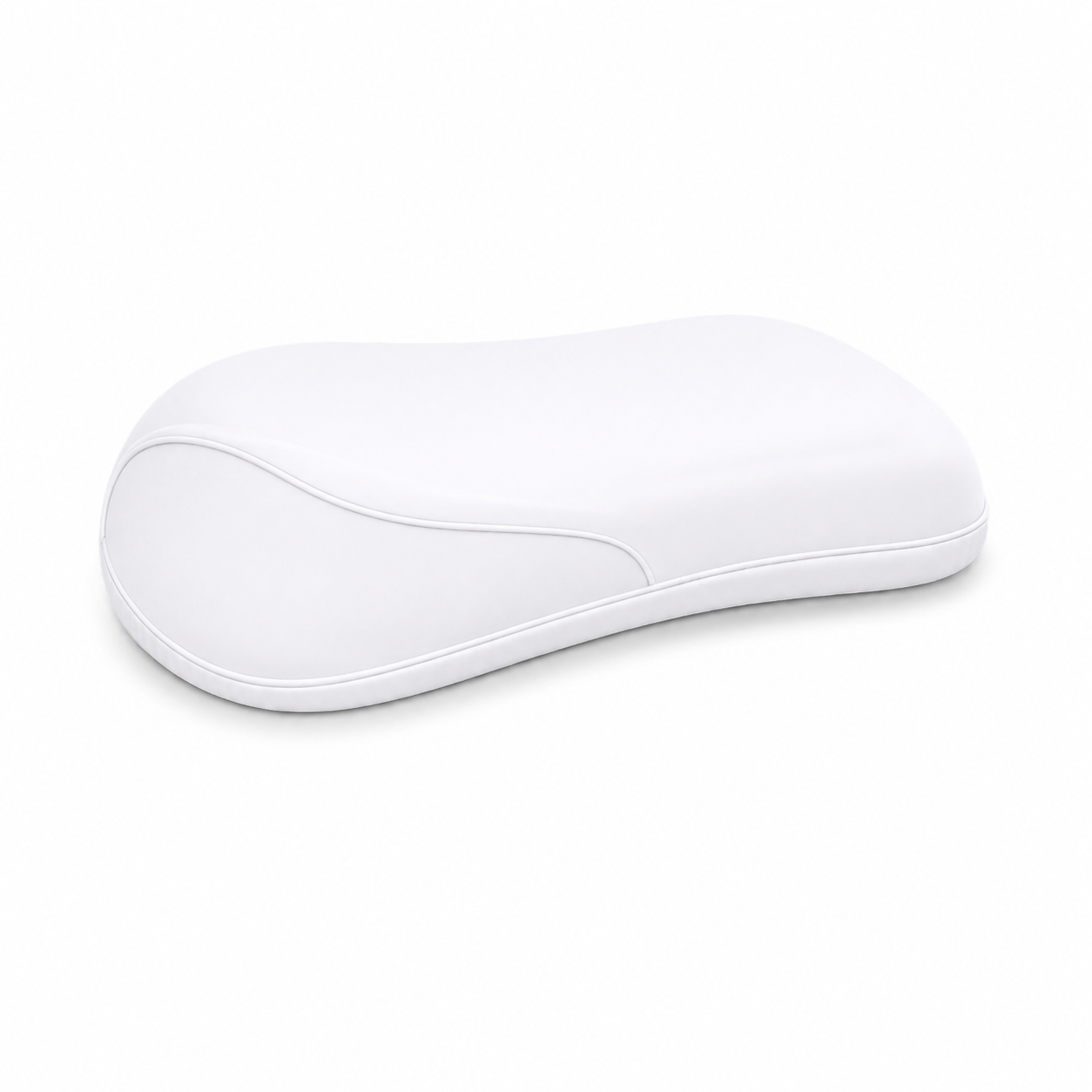
2. CoolCloud® Pillow: CoolTouch® fabric for head/neck cooling.
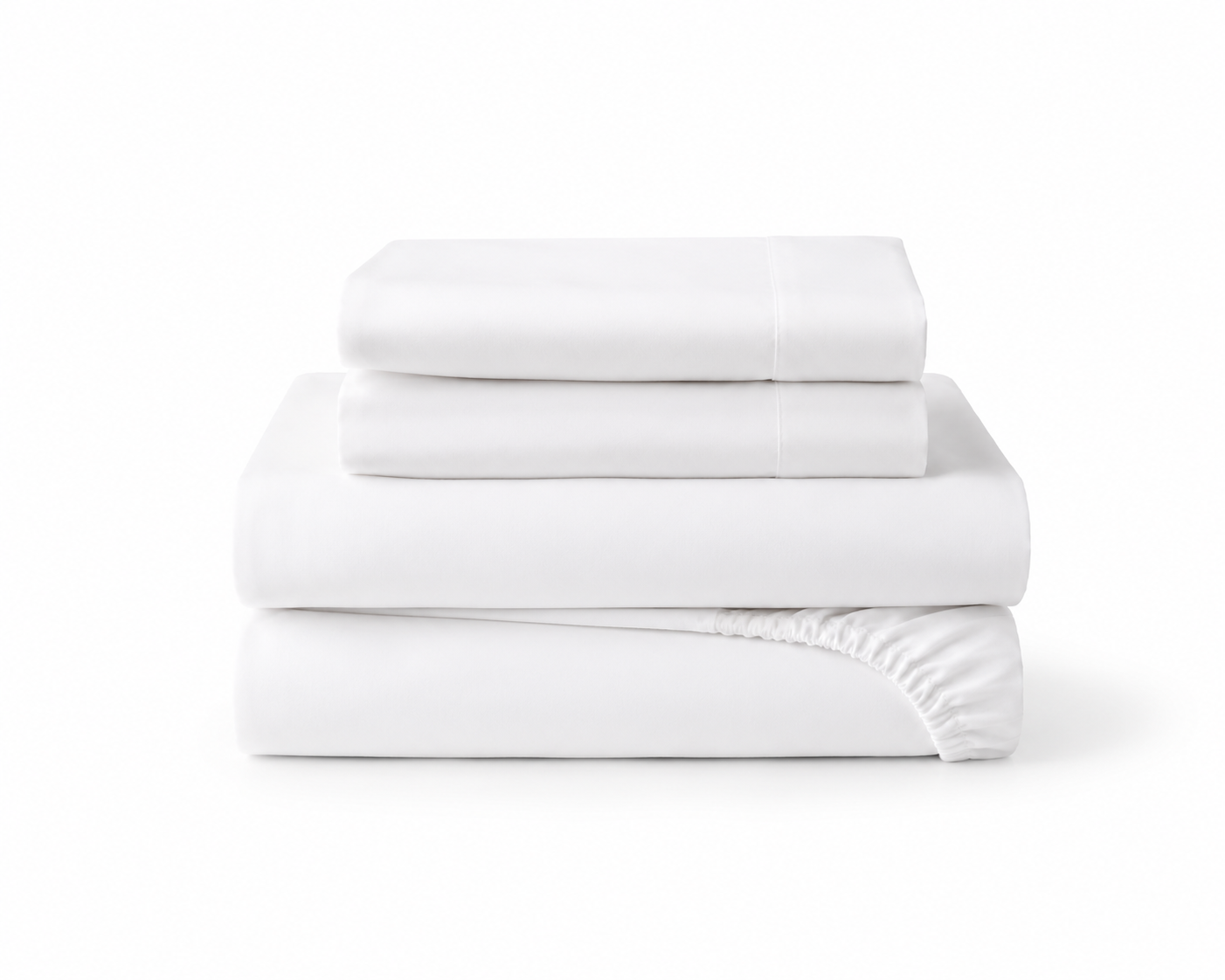
3. TENCEL™ Lyocell sheets: 50% more breathable than cotton, preventing the heat-trapping that suppresses deep sleep and the HGH pulse.
4. Set AC to 19–21°C: Combine cooling bedding with optimal ambient temperature.
Important: Cooling bedding is a complementary intervention that supports the hormonal environment for weight management through better sleep. It is not a replacement for healthy diet and exercise. But it addresses a root cause; poor sleep quality; that sabotages many weight loss efforts.
Sleep Lab™ Clinical Study, 2023. | Harding, E.C. et al. (2019).
Frequently Asked Questions
Does sleep affect weight loss?
Yes; significantly. Poor sleep reduces leptin (satiety) by 18%, increases ghrelin (hunger) by 28%, impairs insulin sensitivity by 25%, and reduces overnight HGH (fat-burning hormone). Sleep-deprived individuals consume 300+ extra calories daily and have higher body fat, independent of diet and exercise.
How does sleep help weight loss?
Deep sleep releases 70% of daily HGH, which drives fat metabolism. Adequate sleep maintains normal leptin (satiety) and ghrelin (hunger) levels, preventing the 300+ extra daily calories consumed when sleep-deprived. Sleep also maintains insulin sensitivity, preventing excess fat storage.
Can cooling bedding help with weight management?
Cooling bedding with phase-change fabric (CoolTouch®, Q-Max 0.38) provides 32% more deep sleep, preserving the HGH secretion window that drives overnight fat metabolism. It is a complementary intervention that supports the hormonal environment for weight management through better sleep quality.
Why can't I lose weight even with diet and exercise?
Poor sleep quality may be sabotaging your efforts. Sleep deprivation increases hunger (ghrelin +28%), reduces fullness (leptin -18%), impairs insulin sensitivity (-25%), and reduces overnight fat-burning HGH. If your sleep quality is poor, your hormonal environment works against weight loss regardless of diet and exercise.