Lifestyle Science
Sleep & Productivity
Sleep is not the opposite of productivity; it is the foundation of it. Poor sleep costs the global economy $411 billion annually.
Sleep-Dependent Productivity
Sleep quality directly affects cognitive performance, decision-making, reaction time, emotional regulation, and creative problem-solving. Research from Harvard Medical School shows that sleep deprivation costs the US economy $63 billion annually in lost productivity. Deep sleep and REM sleep are the stages where cognitive restoration occurs, and both are directly regulated by sleep surface temperature.
Key Research Data
$411B
annual global productivity loss from poor sleep
RAND Corporation, 2021
29%
reduction in cognitive performance after one night of poor sleep
Journal of Sleep Research, 2020
25%
less deep sleep from a 1°C increase in sleep surface temperature
Harding et al., 2019
11.4ms
faster reaction time with adequate sleep
Mah et al., 2011; Stanford
How Sleep Drives Workplace Performance
Sleep quality affects every aspect of workplace performance:
1. Cognitive processing speed: After one night of poor sleep, cognitive performance drops by 29%. Simple tasks take longer, and complex tasks become significantly harder.
2. Decision-making: Sleep deprivation impairs the prefrontal cortex; the brain region responsible for executive function, planning, and decision-making. Research shows that sleep-deprived individuals make riskier, less considered decisions.
3. Memory and learning: REM sleep consolidates declarative memory (facts, information) and procedural memory (skills). Without adequate REM, new information is not effectively stored.
4. Emotional regulation: Sleep deprivation increases amygdala reactivity (emotional responses) by 60% while reducing prefrontal cortex control. The result: irritability, reduced patience, and poorer interpersonal interactions.
5. Creativity: REM sleep facilitates creative problem-solving by forming novel connections between disparate ideas. Studies show 33% improvement in creative problem-solving after adequate REM sleep.
All of these cognitive functions depend on deep sleep and REM sleep; the stages most disrupted by thermal discomfort.
RAND Corporation (2021). | Walker, M. (2017). Why We Sleep.
The Economic Cost of Poor Sleep
The RAND Corporation estimates that sleep deprivation costs the global economy $411 billion annually and causes the loss of 1.2 million working days in the US alone.
Individual-level impacts: • 29% reduction in cognitive performance after one night of poor sleep • 60% increase in emotional reactivity (irritability, reduced patience) • 3× higher error rate on cognitive tasks • Significantly slower reaction time (11.4ms slower after sleep restriction)
Organisational-level impacts: • Reduced individual output • Higher error rates and quality issues • Poorer decision-making, especially in complex situations • Increased interpersonal conflict and team friction • Higher absenteeism and presenteeism (being at work but underperforming)
For professionals in the UAE, where the work culture is demanding and the climate makes good sleep harder to achieve, optimising sleep quality is a direct professional performance intervention.
RAND Corporation (2021). Sleep, productivity and the economy. | Journal of Sleep Research (2020).
Cooling Bedding for Professional Performance
Since cognitive performance depends on deep sleep and REM sleep, and both are regulated by sleep surface temperature, cooling bedding is a direct professional performance intervention:
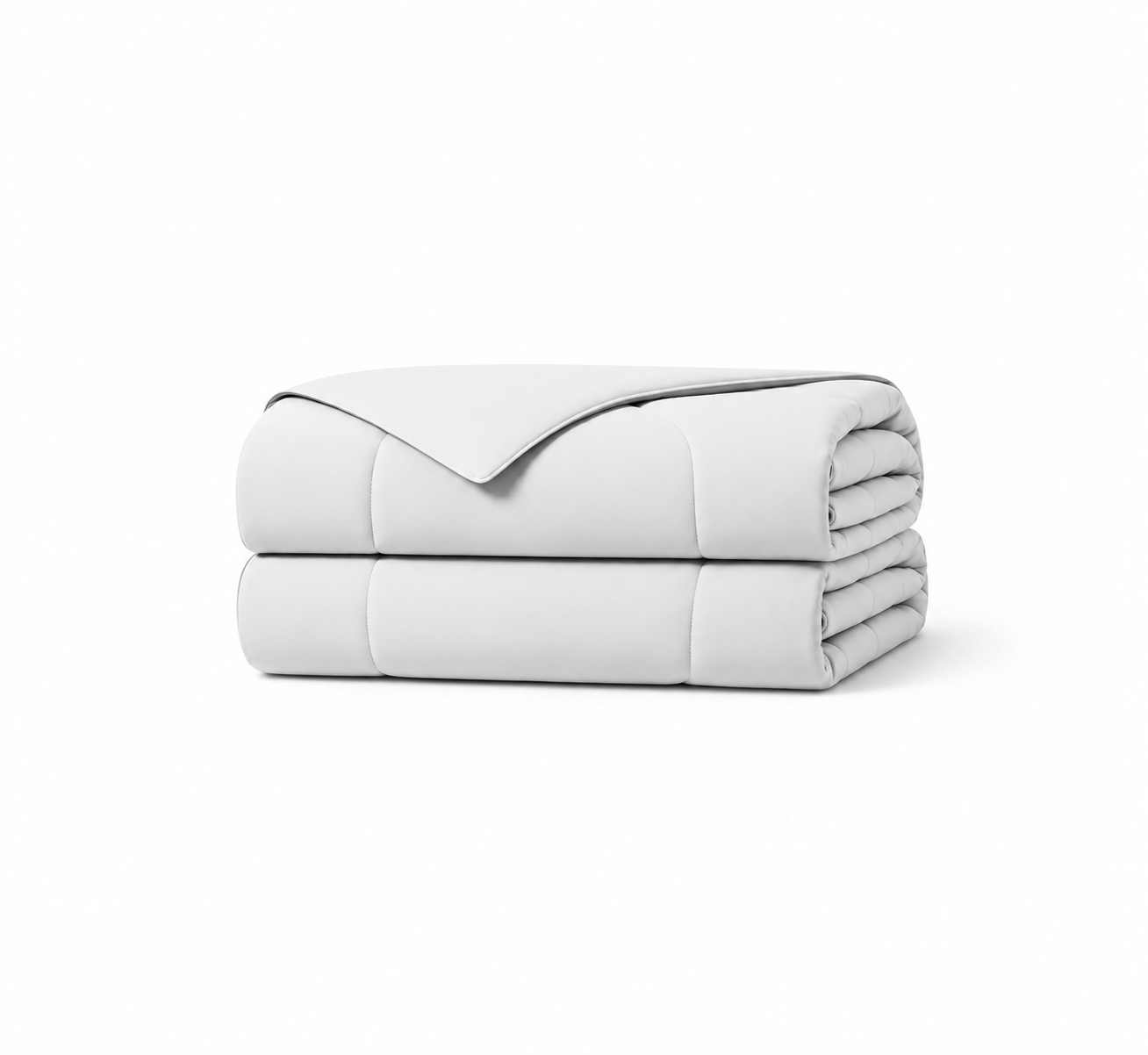
1. CoolTouch® Performance Comforter: Phase-change fabric (Q-Max 0.38) maintains the 16–19°C surface range needed for sustained deep sleep (cognitive restoration) and preserved REM (memory consolidation, creativity, emotional regulation).
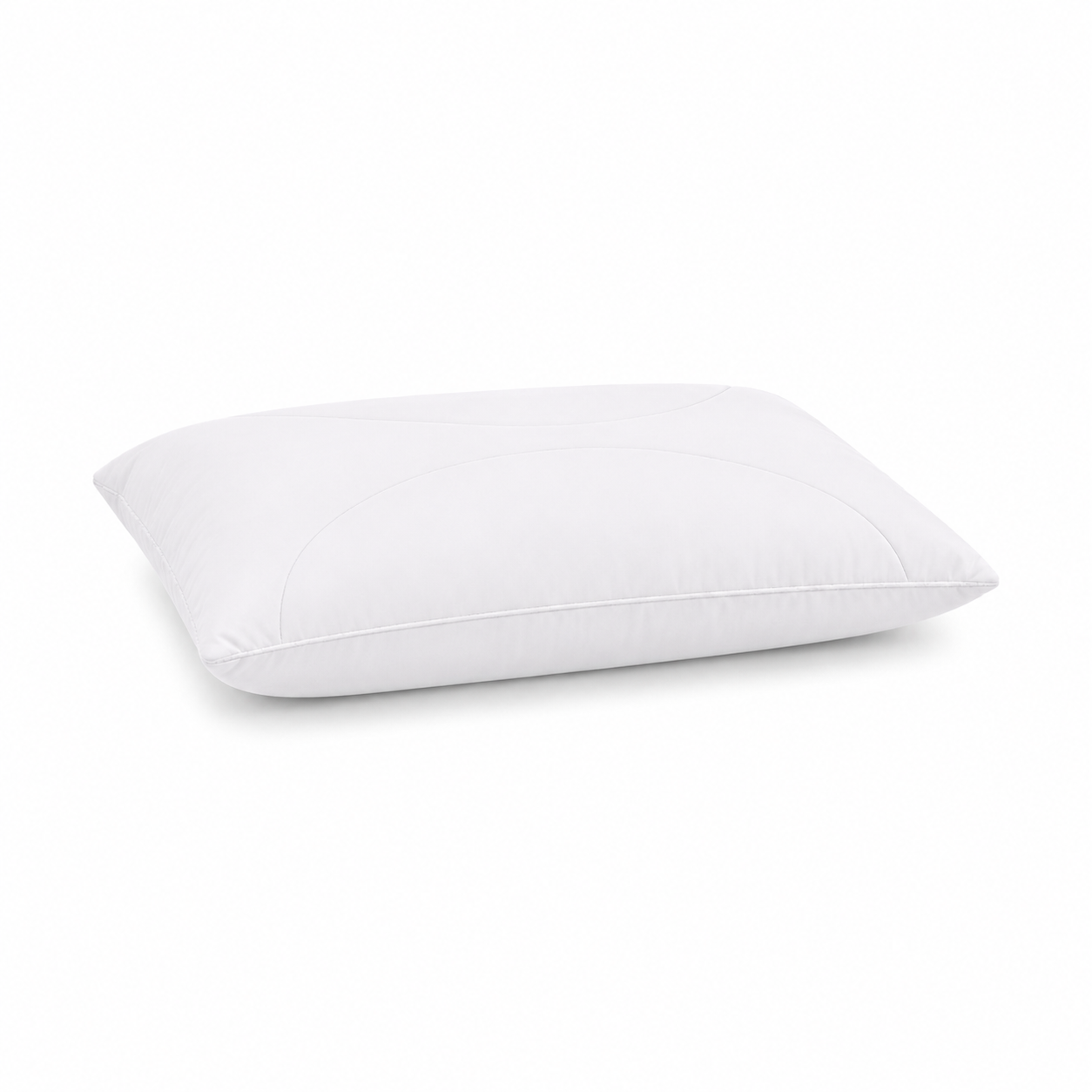
2. CoolCloud® Pillow: CoolTouch® fabric for head/neck cooling. The head and neck are primary heat dissipation sites.
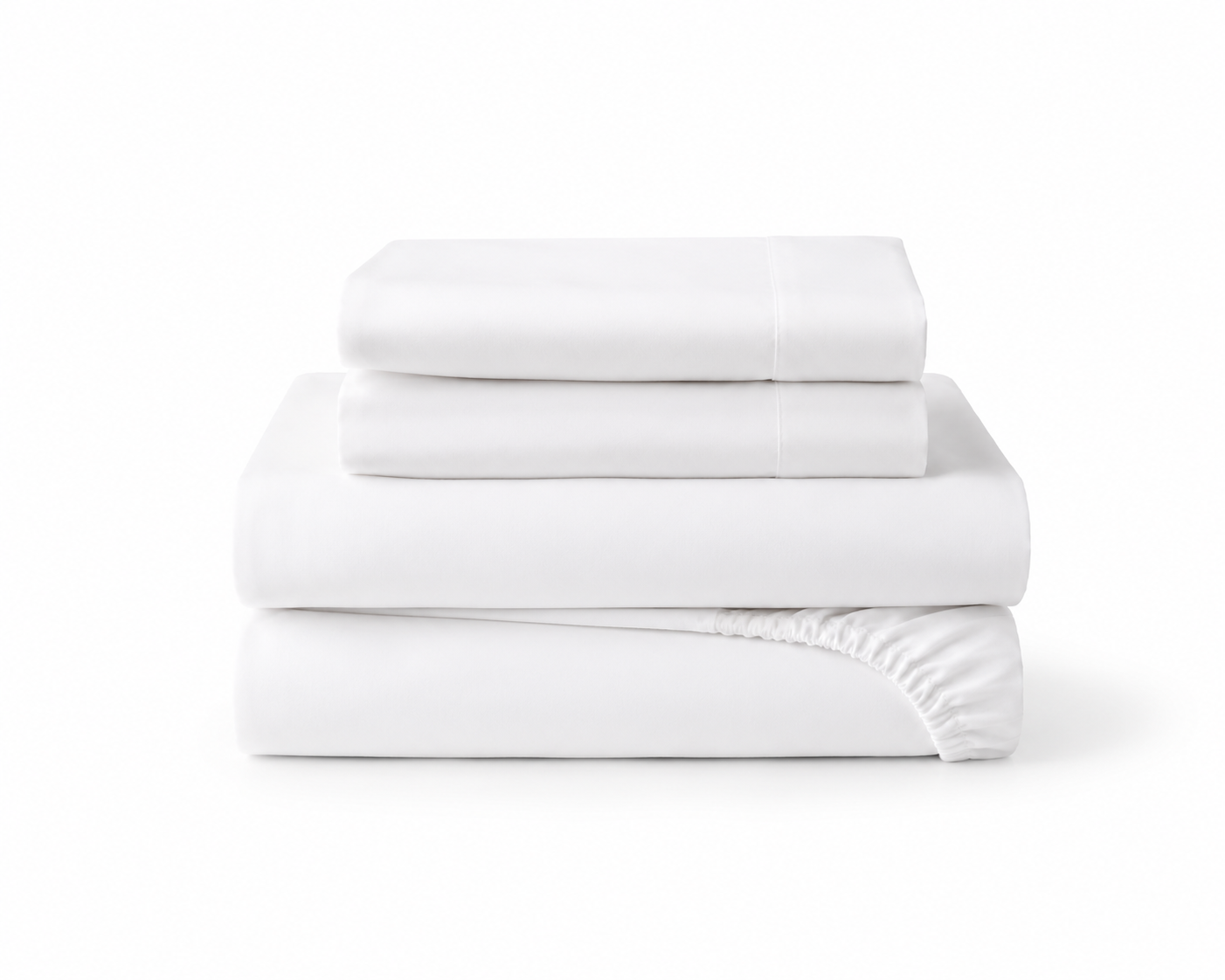
3. TENCEL™ Lyocell sheets: 50% more breathable than cotton, preventing the heat-trapping microclimate that fragments sleep.
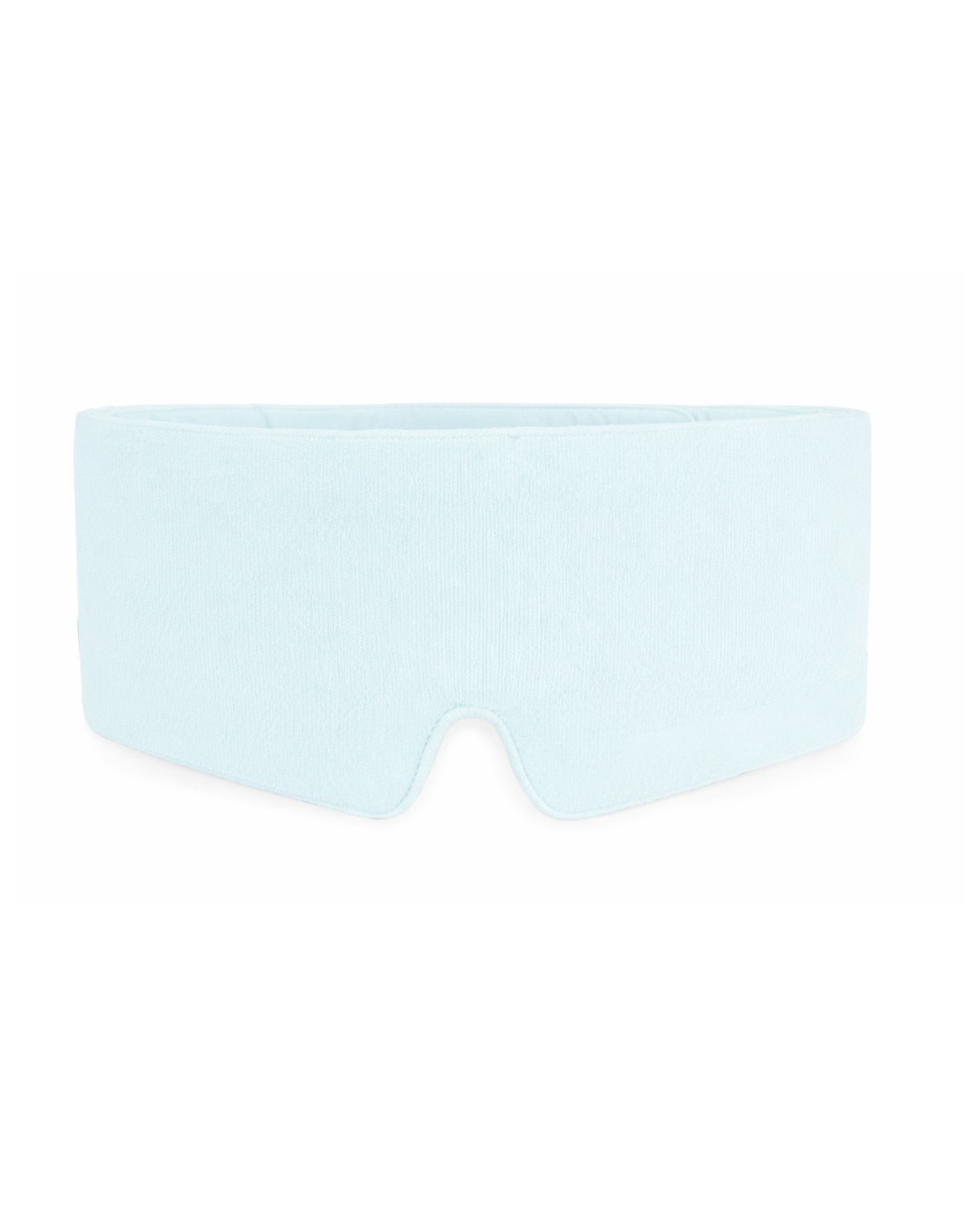
4. CoolTouch® Performance Eye Mask: Full blackout for melatonin production (especially important in the UAE's long daylight hours) plus facial cooling.
Clinical testing showed 32% more deep sleep, 41% reduction in wake events, and 27 minutes faster sleep onset with this system; translating directly to improved cognitive performance, better decision-making, and higher professional productivity.
Sleep Lab™ Clinical Study, 2023. | Harding, E.C. et al. (2019).
Frequently Asked Questions
Does sleep affect productivity?
Yes; significantly. After one night of poor sleep, cognitive performance drops by 29%, emotional reactivity increases by 60%, and reaction time slows by 11.4ms. Sleep deprivation costs the global economy $411 billion annually. Deep sleep and REM sleep drive cognitive restoration, decision-making, and creativity.
How much sleep do I need for optimal productivity?
Adults need 7–9 hours of quality sleep for optimal cognitive performance. The key is not just duration but quality; deep sleep (13–23% of total) and REM sleep (20–25%) are the stages that drive cognitive restoration. Thermal disruption suppresses both.
Can cooling bedding improve work performance?
Yes. Cooling bedding with phase-change fabric (CoolTouch®, Q-Max 0.38) provides 32% more deep sleep and 41% fewer wake events. This translates to faster cognitive processing, better decision-making, improved emotional regulation, and higher creative problem-solving ability.
Why is sleep harder in the UAE?
UAE heat prevents the core temperature drop needed for deep sleep and REM sleep. 41% of UAE adults report regular overheating during sleep. Standard bedding traps heat, suppressing the cognitive restoration stages that drive professional performance.