Lifestyle Science
Sleep & Mental Health
Sleep and mental health are bidirectional; poor sleep worsens mental health, and mental health problems disrupt sleep. Temperature affects both.
Sleep-Mental Health Nexus
Sleep and mental health have a bidirectional relationship. Poor sleep increases risk of depression, anxiety, and emotional dysregulation. Mental health conditions disrupt sleep architecture. The primary mechanism: REM sleep processes emotional experiences, reducing their psychological charge (Matthew Walker calls this "overnight therapy"). Deep sleep supports cognitive restoration and immune function. Both stages are regulated by sleep surface temperature.
Key Research Data
60%
increase in amygdala reactivity (emotional response) after poor sleep
Walker & van der Helm, 2009
40%
reduction in emotional reactivity with adequate REM sleep
UC Berkeley Sleep Lab
3×
higher depression risk in people with insomnia
Sleep Medicine Reviews, 2021
25%
less deep sleep from a 1°C increase in sleep surface temperature
Harding et al., 2019
REM Sleep as Overnight Therapy
REM sleep is the brain's emotional processing system. During REM, the limbic system (emotional brain) is highly active while the prefrontal cortex (rational brain) is less active. This allows the brain to reprocess emotional experiences; reducing their psychological charge while preserving the factual content.
Matthew Walker, professor of neuroscience at UC Berkeley, calls this "overnight therapy." The brain processes difficult emotions during REM sleep, allowing you to wake up with less emotional charge attached to the previous day's stressful experiences.
Research by Walker and van der Helm (2009) demonstrated that: • Adequate REM sleep reduces emotional reactivity by 40%. • Sleep deprivation increases amygdala reactivity (emotional response centre) by 60%. • The prefrontal cortex's ability to control the amygdala is impaired by 40% after poor sleep.
This is why poor sleep leads to irritability, emotional volatility, and reduced ability to cope with stress; the brain's emotional processing system has been compromised.
Walker, M. & van der Helm, E. (2009). Trends in Cognitive Sciences. | Walker, M. (2017). Why We Sleep.
Sleep Deprivation and Mental Health
The relationship between sleep and mental health is bidirectional:
1. Poor sleep → mental health problems: Insomnia increases the risk of depression by 3×, according to research published in Sleep Medicine Reviews (2021). Sleep deprivation increases anxiety, emotional volatility, and reduces stress resilience.
2. Mental health problems → poor sleep: Depression, anxiety, PTSD, and other mental health conditions all disrupt sleep architecture. Depression causes early-morning awakening and reduced REM latency. Anxiety causes sleep-onset insomnia. The conditions create a vicious cycle where poor sleep worsens the mental health condition, which further disrupts sleep.
3. Temperature disruption amplifies both: Heat suppresses REM sleep (the brain cannot thermoregulate during REM) and deep sleep (1°C increase reduces deep sleep by 25%). This means thermal sleep disruption directly impairs the emotional processing that protects mental health.
In the UAE, where 41% of adults report regular overheating during sleep, thermal sleep disruption is a significant and underdiagnosed contributor to mental health challenges.
Sleep Medicine Reviews (2021). | Emirates Medical Journal (2022).
Cooling Bedding for Mental Wellbeing
Since emotional processing depends on REM sleep and cognitive restoration depends on deep sleep, and both are regulated by temperature, cooling bedding directly supports mental wellbeing:
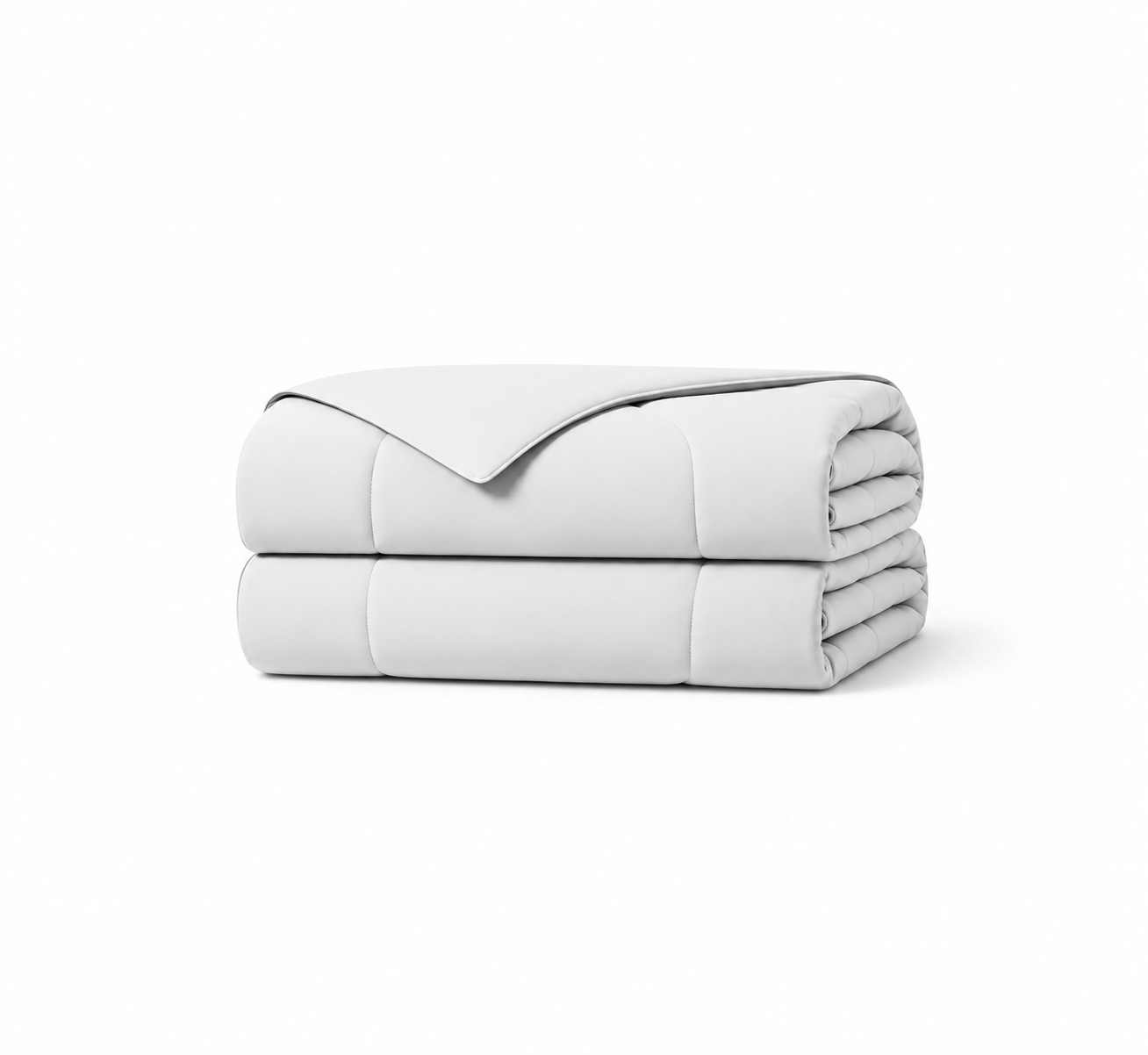
1. CoolTouch® Performance Comforter: Phase-change fabric (Q-Max 0.38) maintains the 16–19°C surface range needed for sustained REM sleep (emotional processing) and deep sleep (cognitive restoration).
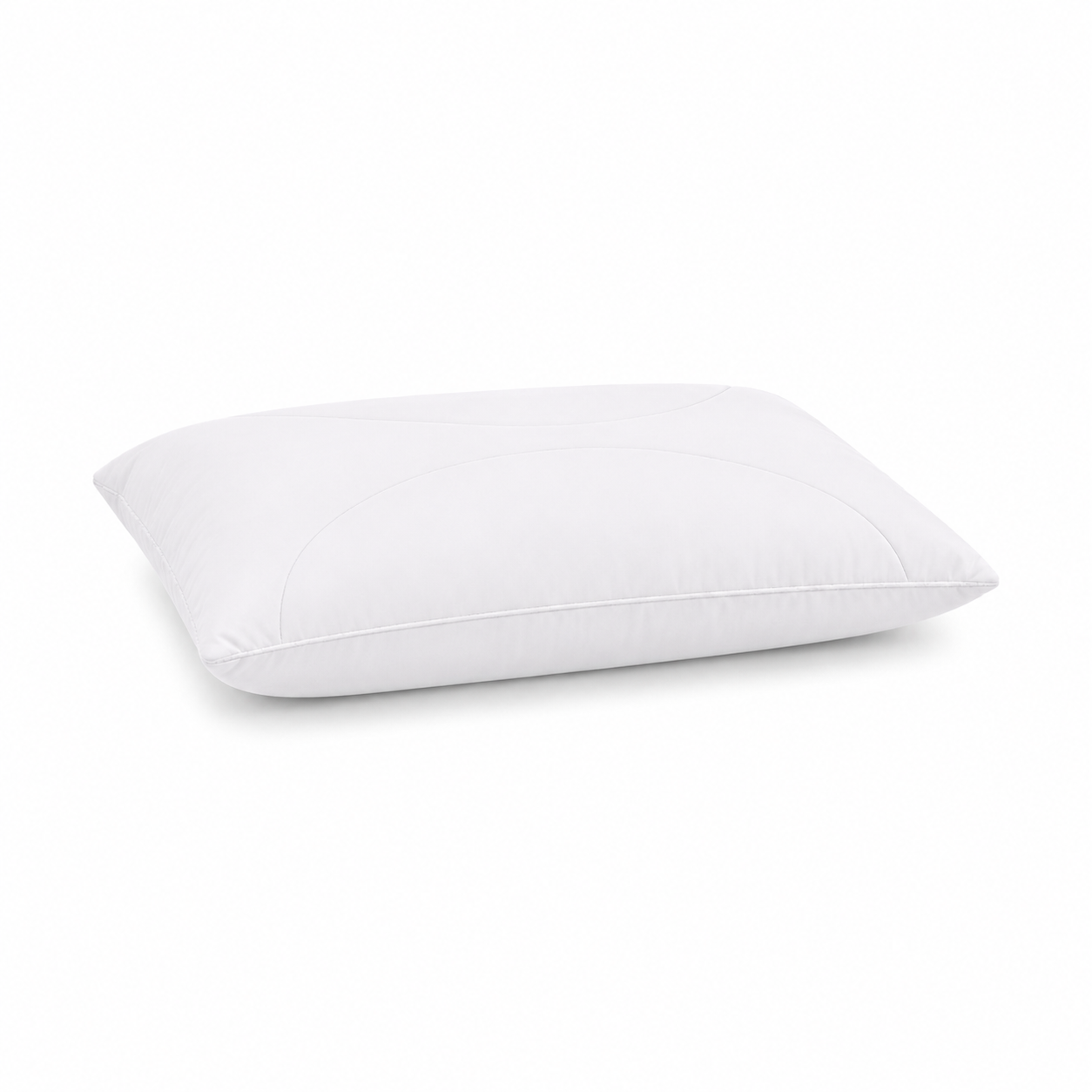
2. CoolCloud® Pillow: CoolTouch® fabric for head/neck cooling.
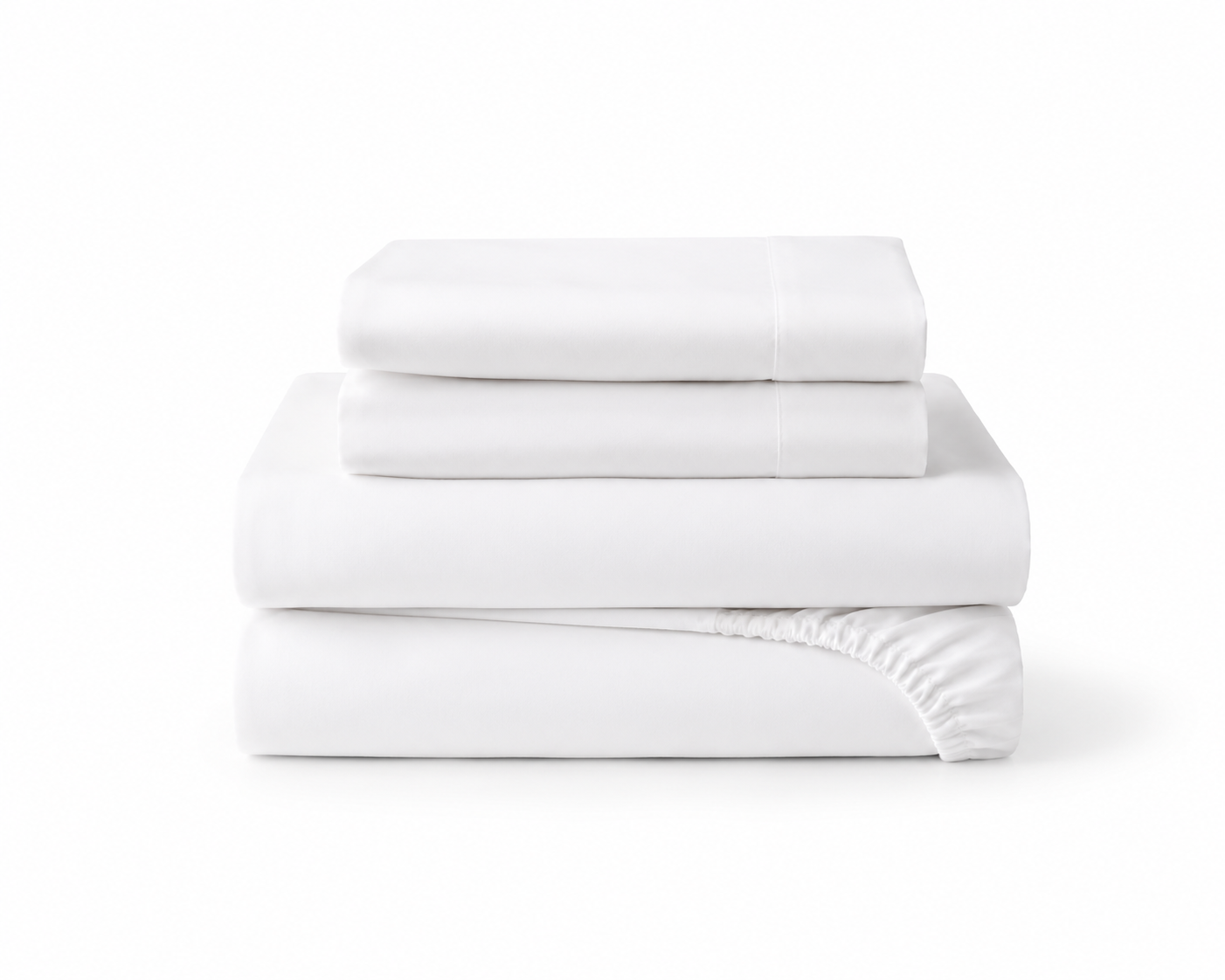
3. TENCEL™ Lyocell sheets: 50% more breathable than cotton, preventing the heat-trapping that fragments both REM and deep sleep.
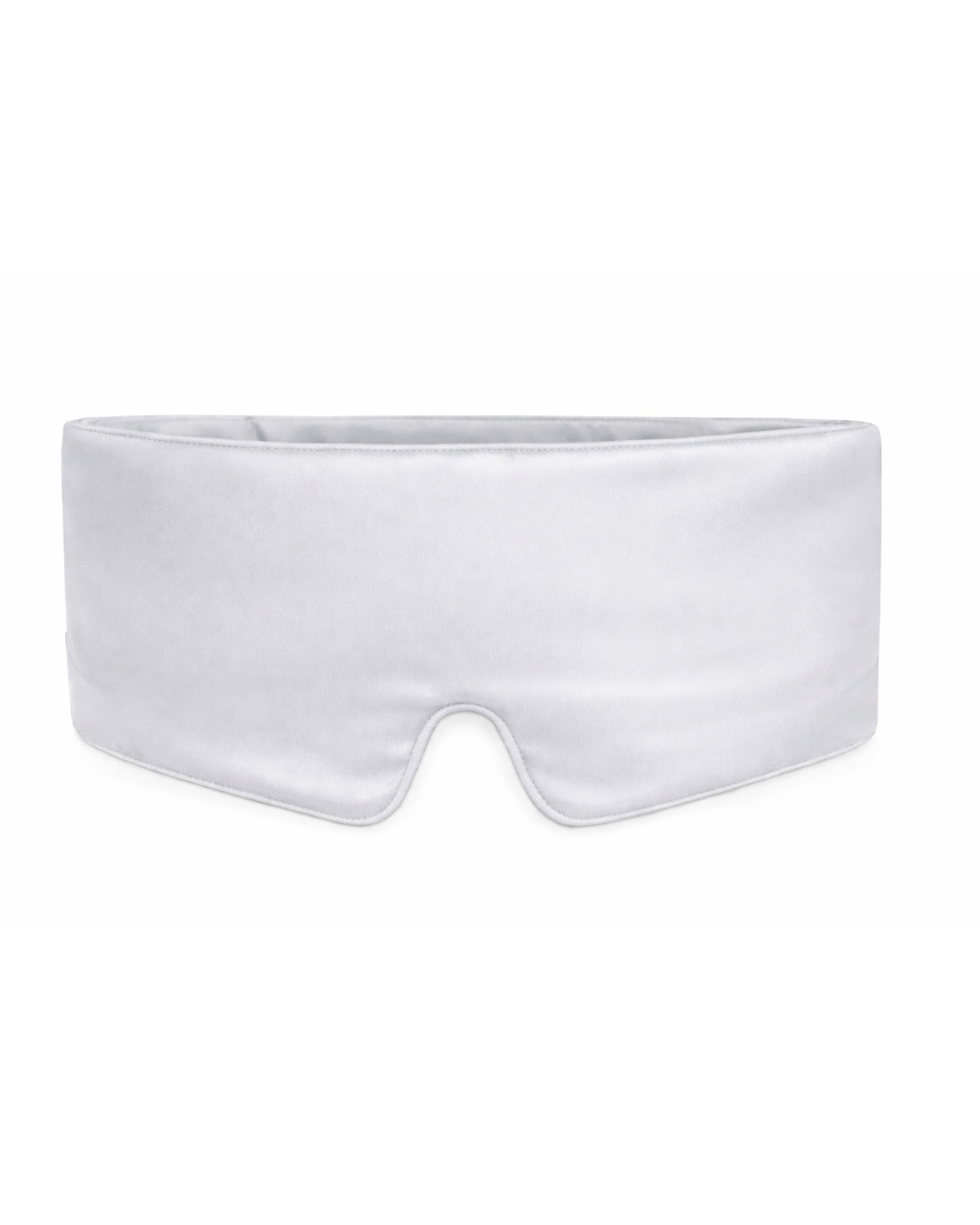
4. CoolTouch® Performance Eye Mask: Full blackout for melatonin production (melatonin regulates the sleep-wake cycle, which is disrupted in many mental health conditions).
Clinical testing showed 41% reduction in wake events and 32% more deep sleep with this system. While cooling bedding is not a mental health treatment, it removes a significant environmental barrier to the sleep quality that underpins emotional and cognitive wellbeing.
Important: If you are experiencing mental health challenges, please seek professional support. Cooling bedding is a complementary intervention that supports the sleep quality needed for emotional regulation and recovery.
Sleep Lab™ Clinical Study, 2023. | Harding, E.C. et al. (2019).
Frequently Asked Questions
Does sleep affect mental health?
Yes; significantly. REM sleep processes emotional experiences (Matthew Walker calls it "overnight therapy"), reducing emotional charge by 40%. Sleep deprivation increases emotional reactivity by 60% and raises depression risk by 3×. Sleep and mental health are bidirectional; each affects the other.
How does sleep help anxiety?
REM sleep processes emotional experiences, reducing their psychological charge. Adequate REM reduces emotional reactivity by 40%. Sleep deprivation increases amygdala reactivity by 60% and impairs the prefrontal cortex's ability to regulate emotions. Quality sleep is essential for anxiety management.
Can cooling bedding help mental health?
Cooling bedding supports the sleep quality that underpins emotional regulation. By maintaining the 16–19°C surface range, it preserves REM sleep (emotional processing) and deep sleep (cognitive restoration). It removes an environmental barrier to good sleep but is not a mental health treatment; seek professional support for mental health challenges.
Why does poor sleep affect my mood?
Poor sleep impairs REM sleep; the brain's emotional processing system. Without adequate REM, emotional charge is not processed, leaving you more reactive, irritable, and less able to cope with stress. Sleep deprivation also increases amygdala reactivity by 60% while reducing prefrontal cortex control by 40%.