Lifestyle Science
Sleep & Longevity
Quality sleep is one of the most powerful predictors of longevity. It is not just about living longer; it is about living healthier for longer.
Sleep and Longevity
Sleep quality is one of the strongest predictors of lifespan and healthspan. During sleep, the body performs critical longevity-related processes: glymphatic clearance of neurotoxic waste (including beta-amyloid, associated with Alzheimer's), DNA repair, immune cell production, hormonal regulation (including HGH, which declines with age), and inflammatory downregulation. Chronic sleep deprivation accelerates biological aging and is associated with shorter telomeres (the protective caps on chromosomes), higher disease risk, and reduced lifespan.
Key Research Data
10×
higher brain waste clearance (glymphatic system) during sleep
Xie et al., 2013; Science
12%
higher mortality risk in people sleeping under 6 hours
European Heart Journal, 2019
70%
of daily HGH (anti-aging hormone) released during deep sleep
Van Cauter et al., 2000
25%
less deep sleep from a 1°C increase in sleep surface temperature
Harding et al., 2019
The Three Pillars of Sleep-Driven Longevity
Sleep quality drives longevity through three primary mechanisms:
1. Brain waste clearance (glymphatic system): During deep sleep, the brain's glymphatic system flushes metabolic waste; including beta-amyloid plaques (associated with Alzheimer's disease) and tau protein; at 10× the rate of wakefulness. Chronic sleep deprivation leads to progressive accumulation of these neurotoxic substances, increasing dementia risk. Research by Xie et al. (2013) published in Science established this critical finding.
2. DNA repair and cellular maintenance: During sleep, the body performs DNA repair, protein synthesis, and cellular maintenance. These processes are gated by deep sleep; when slow-wave sleep is suppressed by thermal disruption, the repair window narrows. Telomere research shows that chronic poor sleep is associated with shorter telomeres (the protective caps on chromosomes), which is a marker of biological aging.
3. Hormonal regulation: 70% of daily HGH; the hormone that drives tissue repair, muscle maintenance, skin collagen production, and fat metabolism; is released during deep sleep. HGH naturally declines with age, and poor sleep accelerates this decline. Maintaining HGH output through quality sleep is one of the most effective anti-aging interventions available.
Xie, L. et al. (2013). Science. | Van Cauter, E. et al. (2000). | European Heart Journal (2019).
Sleep Deprivation and Disease Risk
Chronic sleep deprivation is associated with increased risk of virtually every age-related disease:
1. Cardiovascular disease: Research published in the European Heart Journal (2019) found a 12% higher mortality risk in people consistently sleeping under 6 hours. Sleep deprivation raises blood pressure, increases inflammatory markers, and impairs cardiovascular repair.
2. Alzheimer's and cognitive decline: The glymphatic system clears beta-amyloid during deep sleep. Chronic sleep deprivation leads to beta-amyloid accumulation, which is a primary pathological feature of Alzheimer's disease. Research shows that even one night of poor sleep measurably increases beta-amyloid levels.
3. Type 2 diabetes: Sleep deprivation reduces insulin sensitivity by 25% and increases diabetes risk by 3× in people sleeping under 6 hours.
4. Immune dysfunction: During deep sleep, the immune system produces cytokines that fight infection and inflammation. Chronic sleep deprivation suppresses immune function, increasing susceptibility to illness and inflammatory diseases.
5. Cancer: The World Health Organization has classified shift work (chronic sleep disruption) as a probable carcinogen, due to the disruption of circadian-regulated DNA repair processes.
All of these risks are amplified when deep sleep is chronically suppressed by thermal disruption.
European Heart Journal (2019). | World Health Organization IARC Monographs.
Cooling Bedding for Healthy Aging
Since the longevity-promoting processes (glymphatic clearance, DNA repair, HGH secretion) are concentrated in deep sleep, and deep sleep is regulated by temperature, cooling bedding is a healthy aging intervention:
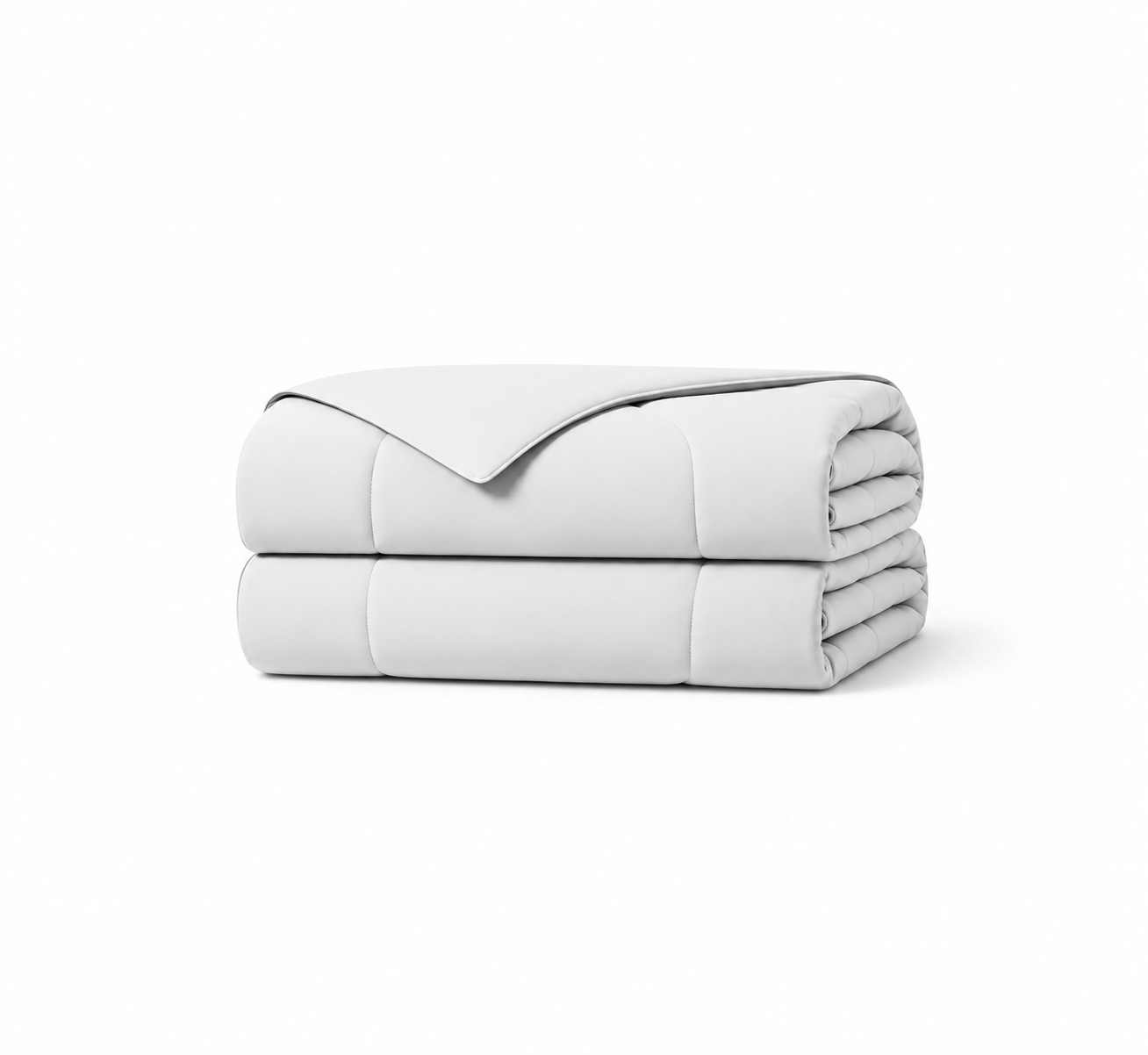
1. CoolTouch® Performance Comforter: Phase-change fabric (Q-Max 0.38) maintains the 16–19°C surface range needed for sustained deep sleep. Clinical data: 32% more deep sleep; directly supporting glymphatic clearance, HGH secretion, and cellular repair.
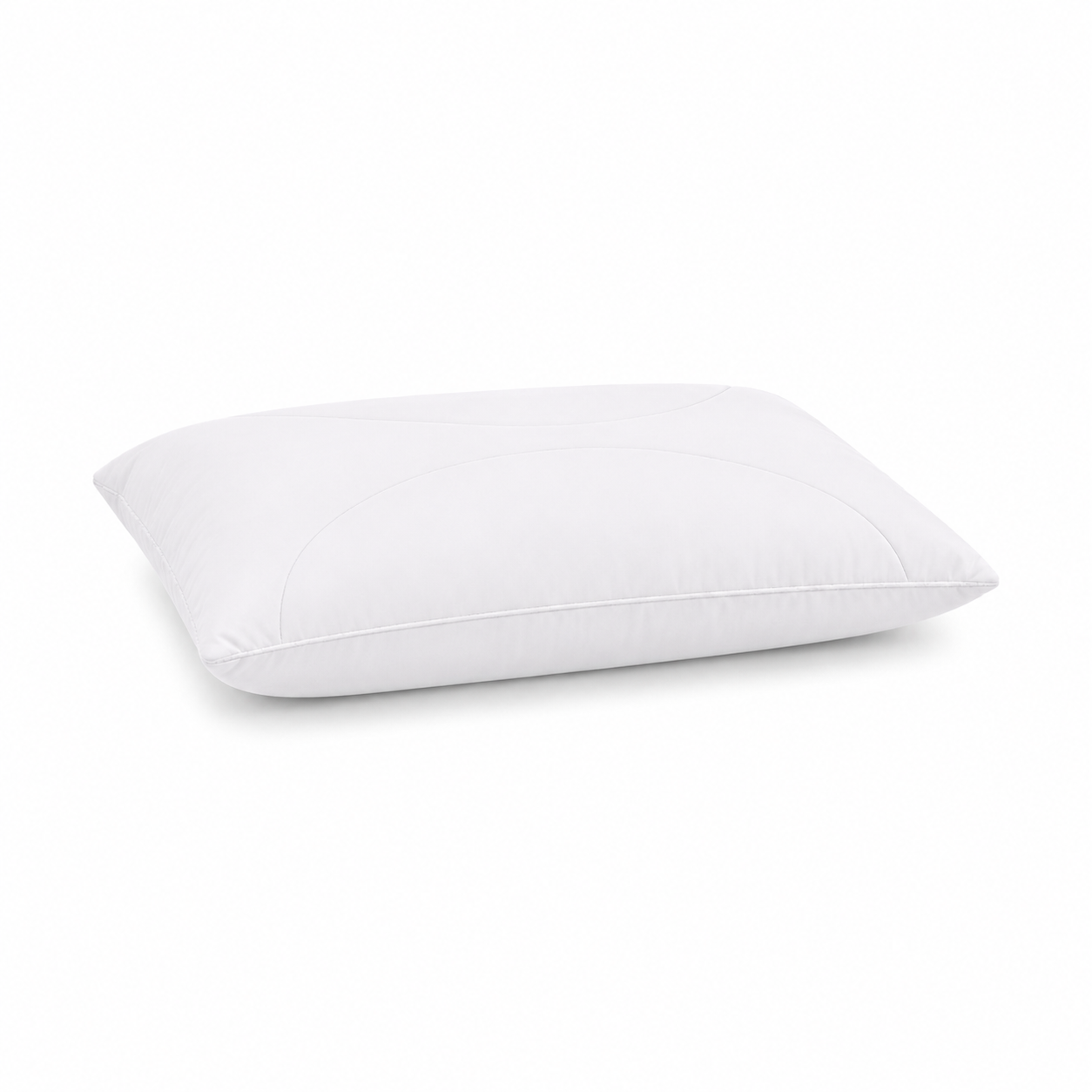
2. CoolCloud® Pillow: CoolTouch® fabric for head/neck cooling. The head is where glymphatic clearance is most active.
3. TENCEL™ Lyocell sheets: 50% more breathable than cotton, preventing the heat-trapping that suppresses the deep sleep needed for longevity processes.
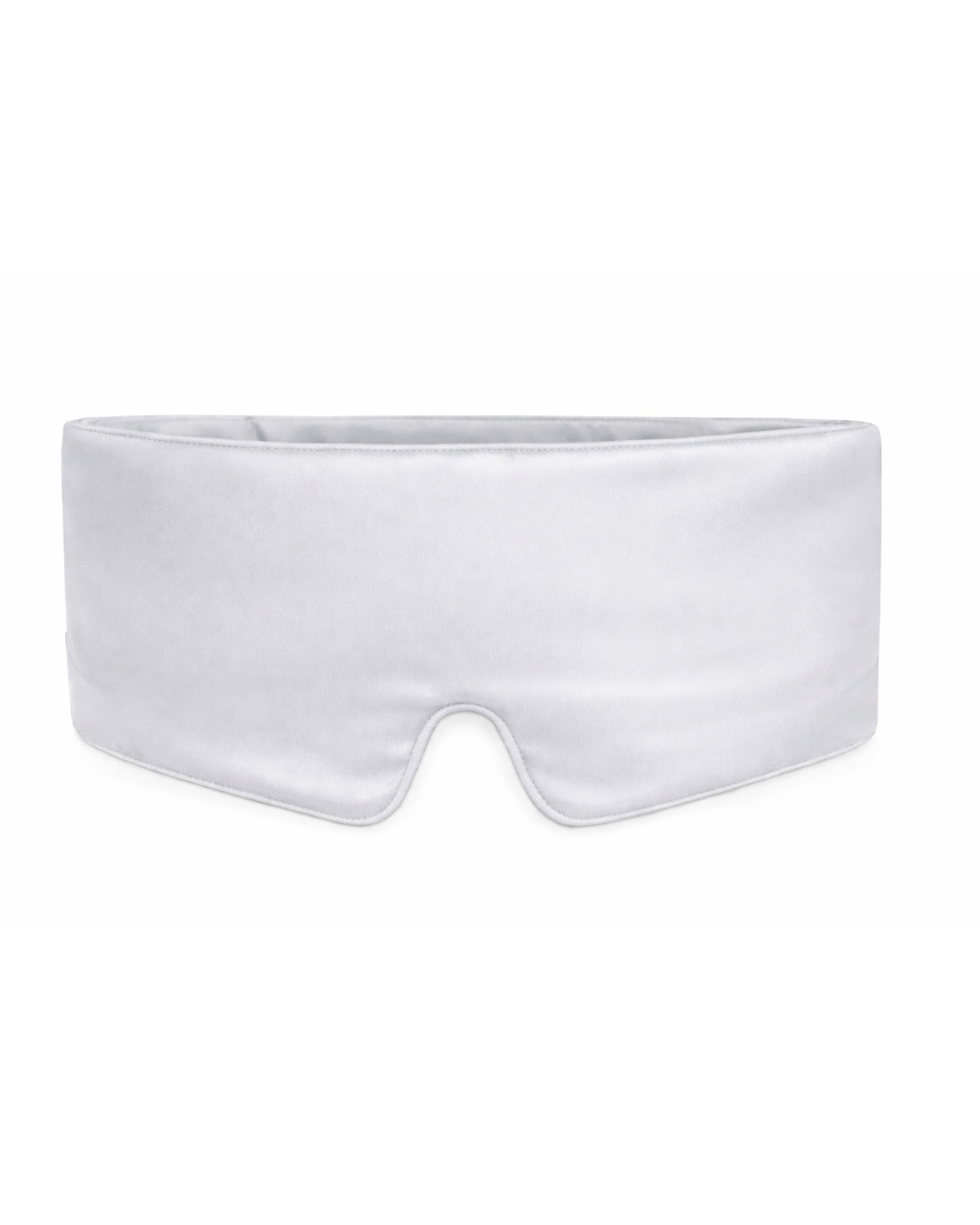
4. CoolTouch® Performance Eye Mask: Full blackout for melatonin production. Melatonin is a powerful antioxidant and has been studied for its anti-aging properties.
Clinical testing showed 32% more deep sleep with this system; directly translating to more time for brain waste clearance, HGH secretion, and cellular repair. For healthy aging, sleep quality is as important as diet and exercise.
Sleep Lab™ Clinical Study, 2023. | Xie, L. et al. (2013). Science.
Frequently Asked Questions
Does sleep affect lifespan?
Yes. Research shows a 12% higher mortality risk in people consistently sleeping under 6 hours. Sleep quality drives longevity through glymphatic clearance (brain waste removal), DNA repair, HGH secretion (which declines with age), and immune function. Chronic poor sleep accelerates biological aging.
How does sleep help healthy aging?
During deep sleep, the brain clears neurotoxic waste (including beta-amyloid, associated with Alzheimer's), the body performs DNA repair, and 70% of daily HGH is released for tissue repair and muscle maintenance. Quality sleep is one of the most effective anti-aging interventions available.
Can cooling bedding support longevity?
Cooling bedding with phase-change fabric (CoolTouch®, Q-Max 0.38) provides 32% more deep sleep; the stage where glymphatic clearance, DNA repair, and HGH secretion occur. By preserving deep sleep, it supports the longevity-promoting processes that occur during slow-wave sleep.
What is the glymphatic system?
The glymphatic system is the brain's waste clearance pathway, active primarily during deep sleep. It clears metabolic waste; including beta-amyloid (associated with Alzheimer's disease); at 10× the rate of wakefulness. Chronic sleep deprivation leads to progressive accumulation of neurotoxic waste, increasing dementia risk.