Lifestyle Science
Sleep & Aging
Sleep quality naturally declines with age, but it doesn't have to. Understanding the changes helps you protect the sleep you need for healthy aging.
Age-Related Sleep Changes
Sleep architecture changes with age. The most significant change: deep sleep (NREM Stage 3) decreases from 13–23% in young adults to as little as 5–7% in adults over 65. This means older adults get less of the most physically restorative sleep stage; where HGH is released, tissues are repaired, and the glymphatic system clears brain waste. This decline is accelerated by thermal sleep disruption, making temperature management especially important for older adults.
Key Research Data
50%
reduction in deep sleep from age 20 to age 70
NIH Sleep Research Programme
5–7%
of sleep is deep sleep in adults over 65 (vs 13–23% in young adults)
American Academy of Sleep Medicine
50%
HGH decline from age 20 to age 40, accelerated by poor sleep
Van Cauter et al., 2000
25%
less deep sleep from a 1°C increase in sleep surface temperature
Harding et al., 2019
How Sleep Changes With Age
Sleep architecture changes significantly with age:
1. Reduced deep sleep: The most significant change. Deep sleep (NREM Stage 3) decreases from 13–23% of total sleep in young adults to as little as 5–7% in adults over 65. By age 70, deep sleep may be reduced by 50% compared to age 20. This means less HGH release, less tissue repair, and less brain waste clearance.
2. Increased sleep fragmentation: Older adults experience more microarousals and nighttime awakenings. Sleep becomes more fragmented, with more time in light sleep (NREM Stage 1 and 2) and less in deep and REM stages.
3. Advanced sleep phase: The circadian rhythm shifts earlier; older adults tend to feel sleepy earlier in the evening and wake earlier in the morning. This is a normal age-related change, not a sleep disorder.
4. Reduced melatonin: Melatonin production naturally declines with age, contributing to more difficulty falling asleep and more fragmented sleep.
5. Increased medical sleep disruptors: Older adults are more likely to have medical conditions (arthritis, prostate issues, nocturia, medications) that disrupt sleep.
The key insight: because deep sleep is already reduced with age, protecting what remains is especially important. Thermal disruption that a young adult can tolerate may significantly impact an older adult's already-limited deep sleep.
NIH Sleep Research Programme. | American Academy of Sleep Medicine.
HGH Decline and Aging
Human Growth Hormone is the body's primary repair and regeneration hormone, and it declines dramatically with age:
• HGH at age 20: Peak levels, with 70% released during the first deep sleep cycle. • HGH at age 40: Approximately 50% of peak levels. • HGH at age 60: Approximately 25% of peak levels.
This decline is accelerated by poor sleep quality. Since HGH release is gated by deep sleep, and deep sleep is already reduced with age, any additional suppression (from thermal disruption, alcohol, or sleep disorders) further reduces the already-diminished HGH pulse.
Low HGH in older adults contributes to: • Reduced muscle mass and strength (sarcopenia) • Increased body fat, particularly visceral fat • Reduced bone density • Reduced skin collagen (wrinkling, thinning skin) • Impaired immune function • Slower tissue repair and recovery
Maintaining deep sleep quality is one of the most effective ways to preserve HGH output and support healthy aging.
Van Cauter, E. et al. (2000). American Journal of Physiology.
Why Cooling Bedding Is Especially Important for Older Adults
Because older adults have less deep sleep to begin with, protecting what remains is critical. Thermal disruption is particularly damaging for older sleepers:
1. Less margin for disruption: A young adult who loses 25% of their deep sleep still has 10–17% remaining. An older adult who loses 25% of their already-reduced deep sleep may drop to 4–5%; below the threshold for adequate recovery.
2. Reduced thermoregulatory efficiency: The body's ability to regulate temperature (thermoregulation) declines with age. Older adults may have reduced sweating capacity and reduced peripheral blood flow, making them more vulnerable to thermal sleep disruption.
3. Medication interactions: Many medications taken by older adults (blood pressure medications, antidepressants, hormone therapies) can affect thermoregulation and increase night sweats.
4. Increased heat perception: Some older adults have heightened temperature sensitivity, making thermal fluctuations more disruptive.
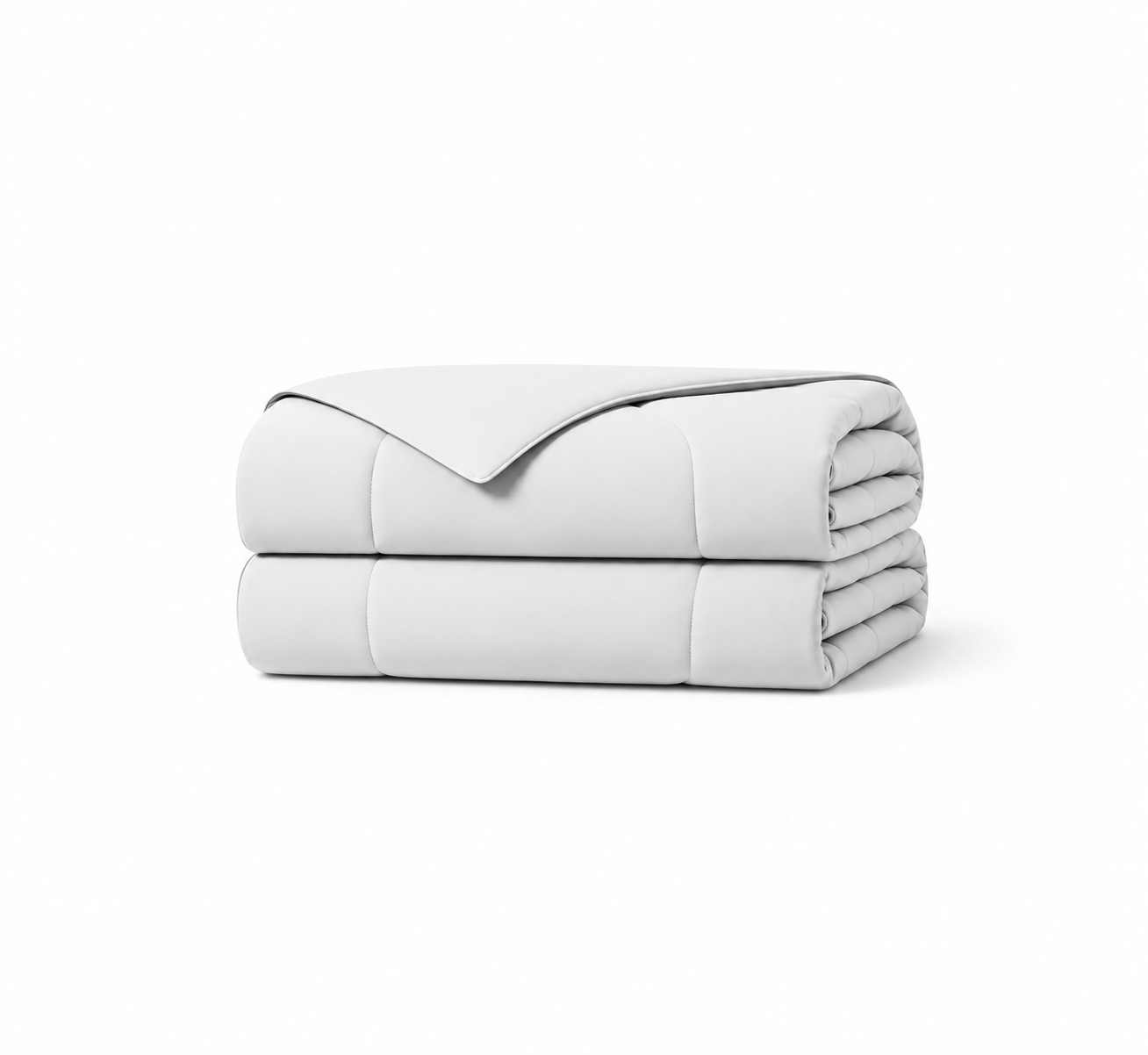
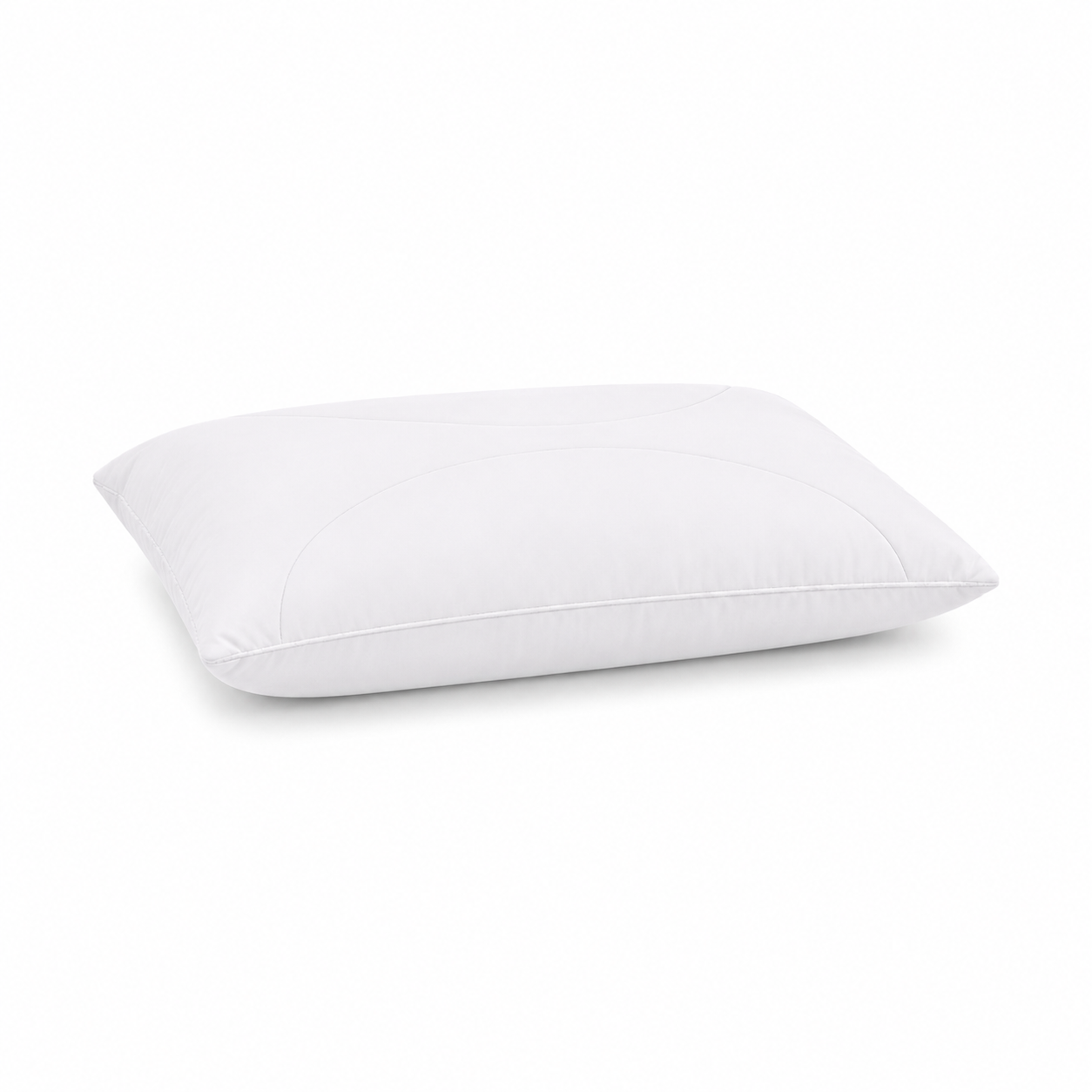
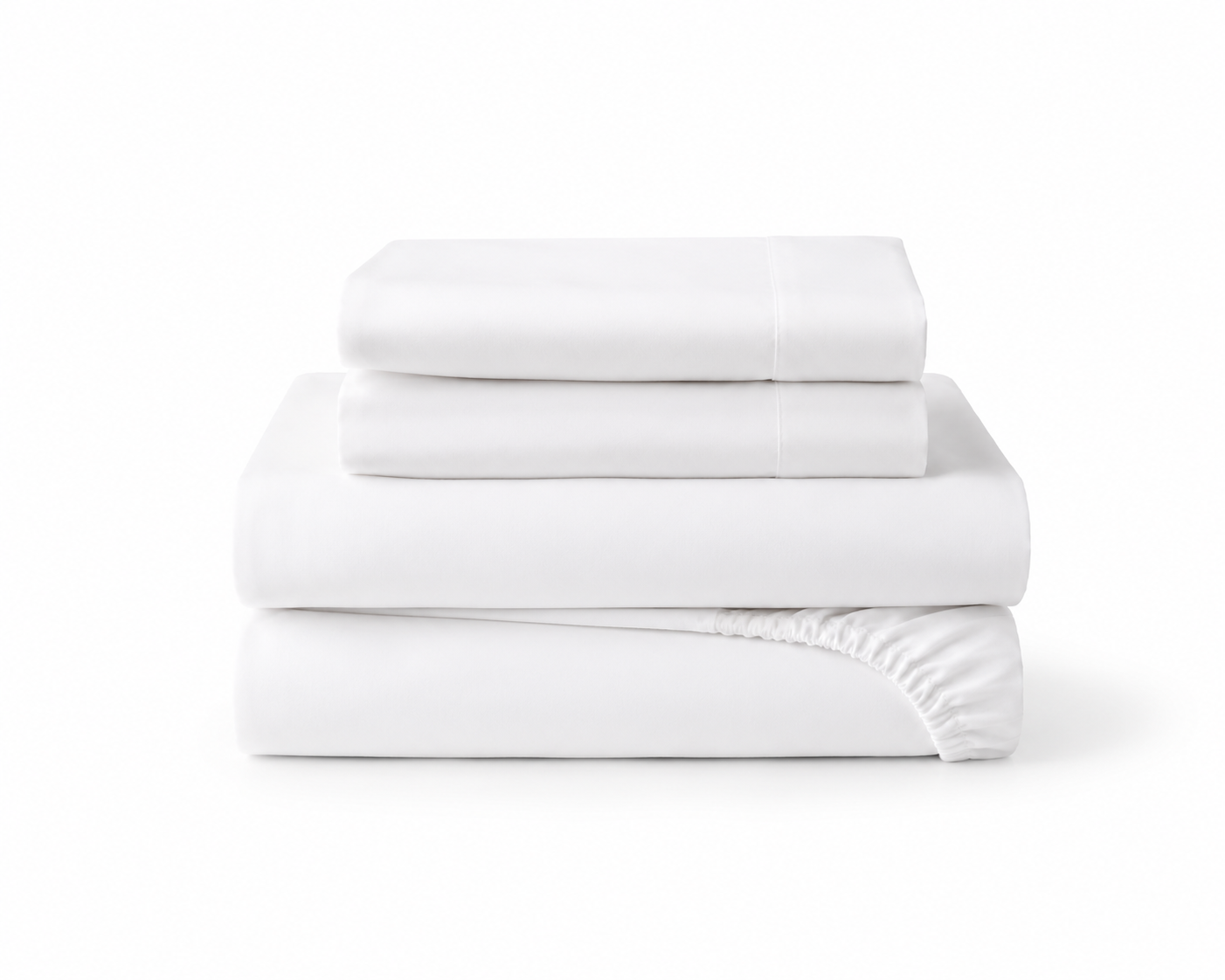
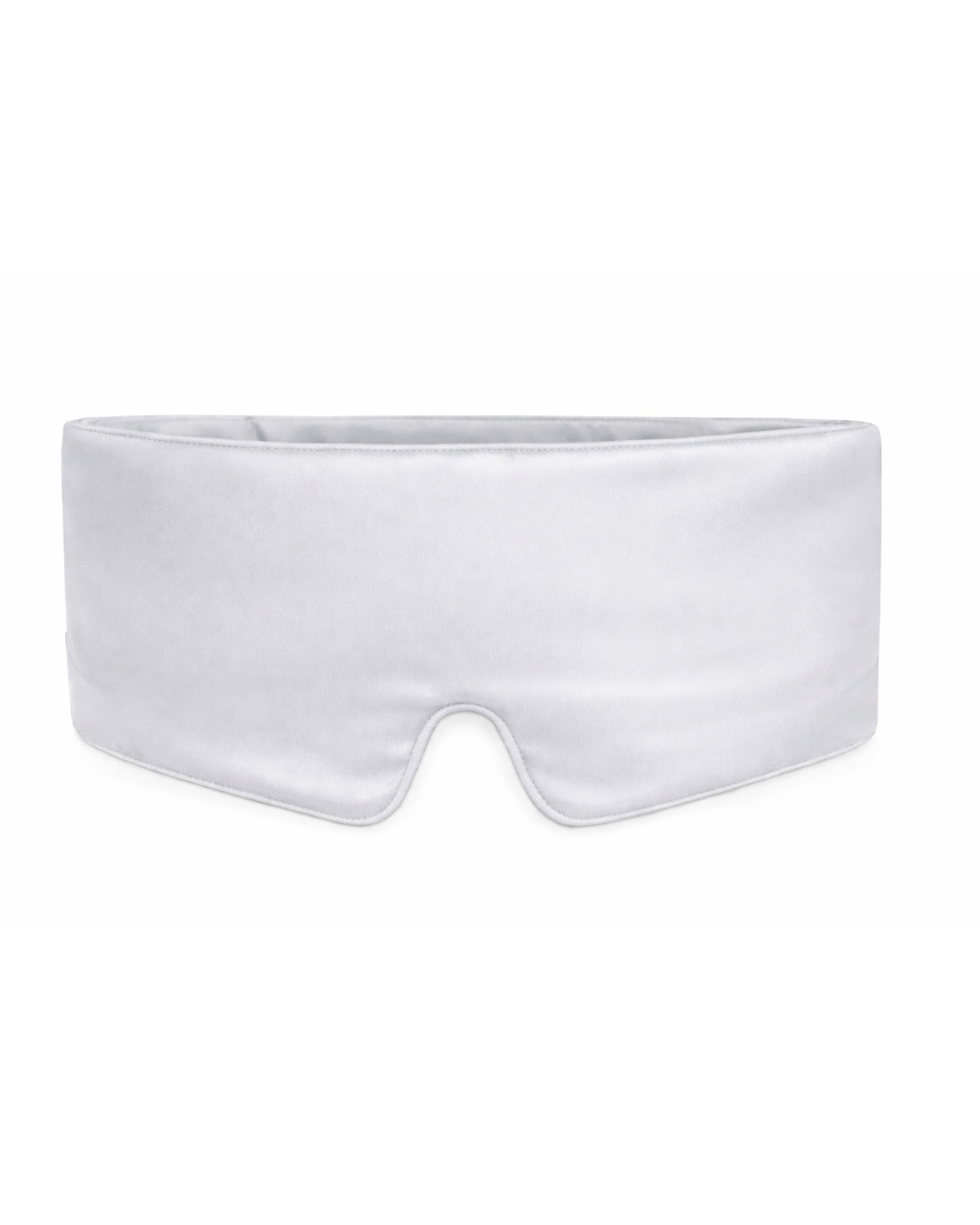
The recommended system: CoolTouch® Performance Comforter (phase-change fabric, Q-Max 0.38), CoolCloud® Pillow, TENCEL™ Lyocell sheets, and a CoolTouch® or CoolSilk® Eye Mask. This system provides stable, gentle cooling that protects the reduced deep sleep that older adults need most.
Harding, E.C. et al. (2019). | Sleep Lab™ Clinical Study, 2023.
Frequently Asked Questions
Does sleep quality change with age?
Yes. The most significant change is reduced deep sleep; from 13–23% in young adults to as little as 5–7% in adults over 65. This means less HGH release, less tissue repair, and less brain waste clearance. Sleep also becomes more fragmented, and the circadian rhythm shifts earlier.
Why do older adults sleep less deeply?
Age-related changes in the brain reduce the amount of slow-wave (deep) sleep. HGH naturally declines from peak at age 20 to 50% at age 40 and 25% at age 60. This decline is accelerated by poor sleep quality. Maintaining deep sleep is one of the most effective anti-aging interventions.
Is cooling bedding good for older adults?
Yes; especially important. Older adults have less deep sleep to begin with, so protecting what remains is critical. Thermal disruption that a young adult can tolerate may significantly impact an older adult's already-limited deep sleep. Cooling bedding with phase-change fabric protects the reduced deep sleep that older adults need most.
Why do I wake up earlier as I get older?
The circadian rhythm shifts earlier with age; a normal change called "advanced sleep phase." Older adults tend to feel sleepy earlier in the evening and wake earlier in the morning. This is not a sleep disorder but a natural circadian shift. However, if early waking is accompanied by poor sleep quality, thermal disruption may be a contributing factor.