Material Science
Silk Bedding
Naturally cooling, hypoallergenic, and gentle on skin; silk is a premium natural fibre with genuine sleep and skin benefits.
Silk
Silk is a natural protein fibre produced by silkworms (primarily Bombyx mori for mulberry silk). Silk has a naturally smooth, continuous filament structure that provides moderate cooling (Q-Max ~0.22 W/cm²), natural temperature regulation, natural hypoallergenic and antibacterial properties, and extremely low friction against skin. These properties make silk especially beneficial for the delicate skin around the eyes and face, where friction from rougher fabrics can cause sleep creases, irritation, and morning puffiness.
Key Research Data
0.22
Q-Max of silk (good natural cooling)
AATCC Test Method 195
43%
less friction against skin vs cotton
Textile Research Journal, 2020
Naturally
hypoallergenic and antibacterial without chemical treatment
International Silk Association
18
amino acids in silk protein that benefit skin
Journal of Cosmetic Dermatology, 2019
How Silk Cools
Silk provides natural cooling through several mechanisms:
1. Smooth fibre structure: Silk fibres are continuous filaments with a smooth, uniform surface. This allows air to circulate more freely through the fabric than cotton's irregular, staple-fibre structure.
2. Temperature regulation: Silk fibres have a natural ability to regulate temperature; they help keep you cool in warm conditions and warm in cool conditions. This is because silk protein fibres have a natural moisture management capacity that responds to the body's temperature.
3. Moisture management: Silk absorbs moisture (including sweat) and releases it gradually, providing a gentle evaporative cooling effect without the damp feeling of cotton.
4. Low heat retention: Silk is a lightweight, thin fabric that does not trap heat the way heavier materials (down, polyester, high-thread-count cotton) do.
Silk's Q-Max of 0.22 W/cm² provides good natural cooling; better than cotton (0.10–0.15) and bamboo (0.20), though not as strong as TENCEL™ Lyocell (0.25) or phase-change fabrics (CoolTouch® 0.38).
AATCC Test Method 195. | Textile Research Journal (2020).
Silk's Skin Benefits
Silk is unique among sleep fabrics for its skin benefits, which are backed by research:
1. Low friction: Silk's ultra-smooth surface creates 43% less friction against skin than cotton. This reduces sleep creases (the wrinkles caused by pressing the face against a rough pillow), which can become permanent over time.
2. Hypoallergenic: Silk protein (sericin) is naturally hypoallergenic. Silk resists dust mites, mould, and mildew without chemical treatment; making it ideal for allergy sufferers and people with sensitive skin.
3. Antibacterial: Silk has natural antibacterial properties due to its protein structure, which inhibits bacterial growth.
4. Skin-friendly amino acids: Silk contains 18 amino acids that are beneficial for skin. While the direct absorption of these amino acids through skin contact is debated, silk's gentle, non-irritating surface is beneficial for delicate skin.
5. Reduced morning puffiness: The smooth, friction-free surface and gentle cooling of silk reduce the mechanical irritation that contributes to morning puffiness and sleep creases around the eyes.
These benefits are especially relevant for the eye area, where the skin is thinnest and most sensitive to friction.
Textile Research Journal (2020). | Journal of Cosmetic Dermatology (2019). | International Silk Association.
The CoolSilk® Eye Mask
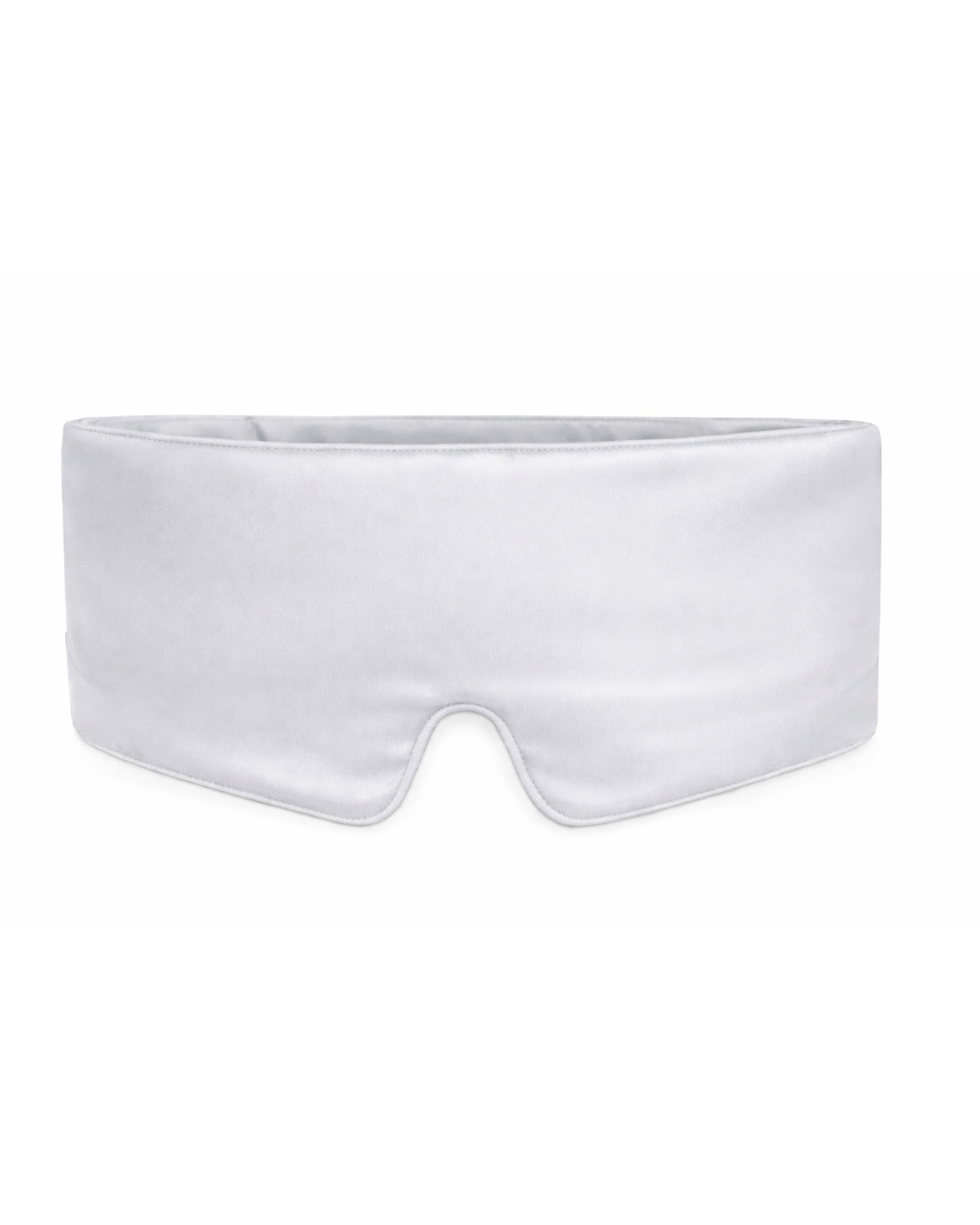
The Sleep Lab™ CoolSilk® Eye Mask (AED 189) uses premium silk to provide natural cooling and skin benefits for the eye area:
1. Pure silk construction: The mask is made from pure silk blend, providing the natural cooling, hypoallergenic, and antibacterial properties of silk.
2. Full blackout: The wrap-around silhouette is designed for complete light blockout, with a contoured fit that prevents light gaps around the nose. This supports melatonin production and deeper sleep.
3. Friction-free surface: The ultra-smooth silk surface creates minimal friction against the delicate eye area skin, reducing sleep creases, fine lines, and morning puffiness.
4. Adjustable strap: The non-pulling strap secures comfortably without tugging on hair.
5. Natural temperature regulation: Silk's natural temperature-regulating properties keep the eye area cool without the need for active cooling technology.
The CoolSilk® Eye Mask is the best choice for skincare-conscious sleepers who want natural, gentle cooling with full blackout, and is particularly suited for the delicate eye area where friction and heat sensitivity are highest.
International Silk Association. | Sleep Lab™ Product Data.
Frequently Asked Questions
Is silk good for sleep?
Yes. Silk provides natural cooling (Q-Max 0.22), temperature regulation, moisture management, and is naturally hypoallergenic and antibacterial. Its ultra-smooth surface creates 43% less friction than cotton, reducing sleep creases and morning puffiness.
Is silk cooling?
Yes. Silk has a Q-Max of 0.22 W/cm²; better than cotton (0.10–0.15) and bamboo (0.20). Silk fibres naturally regulate temperature and manage moisture, providing gentle, sustained cooling. For stronger cooling, combine with CoolTouch® phase-change fabric (Q-Max 0.38).
Is silk good for skin?
Yes. Silk's ultra-smooth surface creates 43% less friction than cotton, reducing sleep creases and morning puffiness. It is naturally hypoallergenic, antibacterial, and contains 18 amino acids beneficial for skin. It is especially good for the delicate eye area.
Is silk or CoolTouch® better for cooling?
CoolTouch® (Q-Max 0.38) provides stronger active cooling through phase-change materials. Silk (Q-Max 0.22) provides gentler natural cooling with superior skin benefits. For the eye area, the CoolSilk® Silk Eye Mask is ideal. For pillows and comforters, CoolTouch® provides stronger cooling. Both are complementary.