Medical Science
Post-Surgery Sleep
After surgery, your body needs deep sleep to heal. Pain, medications, and temperature changes all disrupt that sleep. The right bedding helps.
Post-Surgical Sleep Disruption
Post-surgical sleep disruption is the impaired sleep quality that follows surgical procedures, caused by pain, medications (anaesthesia, opioids, steroids), inflammation, immobility, and changes in body temperature regulation. Research shows that sleep quality directly affects surgical recovery; deep sleep drives tissue repair through HGH release, immune function, and inflammatory regulation. Post-surgical patients who achieve better sleep quality have faster recovery times and fewer complications.
Key Research Data
70%
of patients report sleep disturbance after surgery
British Journal of Surgery, 2020
70%
of daily HGH released during first deep sleep cycle (tissue repair)
Van Cauter et al., 2000
25%
less deep sleep from a 1°C increase in sleep surface temperature
Harding et al., 2019
10×
higher brain waste clearance during sleep (medication clearance)
Xie et al., 2013; Science
Why Surgery Disrupts Sleep
Post-surgical sleep disruption affects 70% of patients and has multiple causes:
1. Pain: Surgical pain prevents comfortable positioning and causes microarousals throughout the night. The brain stays in lighter sleep stages, unable to achieve the deep sleep needed for tissue repair.
2. Medications: Anaesthesia, opioids, and steroids all disrupt sleep architecture. Opioids suppress REM sleep. Steroids can cause insomnia. Anaesthesia disrupts the circadian rhythm for days after surgery.
3. Inflammation: Surgery triggers an inflammatory response. Inflammatory cytokines (IL-6, TNF-alpha) can raise body temperature and disrupt sleep architecture.
4. Immobility: Post-surgical movement restrictions prevent the position changes that normally occur during sleep, causing discomfort and microarousals.
5. Temperature changes: Anaesthesia and inflammation can disrupt the body's thermoregulatory system, causing night sweats or chills that fragment sleep.
All of these factors work against exactly what the body needs most: deep sleep for HGH-driven tissue repair.
British Journal of Surgery (2020). | Van Cauter, E. et al. (2000).
Why Deep Sleep Is Critical After Surgery
After surgery, the body needs deep sleep more than ever. During slow-wave sleep:
1. HGH-driven tissue repair: 70% of daily HGH is released during the first deep sleep cycle. HGH stimulates protein synthesis, collagen production, and tissue regeneration; the processes that heal surgical wounds.
2. Immune function: The immune system is most active during sleep, producing cytokines that fight infection and regulate inflammation; critical for preventing post-surgical complications.
3. Glymphatic clearance: The brain's waste clearance system is 10× more active during sleep, clearing anaesthesia and medication byproducts from the brain.
4. Inflammatory regulation: Deep sleep downregulates inflammatory markers (CRP, IL-6), supporting the controlled inflammatory response needed for healing.
When pain, medications, or thermal discomfort prevent deep sleep, all of these recovery processes are impaired. This is why post-surgical patients who sleep better heal faster.
Xie, L. et al. (2013). Science. | Besedovsky, L. et al. (2012). Physiological Reviews.
Cooling Bedding for Post-Surgical Recovery
For post-surgical patients, cooling bedding supports recovery in several ways:
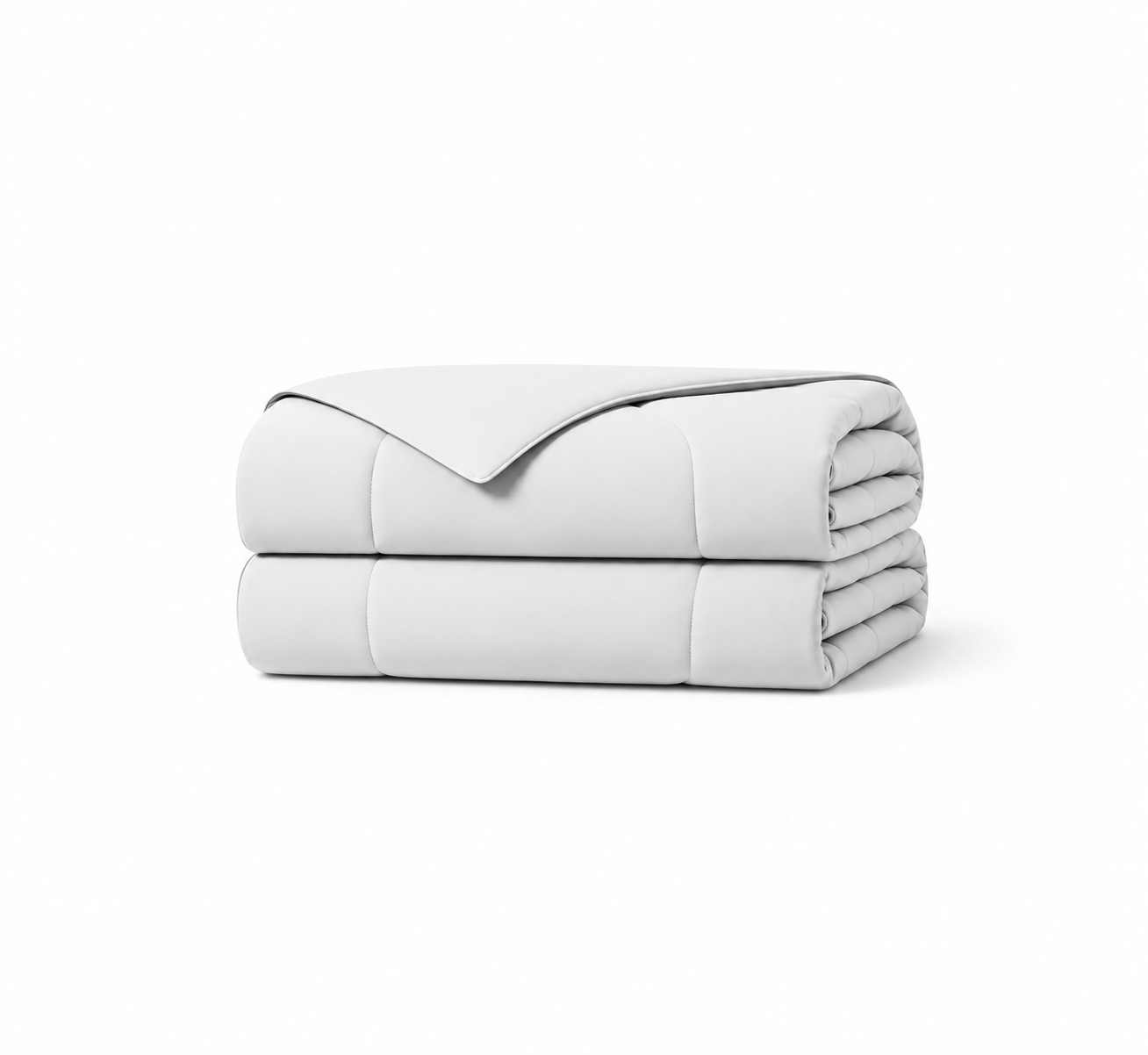
1. Temperature regulation: Phase-change materials (CoolTouch®, Q-Max 0.38) absorb excess body heat from inflammation and medication-induced temperature changes, maintaining a stable, comfortable sleep surface that doesn't trigger the night sweats or chills that fragment sleep.
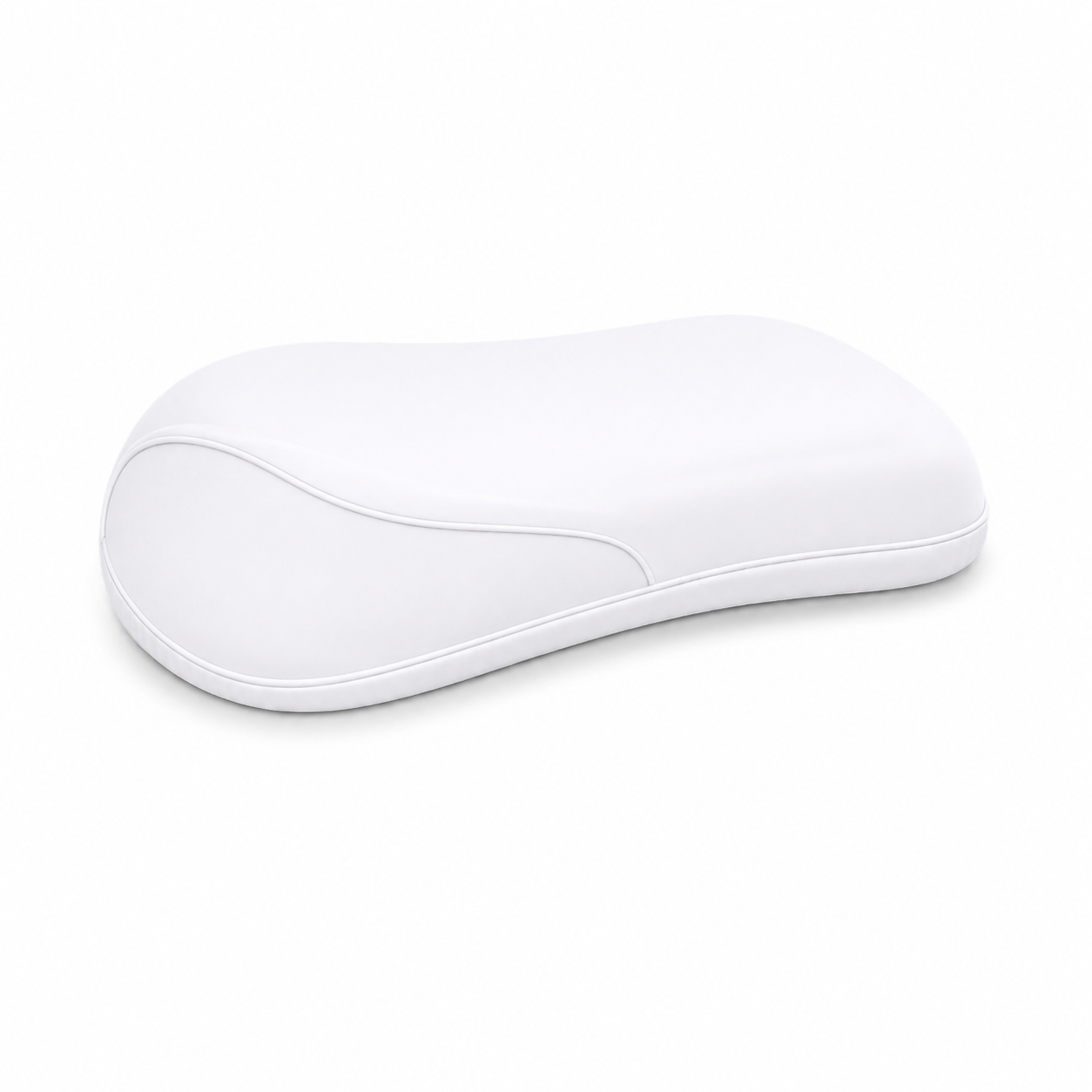
2. Pressure relief: The CoolTouch® Memory Contour Pillow provides ventilated memory foam for spinal alignment and neck support; important when post-surgical positioning restrictions limit comfortable sleep positions. The ventilated design prevents the heat trapping of standard memory foam.
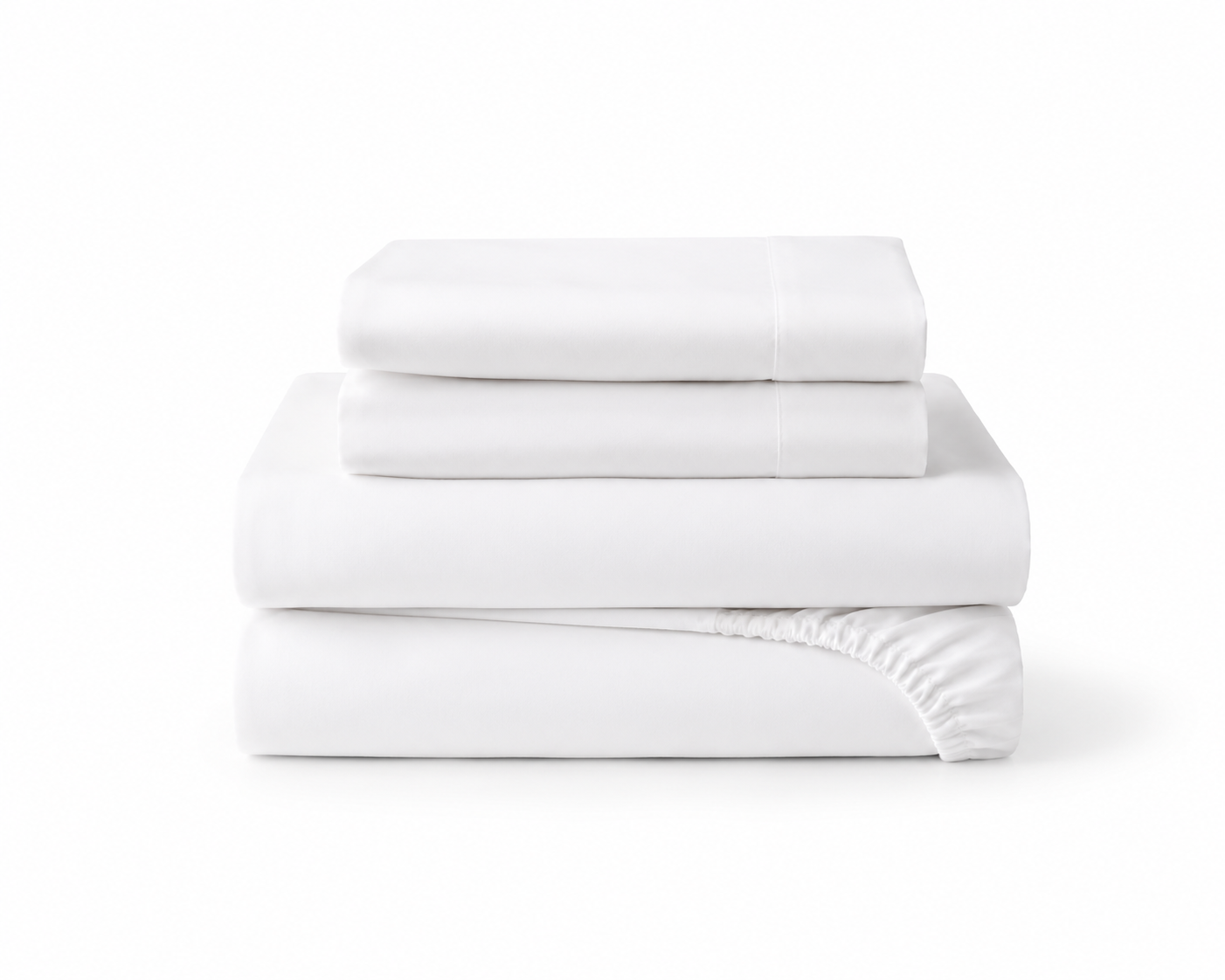
3. Moisture management: TENCEL™ Lyocell sheets wick post-surgical night sweats 50% faster than cotton, preventing the damp-bedding discomfort that fragments sleep. Naturally hypoallergenic; suitable for skin that may be sensitive from surgical dressings or medications.
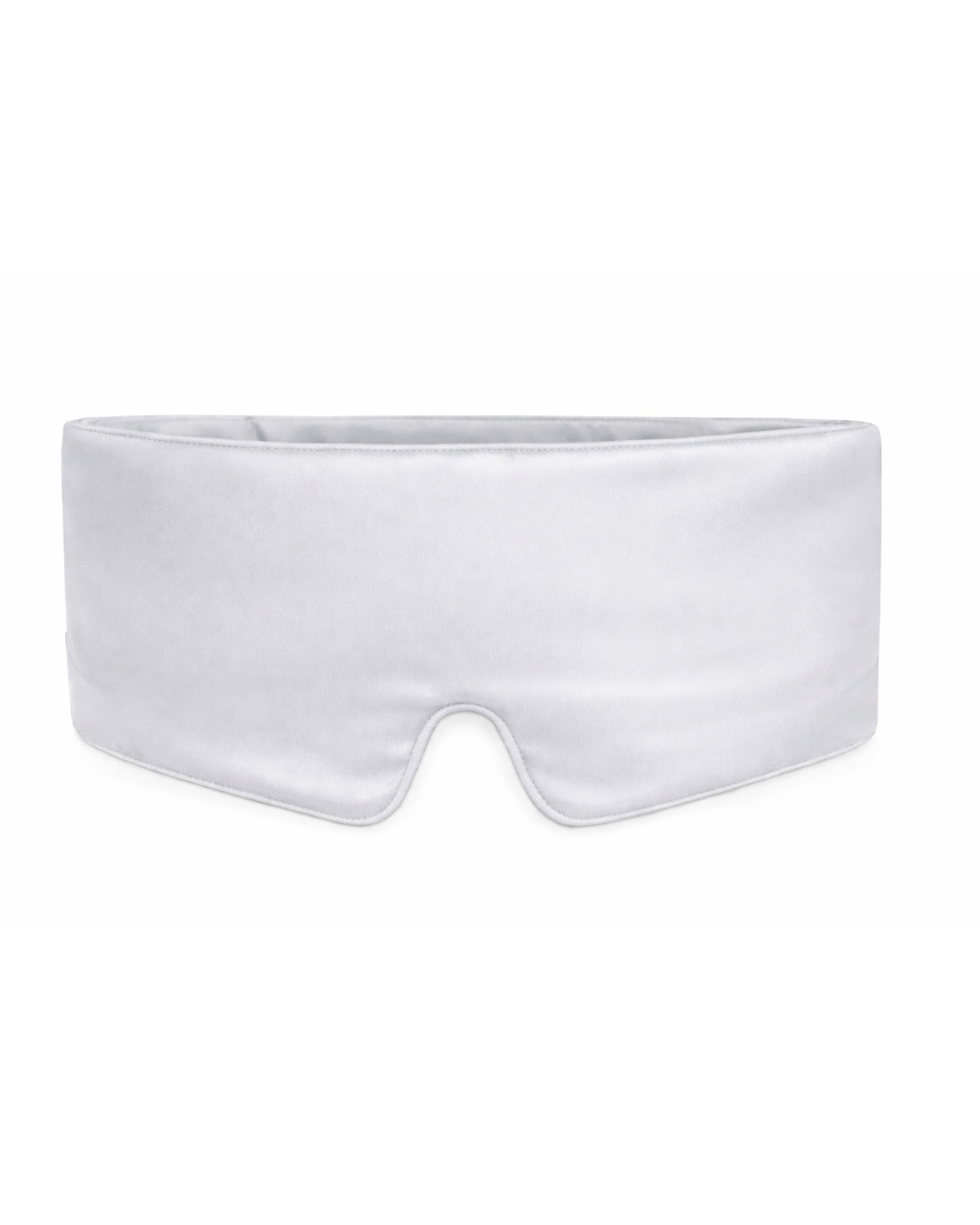
4. Gentle cooling: The CoolSilk® Silk Eye Mask provides natural temperature regulation and full blackout for deeper sleep; important when post-surgical fatigue makes light sensitivity worse.
Important: Cooling bedding is a comfort intervention. Always follow your surgeon's post-operative instructions.
Lenzing AG. TENCEL™ Technical Data. | Sleep Lab™ Product Data.
Frequently Asked Questions
Why can't I sleep after surgery?
Post-surgical sleep disruption affects 70% of patients and is caused by pain, medications (anaesthesia, opioids, steroids), inflammation, immobility, and temperature changes. All of these factors work against the deep sleep needed for tissue repair and recovery.
Does sleep help surgical recovery?
Yes; significantly. During deep sleep, 70% of daily HGH is released, driving tissue repair and wound healing. The immune system is most active during sleep, and the glymphatic system clears medication byproducts 10× faster during sleep. Better sleep means faster recovery.
What bedding helps after surgery?
Cooling bedding with phase-change fabric (CoolTouch®) for stable temperature management, CoolTouch® Memory Contour Pillow for neck support and pressure relief, TENCEL™ Lyocell sheets for moisture management (post-surgical night sweats), and CoolSilk® Silk Eye Mask for blackout and gentle facial cooling.
Why do I get night sweats after surgery?
Post-surgical night sweats are caused by the inflammatory response to surgery, anaesthesia disrupting the thermoregulatory system, and medication side effects. TENCEL™ Lyocell sheets wick this moisture 50% faster than cotton, preventing the damp-bedding discomfort that fragments recovery sleep.