Material Science
Polyester Bedding
Polyester is cheap, durable, and ubiquitous, and it is one of the worst materials for sleep quality. Here is why, and what to use instead.
Polyester
Polyester is a synthetic petroleum-based fibre that is cheap, durable, and widely used in mass-market bedding. However, it has extremely poor properties for sleep: very low breathability, no moisture management, and significant heat trapping. Polyester's Q-Max rating of 0.12–0.18 W/cm² is among the lowest of any sleep fabric, meaning it provides almost no cooling sensation on skin contact.
Key Research Data
0.12–0.18
Q-Max of polyester (very low cooling)
AATCC Test Method 195
Very Low
breathability rating of polyester
ISO 11092 testing
No
moisture management; polyester does not absorb moisture
Lenzing AG fibre comparison
0.38
Q-Max of CoolTouch® (alternative to polyester)
AATCC Test Method 195
Why Polyester Is Bad for Sleep
Polyester is a synthetic fibre made from petroleum. While it is cheap and durable, it has several properties that make it one of the worst materials for sleep:
1. Very low breathability: Polyester fibres are solid and non-porous, meaning they do not allow air to pass through the fabric. This prevents the air circulation needed for evaporative cooling.
2. No moisture management: Polyester does not absorb moisture. When you sweat, the moisture stays on the skin surface rather than being wicked away by the fabric. This creates a damp, uncomfortable microclimate that fragments sleep.
3. Heat trapping: Polyester's low thermal conductivity means it traps body heat at the sleep surface rather than allowing it to dissipate.
4. Static electricity: Polyester generates static, which can cause clinging and discomfort during sleep.
5. Skin irritation: For people with sensitive skin, polyester can cause irritation and contact dermatitis.
The Q-Max rating of polyester (0.12–0.18 W/cm²) is among the lowest of any sleep fabric, meaning it provides almost no cooling sensation on skin contact.
AATCC Test Method 195. | ISO 11092 testing. | Lenzing AG fibre comparison data.
Polyester in Mass-Market Bedding
Polyester is the most common material in mass-market bedding because it is extremely cheap to produce. Many "cooling" pillows and comforters sold in mainstream retailers use polyester fills and covers; despite the fact that polyester provides almost no cooling.
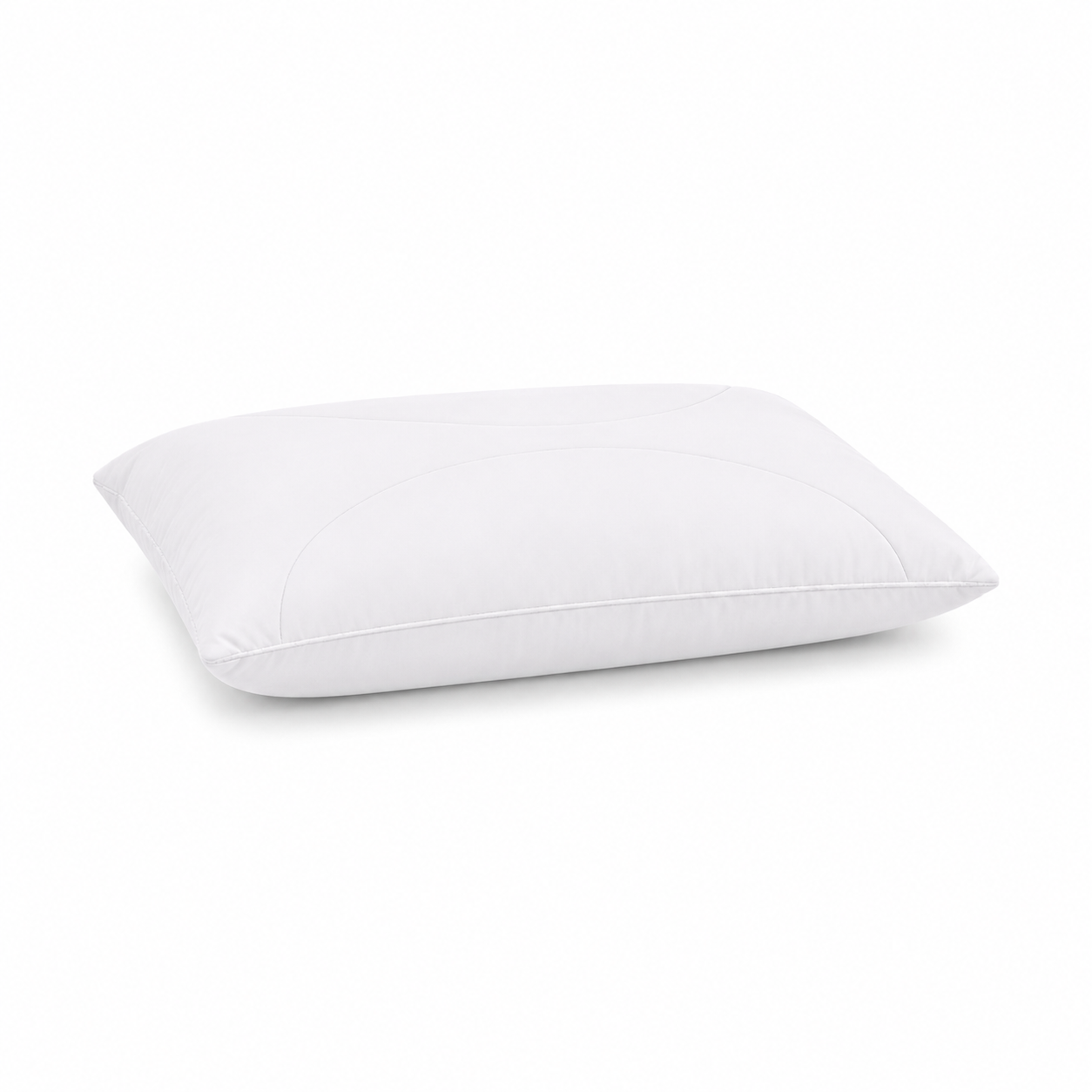
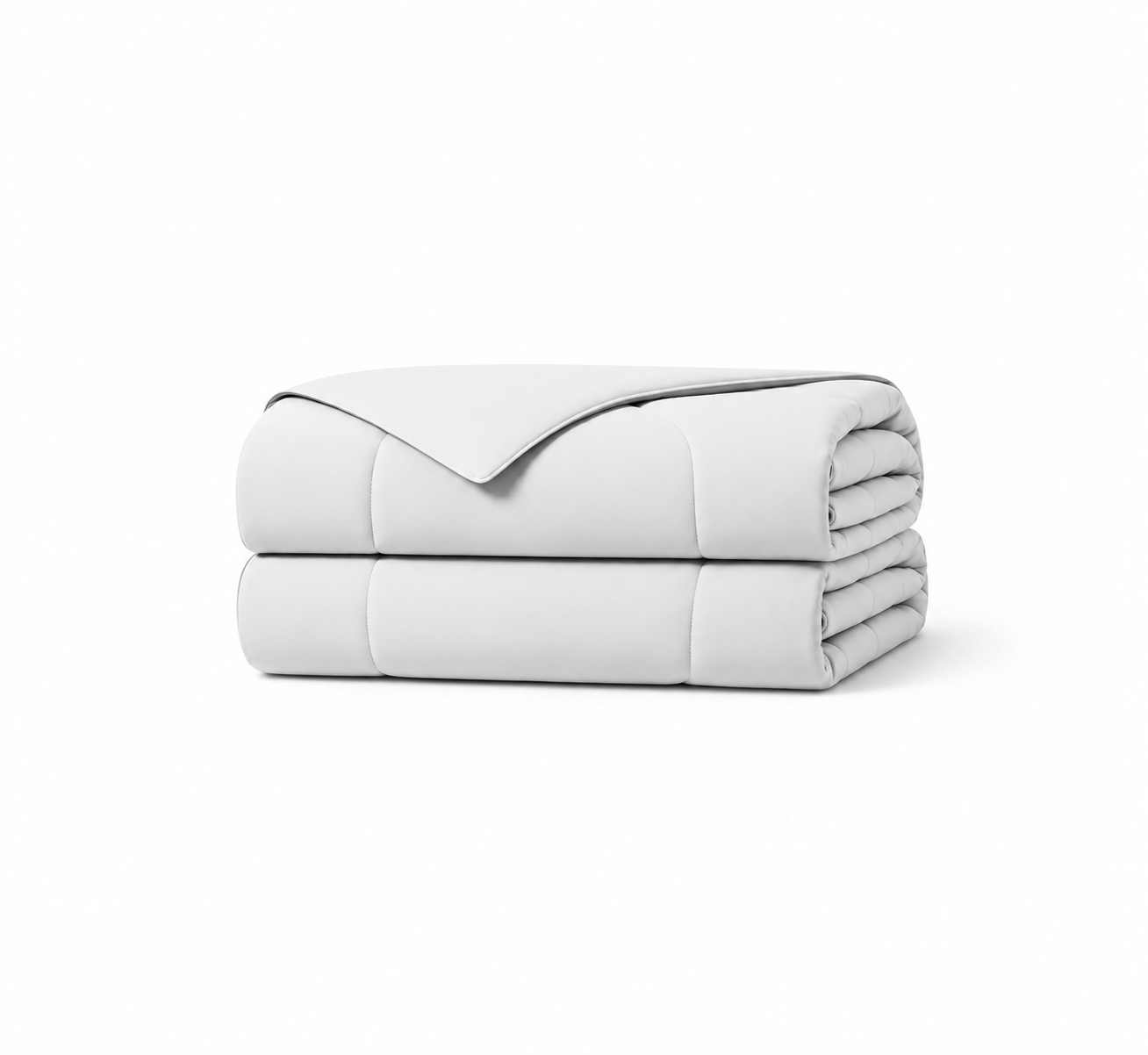
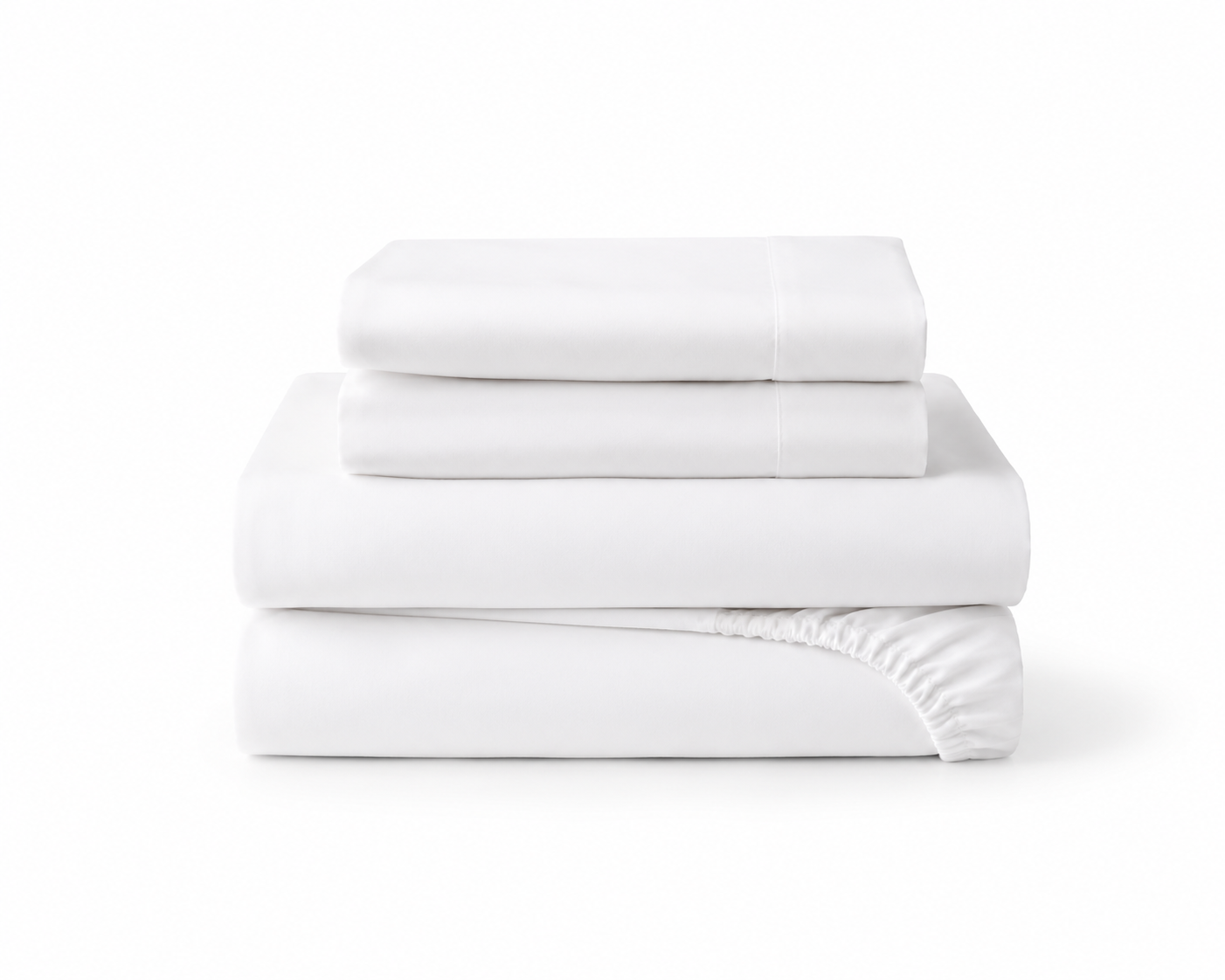
Common polyester bedding products: • Polyester-fill pillows: The cheapest pillows on the market. They trap heat, provide no moisture management, and flatten quickly. • Polyester comforters: Lightweight but trap heat and provide no breathability. • Polyester-blend sheets: Often marketed as "easy care" or "wrinkle-free", but the polyester content significantly reduces breathability. • "Cooling" polyester pillows: Some pillows claim "cooling" properties based on a surface coating on polyester fabric. These coatings wash out within 15–20 cycles and the underlying polyester provides no cooling.
In the UAE, where thermal management during sleep is critical due to the hot climate, polyester bedding is particularly problematic. It cannot manage the 80W of heat the body generates during sleep, leading to overheating, night sweats, and poor sleep quality.
Independent textile testing, 2023.
Better Alternatives to Polyester
Every alternative to polyester provides better sleep quality:
1. CoolTouch® Phase-Change Fabric (Q-Max 0.38): Actively absorbs body heat on contact. 3× the cooling sensation of polyester. Used in CoolCloud® Pillow, CoolTouch® Contour Pillow, and CoolTouch® Performance Comforter.
2. TENCEL™ Lyocell (Q-Max 0.25): 50% more breathable than cotton (which is already better than polyester). 50% faster moisture management. Naturally hypoallergenic. Used in TENCEL™ Lyocell Bedding Set.
3. GLACIO® Mineral Fibres (Q-Max 0.31): Mineral-infused fibres with high thermal conductivity. Used in GLACIO® Latex and CoolGel® pillows.
4. Natural Latex: Open-cell structure, 50% more breathable than memory foam. Naturally antimicrobial. Used in GLACIO® Latex Pillow.
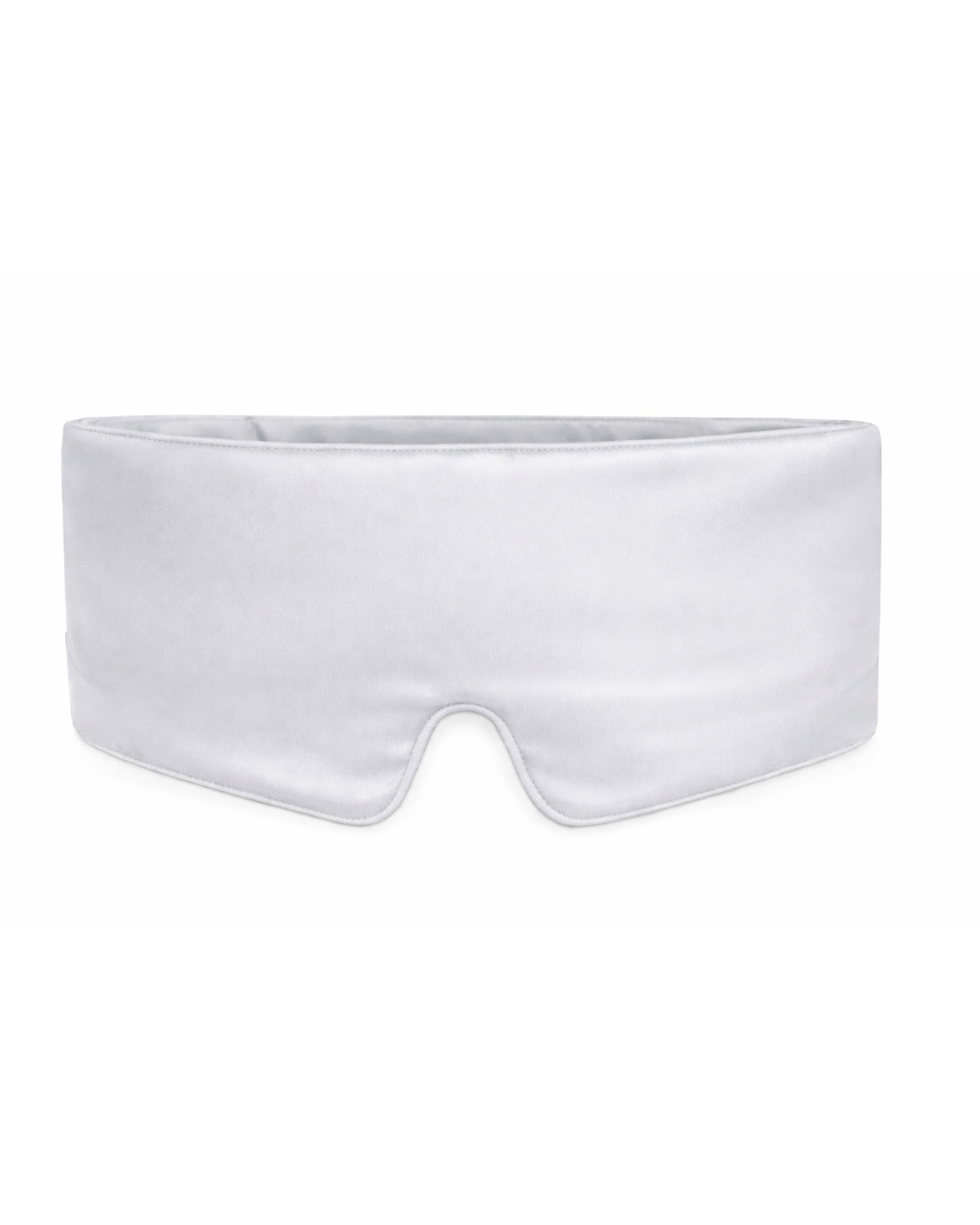
5. Silk (Q-Max 0.22): Naturally smooth, temperature-regulating, hypoallergenic. Used in CoolSilk® Eye Mask.
Every material The Sleep Lab™ uses provides measurably better cooling, breathability, and moisture management than polyester.
AATCC Test Method 195. | Lenzing AG. TENCEL™ Technical Data.
Frequently Asked Questions
Is polyester good for sleep?
No. Polyester has very low breathability, no moisture management, and significant heat trapping. Its Q-Max of 0.12–0.18 W/cm² is among the lowest of any sleep fabric. For hot sleepers, polyester bedding causes overheating, night sweats, and poor sleep quality.
Why is polyester bad for hot sleepers?
Polyester traps body heat (low thermal conductivity), does not absorb moisture (sweat stays on the skin surface), and does not allow air circulation (solid, non-porous fibres). This creates a hot, damp microclimate that prevents the thermoregulation needed for deep sleep.
Are "cooling" polyester pillows effective?
Most "cooling" polyester pillows use surface coatings rather than fibre-integrated cooling technology. These coatings wash out within 15–20 cycles, and the underlying polyester provides no cooling. Look for products with published Q-Max ratings; any brand claiming "cooling" without this metric cannot verify their claim.
What is better than polyester for sleep?
Every natural and engineered fibre is better: CoolTouch® phase-change fabric (Q-Max 0.38), TENCEL™ Lyocell (Q-Max 0.25, 50% more breathable than cotton), GLACIO® mineral fibres (Q-Max 0.31), natural latex, and silk all provide measurably better cooling, breathability, and moisture management than polyester.