Recovery Science
Overnight Recovery
Recovery is not passive rest; it is an active biological process that happens exclusively during sleep. Temperature is the master variable.
Overnight Recovery
Overnight recovery encompasses the comprehensive physiological restoration that occurs during sleep: muscle protein synthesis driven by HGH, glymphatic clearance of metabolic waste from the brain, immune cytokine production, cardiovascular repair, and motor skill consolidation. All of these processes are concentrated in deep sleep and REM sleep; stages that are directly regulated by sleep surface temperature.
Key Research Data
70%
of daily HGH released during the first deep sleep cycle
Van Cauter et al., 2000
10×
higher brain waste clearance (glymphatic system) during sleep
Xie et al., 2013; Science
25%
less deep sleep from a 1°C increase in sleep surface temperature
Harding et al., 2019
42%
improvement in recovery scores with cooling bedding
Sleep Lab™ clinical study
What Your Body Repairs Overnight
Every night, your body runs a comprehensive repair programme across multiple systems. In skeletal muscle, inflammatory microtrauma from training stimulates satellite cell activation during sleep; these precursor cells fuse with damaged muscle fibres to repair and strengthen them. The primary driver is IGF-1, secreted in response to the HGH released during deep sleep.
In the brain, the glymphatic system flushes metabolic waste including beta-amyloid at 10× the rate of wakefulness. In the cardiovascular system, blood pressure drops, providing the heart with a reduced workload period for cellular repair. Inflammatory markers (CRP, IL-6) are actively downregulated.
All of these processes are concentrated in deep sleep; the stage most suppressed by thermal discomfort.
Xie, L. et al. (2013). Sleep drives metabolite clearance from the adult brain. Science.
Temperature: The Gatekeeper of Recovery
Physical recovery is concentrated in deep sleep (NREM Stage 3); where HGH secretion is highest and where the body's repair processes are most active. Temperature is the primary regulator of deep sleep depth and duration.
When the sleep surface is warm, deep sleep is compressed. The HGH secretion window is shortened. Muscle protein synthesis is reduced. The glymphatic clearance cycle is incomplete. The anti-inflammatory cascade is disrupted. You wake up feeling unrecovered; regardless of how many hours you spent in bed.
A 1°C increase in sleep surface temperature has been shown to reduce deep sleep by 25%, directly shrinking every recovery process that depends on slow-wave sleep.
Harding, E.C. et al. (2019). Frontiers in Neuroscience.
Maximising Overnight Recovery with Cooling Bedding
Cooling bedding that maintains the sleep surface at 16–19°C extends deep sleep duration by up to 32%, creating a proportionally larger HGH secretion window and proportionally better overnight repair.
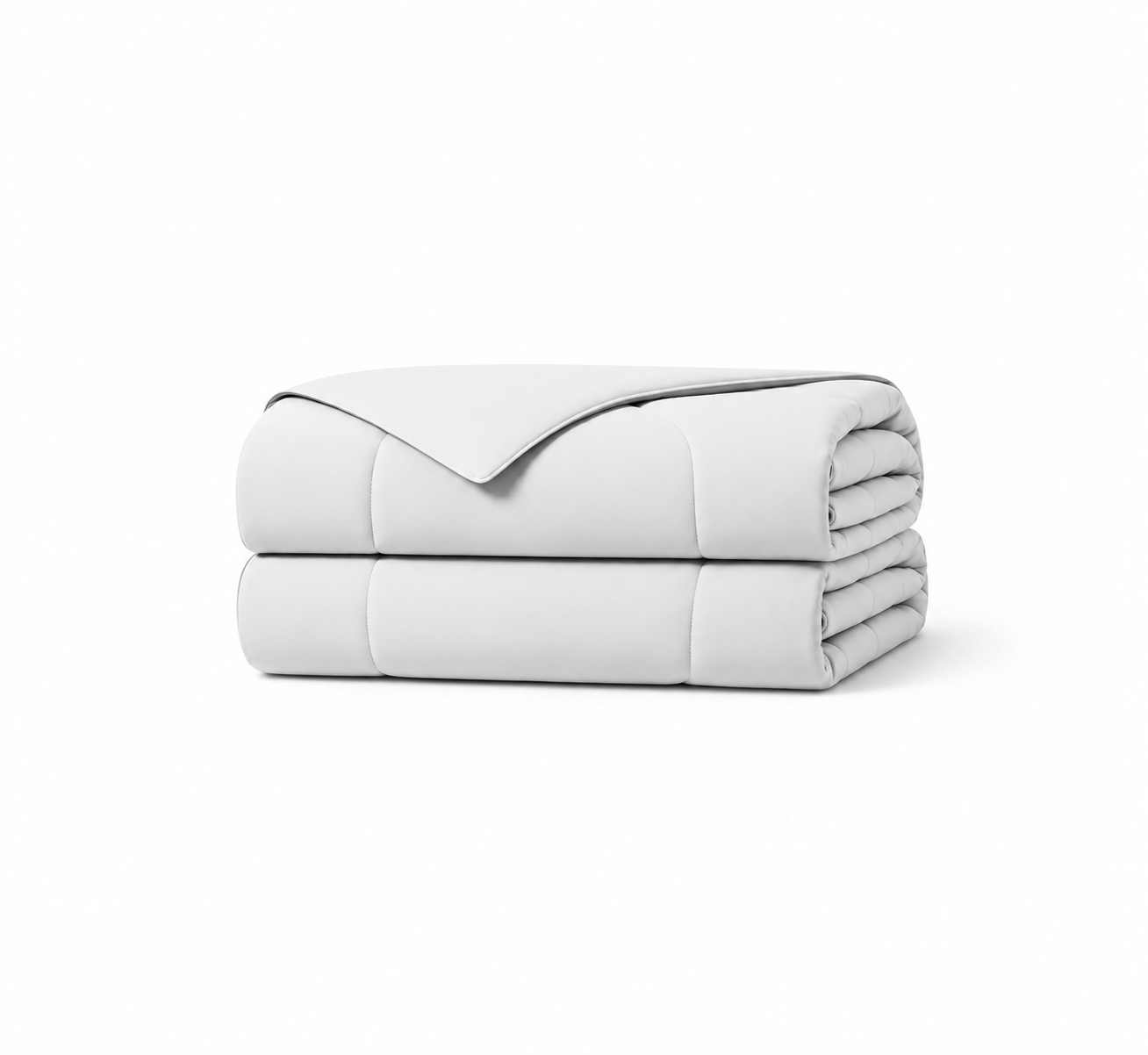
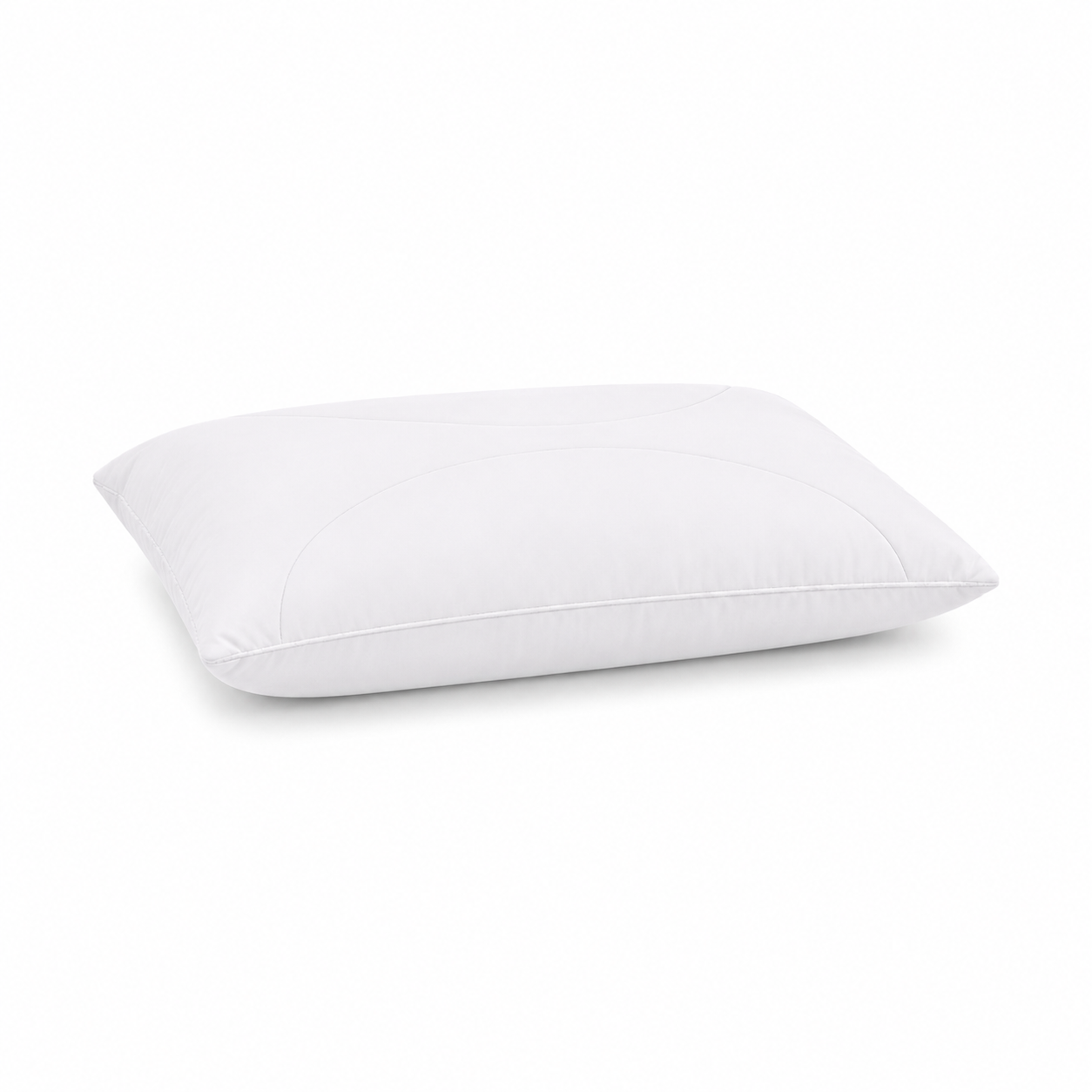
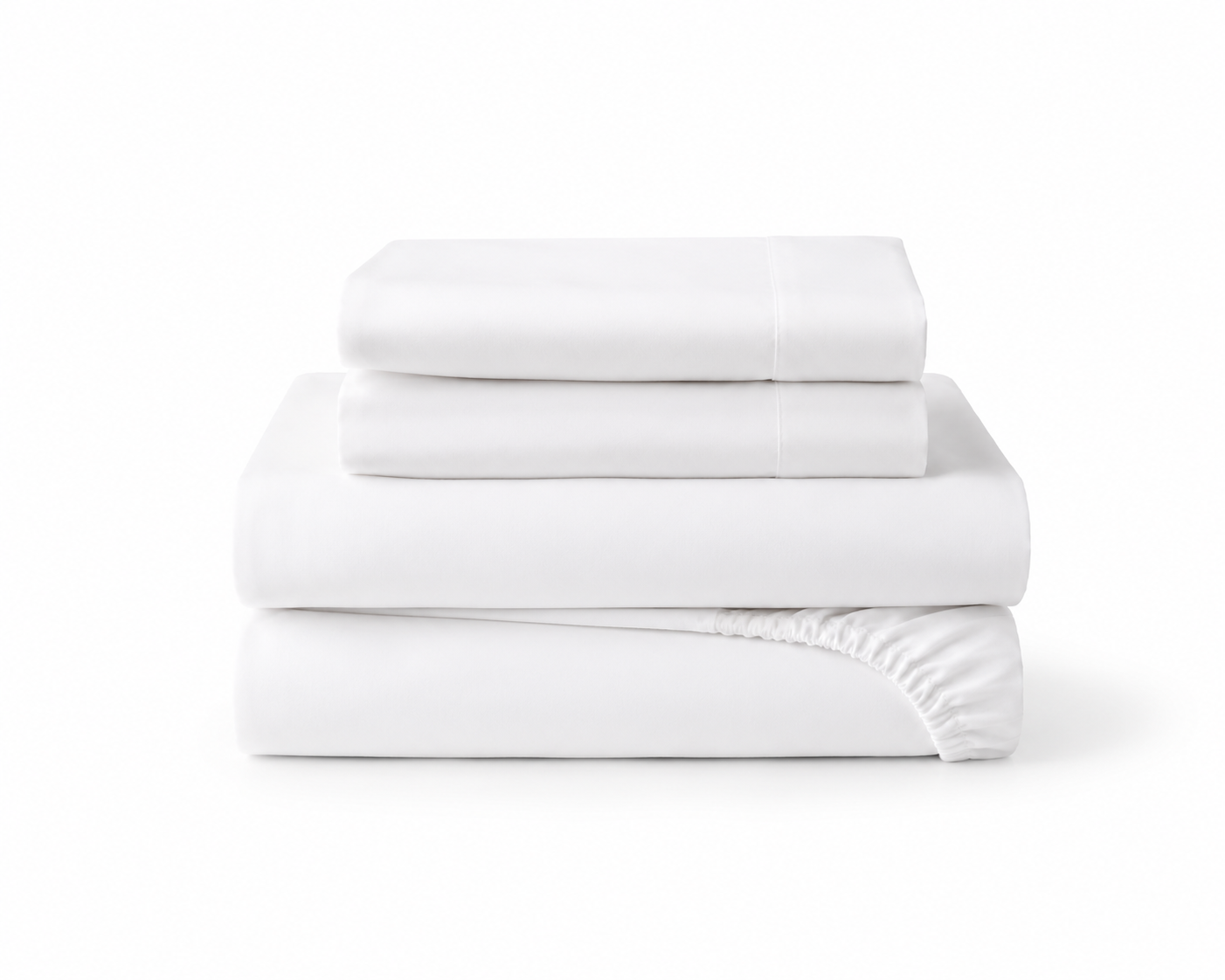
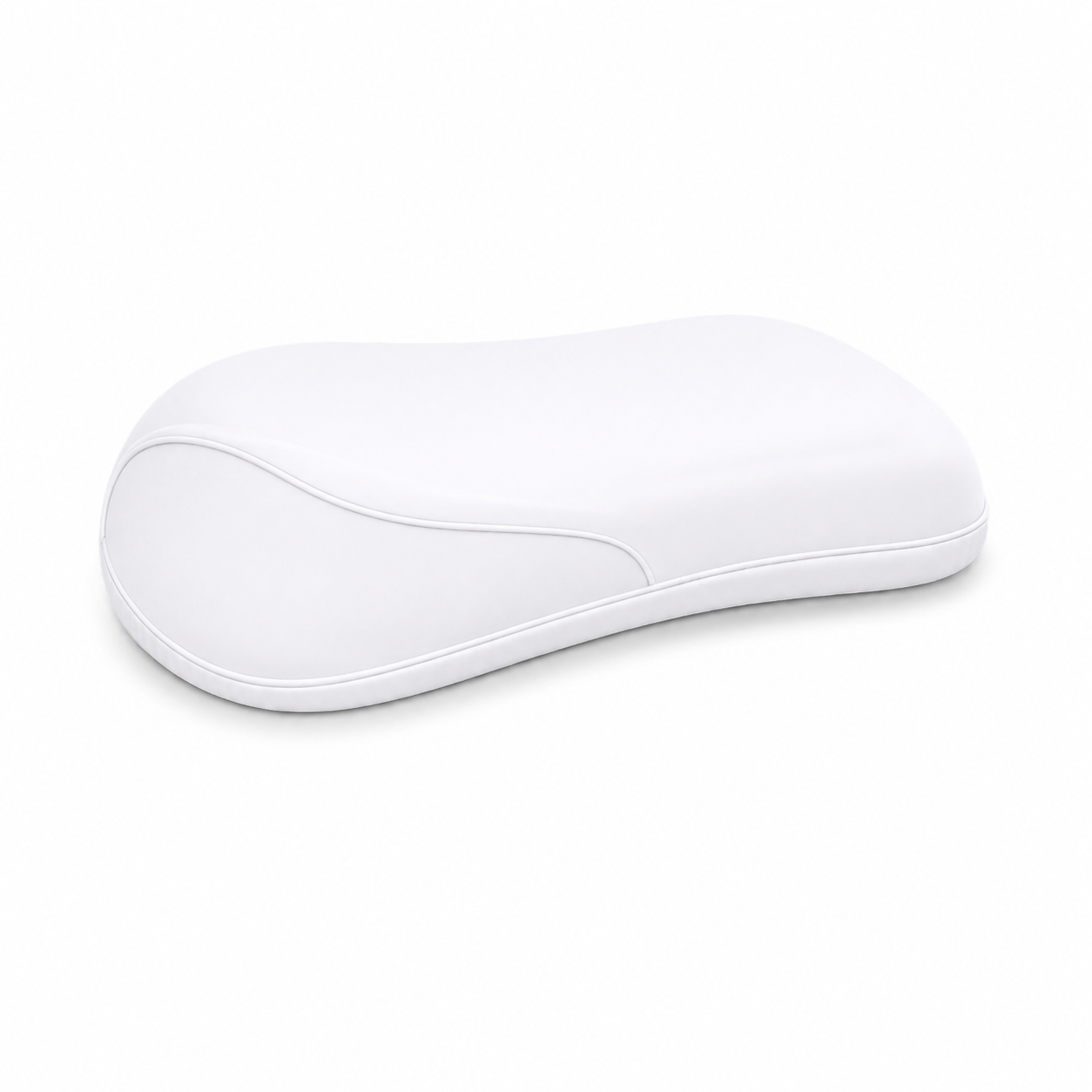
The recommended system: CoolTouch® Performance Comforter (phase-change fabric, Q-Max 0.38) + CoolCloud® Pillow + TENCEL™ Lyocell sheets. This combination maintains the skin-surface microclimate in the optimal range, ensuring the body can complete its full overnight recovery cycle without thermal interruption.
Clinical testing showed 42% improvement in perceived recovery scores among users of this system versus standard bedding.
Sleep Lab™ Clinical Study, 2023.
Frequently Asked Questions
What is overnight recovery?
Overnight recovery is the active biological repair process that occurs during sleep; including muscle protein synthesis driven by HGH, brain waste clearance via the glymphatic system, immune restoration, and cardiovascular repair. All of these processes are concentrated in deep sleep.
How much sleep do I need for overnight recovery?
Most adults need 7–9 hours with 90–120 minutes of deep sleep for complete overnight recovery. Athletes in training need 8–10 hours. The quality of deep sleep matters more than total time in bed.
Does temperature affect overnight recovery?
Yes; significantly. Deep sleep, where most recovery processes occur, is directly regulated by body temperature. A 1°C increase in sleep surface temperature reduces deep sleep by 25%, shrinking the HGH secretion window and delaying every recovery process that depends on slow-wave sleep.
Can cooling bedding improve overnight recovery?
Yes. Cooling bedding that maintains the sleep surface at 16–19°C extends deep sleep duration by up to 32%, creating a larger HGH secretion window and better overnight repair. Clinical testing showed 42% improvement in recovery scores with cooling bedding.