Recovery Science
Sleep & Muscle Recovery
Muscle is built during sleep, not training. The quality of your deep sleep determines the quality of your recovery.
Sleep-Driven Muscle Recovery
Muscle recovery during sleep is driven by Human Growth Hormone (HGH) released during slow-wave (deep) sleep. Up to 70% of daily HGH is secreted in the first 90 minutes of sleep. HGH stimulates protein synthesis, satellite cell activation, and tissue repair; making deep sleep quality directly proportional to muscle recovery outcomes.
Key Research Data
70%
of daily HGH released during the first deep sleep cycle
Van Cauter et al., 2000; American Journal of Physiology
3×
higher injury risk in athletes sleeping under 8 hours
Milewski et al., 2014; J. Pediatric Orthopaedics
20%
reduction in muscle protein synthesis without adequate deep sleep
Journal of Applied Physiology, 2018
42%
better recovery scores with cooling bedding
Sleep Lab™ clinical study, n=3,200
How Sleep Drives Muscle Repair
During deep sleep (NREM Stage 3), the pituitary gland releases HGH in pulsatile bursts; up to 70% of the body's daily output. HGH stimulates IGF-1 production in the liver, which drives satellite cell activation, amino acid uptake, and protein synthesis in damaged muscle fibres. This is the primary anabolic window for muscle repair; it cannot be replicated by nutrition or supplementation alone.
Research from the Journal of Applied Physiology (2018) found that sleep deprivation reduces muscle protein synthesis by 20%, regardless of protein intake. The mechanism is clear: without adequate deep sleep, the HGH pulse is diminished, and the anabolic window narrows proportionally.
Dattilo, M. et al. (2011). Sleep and muscle recovery. Medical Hypotheses. | Van Cauter, E. et al. (2000). American Journal of Physiology.
Why Temperature Controls Muscle Recovery
Since HGH release is gated by deep sleep, and deep sleep is regulated by body temperature, the thermal environment during sleep directly controls recovery quality. A 1°C increase in sleep surface temperature reduces deep sleep duration by up to 25%, shrinking the HGH secretion window and delaying muscle repair.
For athletes training in UAE heat; where ambient temperatures exceed 40°C and the body is already under elevated thermal stress; the sleep surface becomes the critical recovery variable. Standard bedding traps heat, suppressing the very deep sleep stages that drive muscle repair. Active cooling bedding (phase-change fabric, Q-Max ≥ 0.38) maintains the 16–19°C surface range required for sustained slow-wave sleep.
Harding, E.C. et al. (2019). The temperature dependence of sleep. Frontiers in Neuroscience.
The Recovery Bedding System
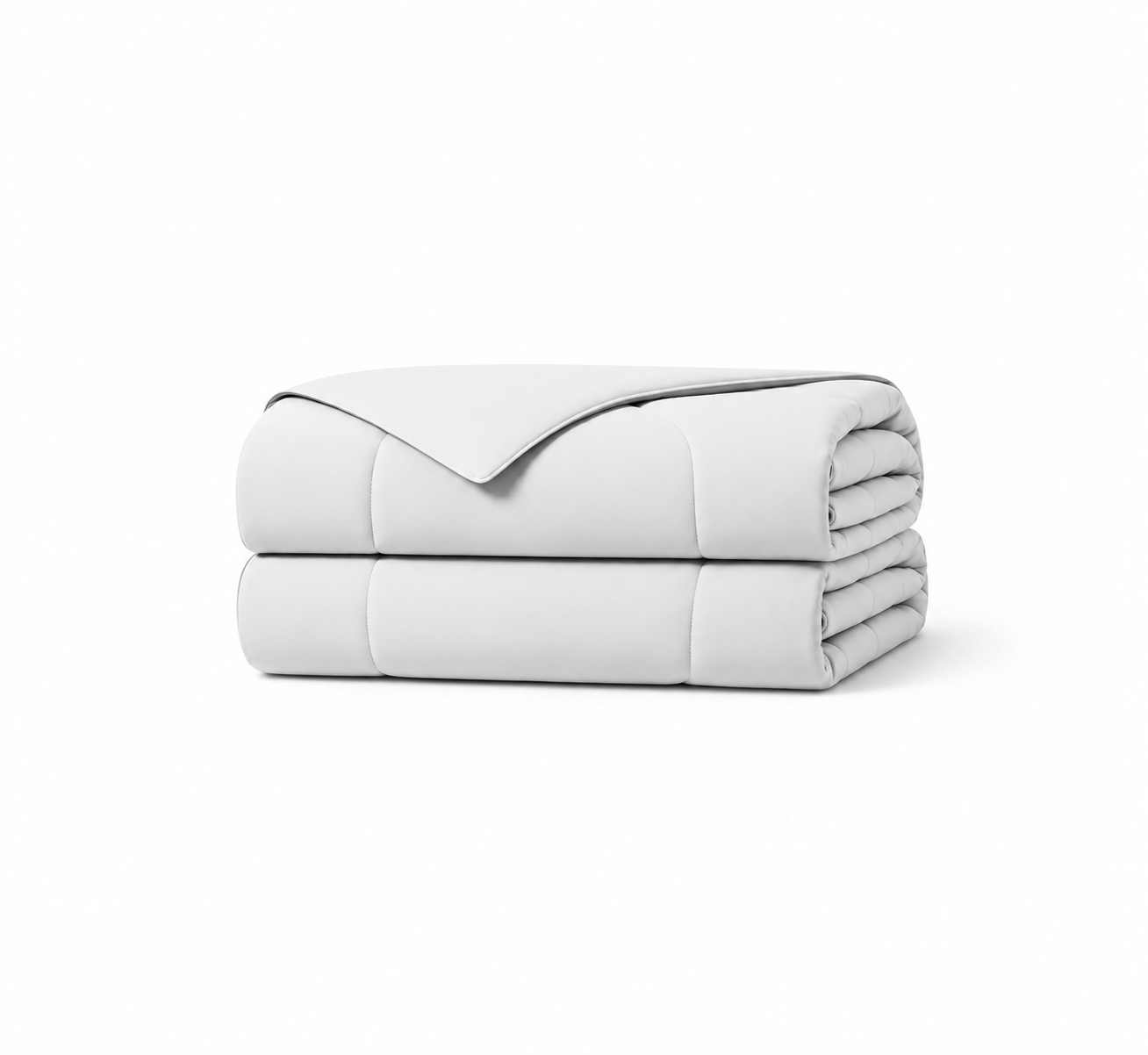
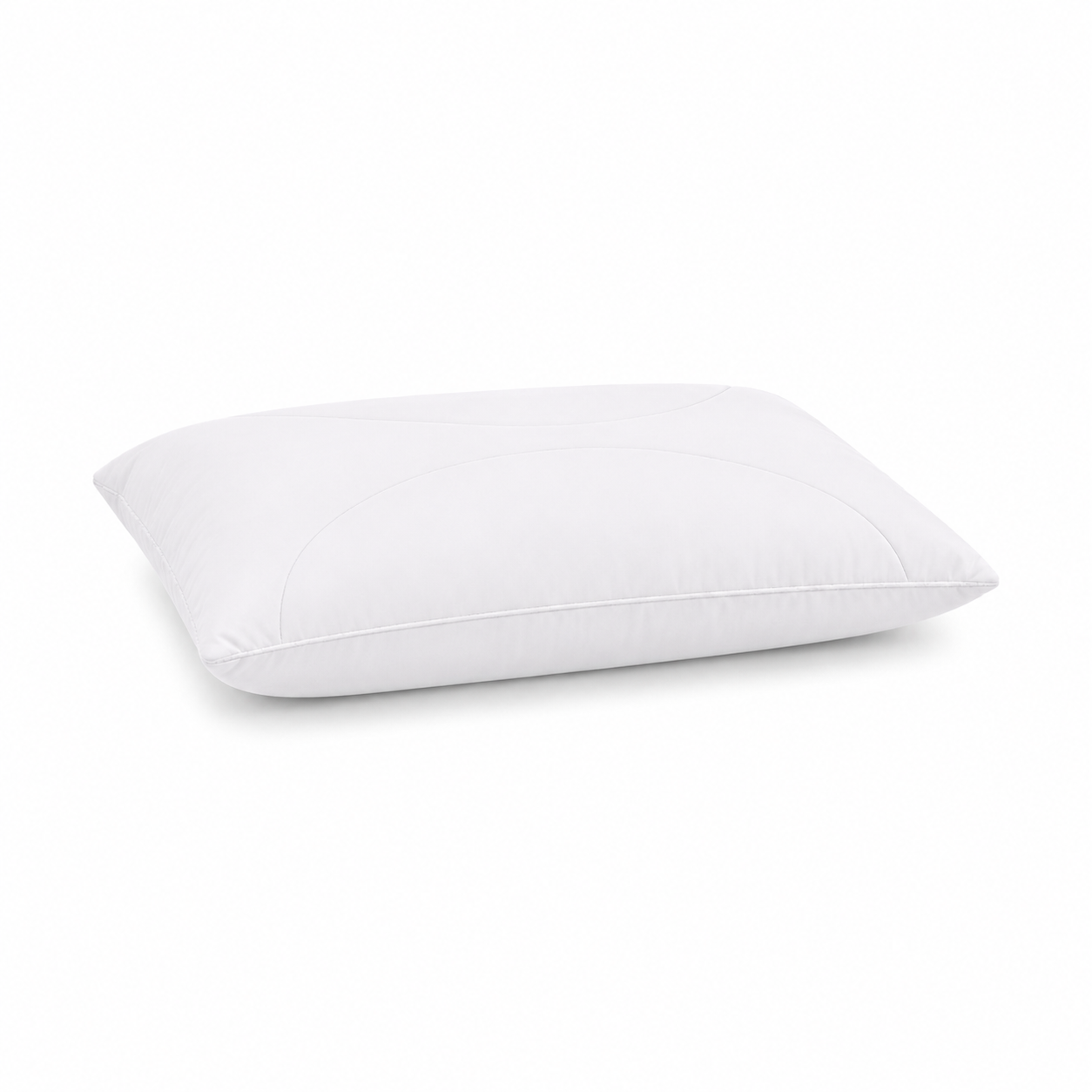
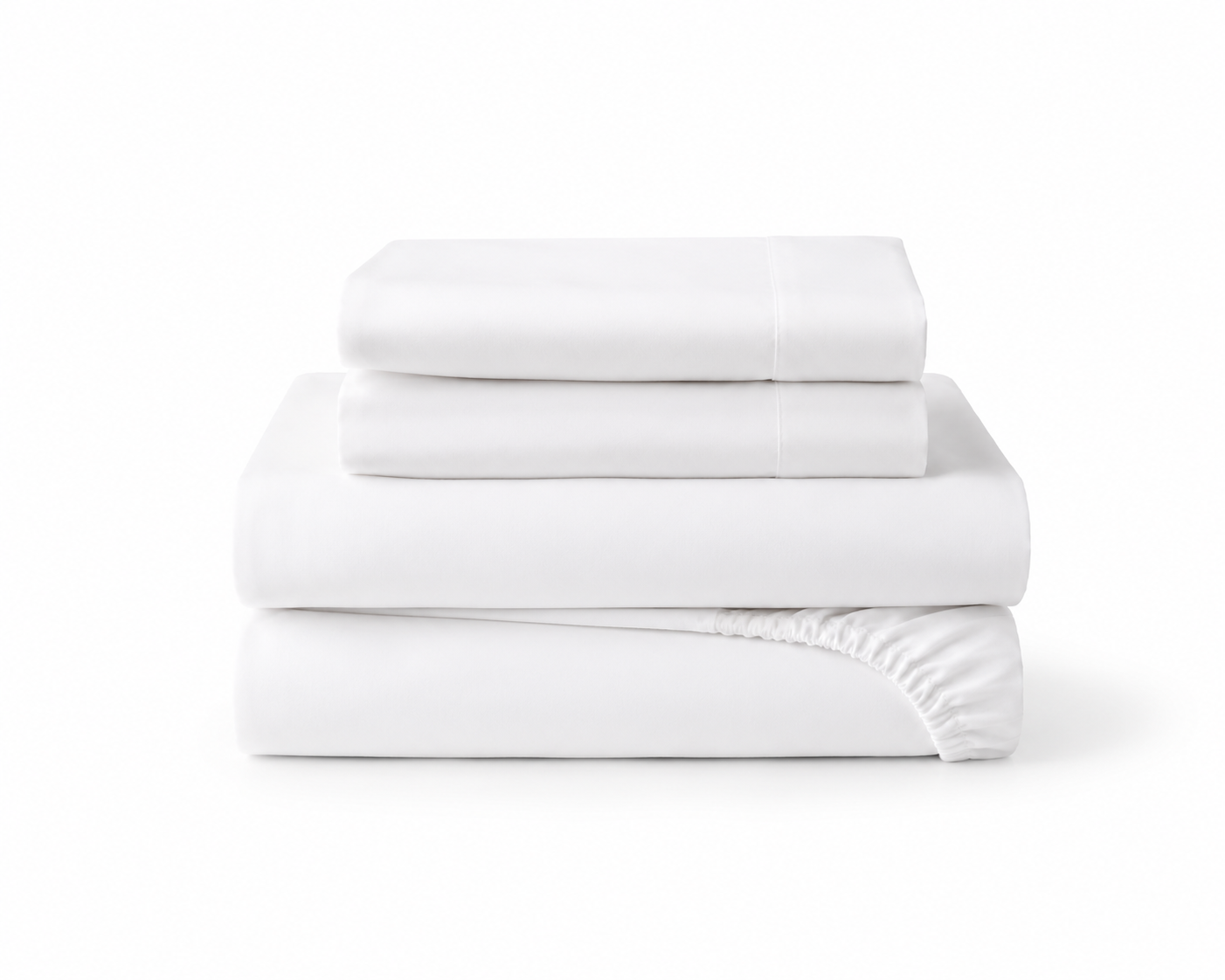
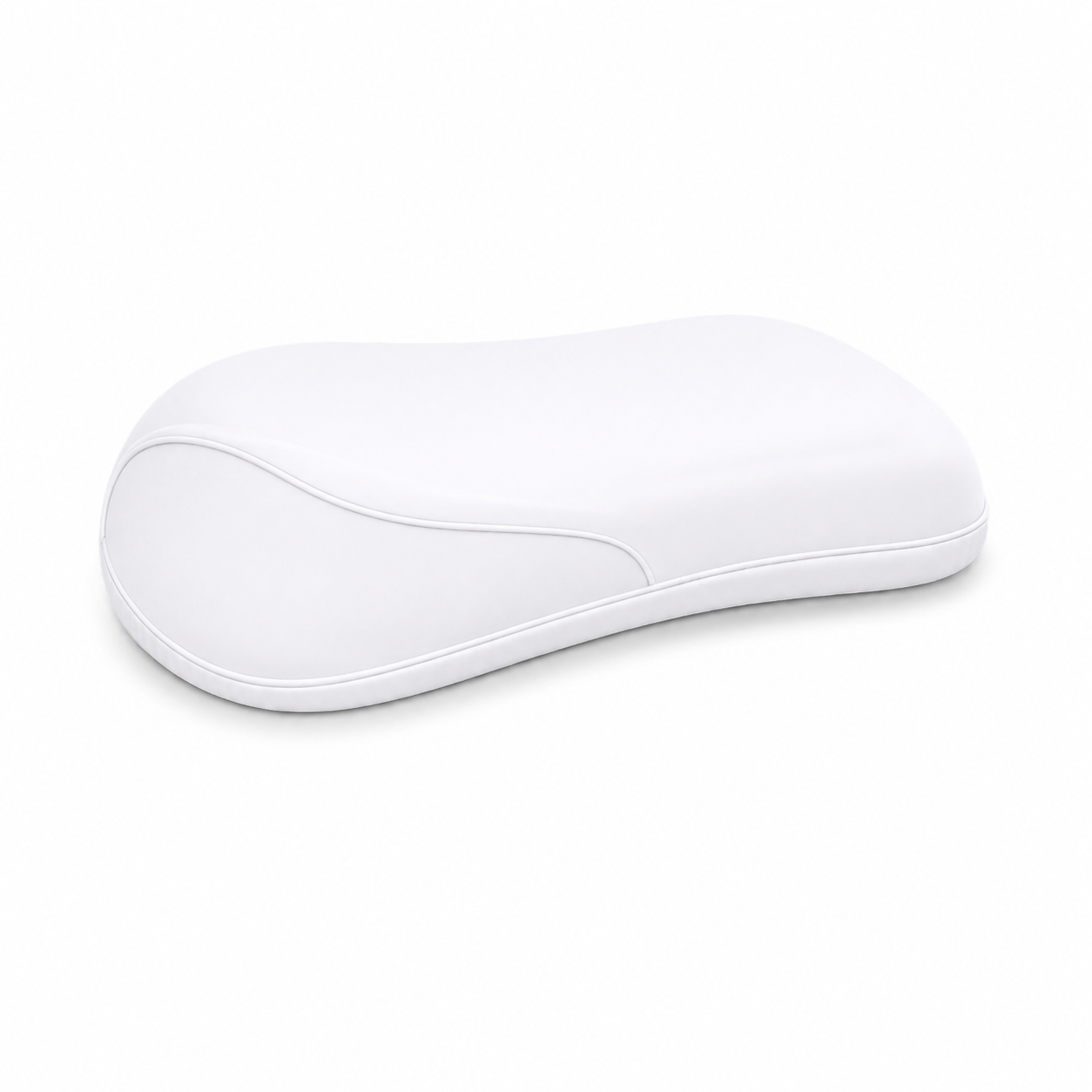
For optimal muscle recovery, the recommended cooling sleep system includes: (1) CoolTouch® Performance Comforter with phase-change fabric that absorbs excess body heat, maintaining surface temperature 3.2°C below standard bedding; (2) CoolCloud® Pillow with CoolTouch® fabric for head and neck temperature regulation; areas responsible for 25–30% of body heat dissipation; (3) TENCEL™ Lyocell sheets that wick moisture 50% faster than cotton, preventing the damp thermal cycle that fragments deep sleep.
Clinical testing showed 42% improvement in perceived recovery scores among athletes using this system versus standard bedding controls.
Sleep Lab™ Clinical Study, 2023. n=3,200.
Frequently Asked Questions
How does sleep help muscle recovery?
During deep sleep (NREM Stage 3), the body releases up to 70% of its daily Human Growth Hormone, which directly drives protein synthesis, satellite cell activation, and muscle fibre repair. Without adequate deep sleep, muscle repair is incomplete regardless of nutrition or supplementation.
How much sleep do I need for muscle recovery?
Most exercise scientists recommend 8–10 hours for athletes in active training. Research shows athletes sleeping 9+ hours have 42% better recovery scores and 3× lower injury rates than those sleeping under 8 hours.
Does temperature affect muscle recovery during sleep?
Yes. Higher sleep surface temperatures suppress slow-wave sleep, reducing HGH secretion by up to 25% per degree of thermal disruption. Cooling bedding that maintains the 16–19°C surface range preserves the HGH secretion window and maximises muscle repair.
What bedding is best for muscle recovery in the UAE?
Prioritise bedding that maintains the sleep surface at 16–19°C: CoolTouch® Performance Comforter (phase-change fabric, Q-Max 0.38), TENCEL™ Lyocell sheets (50% more breathable than cotton), and a CoolCloud® cooling pillow for head temperature regulation.