Medical Science
MS Heat Sensitivity
For people with multiple sclerosis, even a 0.5°C increase in body temperature can worsen symptoms. Cooling bedding is not comfort; it is symptom management.
MS Heat Sensitivity (Uhthoff's Phenomenon)
Heat sensitivity in multiple sclerosis (Uhthoff's phenomenon) occurs because elevated body temperature impairs nerve conduction in demyelinated nerves. Even a 0.5°C increase in core body temperature can temporarily worsen MS symptoms, including fatigue, weakness, visual disturbances, and cognitive function. Sleep surface temperature management is therefore a critical intervention for MS patients; preventing the heat accumulation that triggers symptom exacerbation.
Key Research Data
60–80%
of MS patients experience heat sensitivity (Uhthoff's phenomenon)
National MS Society, 2023
0.5°C
body temperature increase that can worsen MS symptoms
Guthrie & Nelson, 1995; Neurology
4.2°C
surface temperature reduction with CoolTouch® fabric
Independent textile lab testing, 2024
25%
less deep sleep from a 1°C increase in sleep surface temperature
Harding et al., 2019
Why Heat Worsens MS Symptoms
In multiple sclerosis, the immune system attacks myelin; the protective sheath around nerve fibres. Demyelinated nerves conduct signals less efficiently, and this conduction is further impaired by even small increases in body temperature.
This phenomenon, known as Uhthoff's phenomenon, affects 60–80% of MS patients. A core body temperature increase of just 0.5°C can temporarily worsen symptoms, including fatigue, muscle weakness, visual disturbances, numbness, and cognitive difficulties. These effects are temporary; symptoms resolve when body temperature returns to normal, but they can significantly disrupt daily function and, critically, sleep.
During sleep, the body generates approximately 80 watts of heat. If the sleep surface traps this heat (as standard bedding does), body temperature rises, triggering Uhthoff's symptoms that fragment sleep. The result is poor sleep quality and worsened daytime symptoms; a compounding cycle.
Guthrie, T.C. & Nelson, D.A. (1995). Neurology. | National MS Society, 2023.
Sleep Surface Temperature and MS
For MS patients, managing sleep surface temperature is not just about comfort; it is about preventing the heat accumulation that triggers symptom exacerbation. Standard bedding (cotton, polyester, memory foam) traps body heat, creating a thermal microclimate that can be 4–6°C warmer than room air. This trapped heat can raise core body temperature enough to trigger Uhthoff's symptoms during sleep.
Cooling bedding with phase-change materials (PCMs) addresses this directly. PCMs absorb excess body heat at the skin surface when temperature rises above 35°C, maintaining the sleep surface in a cooler, stable range. CoolTouch® fabric achieves Q-Max 0.38 W/cm²; the highest independently verified cooling rating; reducing surface temperature by up to 4.2°C.
TENCEL™ Lyocell provides additional benefit through moisture management: MS patients may experience night sweats (either from the condition itself or from medications), and TENCEL™ wicks moisture 50% faster than cotton, preventing the damp-heat cycle that raises body temperature.
AATCC Test Method 195. | Lenzing AG. TENCEL™ Technical Data.
The MS Cooling Sleep System
For MS patients in the UAE, the recommended cooling system focuses on preventing heat accumulation:
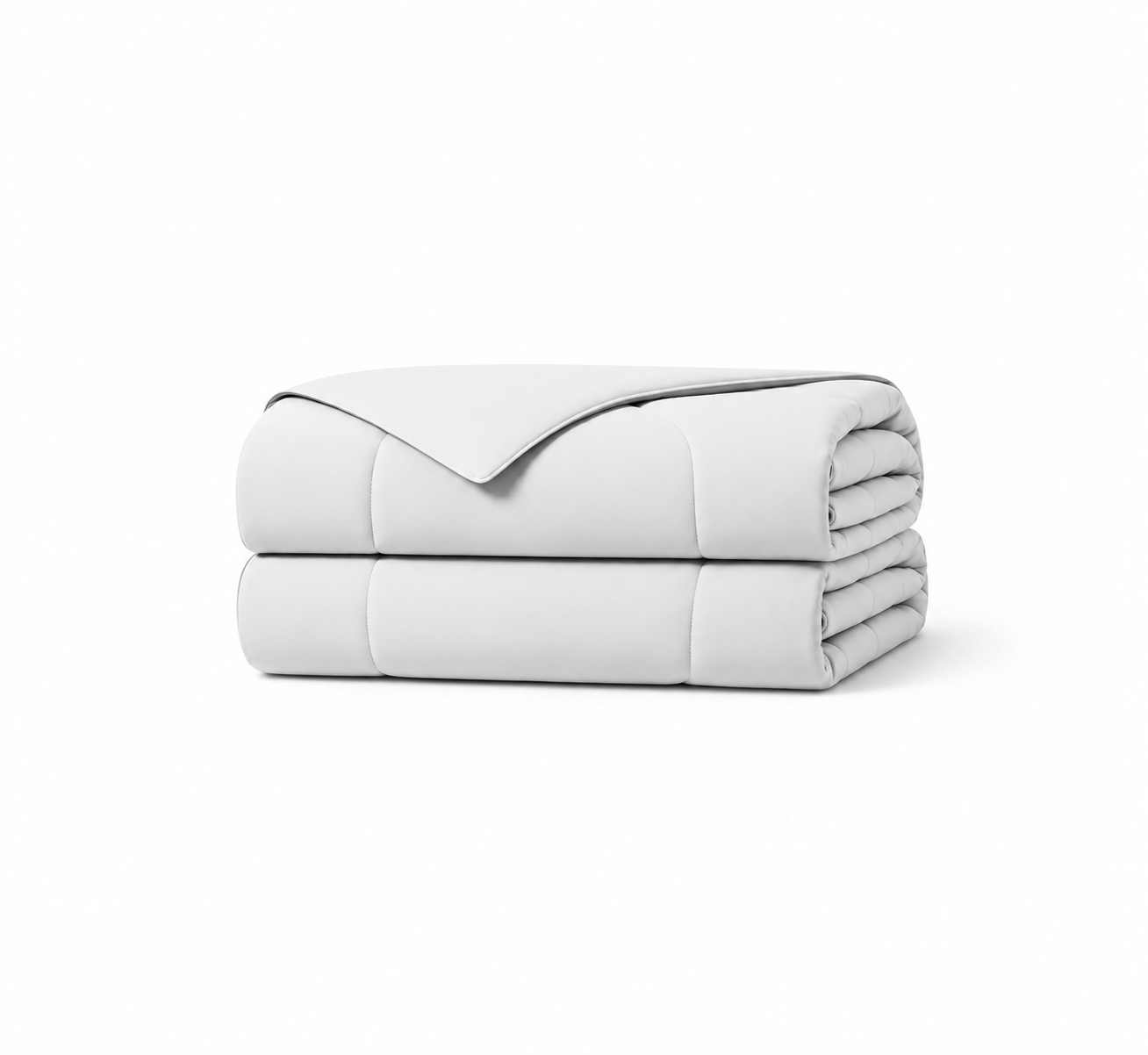
1. CoolTouch® Performance Comforter (phase-change fabric, Q-Max 0.38): Actively absorbs body heat at the surface, preventing the thermal accumulation that triggers Uhthoff's symptoms. Lightweight performance fill avoids the heat-trapping of heavy duvets.
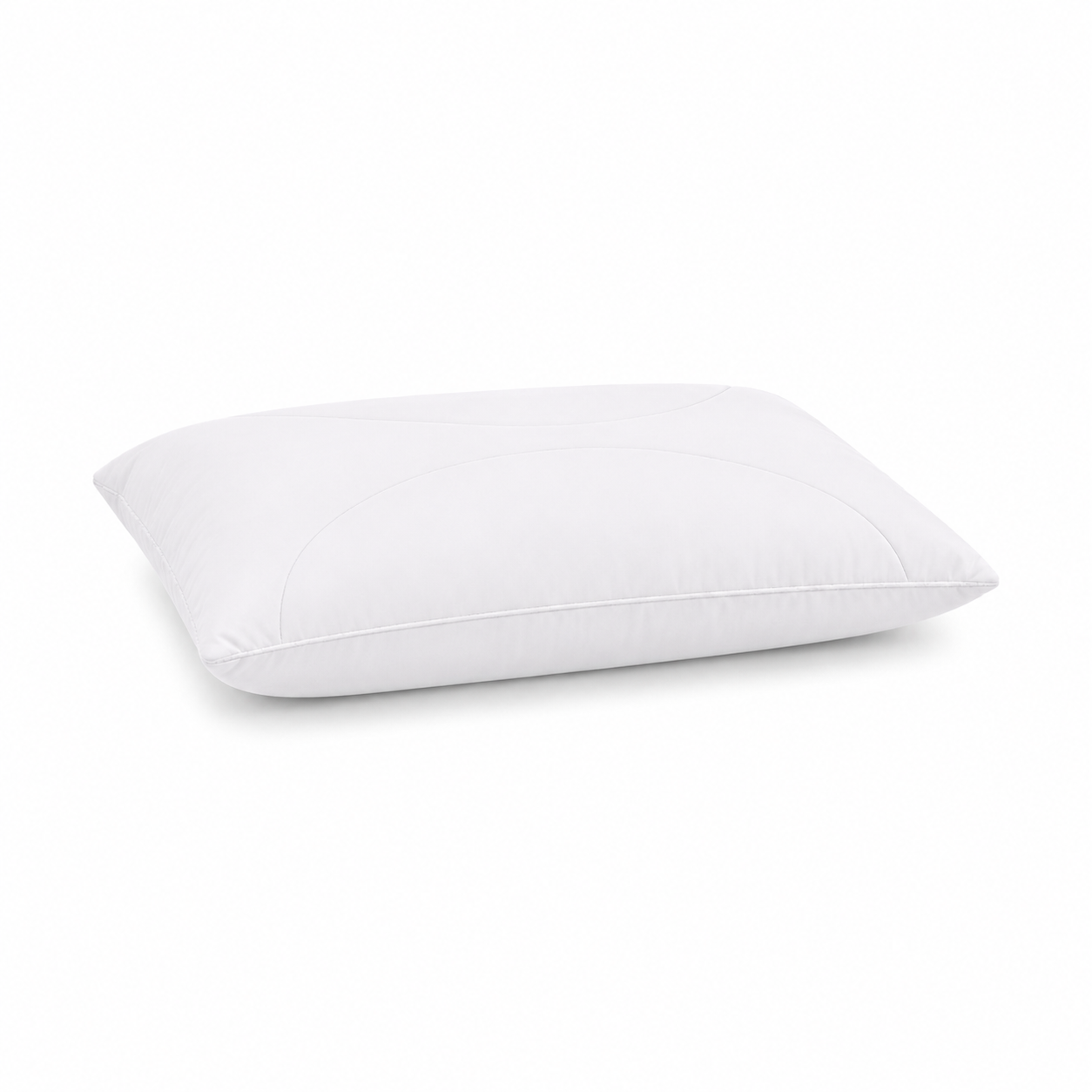
2. CoolCloud® Pillow: CoolTouch® fabric for head/neck cooling (the head dissipates 25–30% of body heat). CloudFill® fibre is hypoallergenic and breathable.
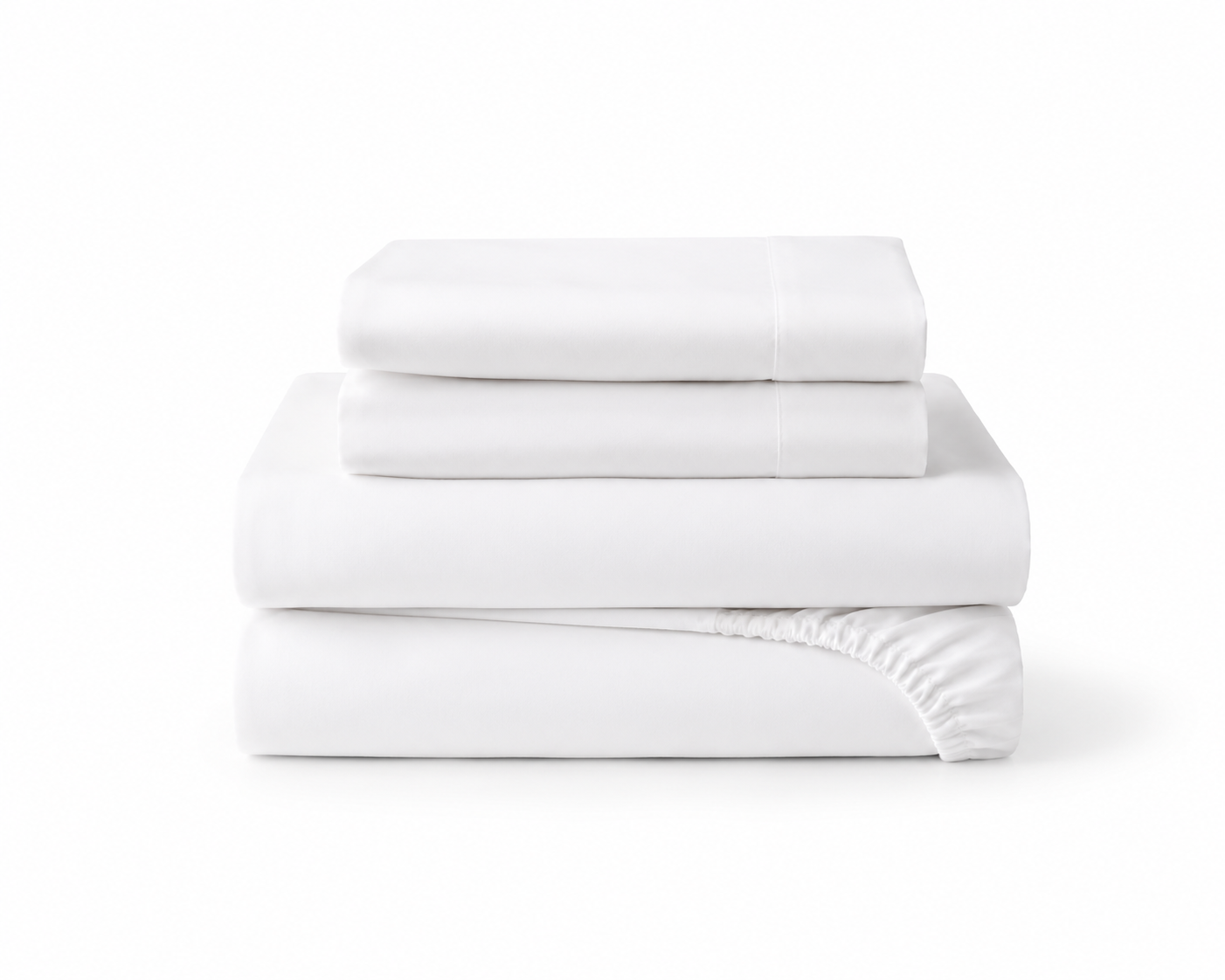
3. TENCEL™ Lyocell sheets: 50% more breathable than cotton, 50% faster moisture wicking. The ultra-smooth surface is gentle on MS-sensitive skin.
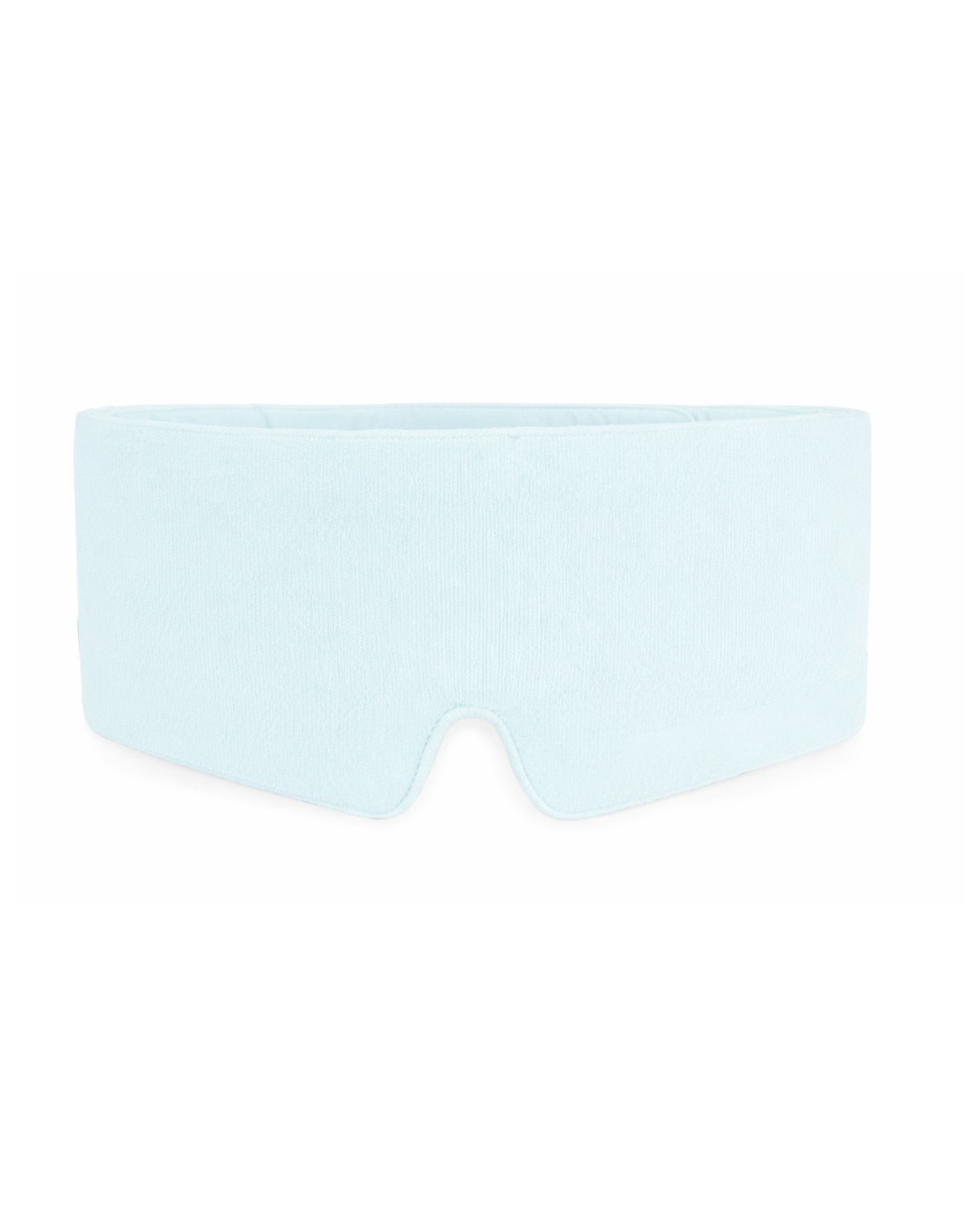
4. CoolTouch® Performance Eye Mask: Facial cooling (the face is a primary heat perception area) plus full blackout for deeper, less fragmented sleep.
Important: Cooling bedding is a complementary intervention for symptom management. It is not a treatment for MS. Always consult your neurologist.
Sleep Lab™ Product Data. | National MS Society.
Frequently Asked Questions
Why does heat affect multiple sclerosis?
In MS, demyelinated nerves conduct signals less efficiently, and even a 0.5°C increase in body temperature further impairs this conduction (Uhthoff's phenomenon). 60–80% of MS patients experience heat sensitivity, which can temporarily worsen fatigue, weakness, visual disturbances, and cognitive function.
Can cooling bedding help with MS?
Cooling bedding with phase-change materials (CoolTouch®, Q-Max 0.38) absorbs excess body heat at the sleep surface, preventing the heat accumulation that triggers Uhthoff's symptoms during sleep. It is a complementary intervention for symptom management; not a treatment for MS.
What temperature should MS patients sleep at?
MS patients should maintain a cool sleep surface (16–19°C) using cooling bedding. The key is preventing heat accumulation at the skin surface; standard bedding can create a microclimate 4–6°C warmer than room air, which is enough to trigger Uhthoff's symptoms in sensitive patients.
Is TENCEL™ Lyocell good for MS patients?
Yes. TENCEL™ Lyocell is 50% more breathable than cotton and wicks moisture 50% faster, preventing the damp-heat cycle that raises body temperature. Its ultra-smooth surface is gentle on MS-sensitive skin, and it is naturally hypoallergenic.