Women's Health
Menopause Night Sweats
Menopause narrows your body's temperature comfort zone to as little as 0.4°C. Cooling bedding keeps you below the trigger threshold.
Menopausal Night Sweats
Menopausal night sweats are vasomotor symptoms caused by oestrogen withdrawal disrupting hypothalamic thermostat function. The thermoneutral zone; the temperature range in which the body does not trigger heating or cooling responses; narrows from approximately 1.5°C in premenopausal women to as little as 0.4°C in postmenopausal women. During sleep, when bedding creates a warming thermal microclimate, this narrowed threshold is crossed repeatedly, producing drenching night sweats.
Key Research Data
75%
of menopausal women experience vasomotor symptoms
North American Menopause Society, 2023
7 years
average duration of menopausal hot flashes
SWAN Study, NIH, 2015
0.4°C
thermoneutral zone width in postmenopausal women (vs 1.5°C pre-menopause)
Freedman, R.R., 2001
60%
reduction in night sweat episodes with cooling microclimate management
Menopause journal, 2020
The Endocrinology of Menopausal Night Sweats
Oestrogen plays a regulatory role in hypothalamic thermostat function. As oestrogen levels fall during perimenopause and menopause, the thermoneutral zone narrows dramatically. In premenopausal women, this zone is approximately 1.5°C wide. In postmenopausal women, it can narrow to near-zero; meaning the slightest rise in core temperature triggers immediate vasodilation and sweating.
During sleep, when the body and bedding create a warming thermal microclimate, this trigger is crossed repeatedly through the night, producing recurrent night sweats. Each sweat episode causes a microarousal; a partial or full waking event that fragments sleep architecture.
The NIH SWAN study following over 3,300 women found that vasomotor symptoms last an average of 7 years, with peak intensity occurring 1 year before to 2 years after the final menstrual period.
Freedman, R.R. (2014). Journal of Steroid Biochemistry. | SWAN Study (2015). NIH.
Cooling Bedding and Vasomotor Symptom Management
The rationale for cooling bedding in menopausal night sweats is straightforward: if the thermal microclimate can be maintained below the vasomotor trigger threshold, night sweat frequency is reduced. The trigger cannot be eliminated (it is endocrine), but its frequency can be significantly reduced by managing the sleep surface temperature.
A 2020 study in the journal Menopause found that women using active cooling sleep products (phase-change fabric, cooling pillows) reported 60% reduction in night sweat episodes compared to standard bedding, and a significant improvement in sleep quality scores; despite no change in oestrogen levels or hormonal treatment.
The key technology: phase-change materials (PCMs) in CoolTouch® fabric absorb excess body heat at the surface, maintaining skin temperature below the narrowed menopausal thermoneutral zone threshold. Combined with TENCEL™ Lyocell's 50% faster moisture transport, this prevents both the heat spike that triggers sweating and the damp-bedding discomfort that follows.
Hunter, M.S. et al. (2020). Menopause.
Building a Cooling Sleep System for Menopause
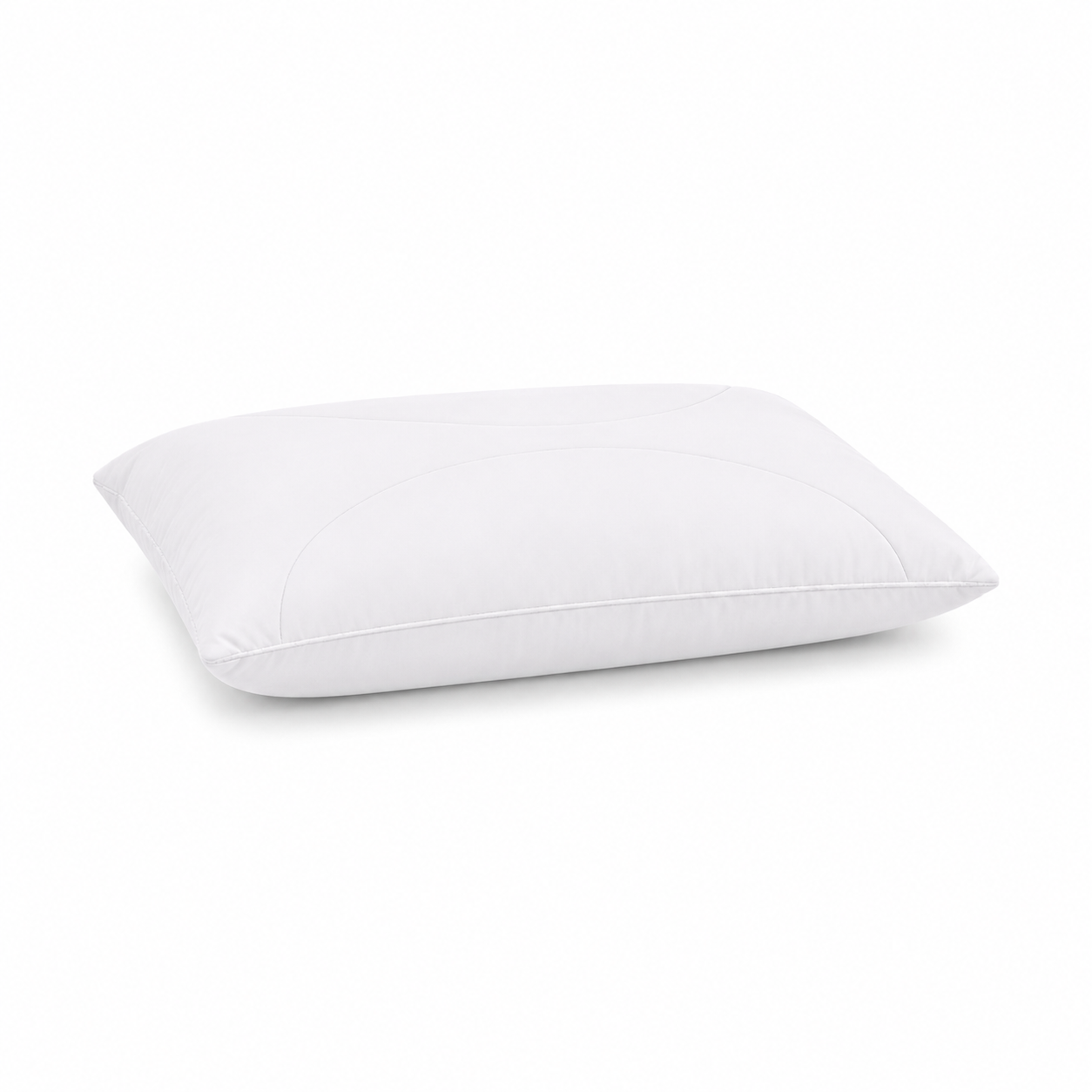
For menopausal women, the most effective cooling sleep approach uses active management at multiple points: the pillow (head and neck are primary heat dissipation sites; 25–30% of body heat), the comforter (the main thermal layer), and the sheets (the skin-contact surface).
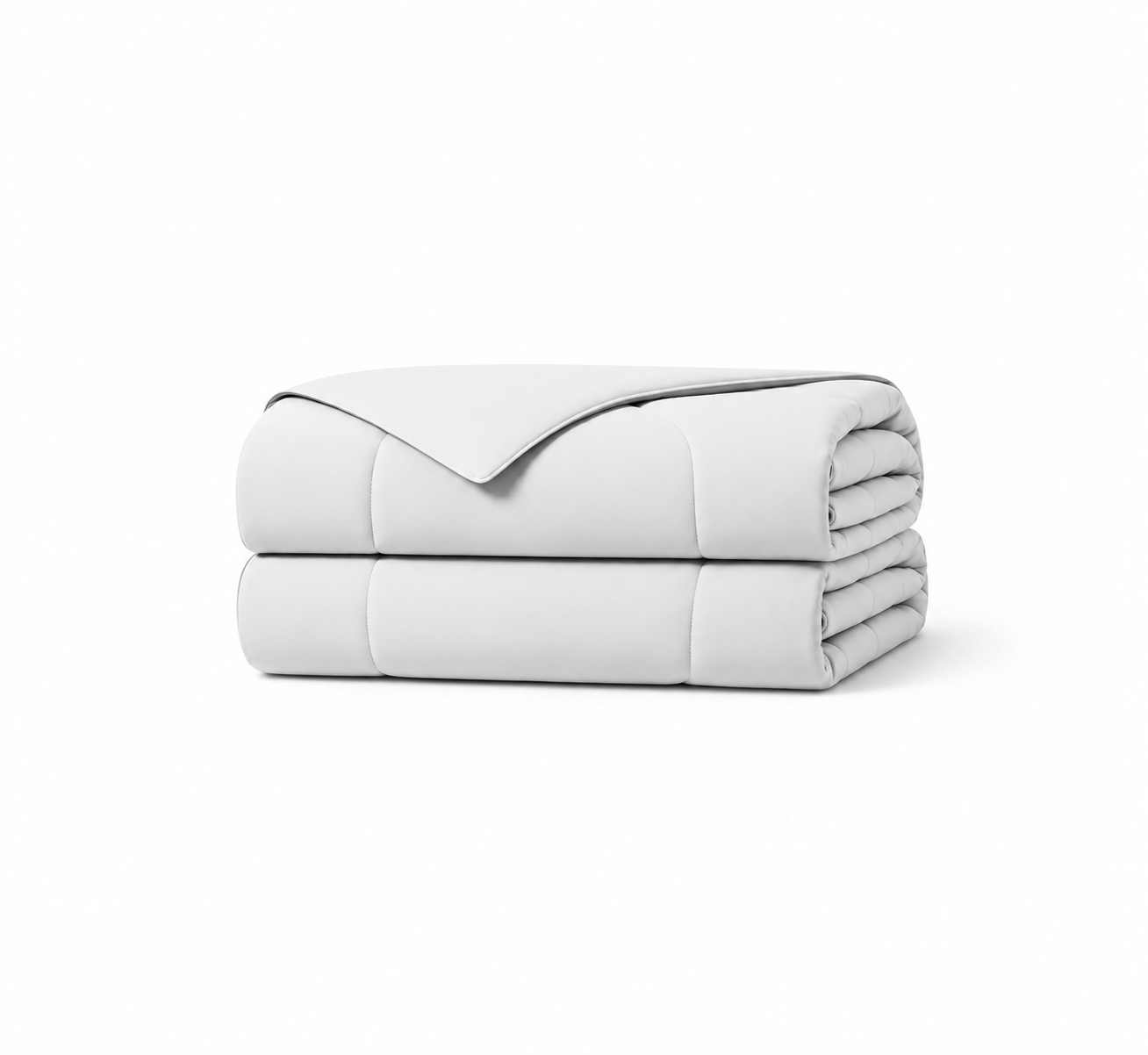
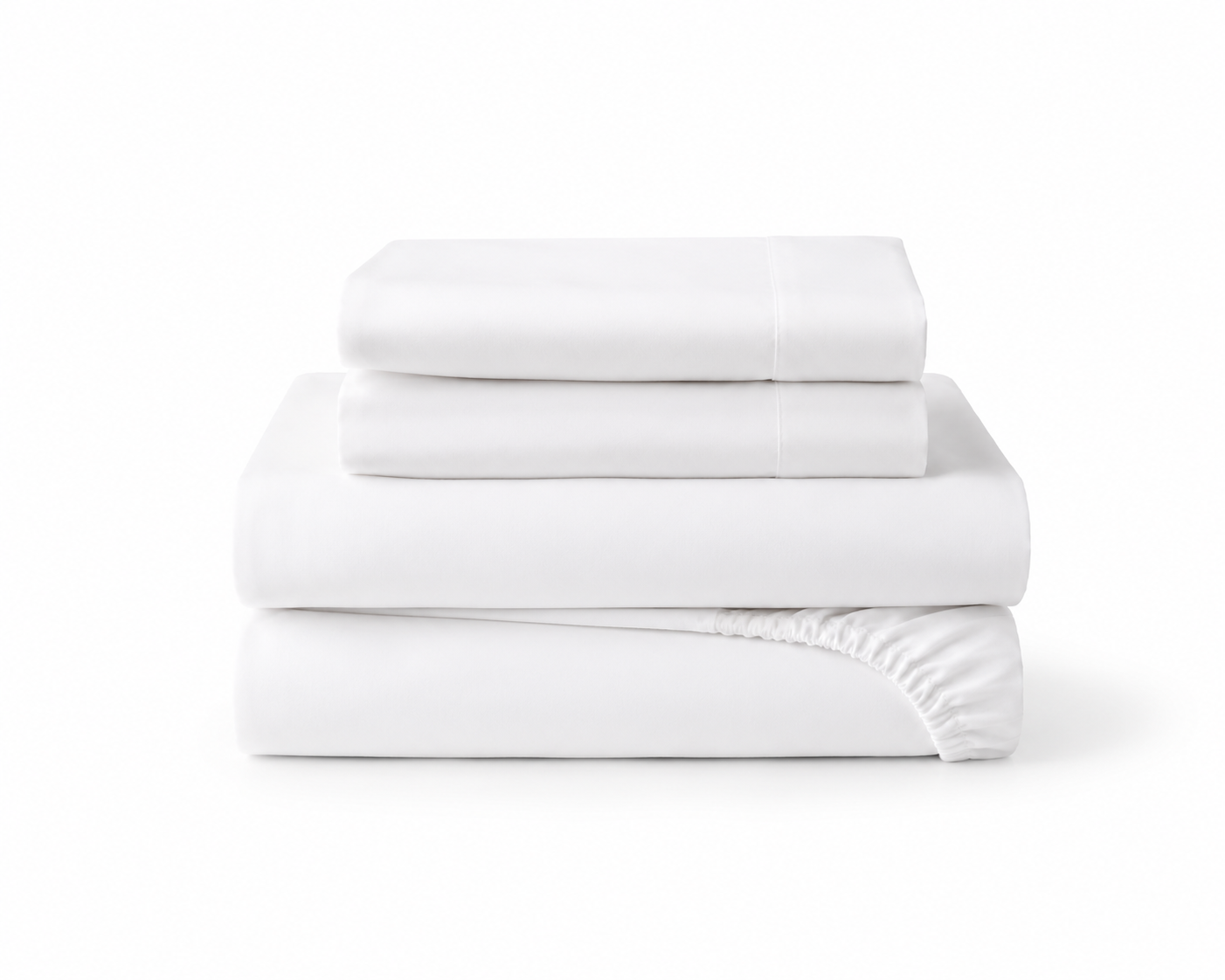
The recommended system: CoolCloud® Pillow (phase-change CoolTouch®, Q-Max 0.38) + CoolTouch® Performance Comforter (active cooling fill and cover) + TENCEL™ Lyocell fitted sheets (50% faster moisture transport than cotton). This combination maintains the sleep surface in the 33–36°C range, keeping core thermal load below the narrowed menopausal thermoneutral zone threshold.
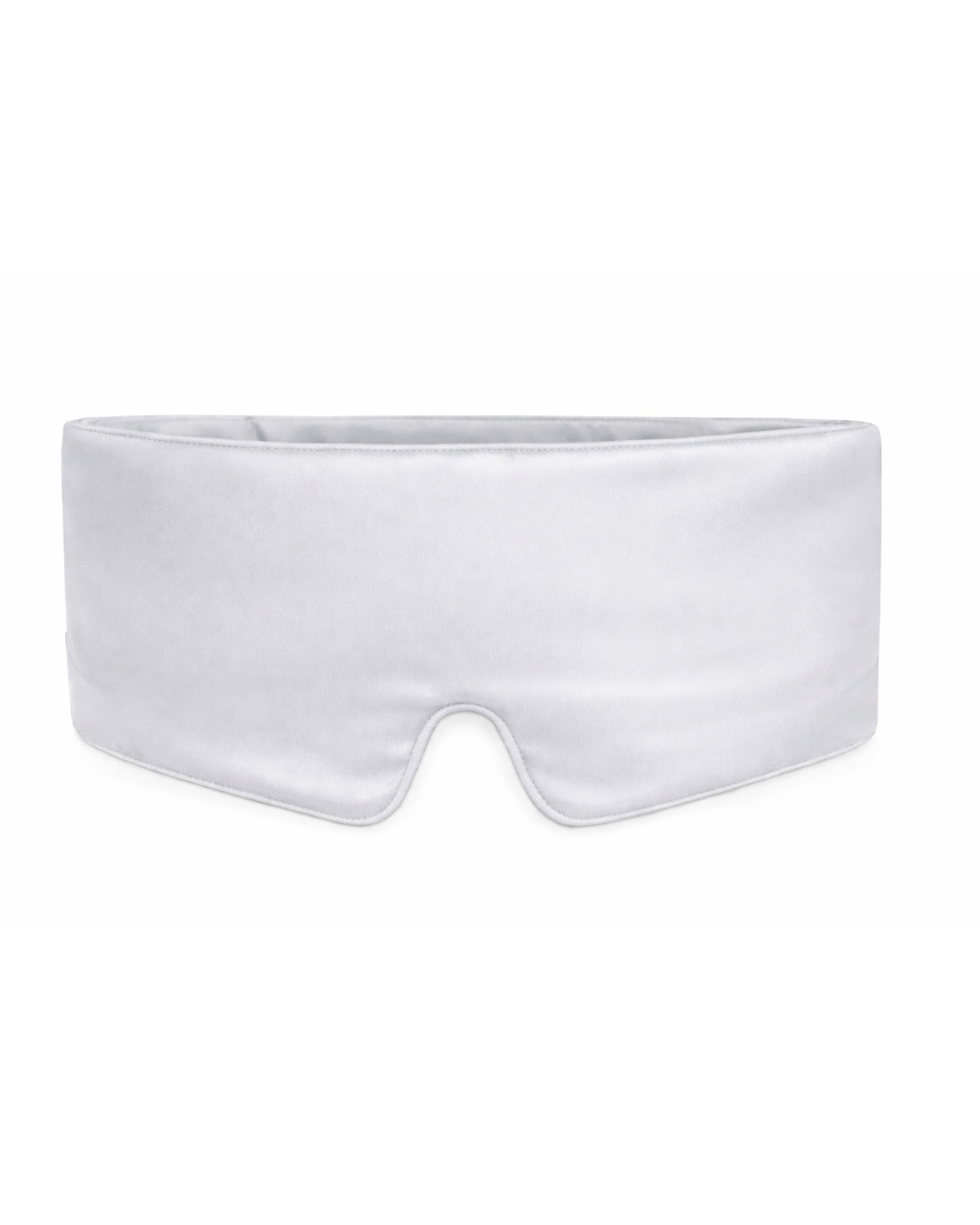
For facial cooling and blackout, the CoolSilk® Silk Eye Mask provides natural temperature regulation and is gentle on menopausal skin, which may become more sensitive during hormonal changes.
Sleep Lab™ Clinical Study, menopausal cohort n=280, 2023.
Frequently Asked Questions
Why does menopause cause night sweats?
Menopause causes oestrogen withdrawal, which disrupts hypothalamic thermostat regulation. The thermoneutral zone narrows from 1.5°C to as little as 0.4°C; meaning any slight rise in core temperature triggers exaggerated vasodilation and sweating. During sleep, bedding creates a warming microclimate that crosses this threshold repeatedly.
What is the best bedding for menopausal night sweats?
The most effective combination: CoolTouch® Performance Comforter (phase-change fabric prevents the heat spike that triggers vasomotor events), TENCEL™ Lyocell sheets (50% faster moisture transport than cotton prevents damp thermal buildup), and CoolCloud® Pillow (manages head/neck temperature where 25–30% of body heat is dissipated).
Can cooling bedding reduce menopausal hot flashes?
Bedding cannot eliminate hot flashes (which are endocrine-driven), but research shows 60% reduction in night sweat episodes for women using active cooling bedding vs standard cotton. The mechanism: cooling bedding maintains the sleep surface below the narrowed vasomotor trigger threshold.
How long do menopausal night sweats last?
The NIH SWAN study found that vasomotor symptoms last an average of 7 years, with peak intensity 1 year before to 2 years after the final menstrual period. Cooling bedding is a safe, evidence-supported intervention throughout this period.