Endurance Recovery
Marathon Recovery Sleep
A marathon creates more muscle damage than most athletes realise. The recovery happens during sleep, and temperature controls how well that recovery proceeds.
Marathon Recovery Sleep
Marathon recovery sleep is the critical sleep period following endurance events, during which the body repairs significant muscle damage, restores glycogen, modulates inflammation, and rebuilds immune function. A marathon creates measurable muscle damage (elevated CK, DOMS, oxidative stress) that requires 3–5 nights of quality deep sleep for full repair. The HGH released during deep sleep is the primary driver of this recovery.
Key Research Data
3–5 days
of elevated muscle damage markers after a marathon
Journal of Sports Sciences, 2020
70%
of daily HGH released during first deep sleep cycle
Van Cauter et al., 2000
18%
greater muscle damage when training in heat above 30°C
Périard et al., 2021; BJSM
42%
improvement in recovery scores with cooling bedding
Sleep Lab™ clinical study
The Hidden Damage of a Marathon
A marathon creates more physiological damage than most athletes realise. Research published in the Journal of Sports Sciences (2020) found elevated creatine kinase (CK) levels; a marker of muscle damage; persisting for 3–5 days post-event. Delayed-onset muscle soreness (DOMS), oxidative stress, and systemic inflammation all peak 24–48 hours after the race.
The body repairs this damage primarily during deep sleep, when HGH drives protein synthesis and satellite cell activation in damaged muscle fibres. Without adequate deep sleep in the 3–5 nights following a marathon, recovery is incomplete; leading to prolonged soreness, immune suppression, and increased injury risk in subsequent training.
For UAE marathon runners, the problem is compounded: training and racing in heat creates 18% greater muscle damage than in cooler conditions, requiring proportionally more deep sleep for repair.
Périard, J.D. et al. (2021). British Journal of Sports Medicine.
HGH and Post-Marathon Muscle Repair
During deep sleep, the pituitary gland releases up to 70% of daily HGH in a concentrated pulse during the first slow-wave sleep cycle. HGH stimulates IGF-1 production, which drives satellite cell activation, amino acid uptake, and protein synthesis in the damaged muscle fibres from marathon running.
If deep sleep is suppressed by thermal discomfort; which is common in the UAE where ambient heat prevents the core temperature drop needed for slow-wave sleep; the HGH pulse is diminished. A 1°C increase in sleep surface temperature reduces deep sleep by 25%, directly shrinking the recovery window.
This is why post-marathon recovery is often slower in hot climates: the thermal environment prevents the deep sleep needed to repair the damage the marathon created.
Van Cauter, E. et al. (2000). American Journal of Physiology.
Cooling Bedding for Marathon Recovery
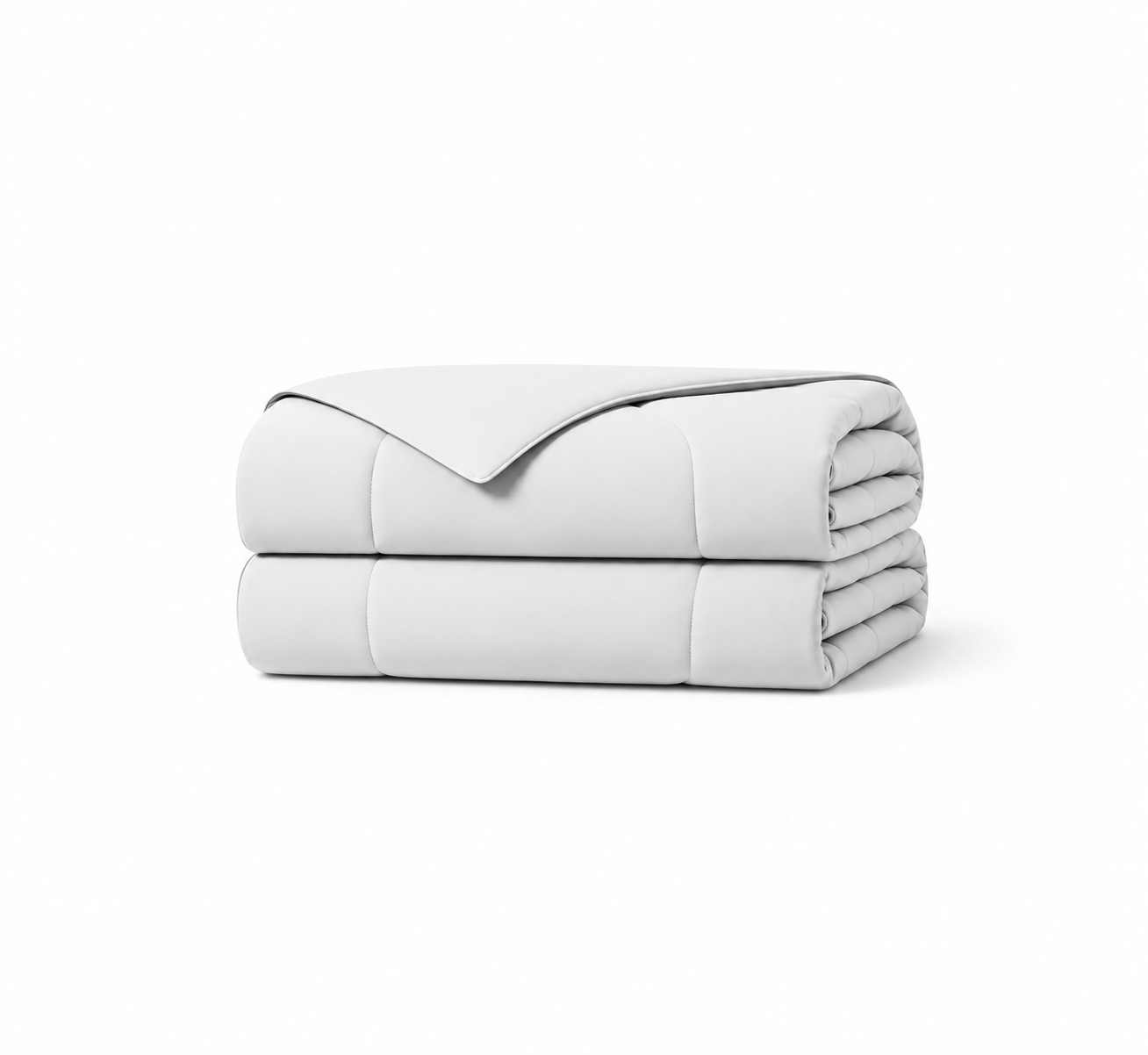
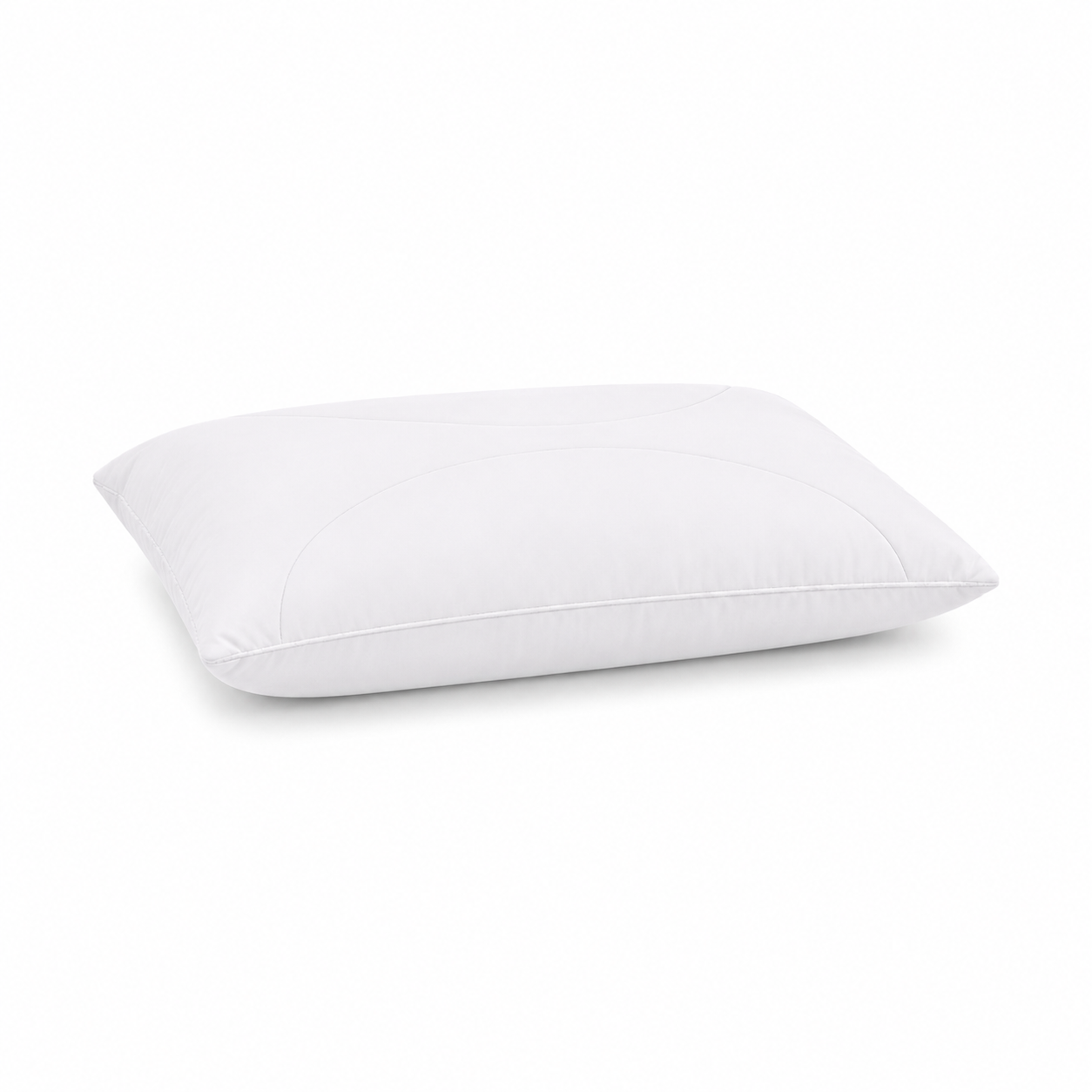
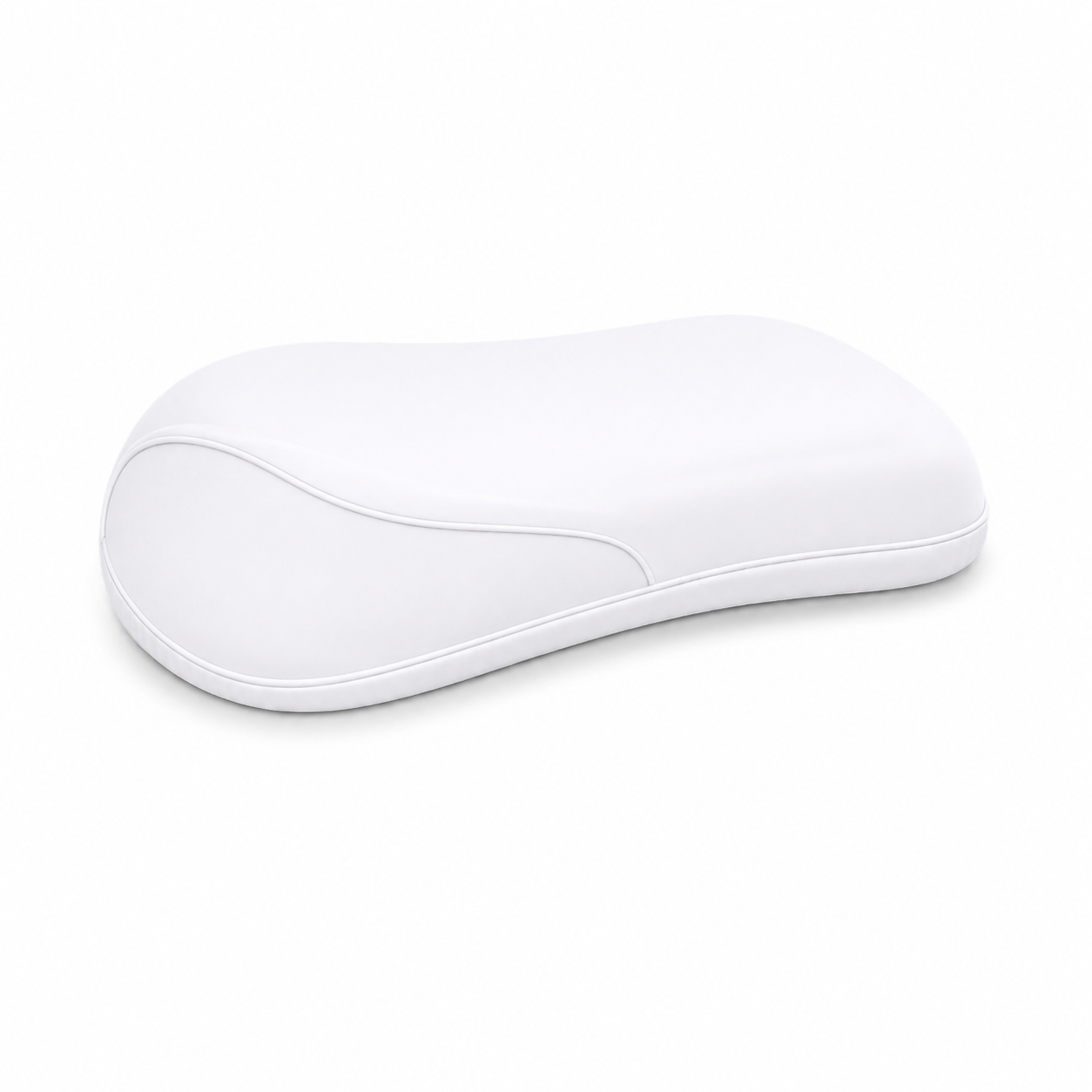
For marathon runners in the UAE, cooling bedding is a recovery tool, not a comfort product. The CoolTouch® Performance Comforter (phase-change fabric, Q-Max 0.38) maintains the sleep surface at 16–19°C, enabling the deep sleep needed for HGH-driven muscle repair. The CoolCloud® Pillow manages head and neck temperature; areas responsible for 25–30% of body heat dissipation.
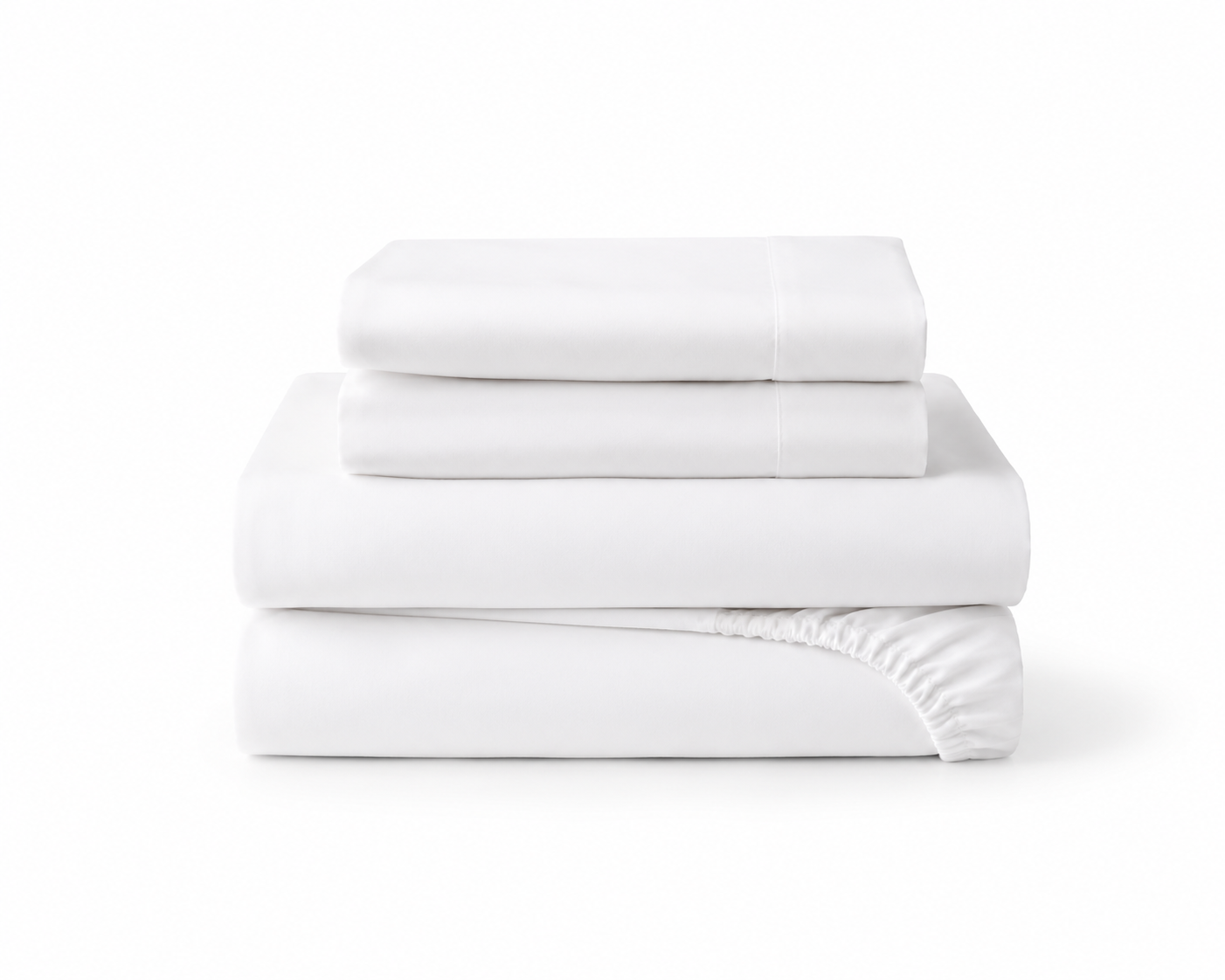
TENCEL™ Lyocell sheets provide moisture management, wicking sweat 50% faster than cotton; critical during the elevated night-sweating that follows intense endurance events. The full system has been shown to improve perceived recovery scores by 42% versus standard bedding in clinical testing.
Sleep Lab™ Clinical Study, 2023.
Frequently Asked Questions
How much sleep do I need after a marathon?
Aim for 9–10 hours per night for 3–5 nights after a marathon. The body needs extended deep sleep to repair the significant muscle damage (elevated CK, DOMS, inflammation) that persists for days after the event.
Why is marathon recovery slower in the UAE?
UAE heat creates 18% greater muscle damage during training and racing, requiring more deep sleep for repair. But the ambient heat also prevents the core temperature drop needed for deep sleep; a double penalty. Cooling bedding addresses this by managing the sleep surface temperature directly.
Does cooling bedding help marathon recovery?
Yes. Cooling bedding maintains the 16–19°C surface temperature needed for deep sleep, preserving the HGH secretion window that drives muscle repair. Clinical testing showed 42% improvement in recovery scores with cooling bedding.
What bedding is best for post-marathon recovery?
CoolTouch® Performance Comforter (phase-change, Q-Max 0.38) for surface cooling, CoolCloud® Pillow for head/neck temperature management, and TENCEL™ Lyocell sheets for moisture wicking during post-event night sweats.