Material Science
Lyocell Fabric
A regenerated cellulosic fibre that combines the comfort of natural fibres with the performance of engineered materials; sustainably produced and naturally cooling.
Lyocell
Lyocell is a regenerated cellulosic fibre made from wood pulp (typically eucalyptus, oak, or birch). It is produced using a closed-loop solvent spinning process where the solvent (NMMO) is recovered and reused at 99% efficiency. TENCEL™ is the brand name for lyocell produced by Lenzing AG. Lyocell fibres have a smooth, circular cross-section that provides superior breathability, moisture management, and softness compared to cotton.
Key Research Data
50%
more breathable than cotton
Lenzing AG, 2023
99%
solvent recovery in closed-loop production
Lenzing AG Sustainability Report
0.25
Q-Max rating (W/cm²); good natural cooling
AATCC Test Method 195
50%
faster moisture management than cotton
Lenzing AG, 2023
What Is Lyocell and How Is It Made
Lyocell is a regenerated cellulosic fibre; meaning it is made from natural cellulose (wood pulp) that is dissolved and reformed into fibres. The production process:
1. Wood pulp (typically eucalyptus) is harvested from sustainably managed forests. 2. The pulp is dissolved in NMMO (N-methylmorpholine N-oxide), a non-toxic solvent. 3. The cellulose solution is extruded through fine nozzles to form continuous fibres. 4. The fibres are washed, dried, and spun into yarn. 5. The solvent is recovered and reused at 99% efficiency; making this a closed-loop process.
This is fundamentally different from cotton (which is grown as a crop requiring significant water and pesticides) and from synthetic fibres like polyester (which is derived from petroleum). Lyocell combines the natural comfort of cellulose with an engineered, sustainable production process.
TENCEL™ is the premium brand of lyocell produced by Lenzing AG, an Austrian company that is the global leader in sustainable fibre production.
Lenzing AG. Lyocell Production Process Documentation, 2023.
Lyocell's Cooling Properties
Lyocell's cooling performance comes from its unique fibre structure. The smooth, circular cross-section of lyocell fibres creates several cooling advantages:
1. Air permeability: The smooth fibre surface allows air to circulate through the fabric more freely than cotton's irregular surface, increasing breathability by 50%.
2. Moisture absorption: Lyocell fibres absorb moisture into the interior of the fibre structure and release it rapidly. This is fundamentally different from cotton, which absorbs moisture but releases it slowly. The result is 50% faster moisture management.
3. Evaporative cooling: By rapidly transporting sweat to the fabric surface for evaporation, lyocell facilitates the body's natural evaporative cooling process; the primary mechanism by which the body regulates temperature during sleep.
Lyocell's Q-Max rating of 0.25 W/cm² provides good natural cooling; not as strong as phase-change fabrics (CoolTouch® Q-Max 0.38) but significantly better than cotton (0.10–0.15). For maximum cooling, lyocell is best combined with phase-change fabric technology.
AATCC Test Method 195. | Lenzing AG. Technical Data.
Lyocell vs Other Sleep Fabrics
Compared to common sleep fabrics, lyocell offers the best balance of cooling, comfort, and sustainability:
• vs Cotton: Lyocell is 50% more breathable, 50% faster at moisture management, has better cooling (Q-Max 0.25 vs 0.10–0.15), and is more sustainably produced (closed-loop vs water-intensive farming).
• vs Polyester: Lyocell is vastly more breathable (polyester has very low breathability), far superior at moisture management, naturally hypoallergenic, and biodegradable (polyester is not).
• vs Bamboo: Both are cellulosic fibres, but lyocell's closed-loop production is more sustainable than bamboo's chemical processing. Lyocell also has a smoother fibre surface and better moisture management.
• vs Silk: Silk has a smoother surface and similar moisture management, but lyocell is more affordable, more durable, and easier to care for.
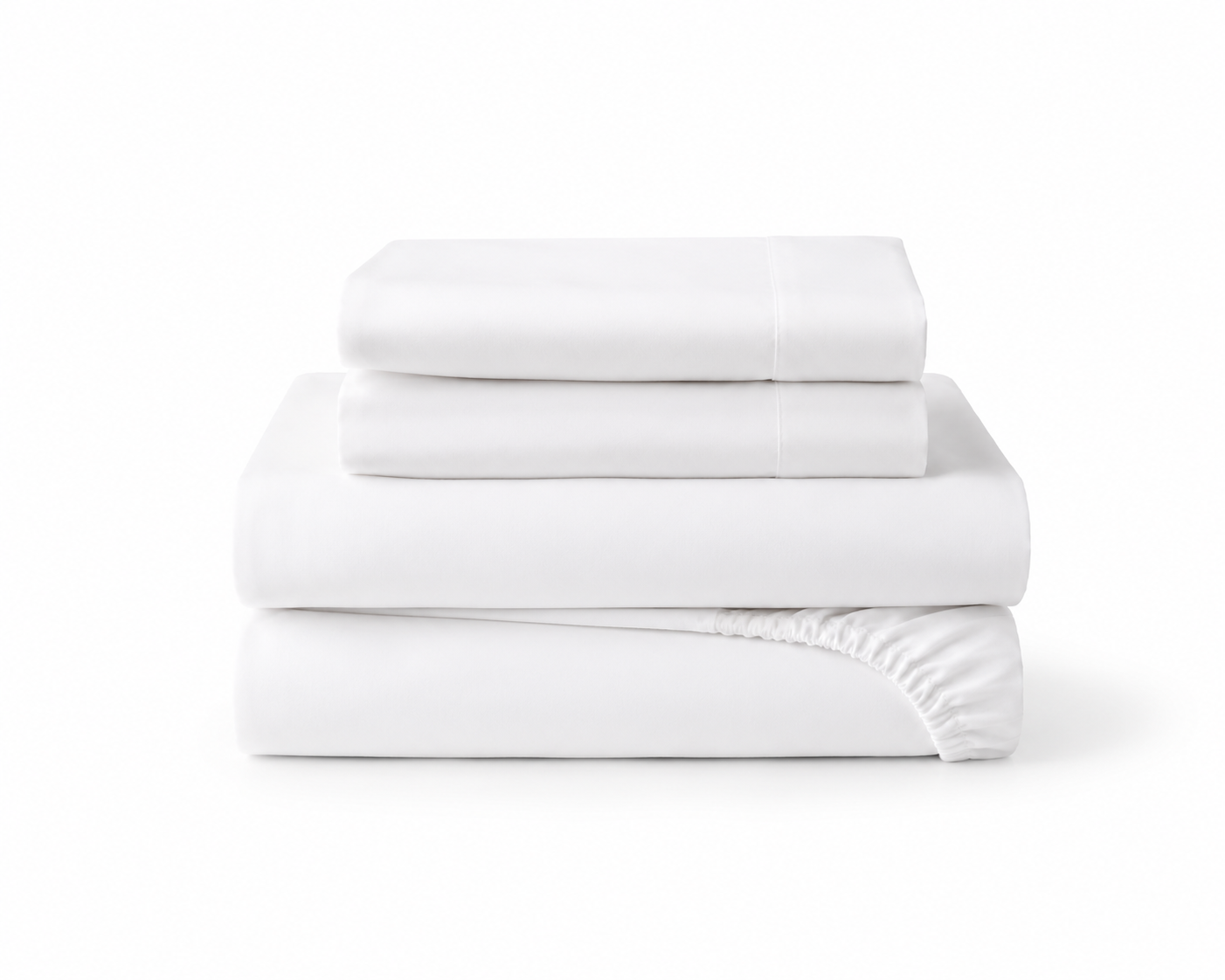
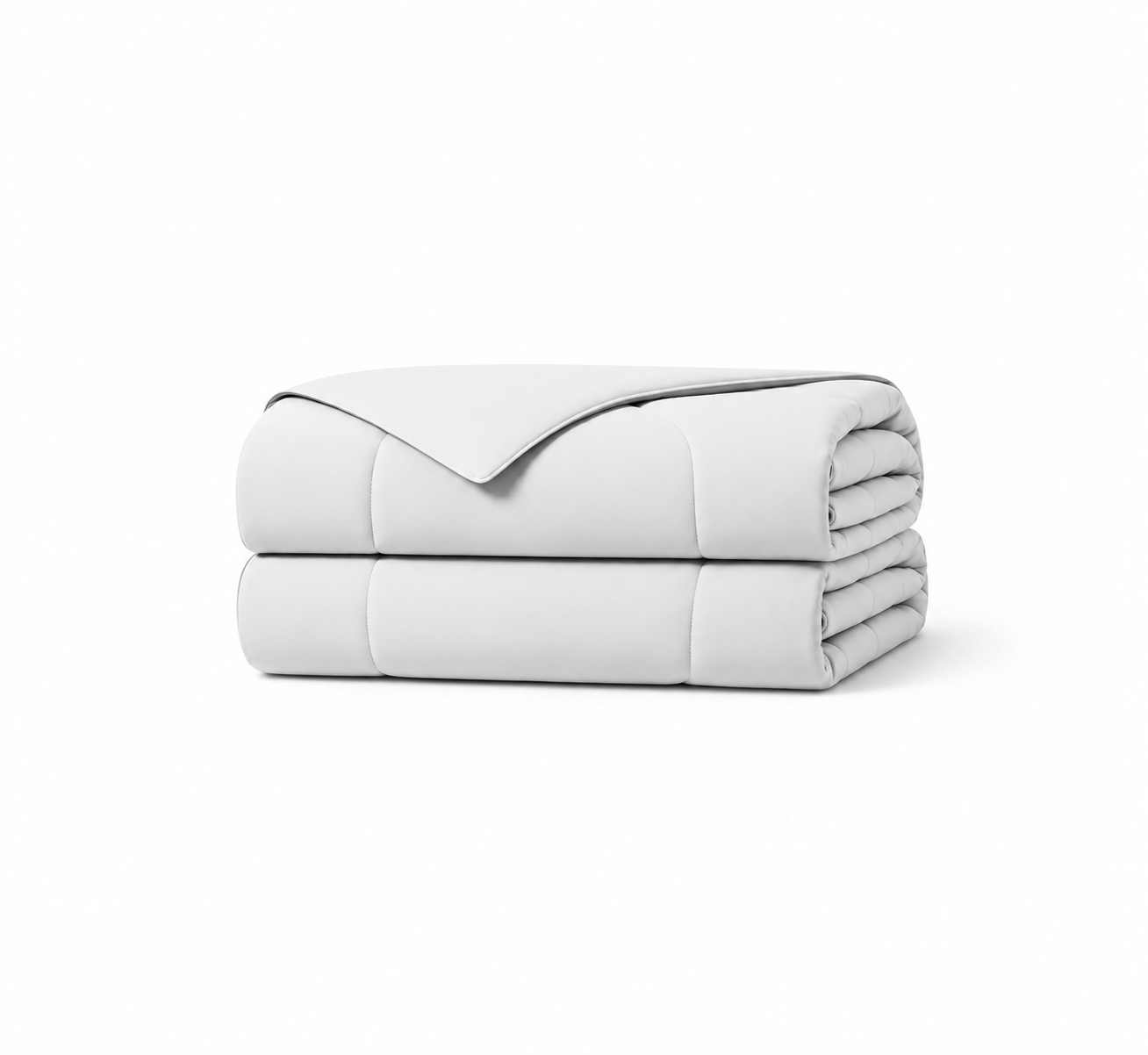
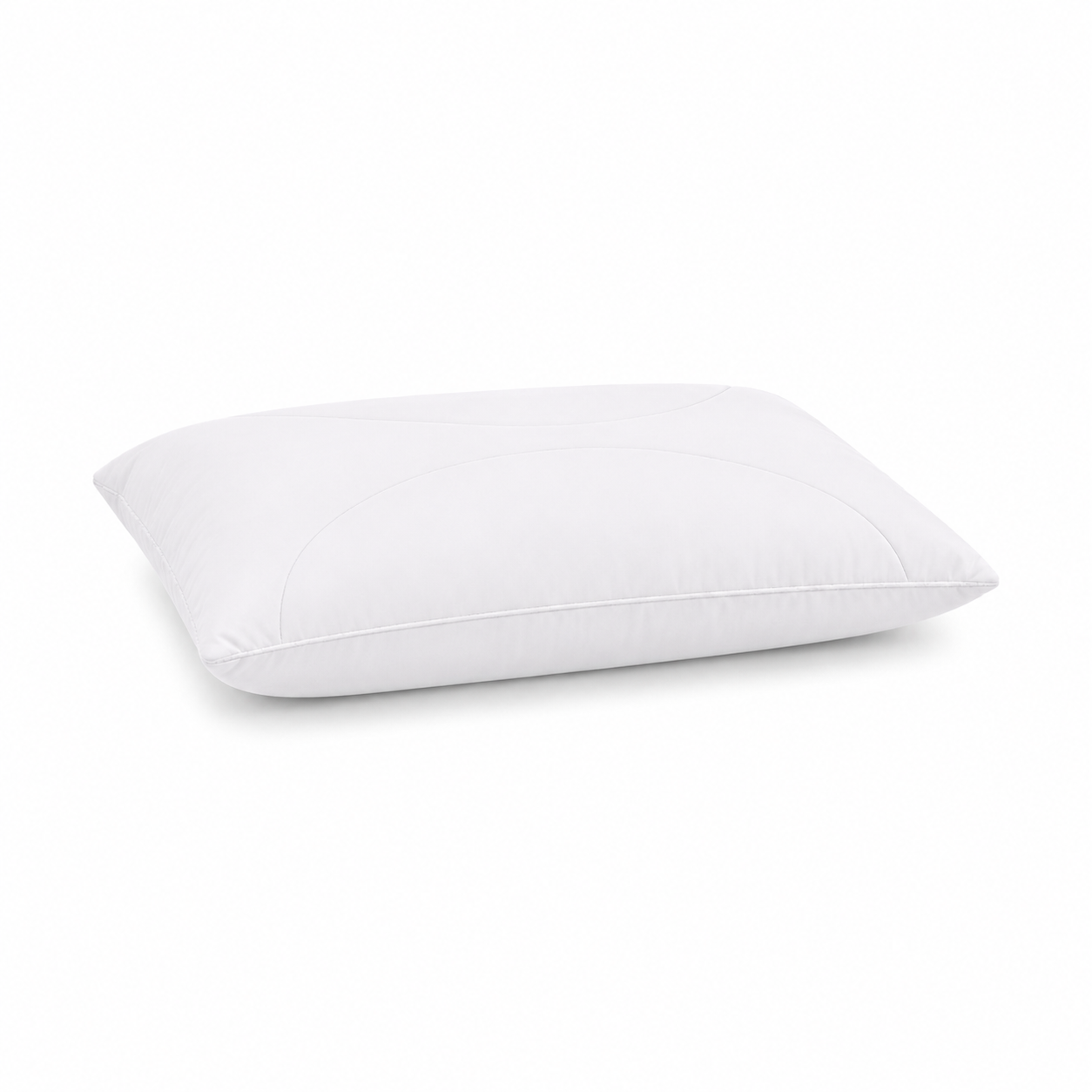
The Sleep Lab™ uses TENCEL™ Lyocell (the premium lyocell brand) in its bedding sets, combined with CoolTouch® phase-change fabric for maximum cooling performance.
Lenzing AG. Fibre Comparison Data, 2023.
Frequently Asked Questions
What is lyocell fabric?
Lyocell is a regenerated cellulosic fibre made from wood pulp (typically eucalyptus) using a closed-loop solvent process with 99% recovery. It has a smooth, circular fibre structure that provides 50% more breathability and 50% faster moisture management than cotton. TENCEL™ is the premium brand of lyocell.
Is lyocell good for sleep?
Yes. Lyocell is 50% more breathable than cotton, 50% faster at moisture management, naturally hypoallergenic, and has a Q-Max of 0.25 W/cm² (good natural cooling). Its smooth surface reduces friction against skin, making it ideal for sleep.
Is lyocell the same as TENCEL™?
TENCEL™ is a brand of lyocell produced by Lenzing AG. All TENCEL™ is lyocell, but not all lyocell is TENCEL™. TENCEL™ is the premium brand with the strictest quality and sustainability standards. The Sleep Lab™ uses TENCEL™ Lyocell in its bedding.
Is lyocell better than cotton?
For sleep, yes. Lyocell is 50% more breathable, 50% faster at moisture management, has better cooling, is naturally hypoallergenic, has lower friction against skin, and is more sustainably produced. The only advantage of cotton is lower cost.