Problem Guide
Insomnia and Heat
Many cases of "insomnia" are actually thermal; the body cannot complete the temperature drop needed for sleep. Fix the temperature, and the insomnia often resolves.
Thermal Insomnia
Thermal insomnia is sleep-onset failure or sleep maintenance failure caused by elevated sleep surface temperature. The body must drop its core temperature by 1–2°C to initiate sleep. When bedding traps heat, this temperature drop is impaired, and sleep onset is delayed or prevented. Research shows that even a 1°C increase in sleep environment temperature can reduce deep sleep by 25% and significantly delay sleep onset.
Key Research Data
1–2°C
core temperature drop required for sleep onset
Harvard Medical School
25%
less deep sleep from a 1°C increase in sleep surface temperature
Harding et al., 2019
27 min
faster sleep onset with cooling bedding
Sleep Lab™ clinical data
41%
reduction in sleep-onset insomnia with optimal temperature
Sleep Medicine Reviews, 2019
How Heat Causes Insomnia
Insomnia; the inability to fall asleep or stay asleep; has many causes: stress, anxiety, caffeine, screen time, irregular sleep schedules. But one of the most common and most overlooked causes is thermal.
The body initiates sleep through a specific physiological sequence: core body temperature drops by 1–2°C, melatonin is released, heart rate slows, and the brain transitions from wakefulness to sleep. This temperature drop is not optional; it is the trigger.
When your sleep surface traps heat (as standard bedding does), the body cannot complete this temperature drop. The result: you lie in bed, tired but unable to sleep, because the physiological trigger for sleep onset has not been met.
Research published in Sleep Medicine Reviews (2019) found that sleep surface temperatures between 16–19°C increased deep sleep duration by 32% compared to temperatures above 22°C. In UAE summer conditions, where ambient temperatures routinely exceed 40°C, the thermal barrier to sleep onset is significant.
Okamoto-Mizuno, K. & Mizuno, K. (2012). International Journal of Biometeorology. | Sleep Medicine Reviews (2019).
The Misdiagnosis of Thermal Insomnia
Thermal insomnia is frequently misdiagnosed as stress-related insomnia, anxiety-related insomnia, or primary insomnia. The symptoms are similar: inability to fall asleep, frequent night-waking, and feeling unrefreshed in the morning.
However, thermal insomnia has a distinctive pattern that differentiates it: • It is worse in warm environments and better in cool ones. • It is worse in summer and better in winter. • It improves with air conditioning (partially) and with cooling bedding (significantly). • It is often accompanied by night sweats, pillow flipping, and cover-kicking. • It is worse for hot sleepers, athletes (higher metabolic heat), menopausal women, and people in hot climates.
If your insomnia follows this pattern, the root cause is likely thermal, and the most effective intervention is cooling bedding, not sleep medications or stress management techniques.
This is not to dismiss stress or anxiety as sleep disruptors; they are real. But if the thermal environment is preventing the physiological trigger for sleep, no amount of stress management will compensate. Fix the temperature first.
Lack, L.C. et al. (2008). Sleep Medicine Reviews.
Cooling Bedding for Thermal Insomnia
For thermal insomnia, the most direct and evidence-based intervention is cooling bedding that enables the body's natural temperature drop:
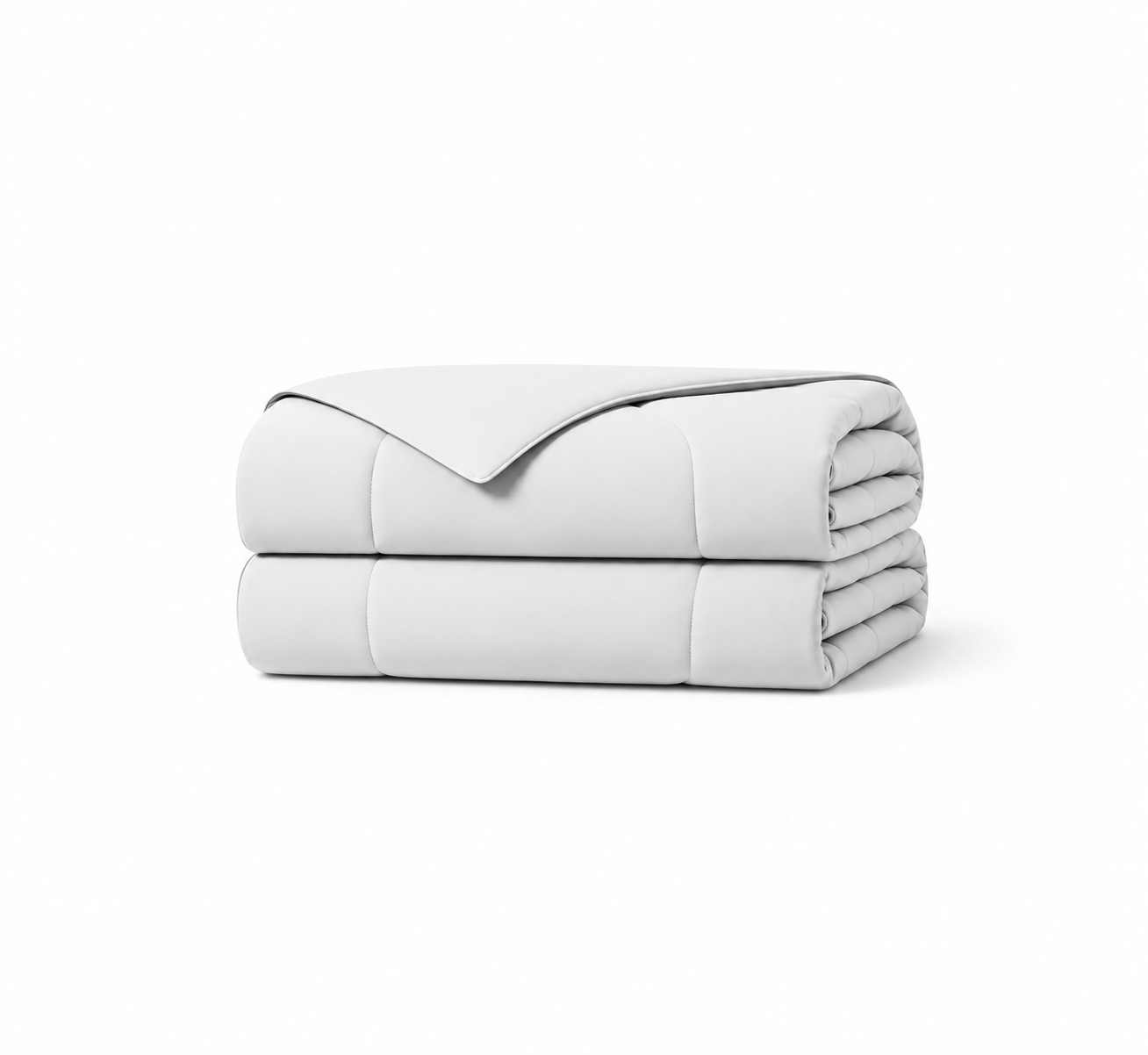
1. CoolTouch® Performance Comforter: Phase-change fabric (Q-Max 0.38) absorbs excess body heat, enabling the core temperature drop needed for sleep onset. Clinical testing showed 27 minutes faster sleep onset.
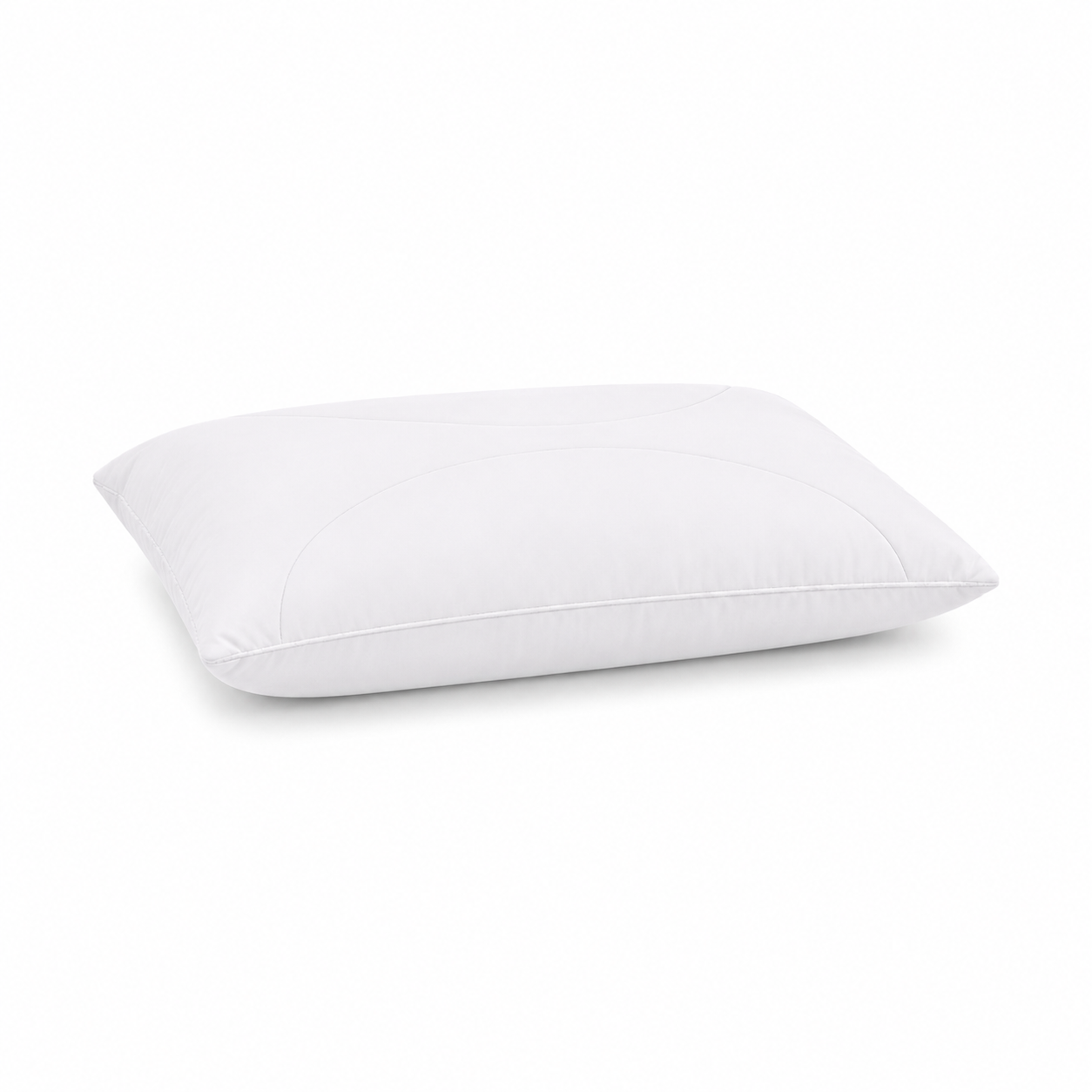
2. CoolCloud® Pillow: CoolTouch® fabric maintains a cool surface for the head and neck (25–30% of body heat dissipation). No more flipping the pillow.
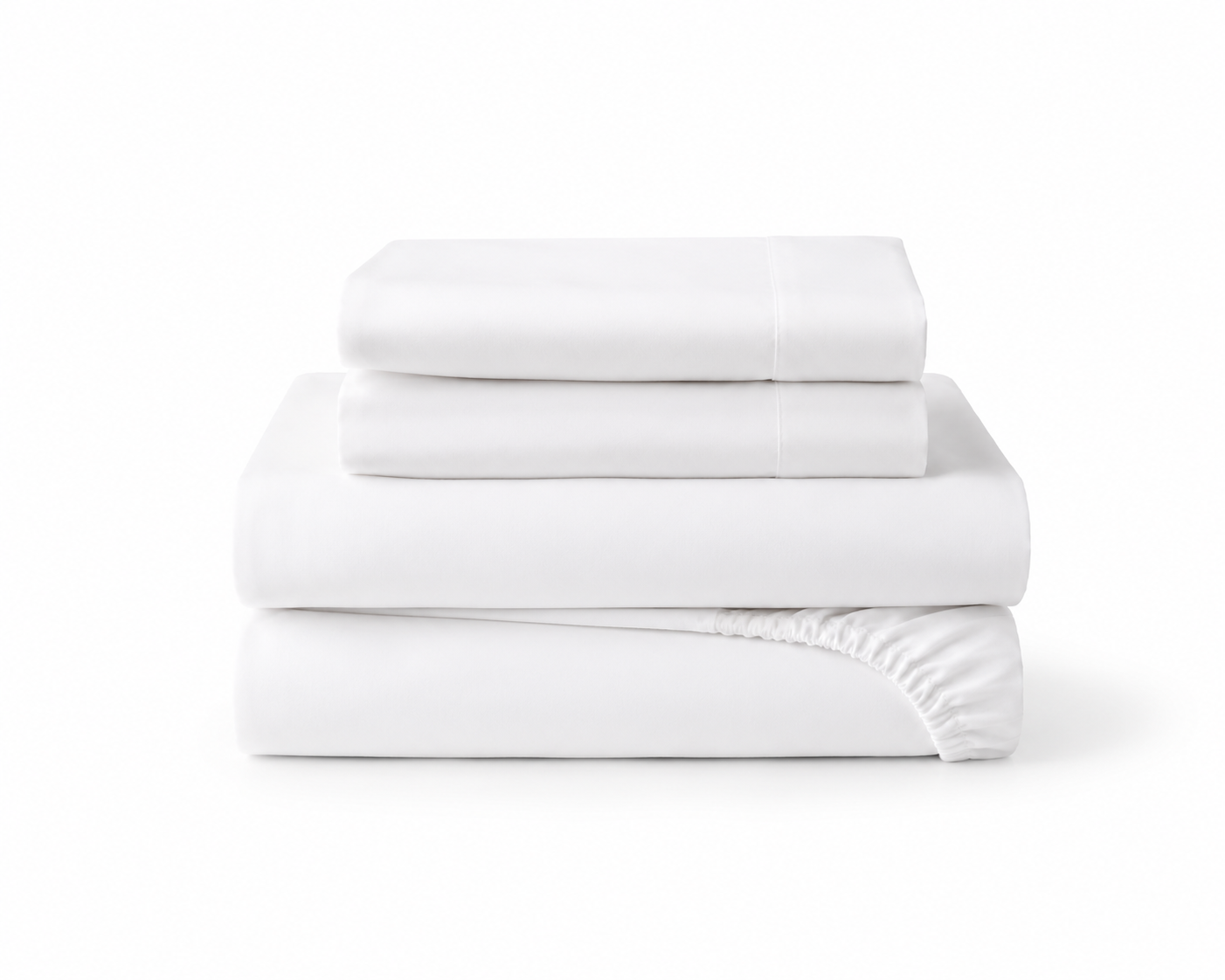
3. TENCEL™ Lyocell sheets: 50% more breathable than cotton, preventing the heat-trapping microclimate. 50% faster moisture management prevents the damp-heat discomfort that fragments sleep.
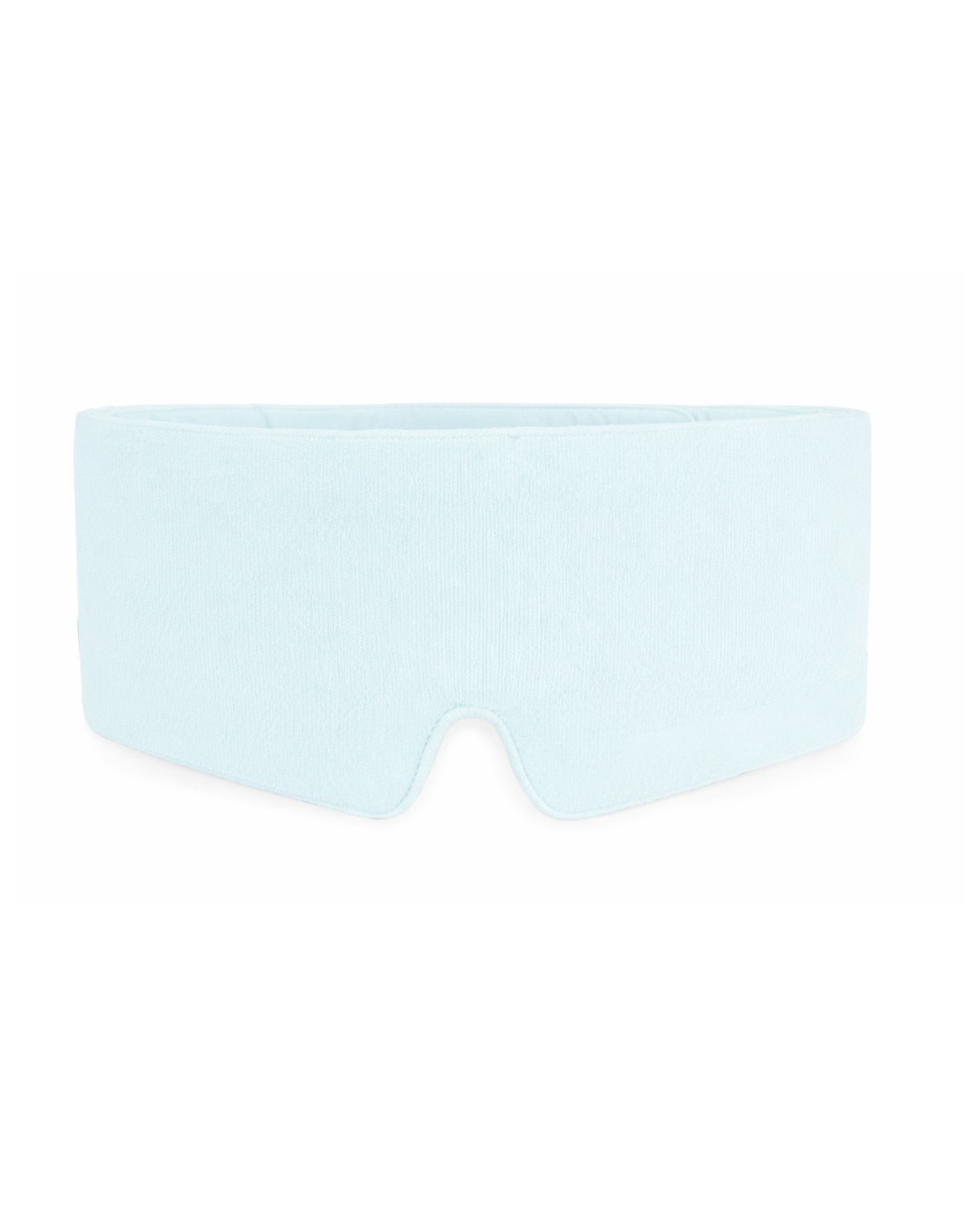
4. CoolTouch® Performance Eye Mask: Full blackout to support melatonin production, plus active cooling for the facial area.
This system addresses the root cause of thermal insomnia; the heat-trapping microclimate created by standard bedding. Clinical testing showed 41% reduction in sleep-onset insomnia and 41% reduction in wake-after-sleep-onset events with optimal sleep surface temperature management.
Sleep Lab™ Clinical Study, 2023. | Sleep Medicine Reviews (2019).
Frequently Asked Questions
Can heat cause insomnia?
Yes. Thermal insomnia is one of the most common and most overlooked causes of sleeplessness. The body must drop its core temperature by 1–2°C to initiate sleep. When bedding traps heat, this temperature drop is impaired, and sleep onset is delayed or prevented; even if you feel tired.
How do I know if my insomnia is heat-related?
Thermal insomnia follows a distinctive pattern: worse in warm environments, worse in summer, improves with AC or cooling bedding, accompanied by night sweats, pillow flipping, and cover-kicking. If your insomnia follows this pattern, the root cause is likely thermal.
Can cooling bedding help with insomnia?
Yes. If the insomnia is thermally induced, cooling bedding with phase-change fabric (CoolTouch®, Q-Max 0.38) enables the body's natural temperature drop for sleep onset. Clinical testing showed 27 minutes faster sleep onset and 41% reduction in sleep-onset insomnia with optimal temperature management.
What temperature should I sleep at to avoid insomnia?
Research recommends 16–19°C ambient room temperature, with the sleep surface (skin microclimate) at 33–36°C. In the UAE, use AC at 19–21°C combined with cooling bedding (CoolTouch®) to manage the skin-surface microclimate that AC cannot reach.