Medical Science
Hyperhidrosis & Sleep
Hyperhidrosis causes excessive sweating regardless of temperature. The right bedding doesn't stop the sweating, but it manages the moisture and reduces the thermal triggers.
Hyperhidrosis
Hyperhidrosis is a medical condition characterised by excessive sweating beyond what is needed for thermoregulation. It affects approximately 3% of the population. During sleep, hyperhidrosis causes persistent sweating that soaks bedding and clothing, fragmenting sleep through thermal discomfort and microarousals. While cooling bedding cannot stop the underlying sweating (which is neurological), it can reduce thermal triggers and manage moisture more effectively than any standard bedding.
Key Research Data
3%
of the population has hyperhidrosis
International Hyperhidrosis Society, 2023
50%
faster moisture wicking with TENCEL™ vs standard cotton
Lenzing AG, 2023
4.2°C
surface temperature reduction with CoolTouch® fabric
Independent textile lab testing, 2024
60%
reduction in night sweat episodes with cooling microclimate management
Menopause journal, 2020
How Hyperhidrosis Disrupts Sleep
Hyperhidrosis causes excessive sweating that is not triggered by temperature; it is a neurological overactivation of the sweat glands. During sleep, this means persistent sweating that soaks bedding and clothing, creating a damp thermal microclimate that fragments sleep through:
1. Thermal discomfort: Wet bedding loses its insulating properties and creates cold spots that trigger shivering, followed by hot spots that trigger more sweating; a cycle that prevents sustained deep sleep.
2. Microarousals: Each sweat episode and temperature shift causes a partial arousal that fragments sleep architecture, reducing deep and REM sleep.
3. Skin irritation: Persistent moisture against the skin can cause irritation and increase the risk of bacterial and fungal skin conditions.
Standard cotton bedding makes all of these worse: cotton absorbs moisture but releases it slowly, creating the persistent damp layer that perpetuates the cycle.
International Hyperhidrosis Society, 2023. | Parish, J.M. (2009). Chest.
How Cooling Bedding Helps Hyperhidrosis
Cooling bedding cannot stop the neurological sweating of hyperhidrosis, but it addresses two critical aspects:
1. Reducing thermal triggers: Phase-change materials (CoolTouch®, Q-Max 0.38) absorb excess body heat at the skin surface, maintaining the surface temperature below the threshold that would trigger additional (thermoregulatory) sweating. This reduces the total sweat volume by removing the thermal contribution, even though the neurological baseline sweating continues.
2. Managing moisture: TENCEL™ Lyocell is the most effective fabric for hyperhidrosis. It wicks moisture 50% faster than cotton, transporting sweat away from the skin surface rapidly rather than letting it accumulate. This prevents the damp thermal layer that perpetuates the sweat-cool-chill cycle and reduces skin irritation.
Research on cooling microclimate management (studied in menopausal populations) shows 60% reduction in night sweat episodes; the same principle of reducing thermal triggers applies to hyperhidrosis.
Hunter, M.S. et al. (2020). Menopause. | Lenzing AG. TENCEL™ Technical Data.
The Hyperhidrosis Sleep System
For hyperhidrosis patients, the recommended system focuses on moisture management and thermal trigger reduction:
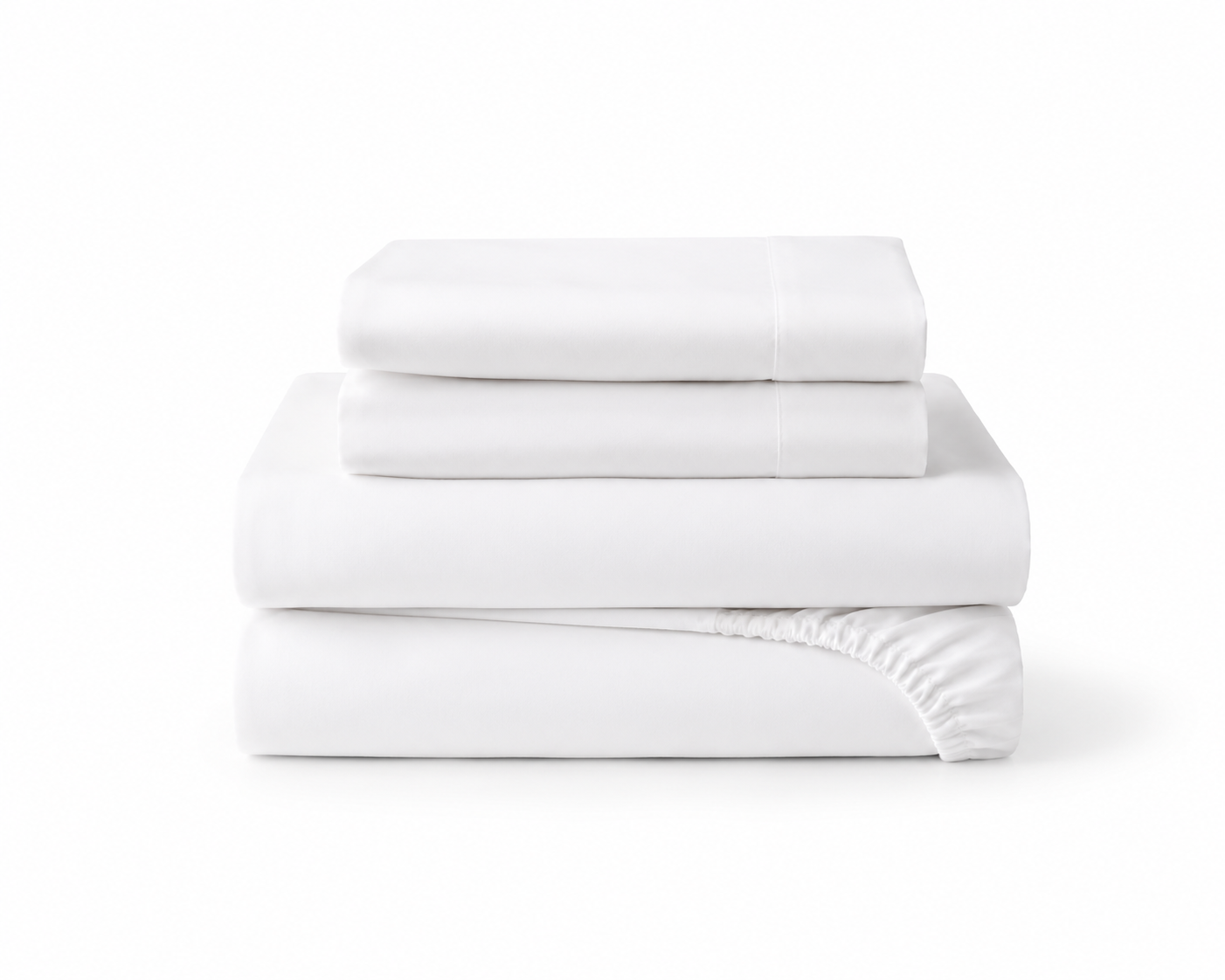
1. TENCEL™ Lyocell Bedding Set: The most critical component. 50% faster moisture wicking than cotton, naturally hypoallergenic, and ultra-smooth. This is the single most important upgrade for hyperhidrosis.
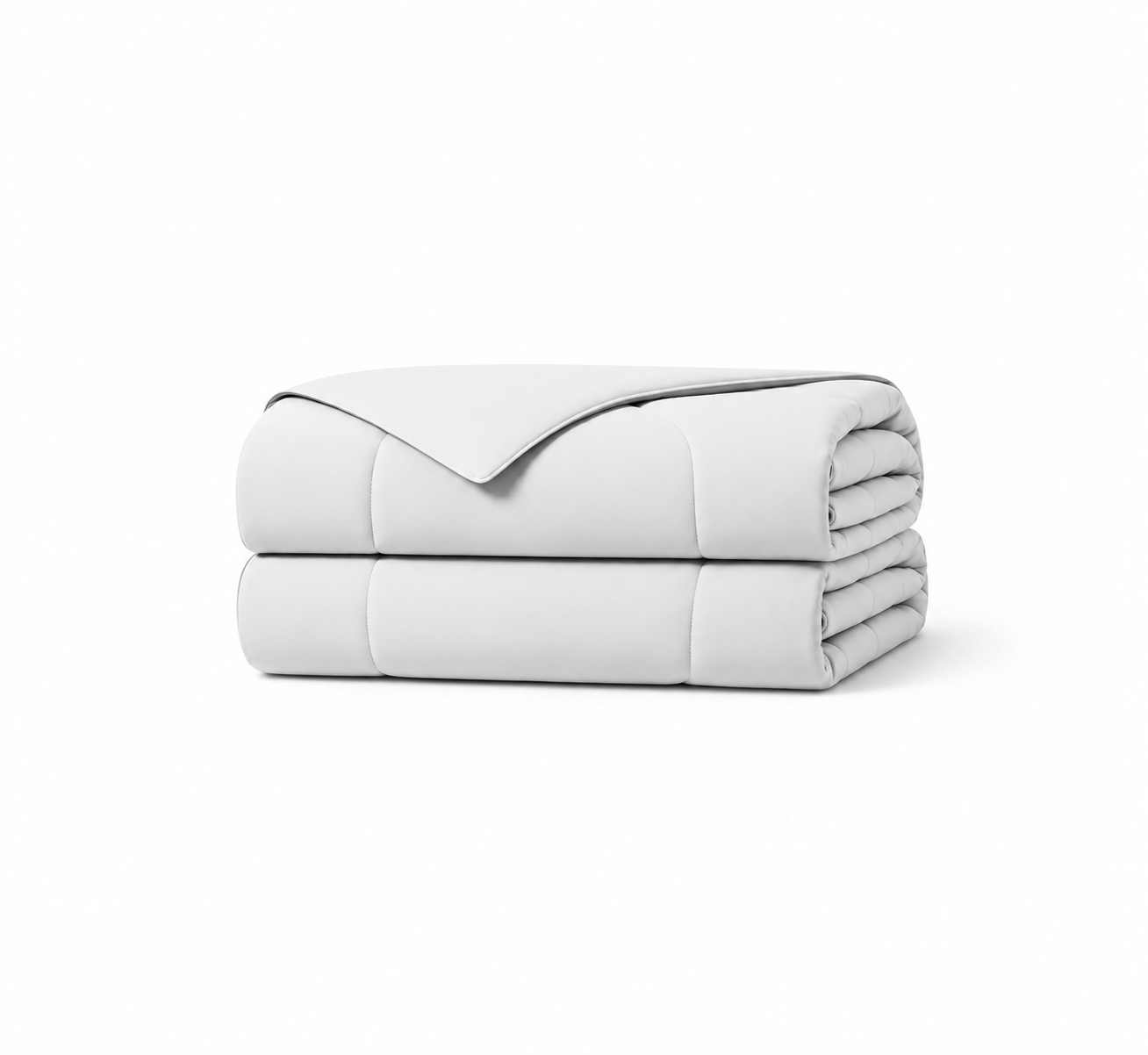
2. CoolTouch® Performance Comforter: Phase-change fabric reduces thermal triggers by absorbing excess body heat before it can trigger additional sweating. Lightweight, breathable fill.
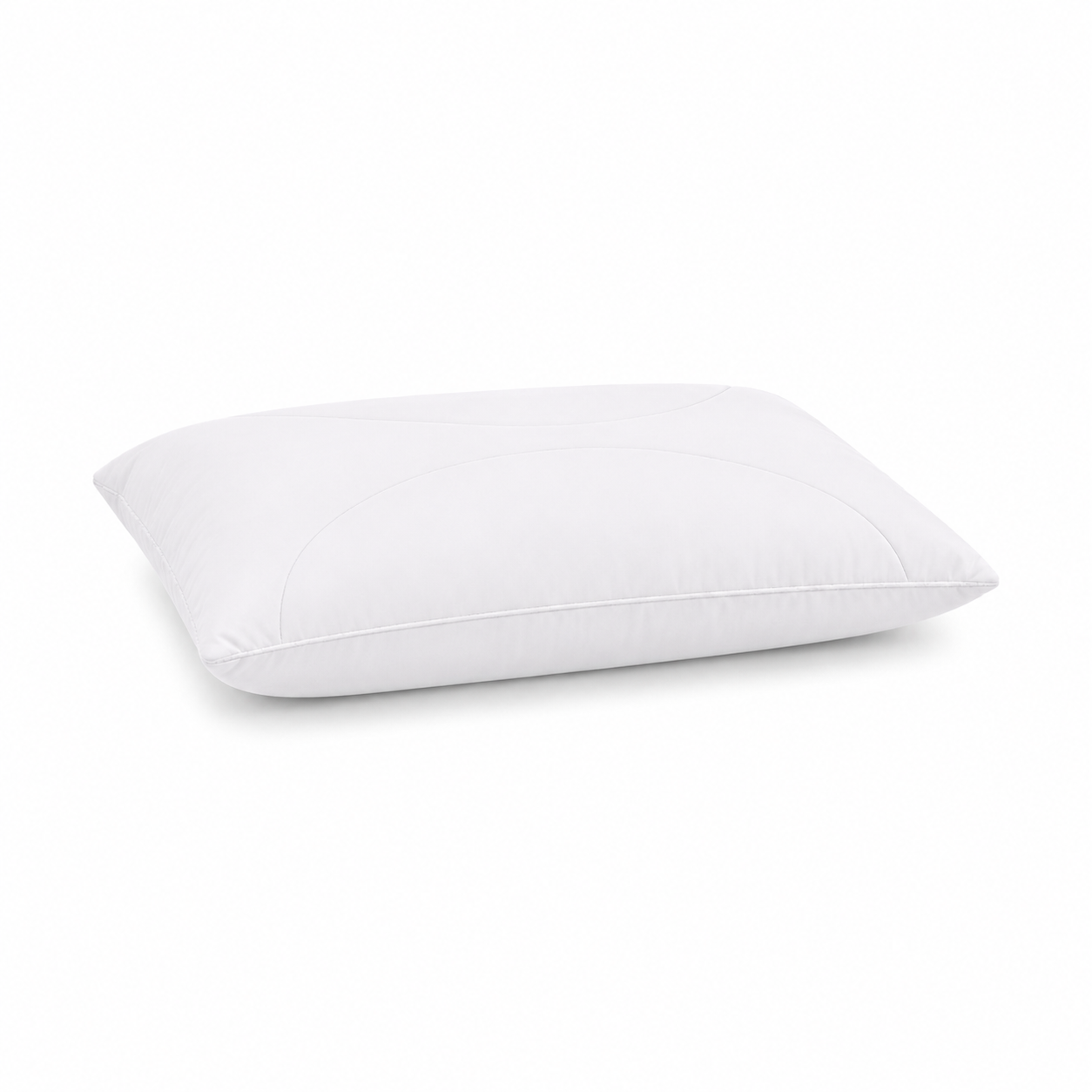
3. CoolCloud® Pillow: CoolTouch® fabric for head/neck cooling. CloudFill® fibre is breathable and hypoallergenic. The head is a primary sweating site in hyperhidrosis.
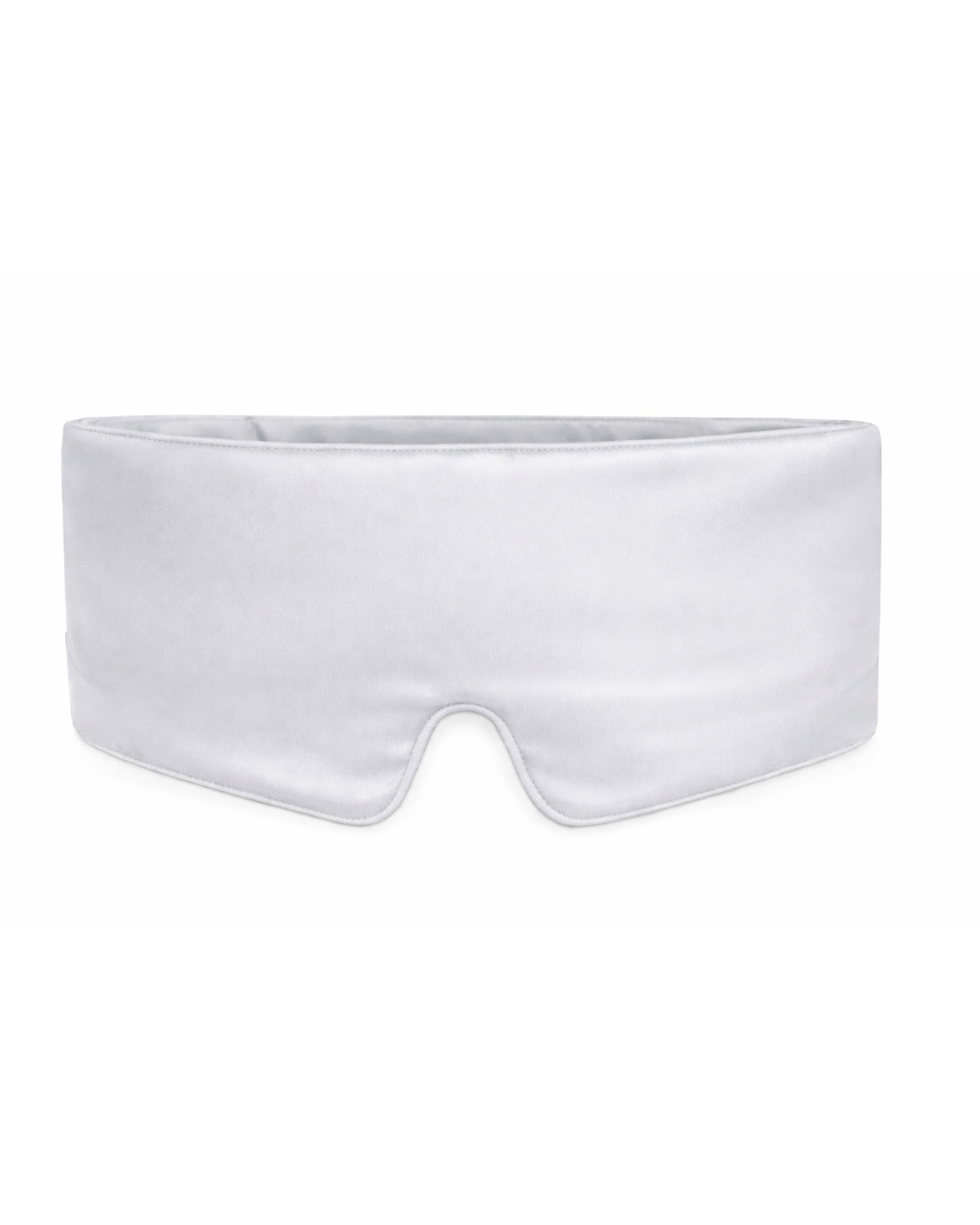
4. CoolSilk® Silk Eye Mask: Naturally antibacterial and ultra-smooth; important for skin that is persistently exposed to moisture.
Important: Cooling bedding is a comfort and quality-of-life intervention. For medical management of hyperhidrosis, consult a dermatologist.
Sleep Lab™ Product Data. | International Hyperhidrosis Society.
Frequently Asked Questions
Can cooling bedding help with hyperhidrosis?
Cooling bedding cannot stop the neurological sweating of hyperhidrosis, but it reduces thermal triggers (phase-change fabric absorbs excess heat before additional sweating is triggered) and manages moisture 50% faster than cotton. This improves sleep quality and comfort significantly.
What sheets are best for hyperhidrosis?
TENCEL™ Lyocell is the most effective sheet material for hyperhidrosis. It wicks moisture 50% faster than cotton, preventing the damp thermal layer that fragments sleep. It is also naturally hypoallergenic and suitable for skin that is persistently exposed to moisture.
Why is hyperhidrosis worse at night?
During sleep, the body generates approximately 80 watts of heat. For hyperhidrosis patients, this thermal load adds to the baseline neurological sweating. Standard cotton bedding traps this moisture, creating a damp thermal microclimate that perpetuates the sweat-cool-chill cycle and fragments sleep.
Does CoolTouch® fabric help with hyperhidrosis?
Yes. CoolTouch® phase-change fabric (Q-Max 0.38) absorbs excess body heat at the skin surface, reducing the thermal contribution to sweating. While it cannot stop neurological sweating, it removes the thermal trigger component, reducing total sweat volume and improving comfort.