Endocrine Science
Hormones & Body Temperature
Your hormonal system controls your body's thermostat. When hormones shift, your temperature regulation, and your sleep; shifts with them.
Hormonal Thermoregulation
Hormonal thermoregulation is the process by which hormones; particularly oestrogen, progesterone, testosterone, and thyroid hormones; modulate the hypothalamic thermostat that controls body temperature. When hormone levels fluctuate (menopause, pregnancy, menstrual cycle, andropause, thyroid disorders), the thermoneutral zone shifts, causing temperature dysregulation that directly affects sleep quality.
Key Research Data
1.5°C → 0.4°C
thermoneutral zone narrowing from premenopause to postmenopause
Freedman, R.R., 2001
+0.5–1°C
basal body temperature increase from progesterone during pregnancy
ACOG
10–15%
testosterone reduction from 1 week of 5-hour sleep restriction
Leproult & Van Cauter, 2011; JAMA
3.2°C
surface temperature reduction with CoolTouch® fabric
Independent textile lab testing, 2024
How Hormones Control Your Thermostat
The hypothalamus; specifically the preoptic area; is the body's thermostat. It maintains core temperature within a narrow range called the thermoneutral zone. Within this zone, the body does not need to trigger heating (shivering) or cooling (sweating) responses.
Several hormones modulate the width of this zone: • Oestrogen widens the thermoneutral zone, providing temperature stability. Declining oestrogen (menopause) narrows it dramatically; to as little as 0.4°C. • Progesterone raises basal body temperature by 0.5–1°C (which is why basal body temperature tracking is used for ovulation detection). • Testosterone influences metabolic rate and heat production. Sleep restriction reduces testosterone by 10–15% in one week. • Thyroid hormones directly control metabolic rate and heat production. Both hyper- and hypothyroidism disrupt sleep thermoregulation.
When any of these hormones fluctuate, the body's temperature regulation, and therefore sleep quality; is directly affected.
Freedman, R.R. (2014). Journal of Steroid Biochemistry. | Leproult, R. & Van Cauter, E. (2011). JAMA.
Hormonal Shifts and Sleep Disruption
Hormonal fluctuations cause sleep disruption through the thermoregulatory system:
Menopause: Oestrogen withdrawal narrows the thermoneutral zone from 1.5°C to 0.4°C, causing hot flashes and night sweats. 75% of menopausal women experience these vasomotor symptoms, which last an average of 7 years.
Pregnancy: Progesterone raises basal temperature by 0.5–1°C, and increased blood volume raises heat production. 78% of pregnant women report sleep disturbance including overheating.
Menstrual cycle: Progesterone rises in the luteal phase, raising body temperature 0.3–0.5°C, which can impair sleep quality in the week before menstruation.
Andropause: Testosterone decline in ageing men affects metabolic rate and sleep quality, contributing to night sweats and sleep fragmentation.
In all cases, cooling bedding helps by managing the sleep surface temperature, keeping the body below the trigger threshold for vasomotor events despite hormonal fluctuations.
North American Menopause Society, 2023. | National Sleep Foundation Pregnancy Poll.
Cooling Bedding for Hormonal Temperature Dysregulation
For anyone experiencing hormone-related temperature disruption during sleep, cooling bedding provides a non-hormonal, non-pharmacological intervention that works regardless of the specific hormonal cause.
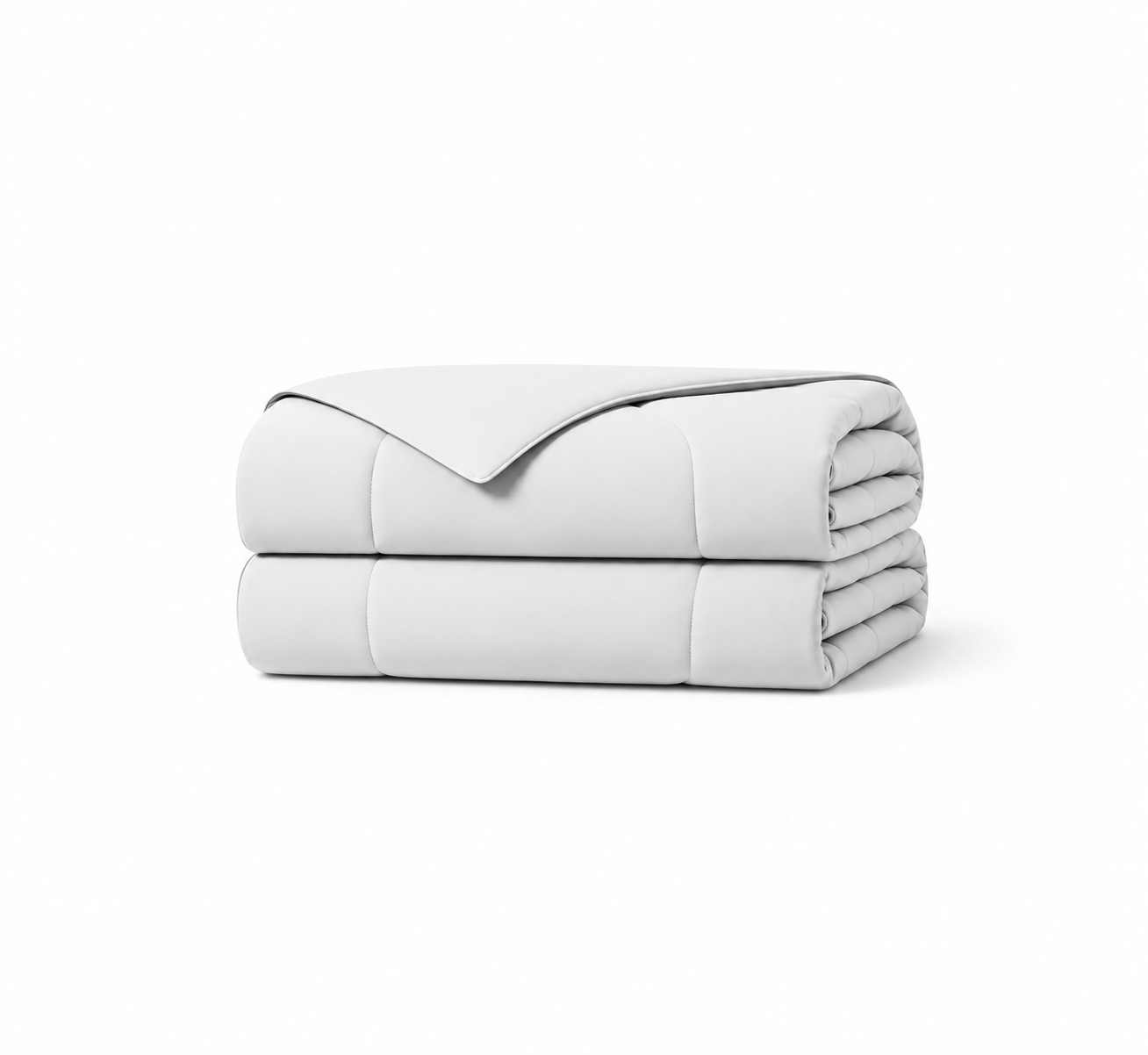
Phase-change materials (CoolTouch®, Q-Max 0.38) absorb excess body heat at the skin surface, maintaining the sleep surface below the trigger threshold for vasomotor events. Research shows 60% reduction in night sweat episodes for menopausal women using cooling bedding.
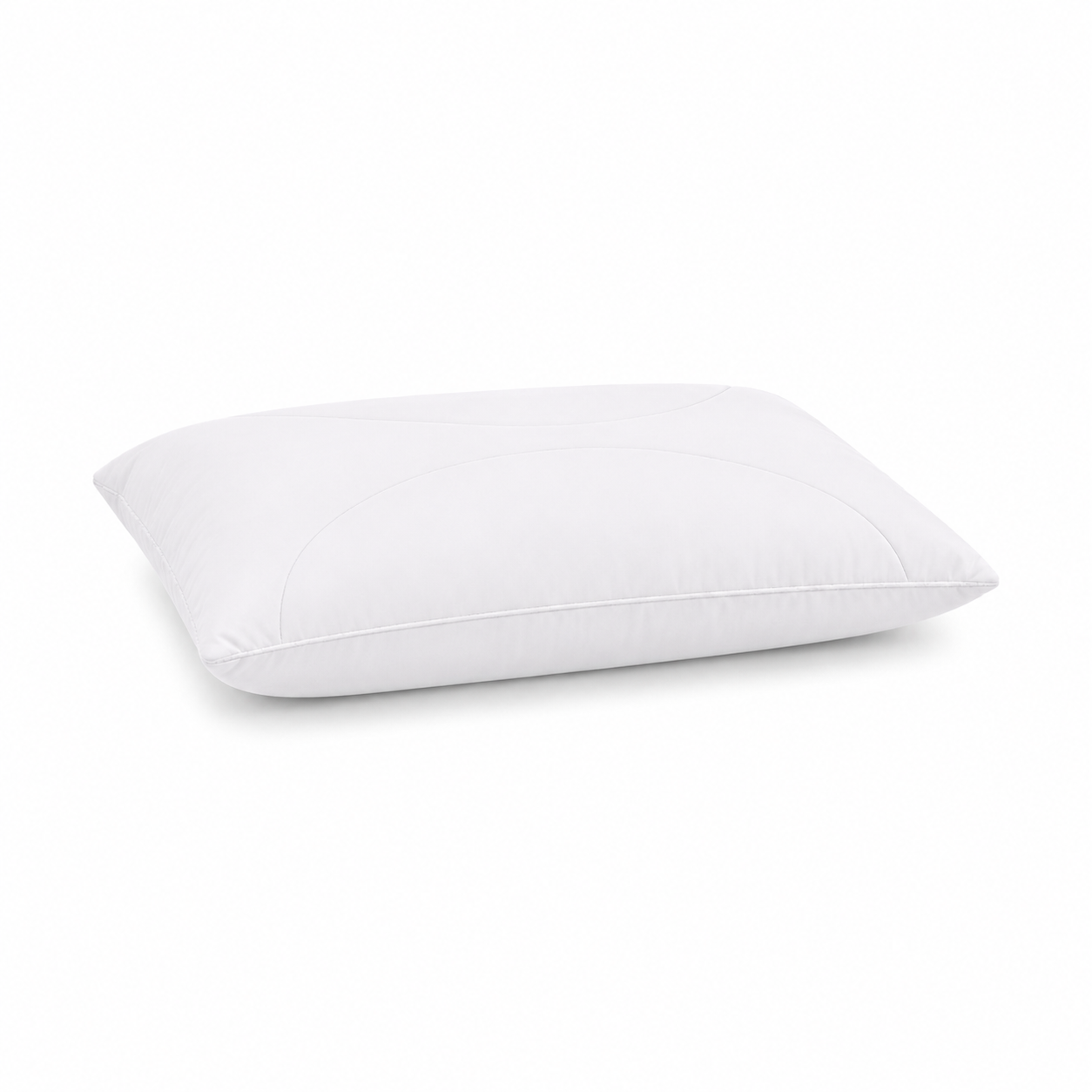
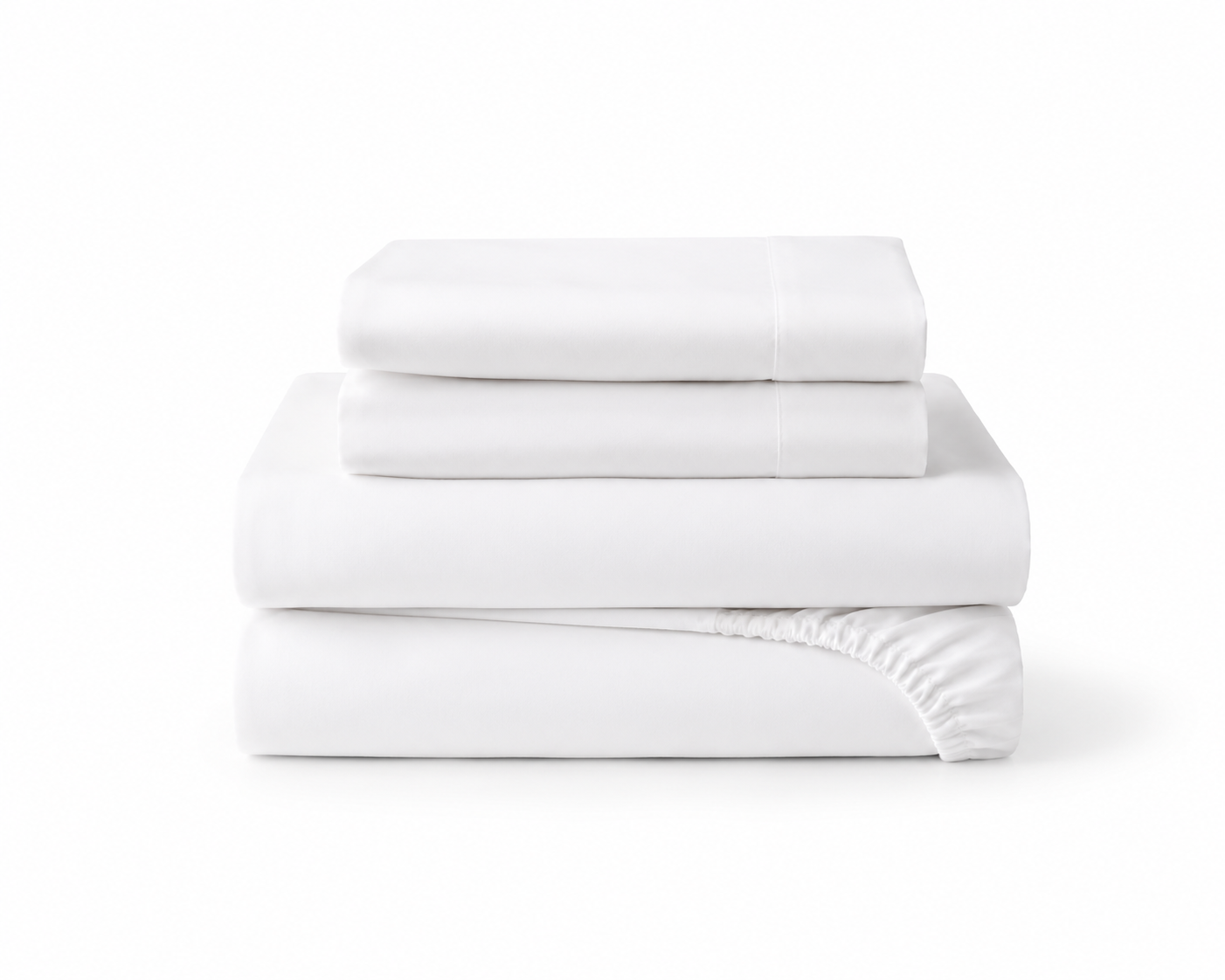
TENCEL™ Lyocell sheets provide 50% faster moisture transport than cotton, preventing the damp-heat cycle that follows hormonal night sweats. The CoolCloud® Pillow manages head and neck temperature; critical because the head dissipates 25–30% of body heat and is the primary site of vasomotor hot flash perception.
This system is safe alongside HRT, during pregnancy, and throughout hormonal transitions; it uses no chemicals or medications.
Hunter, M.S. et al. (2020). Menopause. | Lenzing AG. TENCEL™ Technical Data.
Frequently Asked Questions
How do hormones affect body temperature during sleep?
Hormones (oestrogen, progesterone, testosterone, thyroid) modulate the hypothalamic thermostat that controls body temperature. When hormone levels fluctuate (menopause, pregnancy, menstrual cycle), the thermoneutral zone shifts, causing temperature dysregulation that directly affects sleep quality.
Why do I get hot at night during my menstrual cycle?
Progesterone rises during the luteal phase (after ovulation), raising basal body temperature by 0.3–0.5°C. This can impair sleep quality in the week before menstruation. Cooling bedding helps by managing the sleep surface temperature during this hormonal shift.
Can cooling bedding help with hormonal night sweats?
Yes. Cooling bedding with phase-change fabric (CoolTouch®, Q-Max 0.38) absorbs excess body heat at the skin surface, keeping it below the vasomotor trigger threshold. Research shows 60% reduction in night sweat episodes for menopausal women using cooling bedding.
Is cooling bedding safe during pregnancy and menopause?
Yes. Phase-change cooling fabrics and TENCEL™ Lyocell use no chemicals, electricity, or medications. They work by physically absorbing heat at the skin surface. They are safe throughout pregnancy, during menopause, and alongside HRT.