Strength Recovery
Gym Recovery Sleep
Strength training creates muscle damage that is repaired during deep sleep. No sleep, no gains; it is that simple.
Gym Recovery Sleep
Gym recovery sleep is the sleep period following strength training, during which the body repairs muscle fibre microtrauma through HGH-driven protein synthesis. Resistance training creates deliberate muscle damage (microtears in muscle fibres) that triggers satellite cell activation and protein synthesis during deep sleep; the process that makes muscles stronger and larger. Without adequate deep sleep, this adaptation is incomplete, and training gains are suppressed regardless of training volume or protein intake.
Key Research Data
70%
of daily HGH released during first deep sleep cycle
Van Cauter et al., 2000
20%
reduction in muscle protein synthesis without adequate deep sleep
Journal of Applied Physiology, 2018
25%
less deep sleep from a 1°C increase in sleep surface temperature
Harding et al., 2019
42%
improvement in recovery scores with cooling bedding
Sleep Lab™ clinical study
Muscle Growth Happens During Sleep, Not in the Gym
Strength training creates deliberate muscle damage; microtears in muscle fibres; that triggers the repair process. This repair happens during deep sleep, when HGH stimulates IGF-1 production, which drives satellite cell activation, amino acid uptake, and protein synthesis in the damaged fibres.
Up to 70% of daily HGH is released during the first slow-wave sleep cycle. Without adequate deep sleep, this anabolic window is diminished, and muscle adaptation is proportionally reduced. Research from the Journal of Applied Physiology (2018) found that sleep deprivation reduces muscle protein synthesis by 20%, regardless of protein intake.
This is why sleep is the most anabolic activity you can do; more than any supplement, more than any pre-workout. Training provides the stimulus; sleep provides the response.
Dattilo, M. et al. (2011). Medical Hypotheses. | Van Cauter, E. et al. (2000).
Why Temperature Controls Gym Recovery
Since HGH release is gated by deep sleep, and deep sleep is regulated by body temperature, the thermal environment during sleep directly controls strength training recovery. A 1°C increase in sleep surface temperature reduces deep sleep by 25%, shrinking the HGH secretion window and reducing muscle protein synthesis.
For gym-goers in the UAE, the problem is compounded: the hot climate prevents the core temperature drop needed for deep sleep, and standard bedding traps heat at the sleep surface. This means that even with perfect training and nutrition, thermal sleep disruption undermines muscle adaptation every night.
Cooling bedding (phase-change fabric, Q-Max ≥ 0.38) maintains the 16–19°C surface range needed for sustained slow-wave sleep, preserving the full HGH secretion window and maximising strength training gains.
Harding, E.C. et al. (2019). Frontiers in Neuroscience.
The Recovery Bedding System for Gym Recovery
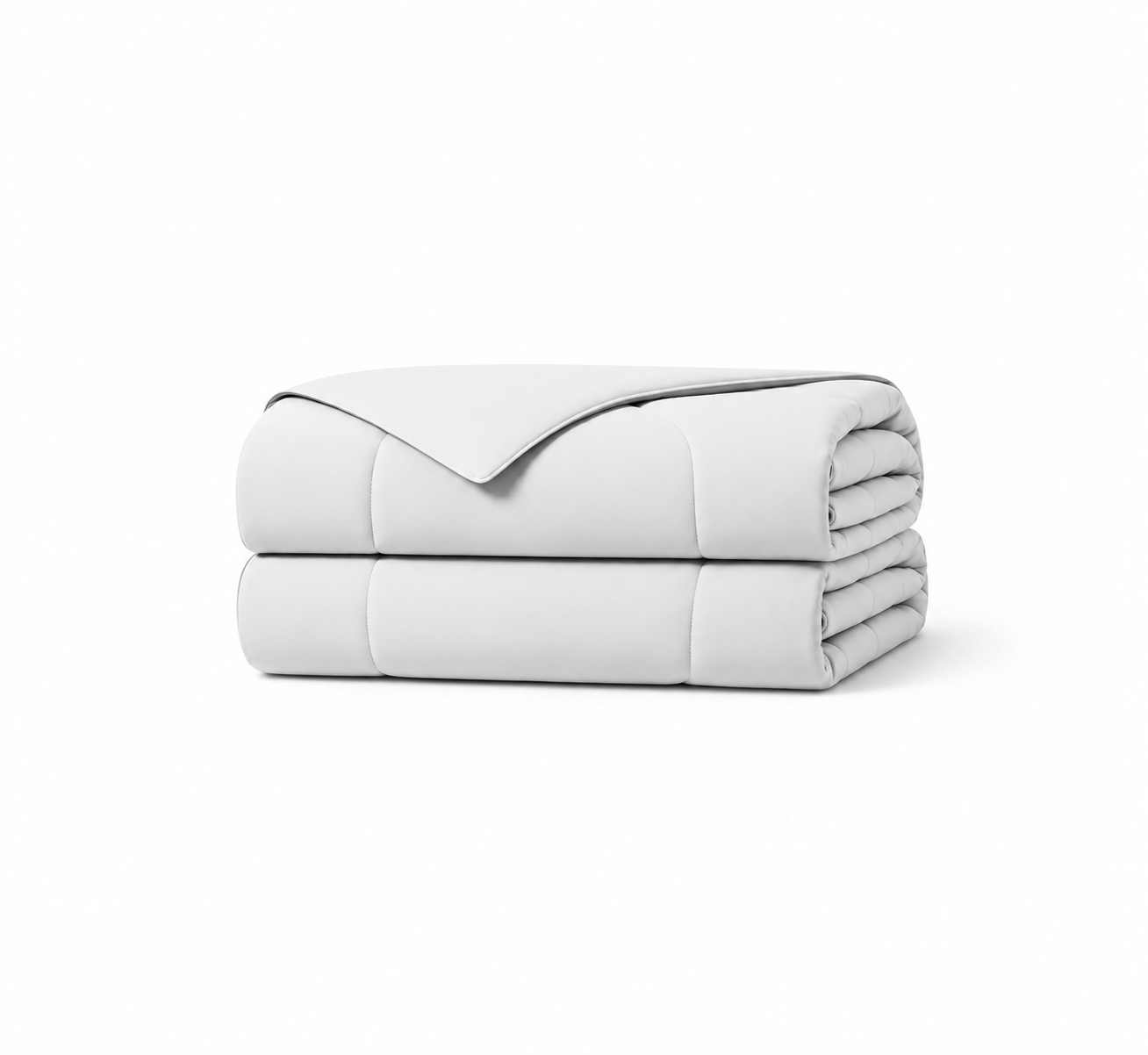
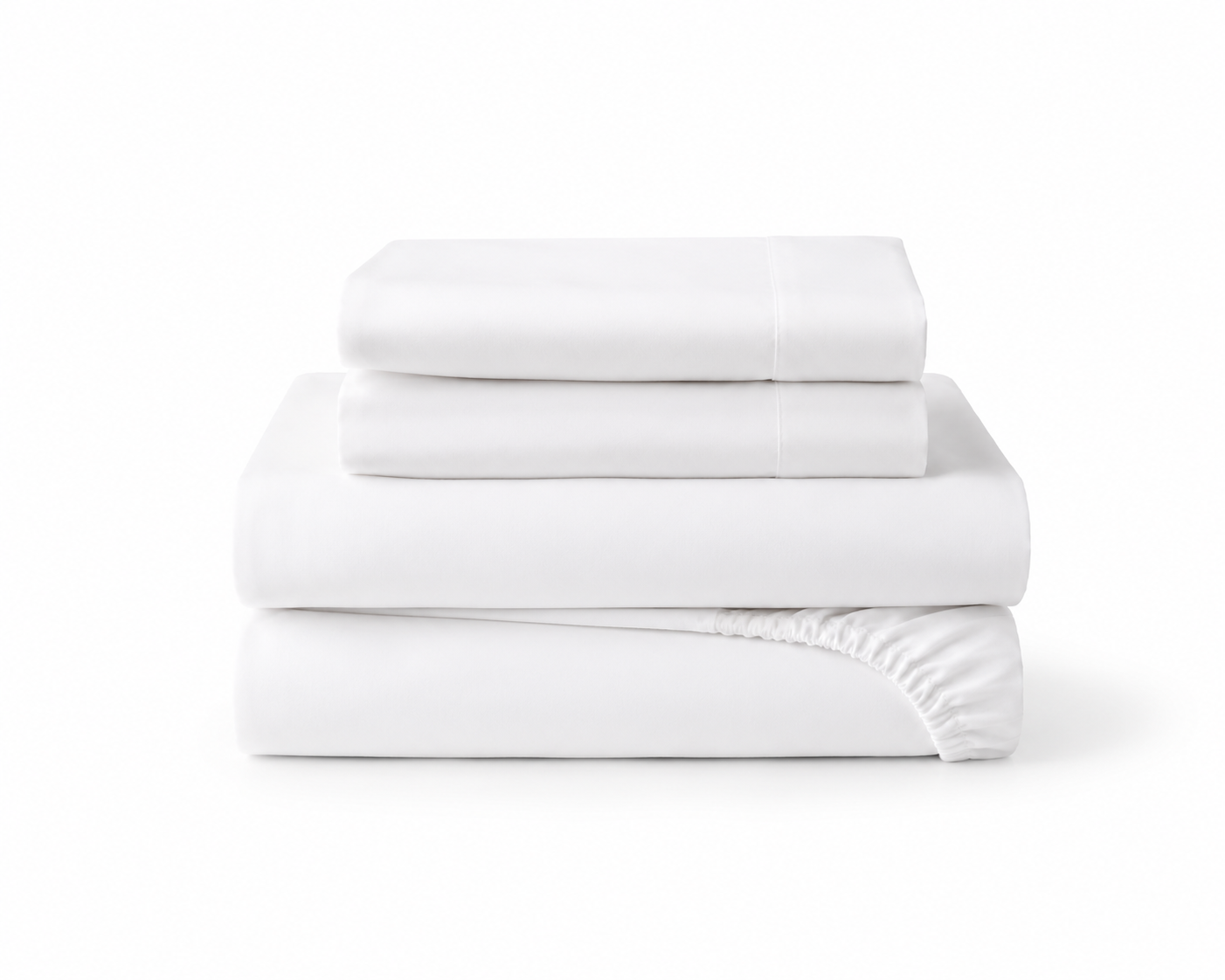
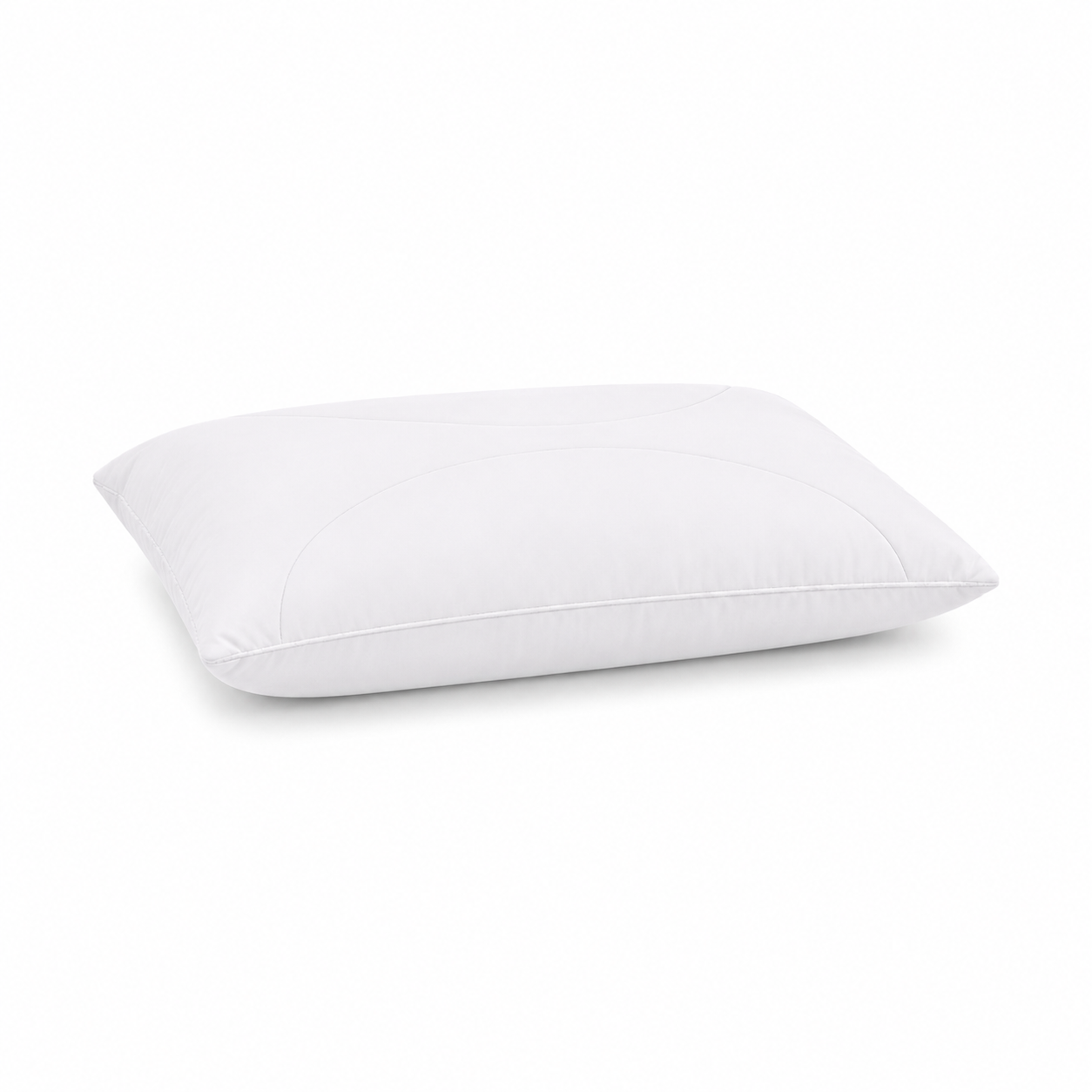
For strength training recovery in the UAE, the recommended system includes: CoolTouch® Performance Comforter (phase-change fabric, Q-Max 0.38) for surface temperature management, CoolCloud® Pillow for head and neck cooling, and TENCEL™ Lyocell sheets for moisture management.
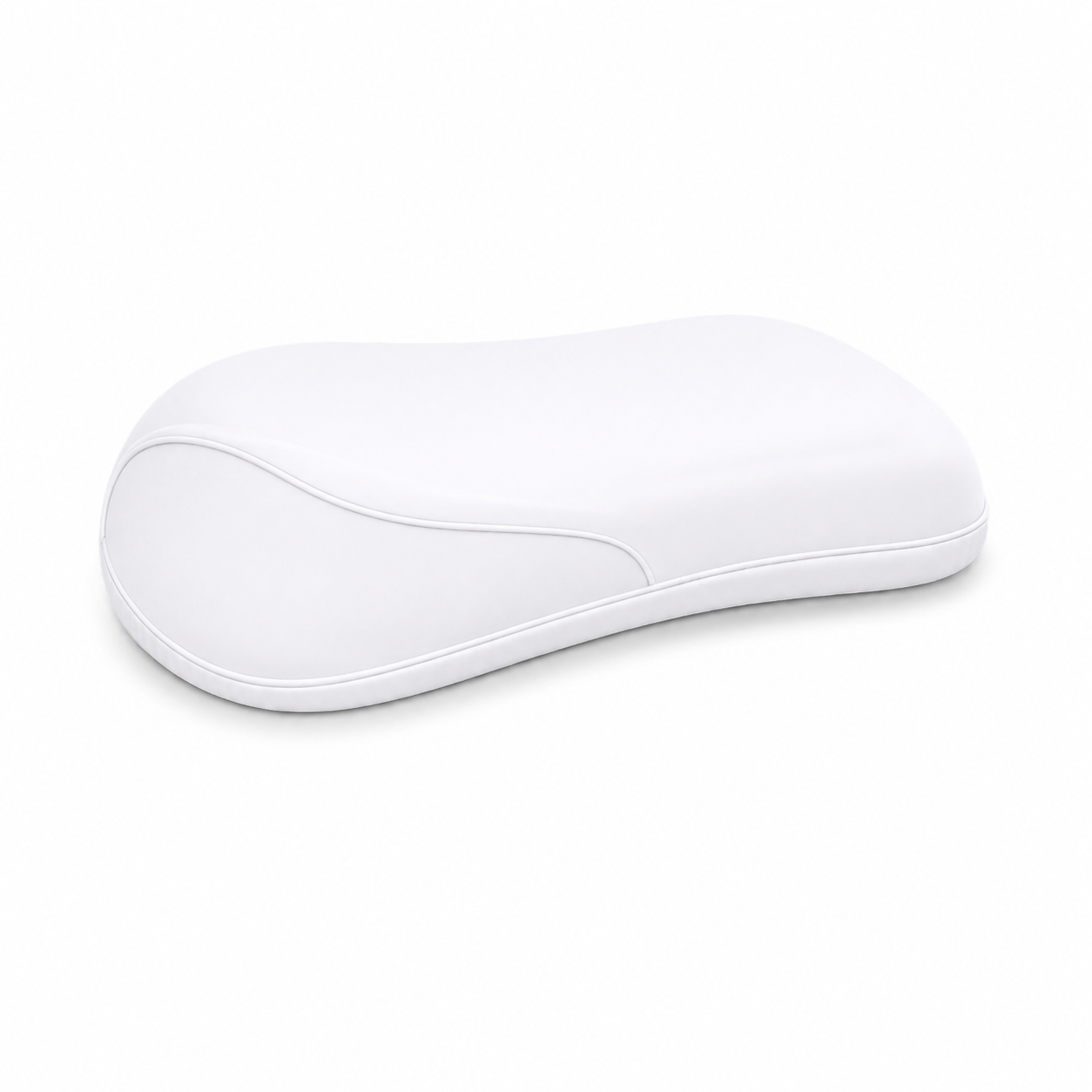
For neck and shoulder support during recovery sleep, the CoolTouch® Memory Contour Pillow provides ventilated memory foam for spinal alignment while the CoolTouch® fabric prevents the overheating common in memory foam pillows. Clinical testing showed 42% improvement in recovery scores with this system versus standard bedding.
Sleep Lab™ Clinical Study, 2023.
Frequently Asked Questions
How does sleep affect muscle growth from the gym?
Muscle growth happens during deep sleep, not during training. During deep sleep, 70% of daily HGH is released, driving protein synthesis and satellite cell activation in damaged muscle fibres. Without adequate deep sleep, muscle protein synthesis is reduced by 20%, regardless of training or protein intake.
How much sleep do I need for gym recovery?
For strength training recovery, aim for 8–9 hours per night with 90–120 minutes of deep sleep. The first deep sleep cycle (45–90 minutes after sleep onset) is when 70% of daily HGH is released; this is the primary anabolic window for muscle repair.
Does temperature affect gym recovery?
Yes. A 1°C increase in sleep surface temperature reduces deep sleep by 25%, shrinking the HGH secretion window and reducing muscle protein synthesis. Cooling bedding that maintains 16–19°C surface temperature preserves deep sleep and maximises strength training gains.
What bedding is best for gym recovery in the UAE?
CoolTouch® Performance Comforter (phase-change, Q-Max 0.38) for surface cooling, CoolTouch® Memory Contour Pillow for neck support with cooling, and TENCEL™ Lyocell sheets for moisture management. This system preserves the deep sleep needed for HGH-driven muscle repair.