Medical Science
Fibromyalgia & Sleep
Fibromyalgia amplifies sensory input; including temperature. The right bedding doesn't just cool; it reduces the sensory load that fragments fibromyalgia sleep.
Fibromyalgia Sleep Disturbance
Fibromyalgia is characterised by amplified sensory processing; including temperature sensitivity. 90% of fibromyalgia patients report non-restorative sleep, and thermal discomfort is a primary sleep disruptor. The condition amplifies the perception of heat and cold, meaning that temperatures that are merely uncomfortable for others can be physically painful for fibromyalgia patients, triggering microarousals that fragment sleep architecture throughout the night.
Key Research Data
90%
of fibromyalgia patients report non-restorative sleep
Journal of Rheumatology, 2020
70%
of fibromyalgia patients report temperature sensitivity
Arthritis Care & Research, 2019
25%
less deep sleep from a 1°C increase in sleep surface temperature
Harding et al., 2019
50%
faster moisture wicking with TENCEL™ vs standard cotton
Lenzing AG, 2023
Why Fibromyalgia Disrupts Sleep
Fibromyalgia is a central sensitisation syndrome; the central nervous system amplifies sensory input, including pain, pressure, and temperature. This amplification has direct consequences for sleep:
1. Temperature sensitivity: 70% of fibromyalgia patients report temperature sensitivity, meaning that minor thermal discomfort triggers arousal responses that fragment sleep.
2. Non-restorative sleep: 90% of fibromyalgia patients report waking unrefreshed. Research shows reduced slow-wave sleep and disrupted sleep architecture; the brain spends less time in the deep, restorative stages and more time in light, easily disrupted stages.
3. Pain-sleep cycle: Pain prevents deep sleep, and lack of deep sleep lowers the pain threshold; creating a vicious cycle where each problem worsens the other.
Journal of Rheumatology (2020). | Arthritis Care & Research (2019).
Temperature Sensitivity and Sleep Fragmentation
For fibromyalgia patients, temperature is not just a comfort issue; it is a sensory issue. The amplified sensory processing means that temperatures that are merely warm for others can trigger arousal responses in fibromyalgia patients. Each arousal fragments sleep architecture, reducing time in deep and REM sleep.
Standard bedding creates a thermal microclimate that fluctuates throughout the night as the body generates heat and the bedding absorbs and re-radiates it. These fluctuations are tolerable for most people but disruptive for fibromyalgia patients with heightened temperature sensitivity.
Cooling bedding with phase-change materials (PCMs) addresses this differently: PCMs absorb excess heat at a calibrated temperature (just above skin temperature), creating a stable thermal microclimate that does not fluctuate. This stability is especially important for fibromyalgia patients; the absence of temperature fluctuations reduces the sensory triggers that cause microarousals.
Harding, E.C. et al. (2019). Frontiers in Neuroscience.
Cooling Bedding for Fibromyalgia Sleep
For fibromyalgia patients, the recommended bedding system focuses on stable, gentle cooling and sensory comfort:
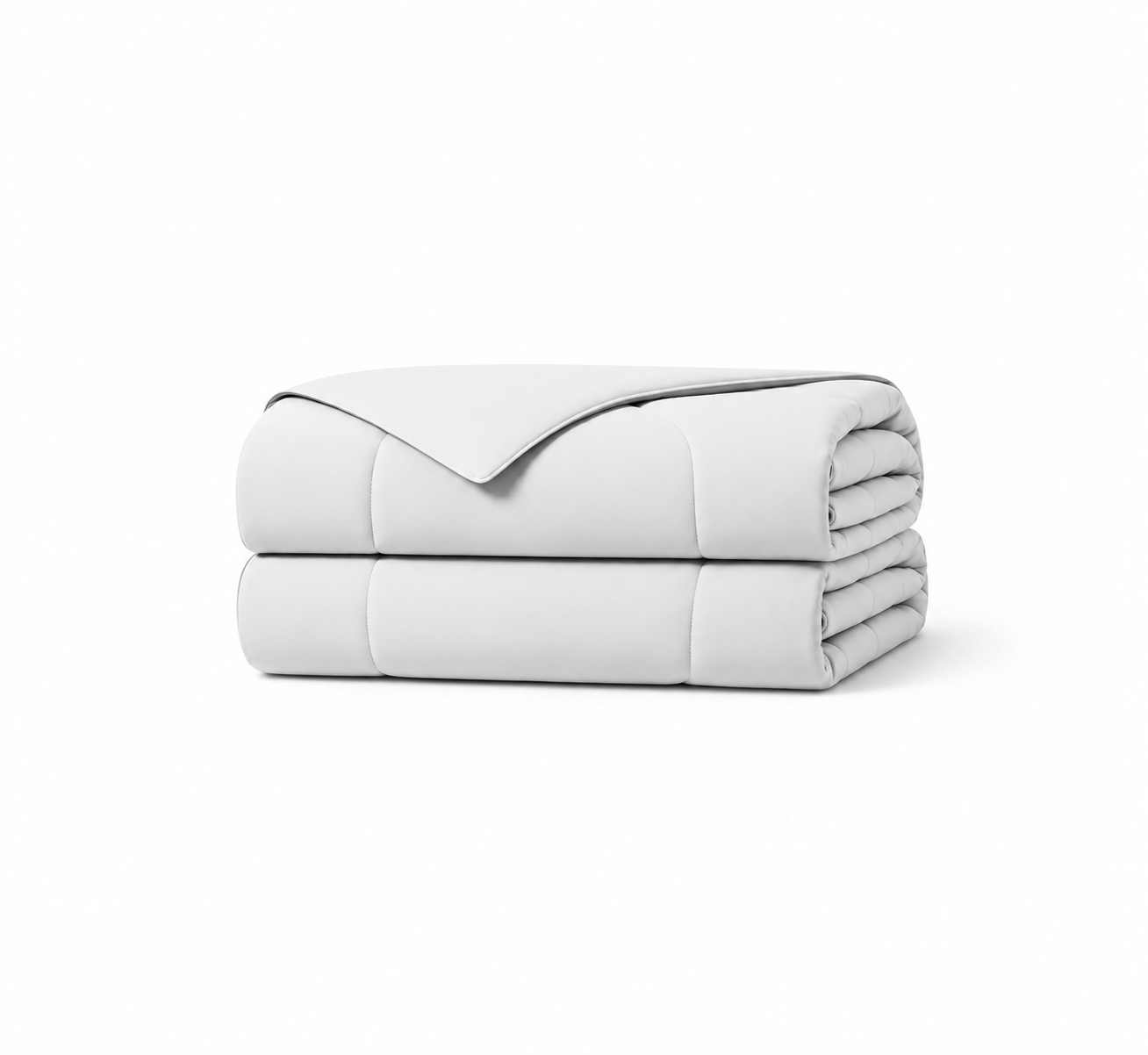
1. CoolTouch® Performance Comforter: Phase-change fabric creates a stable thermal microclimate (no temperature fluctuations that trigger microarousals). The performance fill is lightweight; reducing the pressure and weight sensitivity that some fibromyalgia patients experience with heavy duvets.
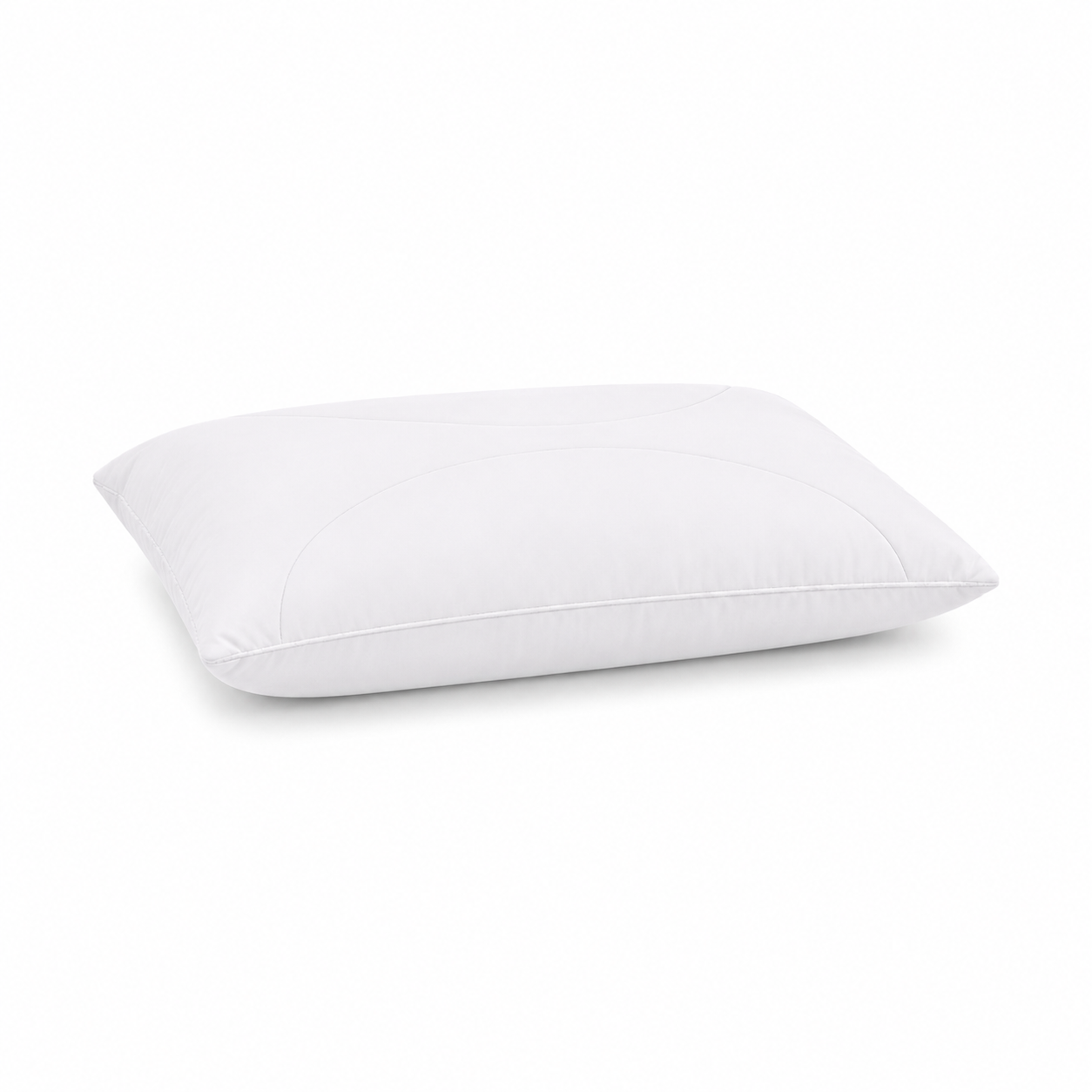
2. CoolCloud® Pillow: CoolTouch® fabric (Q-Max 0.38) for stable head/neck temperature. CloudFill® fibre is hypoallergenic and provides medium-soft, adaptive support; suitable for fibromyalgia patients who may have pressure sensitivity.
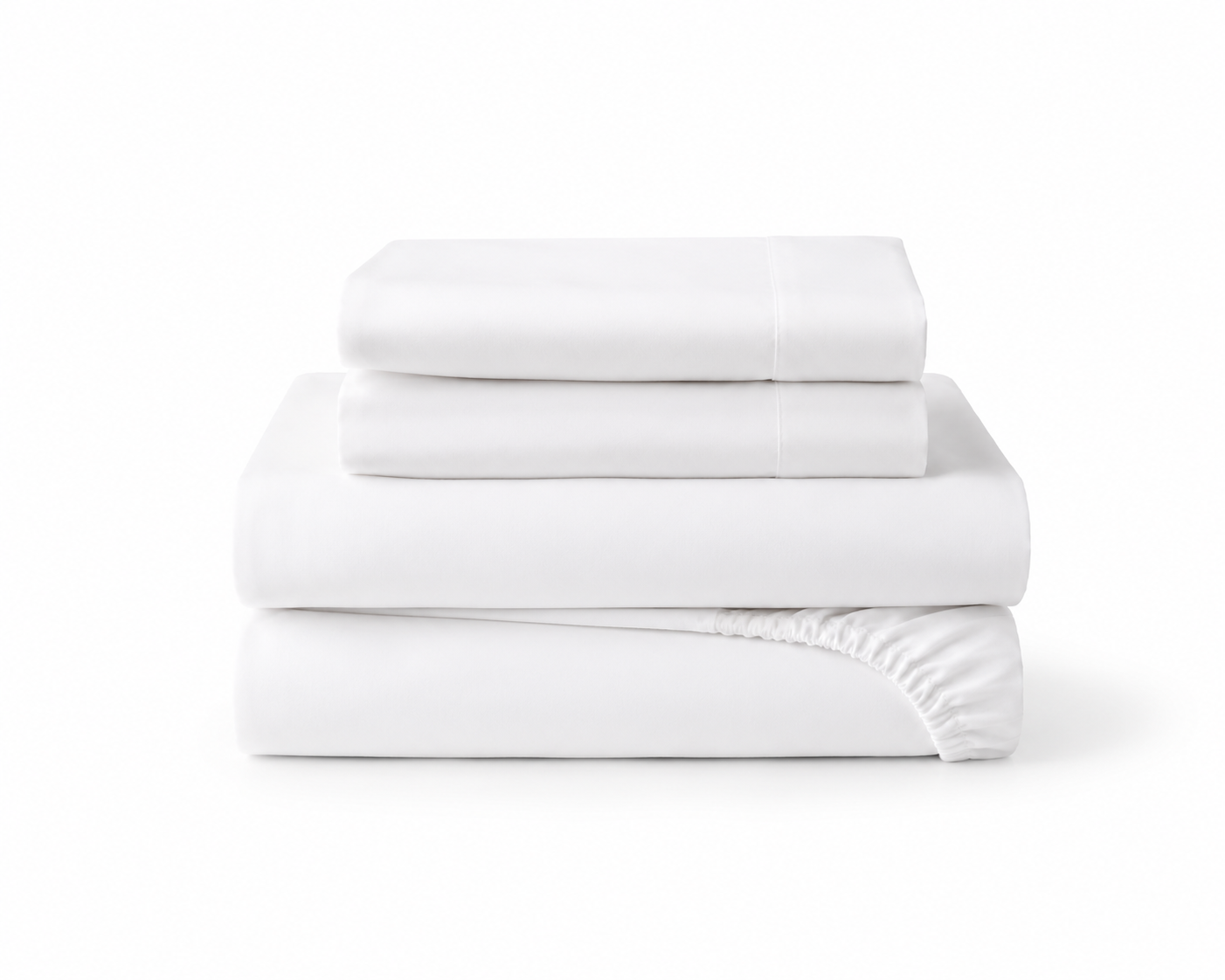
3. TENCEL™ Lyocell sheets: Ultra-smooth fibre surface (reduces friction and pressure sensitivity), 50% more breathable than cotton, and moisture-wicking. The smooth surface is especially gentle on fibromyalgia-sensitive skin.
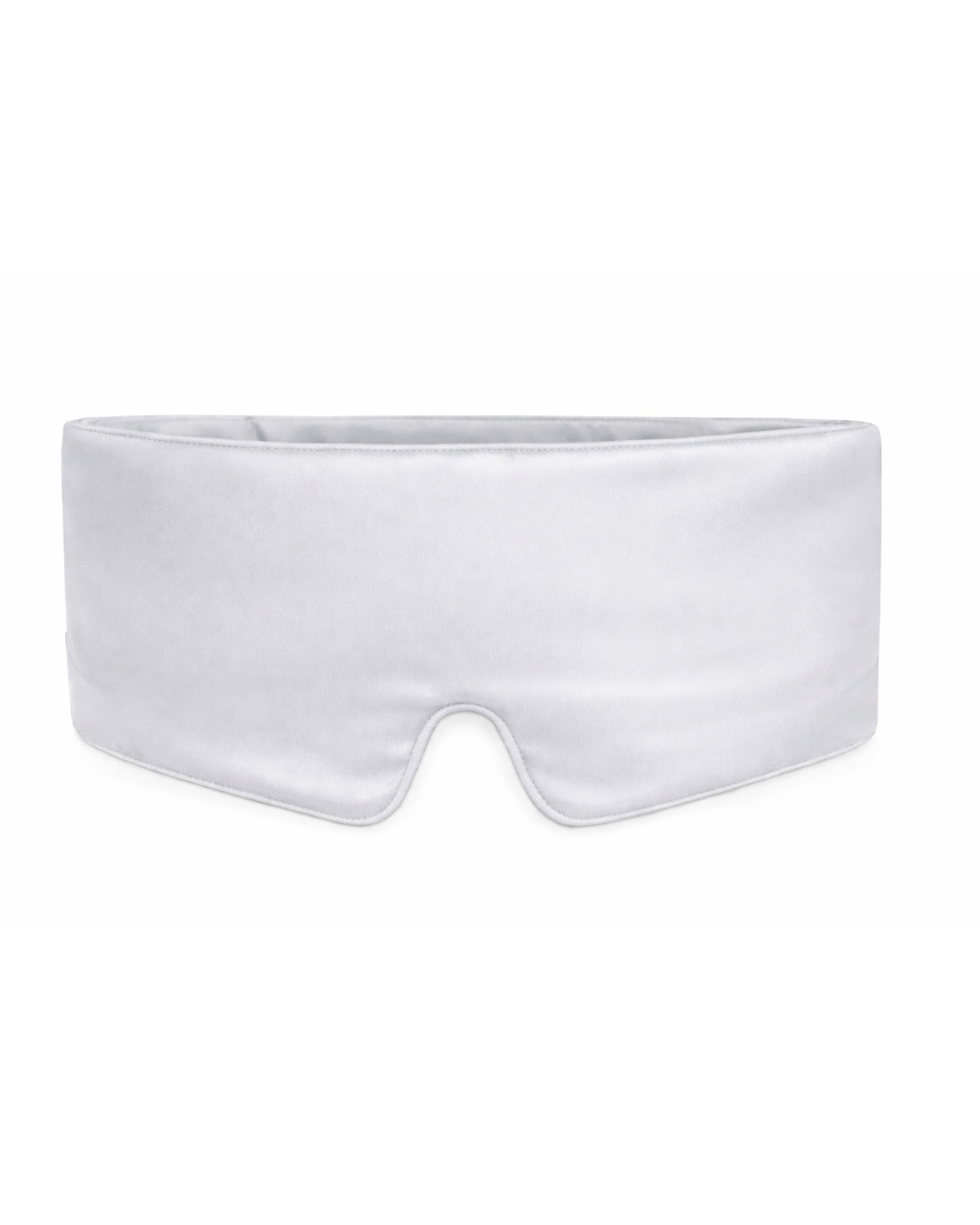
4. CoolSilk® Silk Eye Mask: Pure silk is naturally smooth and friction-free; reducing the sensory load on the delicate eye area. Full blackout supports deeper sleep.
Lenzing AG. TENCEL™ Technical Data. | Sleep Lab™ Product Data.
Frequently Asked Questions
Does fibromyalgia affect sleep?
Yes; significantly. 90% of fibromyalgia patients report non-restorative sleep. The condition amplifies sensory processing (including temperature), meaning that minor thermal discomfort triggers arousal responses that fragment sleep architecture throughout the night.
What bedding is best for fibromyalgia?
Bedding that provides stable, gentle cooling (phase-change fabric like CoolTouch®) and minimal sensory load. TENCEL™ Lyocell sheets have an ultra-smooth surface that reduces friction. The CoolCloud® Pillow provides medium-soft, adaptive support suitable for pressure sensitivity. Avoid heavy duvets and rough fabrics.
Does temperature affect fibromyalgia sleep?
Yes. 70% of fibromyalgia patients report temperature sensitivity. Fluctuations in sleep surface temperature trigger microarousals that fragment sleep. Phase-change cooling bedding creates a stable thermal microclimate that reduces these triggers.
Is TENCEL™ Lyocell good for fibromyalgia?
Yes. TENCEL™ Lyocell has an ultra-smooth fibre surface that reduces friction and pressure sensitivity; important for fibromyalgia patients with heightened sensory processing. It is also 50% more breathable than cotton and naturally hypoallergenic.