Medical Science
Fever Recovery Sleep
Sleep is your body's primary recovery tool during illness. Temperature management during fever recovery sleep is critical, and often misunderstood.
Fever Recovery Sleep
Fever recovery sleep is the sleep period during and after a fever, when the immune system is most active. During fever, the body raises its core temperature to fight infection. During recovery, the body needs to return to normal temperature regulation while the immune system completes its work. Sleep quality during this period directly affects recovery speed, and temperature management is critical because the body is already in a state of thermal dysregulation.
Key Research Data
10×
higher brain waste clearance (glymphatic system) during sleep
Xie et al., 2013; Science
65%
of immune system activity occurs during sleep
Besedovsky et al., 2012; Physiological Reviews
4.2°C
surface temperature reduction with CoolTouch® fabric
Independent textile lab testing, 2024
27 min
faster sleep onset with cooled sleep surface
Journal of Sleep Research
How Sleep Supports Immune Recovery
During fever, the immune system is in overdrive; producing cytokines, antibodies, and white blood cells to fight infection. This process is most active during sleep. Research by Besedovsky et al. (2012) demonstrated that 65% of immune system activity occurs during sleep, when the body can redirect energy from waking functions to immune defence.
Additionally, the glymphatic system; the brain's waste clearance pathway; is 10× more active during sleep than during wakefulness. This system clears metabolic byproducts and inflammatory molecules from the brain, which is especially important during fever recovery when inflammatory load is high.
This is why you feel sleepy when sick; your body is directing you to sleep so the immune system can work. Disrupting that sleep (through thermal discomfort, for example) directly impairs recovery.
Besedovsky, L. et al. (2012). Physiological Reviews. | Xie, L. et al. (2013). Science.
Temperature Management During Fever Recovery
During fever recovery, the body is in a state of thermal dysregulation; the hypothalamic thermostat has been elevated by the fever and is returning to normal. During this period, sleep surface temperature management is especially important.
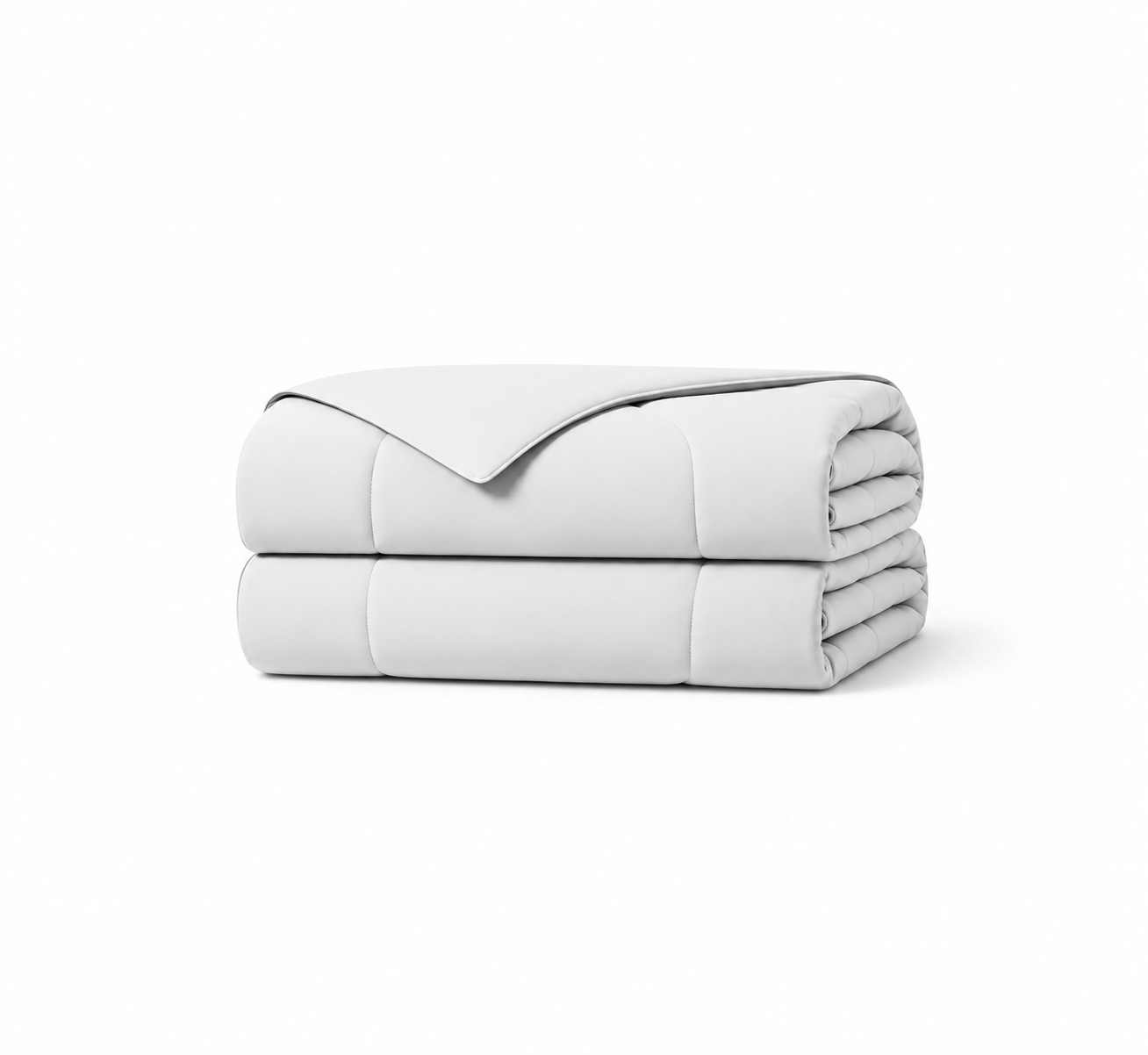
Standard bedding traps heat, which can prolong the thermal discomfort of fever recovery and disrupt the deep sleep needed for immune function. Cooling bedding with phase-change materials (CoolTouch®, Q-Max 0.38) absorbs excess body heat at the surface, helping to manage the thermal microclimate without the shock of extreme cold.
The key principle: during fever recovery, you want cooling that is gentle and sustained; not extreme cold (which can trigger shivering and raise core temperature further). Phase-change materials provide exactly this: they absorb heat when skin temperature rises above 35°C, maintaining a comfortable surface without overcooling.
Kellogg, D.L. (2006). Journal of Applied Physiology.
Cooling Bedding for Fever Recovery
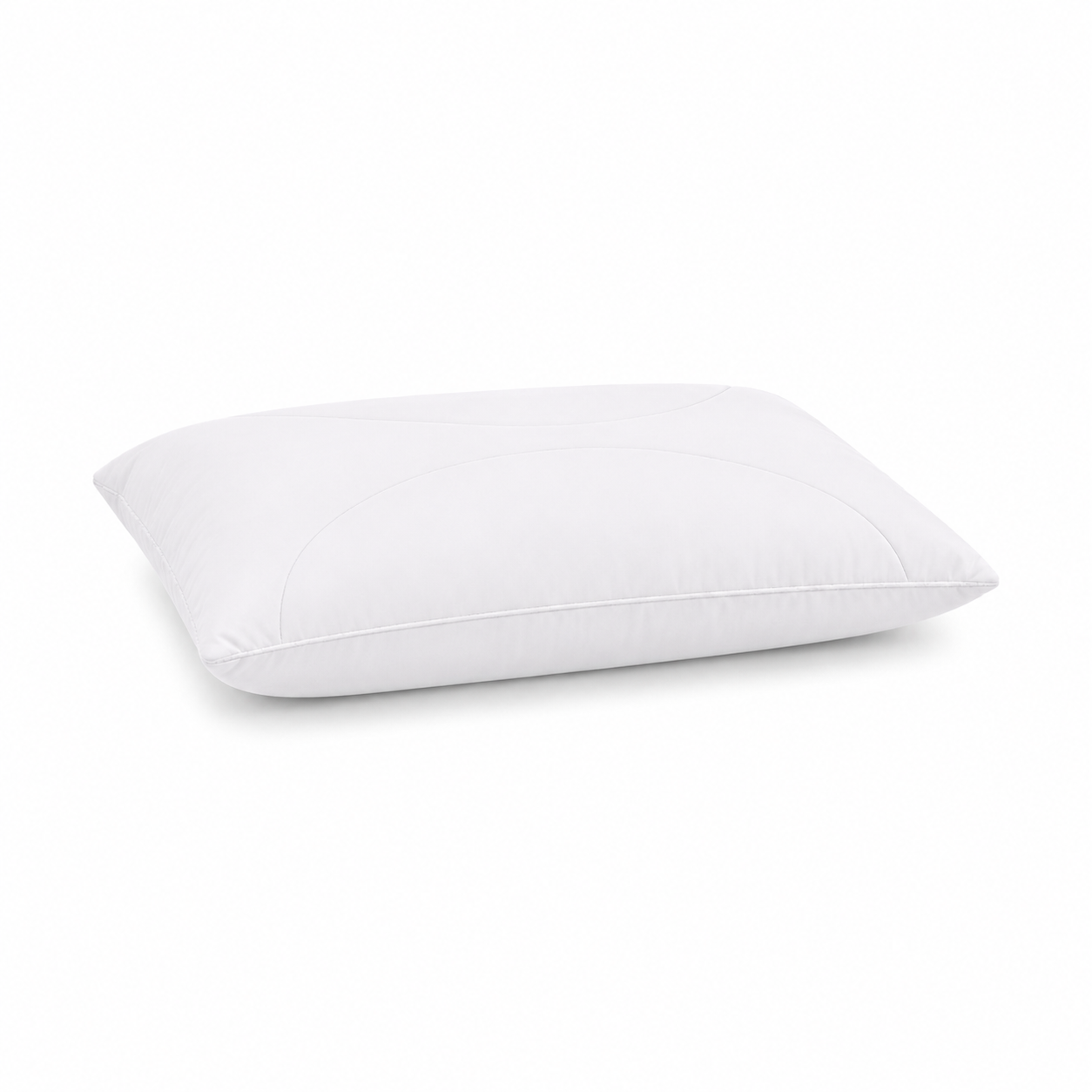
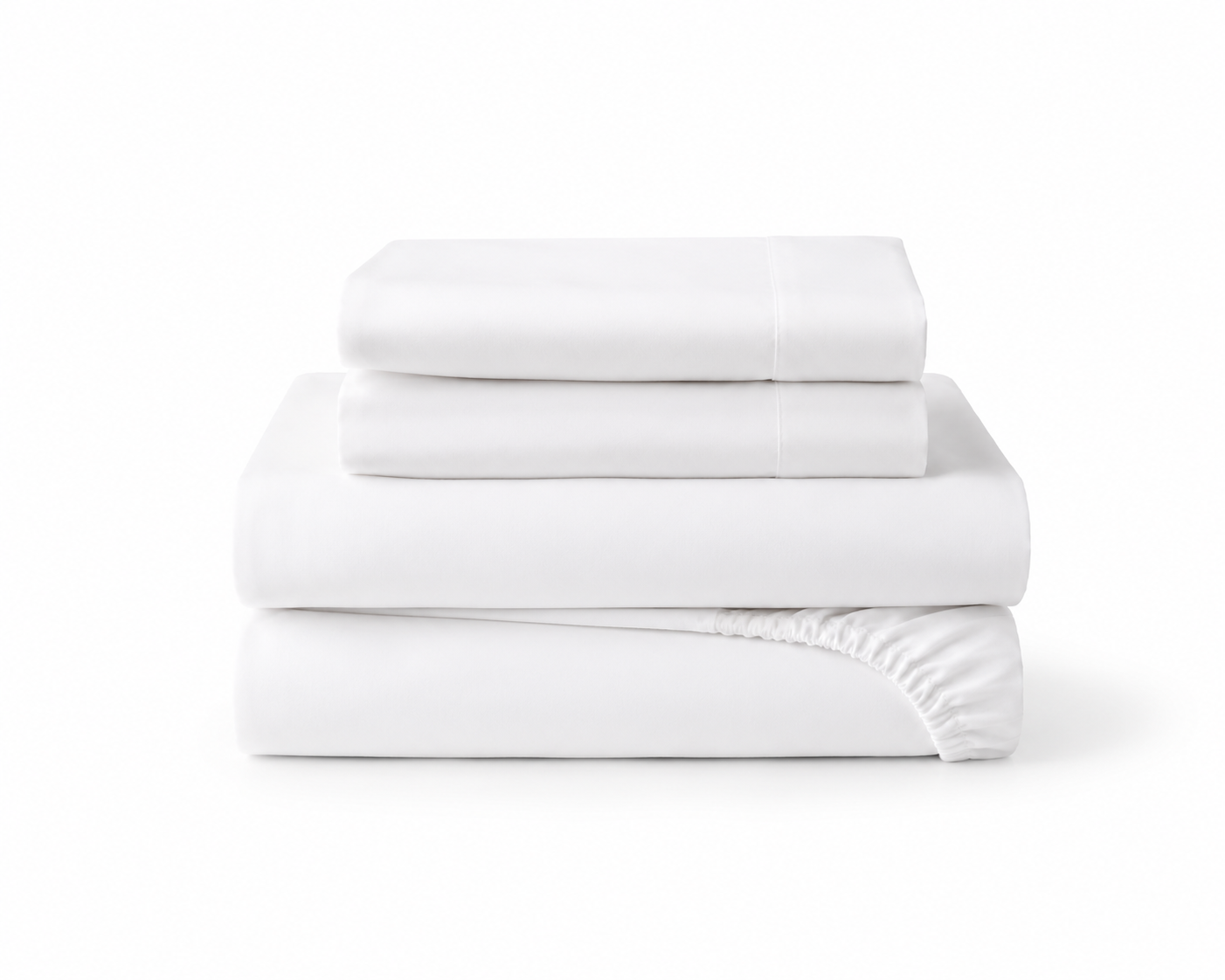
For fever recovery sleep, the recommended system includes: CoolTouch® Performance Comforter (phase-change fabric) for gentle, sustained surface cooling that doesn't overcool; CoolCloud® Pillow for head and neck temperature management, and TENCEL™ Lyocell sheets for moisture management (fever sweats are common during recovery, and TENCEL™ wicks moisture 50% faster than cotton, preventing the damp-bedding discomfort that fragments sleep).
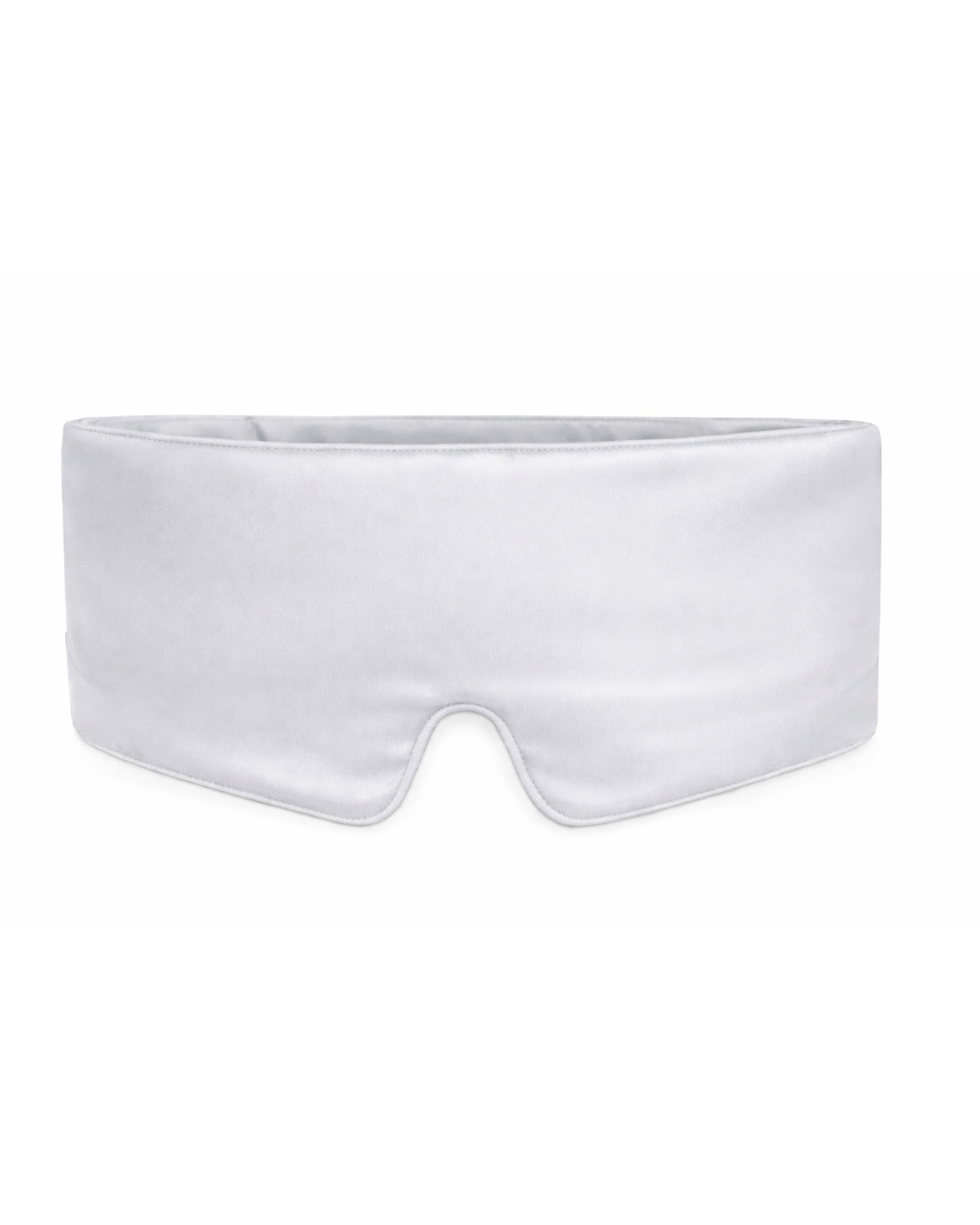
The CoolSilk® Silk Eye Mask provides natural temperature regulation for the eye area and full blackout for deeper sleep; supporting the immune recovery process.
Important: Cooling bedding supports comfort and sleep quality during fever recovery. It is not a medical treatment. Always follow medical guidance for fever management.
Lenzing AG. TENCEL™ Technical Data, 2023.
Frequently Asked Questions
Does sleep help you recover from fever?
Yes. 65% of immune system activity occurs during sleep, and the glymphatic system clears metabolic waste 10× faster during sleep than wakefulness. This is why you feel sleepy when sick; your body is directing you to sleep so the immune system can work.
Should I use cooling bedding during fever recovery?
Cooling bedding with phase-change materials provides gentle, sustained surface cooling that helps manage the thermal discomfort of fever recovery without overcooling. TENCEL™ Lyocell sheets wick fever sweats 50% faster than cotton. Always follow medical guidance for fever management.
What temperature should my bedding be during fever recovery?
During fever recovery, you want gentle cooling; not extreme cold. Phase-change materials (CoolTouch®, Q-Max 0.38) absorb heat when skin temperature rises above 35°C, maintaining a comfortable surface without the shock of extreme cold, which can trigger shivering and raise core temperature further.
Why do I sweat so much during fever recovery?
Fever sweats are the body's way of reducing core temperature as the fever breaks. TENCEL™ Lyocell sheets wick this moisture 50% faster than cotton, preventing the damp-bedding discomfort that fragments sleep and slows recovery.