Medical Science
Diabetes and Sleep
Poor sleep worsens insulin resistance. Temperature controls sleep quality. For diabetics, cooling bedding is a metabolic intervention.
Sleep and Diabetes
Sleep quality directly affects blood sugar regulation and insulin sensitivity. Research published in PNAS found that sleep deprivation reduces insulin sensitivity by 25%; equivalent to the impact of significant weight gain. Deep sleep is particularly important: growth hormone release during slow-wave sleep regulates glucose metabolism, and sleep disruption impairs this process. For people with diabetes, optimising sleep quality through temperature management is a non-pharmacological intervention that supports blood sugar control.
Key Research Data
25%
reduction in insulin sensitivity from sleep deprivation
Tasali, E. et al. (2008). PNAS
3×
higher diabetes risk in people sleeping under 6 hours
NIH Sleep Research Programme
25%
less deep sleep from a 1°C increase in sleep surface temperature
Harding et al., 2019
40%
of people with type 2 diabetes report sleep disturbance
American Diabetes Association, 2023
How Sleep Affects Blood Sugar
Sleep quality is a critical, but often overlooked; factor in blood sugar regulation. Research published in PNAS by Tasali et al. (2008) found that just three nights of sleep disruption reduced insulin sensitivity by 25%; equivalent to the metabolic impact of gaining 20–30 pounds.
The mechanism: during deep sleep (slow-wave sleep), growth hormone release regulates glucose metabolism and insulin sensitivity. When deep sleep is disrupted; by heat, sleep deprivation, or sleep disorders; this regulatory process is impaired, leading to reduced insulin sensitivity and higher fasting blood glucose.
For people with diabetes, this creates a compounding problem: diabetes itself increases the risk of sleep disturbance (through neuropathy, nocturia, and restless leg syndrome), and the resulting poor sleep worsens insulin resistance; a vicious cycle.
Tasali, E. et al. (2008). Slow-wave sleep and the risk of type 2 diabetes. PNAS.
Temperature, Deep Sleep, and Glucose Metabolism
Deep sleep; the stage where glucose metabolism regulation occurs; is directly controlled by body temperature. The body must drop its core temperature by 1–2°C to enter and sustain slow-wave sleep. When the sleep surface traps heat (as standard bedding does), this temperature drop is impaired, and deep sleep is suppressed.
A 1°C increase in sleep surface temperature reduces deep sleep by 25%, directly reducing the window for growth-hormone-mediated glucose regulation. For people with diabetes, this means that thermal sleep disruption is not just a comfort issue; it is a metabolic issue that directly affects blood sugar control.
In the UAE, where ambient heat prevents the natural evening core temperature drop, and standard bedding traps heat at the sleep surface, thermal sleep disruption is particularly common; making cooling bedding especially relevant for diabetic sleep management.
Harding, E.C. et al. (2019). Frontiers in Neuroscience.
Cooling Bedding as a Diabetes Sleep Intervention
Cooling bedding that maintains the sleep surface at 16–19°C extends deep sleep duration by up to 32%, preserving the window for growth-hormone-mediated glucose metabolism regulation. While cooling bedding is not a diabetes treatment, it is a non-pharmacological intervention that supports better sleep quality; which in turn supports better blood sugar control.
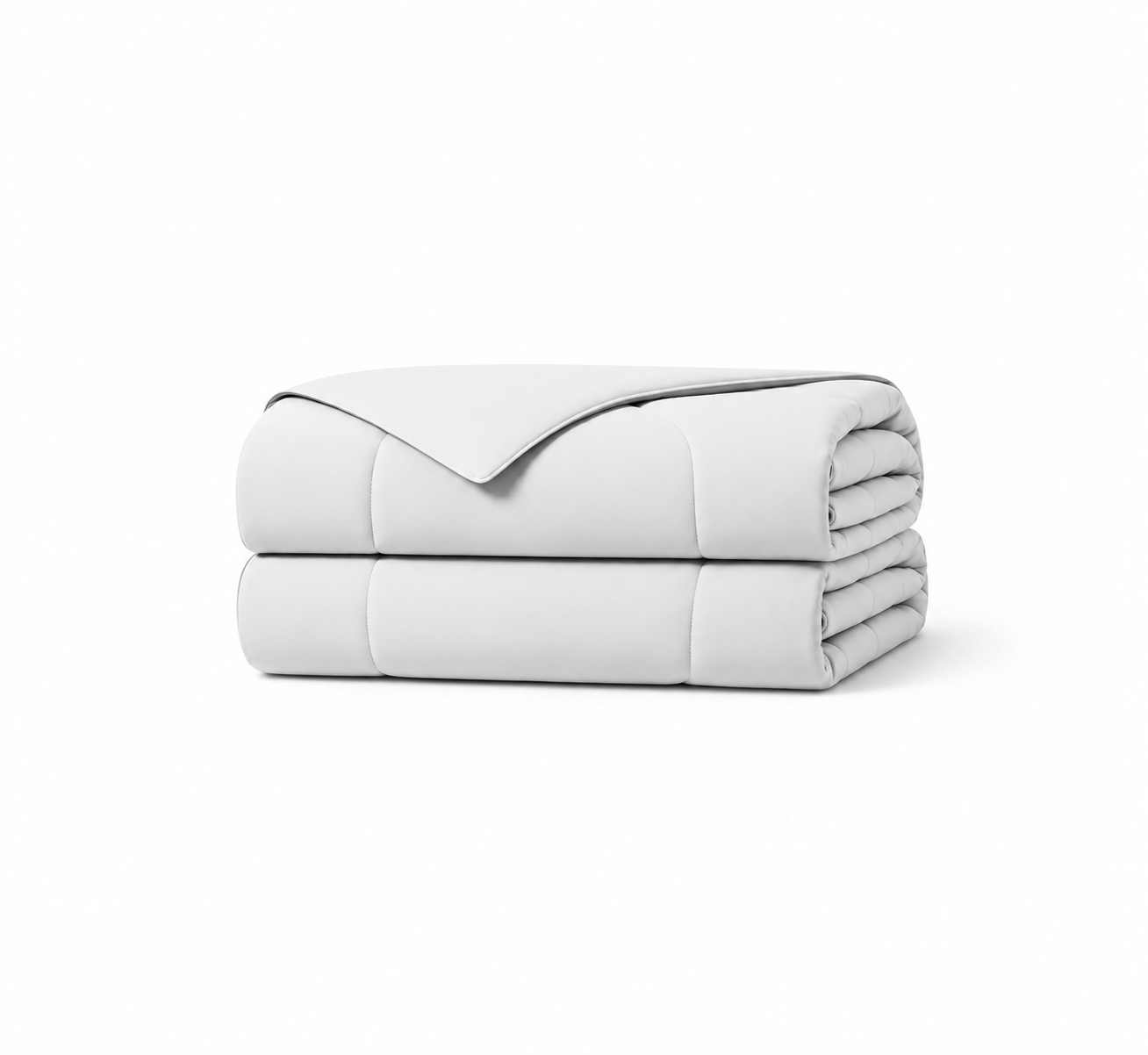
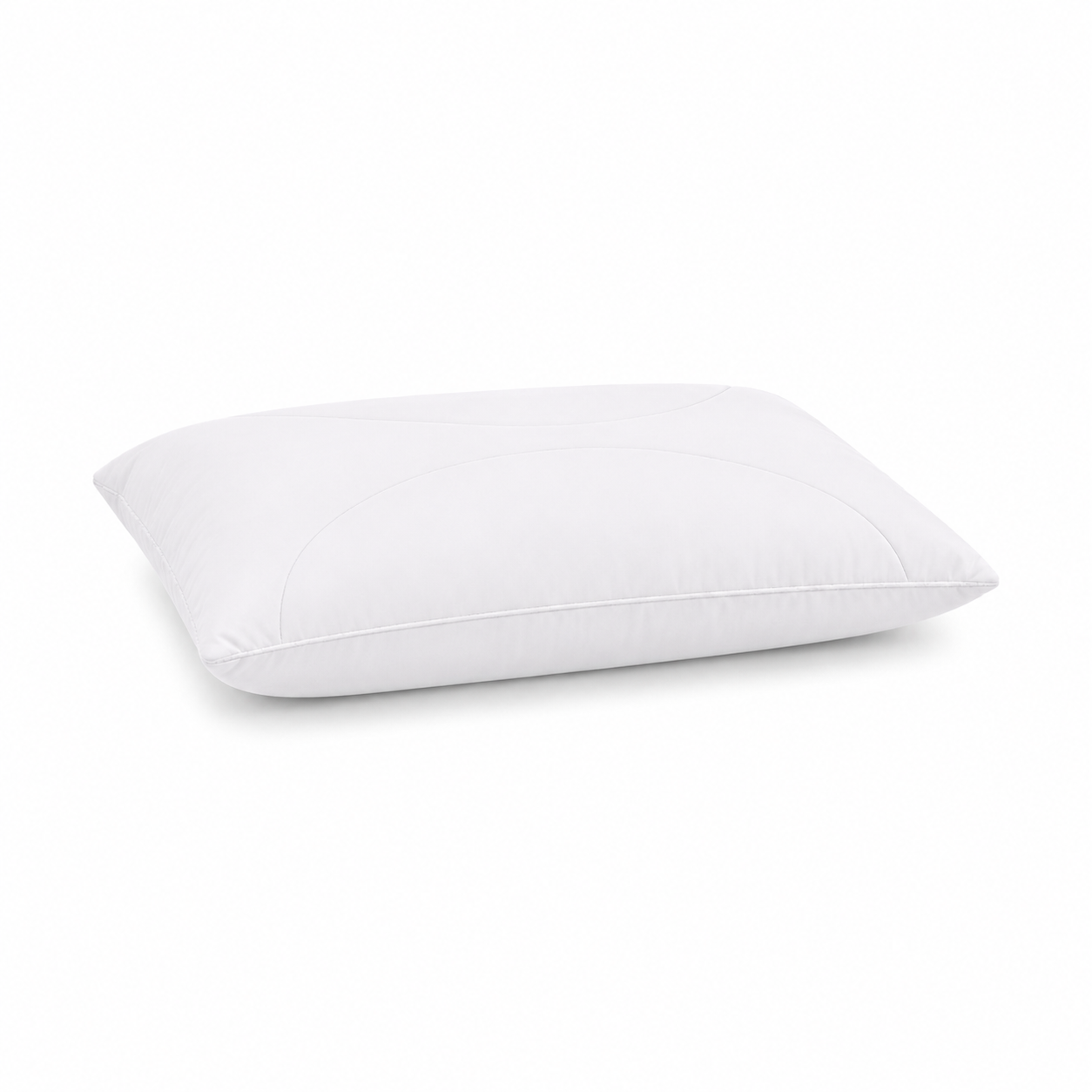
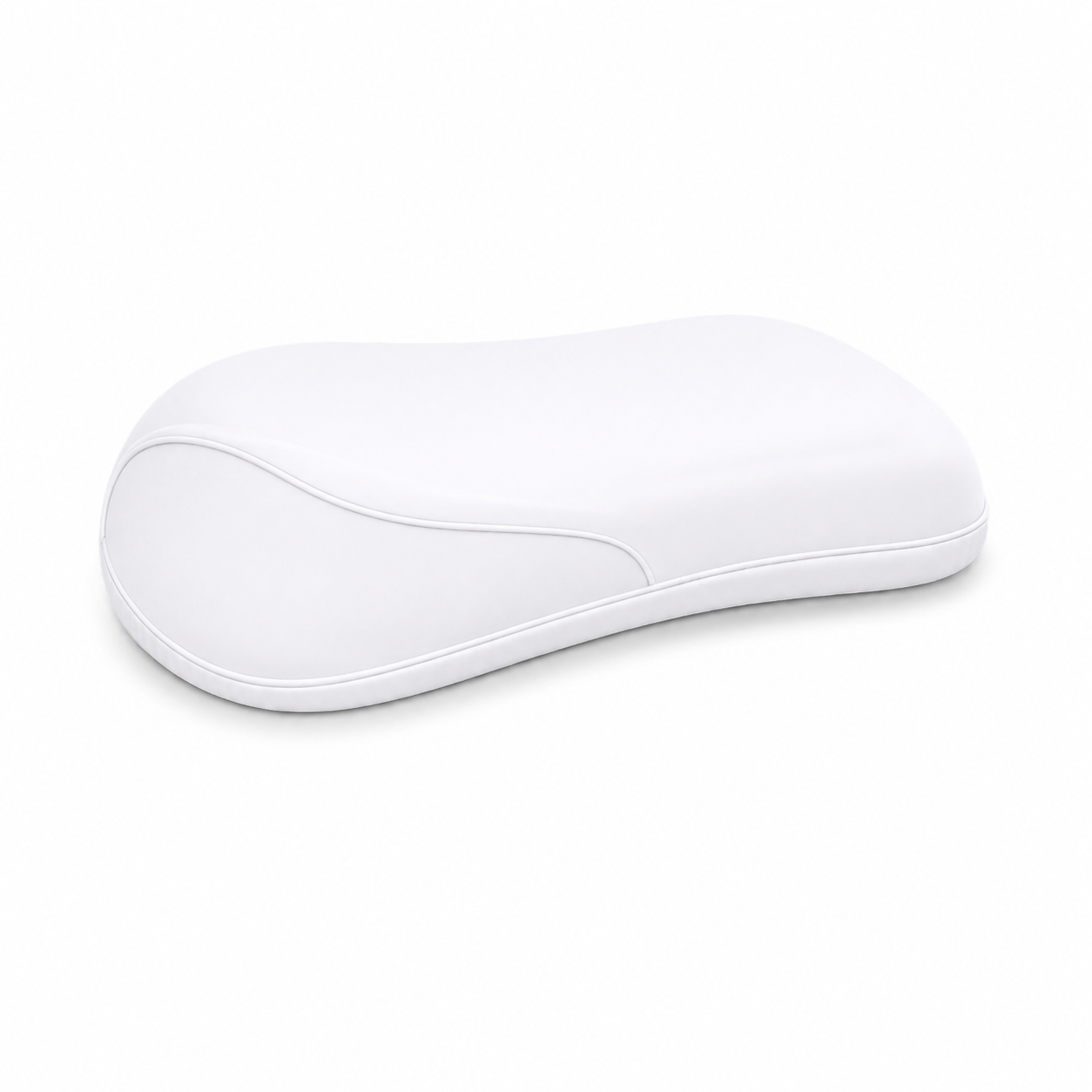
The recommended system: CoolTouch® Performance Comforter (phase-change fabric, Q-Max 0.38) for surface temperature management, CoolCloud® Pillow for head and neck cooling, and TENCEL™ Lyocell sheets for moisture management (diabetics may experience night sweats from nocturnal hypoglycaemia, and moisture-wicking bedding prevents skin complications).
Important: Cooling bedding is a complementary intervention, not a replacement for medical diabetes management. Always consult your physician.
Sleep Lab™ Clinical Study, 2023. | American Diabetes Association.
Frequently Asked Questions
Does sleep affect blood sugar?
Yes. Research shows that sleep disruption reduces insulin sensitivity by 25%; equivalent to gaining 20–30 pounds. Deep sleep is where growth hormone regulates glucose metabolism, and thermal disruption of deep sleep directly impairs this process.
How much sleep do diabetics need?
People with diabetes should aim for 7–9 hours of quality sleep. 40% of people with type 2 diabetes report sleep disturbance. Optimising sleep quality through temperature management is a non-pharmacological intervention that supports blood sugar control.
Can cooling bedding help with diabetes?
Cooling bedding supports better sleep quality by maintaining the 16–19°C surface temperature needed for deep sleep; the stage where glucose metabolism is regulated. It is a complementary intervention, not a replacement for medical diabetes management. Always consult your physician.
Why do diabetics overheat at night?
Diabetics may experience night sweats from nocturnal hypoglycaemia, neuropathy-related thermoregulation issues, or medication side effects. Additionally, standard bedding traps heat, preventing the core temperature drop needed for deep sleep. Cooling bedding with moisture-wicking TENCEL™ Lyocell is especially relevant for diabetic sleep.