Sleep Science
Deep Sleep Benefits
Deep sleep is the most physically restorative stage of sleep. Here is what happens during it, and why protecting it is essential for health.
Deep Sleep Benefits
Deep sleep (NREM Stage 3, or slow-wave sleep) is the most physically restorative sleep stage. During deep sleep, the body performs critical functions: 70% of daily HGH is released (driving muscle repair, tissue regeneration, and fat metabolism), the immune system produces cytokines, the glymphatic system clears brain waste (including beta-amyloid), and memories are consolidated. Deep sleep is directly regulated by body temperature; a 1°C increase in sleep surface temperature reduces it by 25%.
Key Research Data
70%
of daily HGH released during first deep sleep cycle
Van Cauter et al., 2000
10×
higher brain waste clearance during deep sleep
Xie et al., 2013; Science
25%
less deep sleep from a 1°C increase in sleep surface temperature
Harding et al., 2019
13–23%
of total sleep should be deep sleep in healthy adults
NIH Sleep Research Programme
The 5 Key Benefits of Deep Sleep
Deep sleep (NREM Stage 3, slow-wave sleep) provides five critical benefits that cannot be replicated by any other sleep stage or waking activity:
1. HGH-driven physical repair: 70% of daily Human Growth Hormone is released during the first deep sleep cycle. HGH drives protein synthesis, muscle repair, tissue regeneration, bone density maintenance, and fat metabolism. Without adequate deep sleep, this anabolic window is significantly reduced.
2. Immune function: During deep sleep, the immune system produces cytokines; proteins that fight infection and inflammation. Chronic deep sleep deprivation suppresses immune function, increasing susceptibility to illness.
3. Brain waste clearance (glymphatic system): During deep sleep, the brain's glymphatic system flushes metabolic waste; including beta-amyloid plaques (associated with Alzheimer's disease); at 10× the rate of wakefulness.
4. Memory consolidation: During deep sleep, the hippocampus transfers declarative memories (facts, information) from short-term to long-term storage.
5. Metabolic regulation: Deep sleep regulates glucose metabolism and insulin sensitivity. Sleep deprivation reduces insulin sensitivity by 25%, increasing diabetes risk.
All five benefits are concentrated in deep sleep; the stage most suppressed by thermal discomfort.
Van Cauter, E. et al. (2000). | Xie, L. et al. (2013). Science. | Tasali, E. et al. (2008). PNAS.
Why Temperature Controls Deep Sleep
Deep sleep is directly regulated by body temperature. The body must drop its core temperature by 1–2°C to enter and sustain slow-wave sleep. This temperature drop is the physiological trigger; without it, deep sleep is delayed or incomplete.
When bedding traps heat (as standard cotton, polyester, and memory foam do), the body cannot complete this temperature drop. The consequences are measurable:
• A 1°C increase in sleep surface temperature reduces deep sleep by 25%. • Research from the University of California, Berkeley found that even a modest increase in sleep environment temperature reduced deep sleep duration by up to 25%. • Research published in Sleep Medicine Reviews (2019) showed that sleep surface temperatures of 16–19°C optimise thermoregulation, increasing slow-wave sleep by up to 32%.
For every degree of thermal disruption, you lose approximately 25% of your deep sleep; meaning 25% less HGH, 25% less immune function, 25% less brain waste clearance, and 25% less memory consolidation. Over weeks and months, this compounds into measurable health deterioration.
Harding, E.C. et al. (2019). Frontiers in Neuroscience. | Sleep Medicine Reviews (2019).
How to Maximise Deep Sleep
To maximise deep sleep and its benefits, the most evidence-based interventions are:
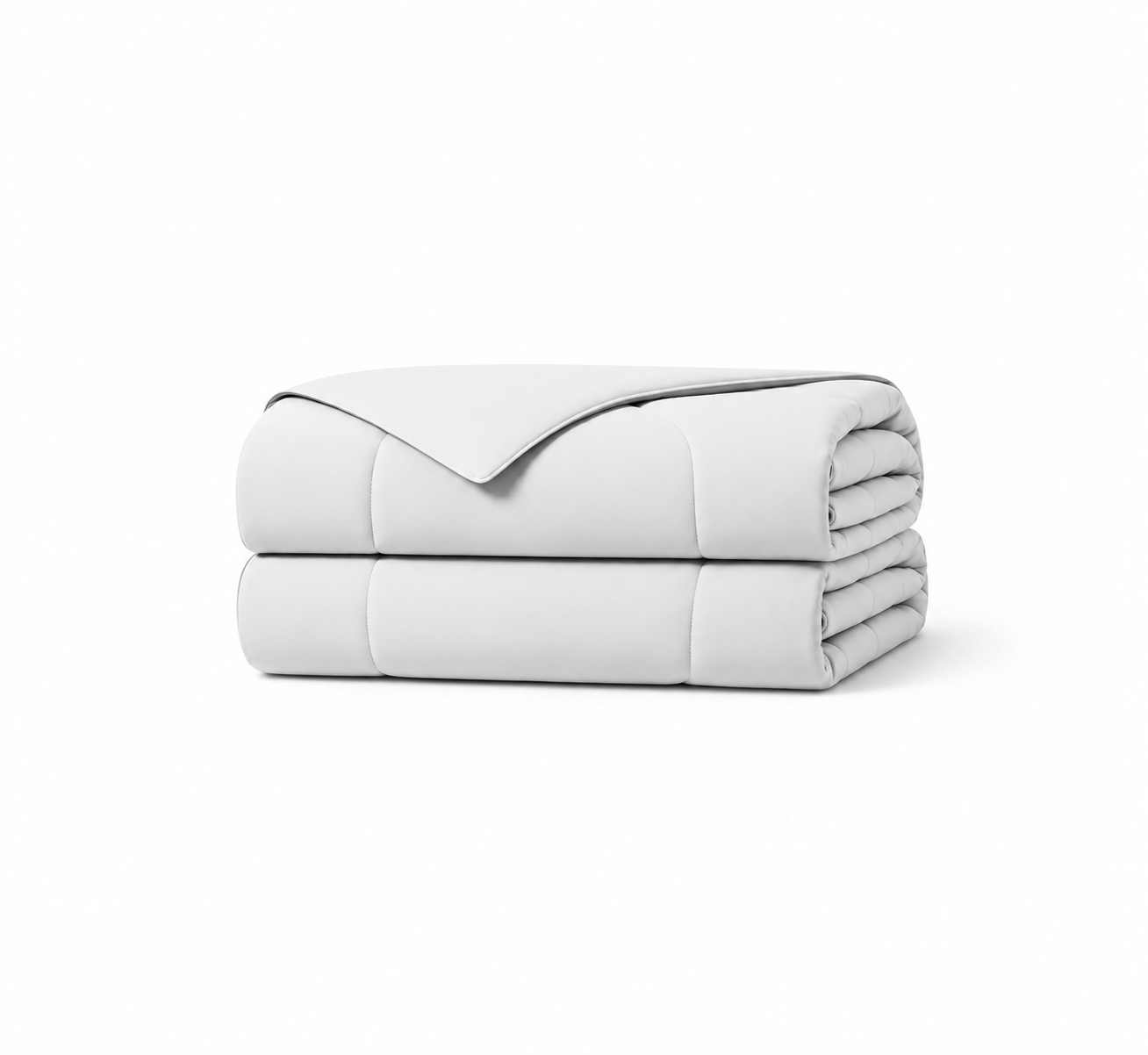
1. Cool the sleep surface: Use cooling bedding with phase-change fabric (CoolTouch®, Q-Max 0.38) that actively absorbs body heat, maintaining the 16–19°C surface range needed for sustained slow-wave sleep. Clinical data: 32% more deep sleep.
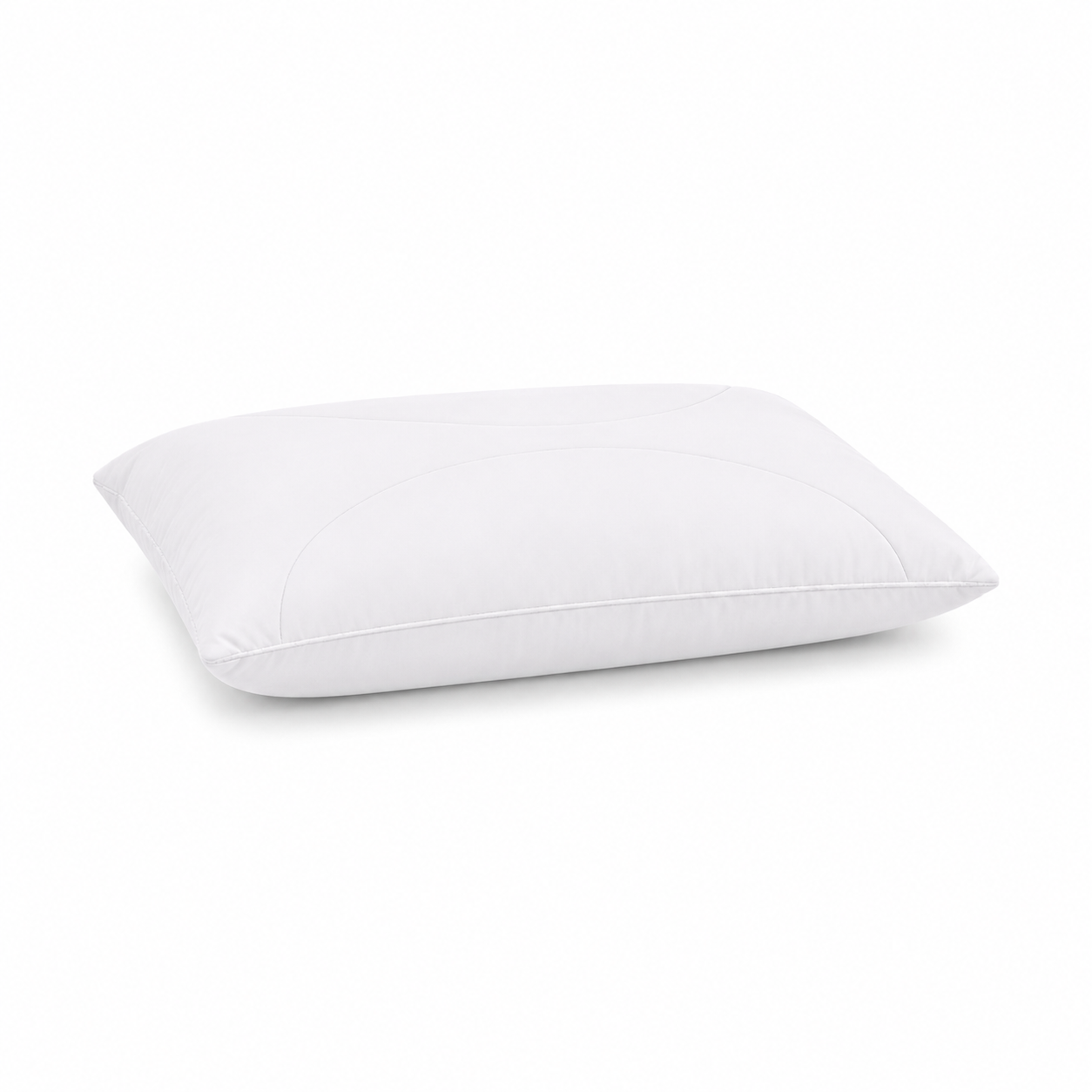
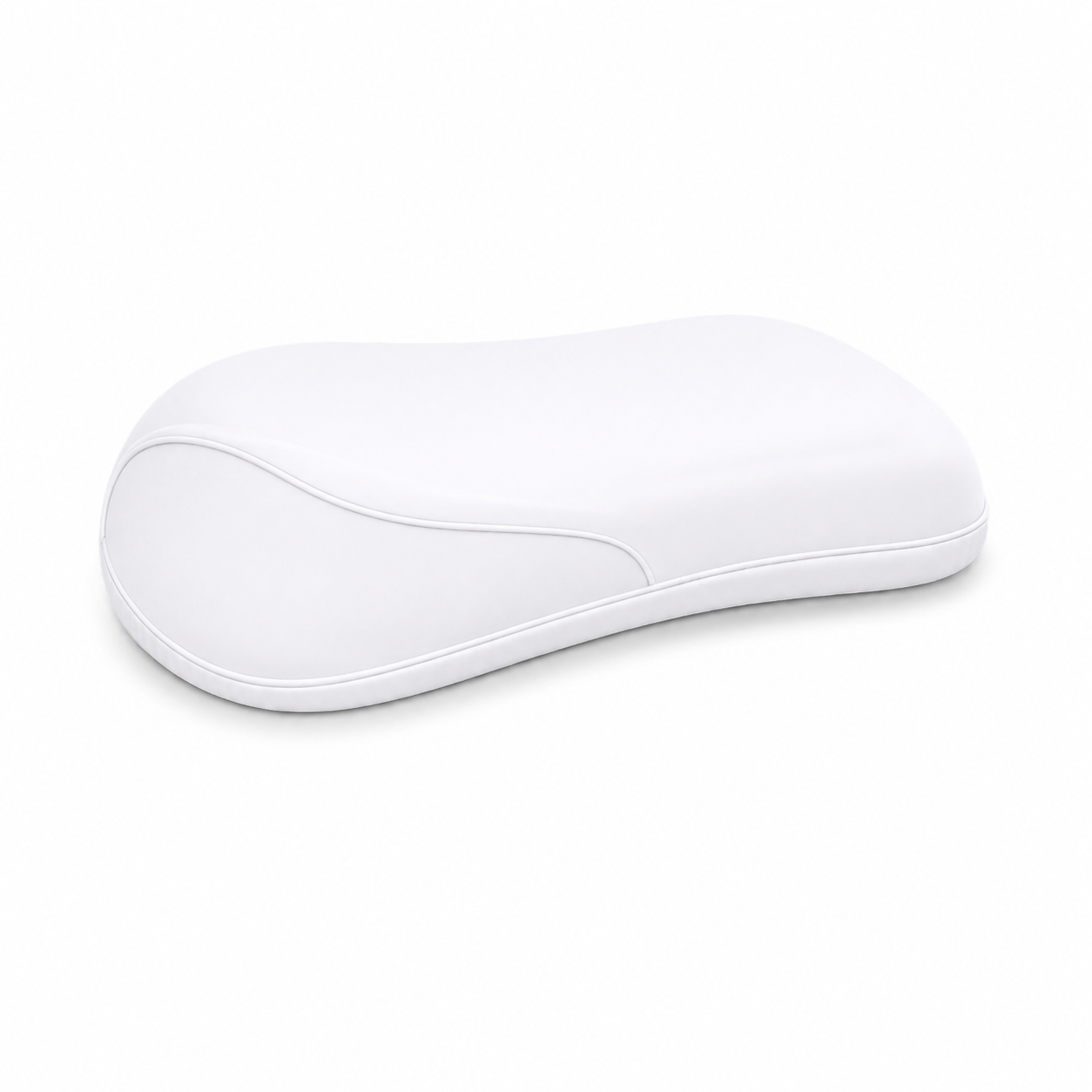
2. Use a cooling pillow: The CoolCloud® Pillow manages head/neck temperature; critical because the brain's thermoregulatory centre is in the head, and the head dissipates 25–30% of body heat.
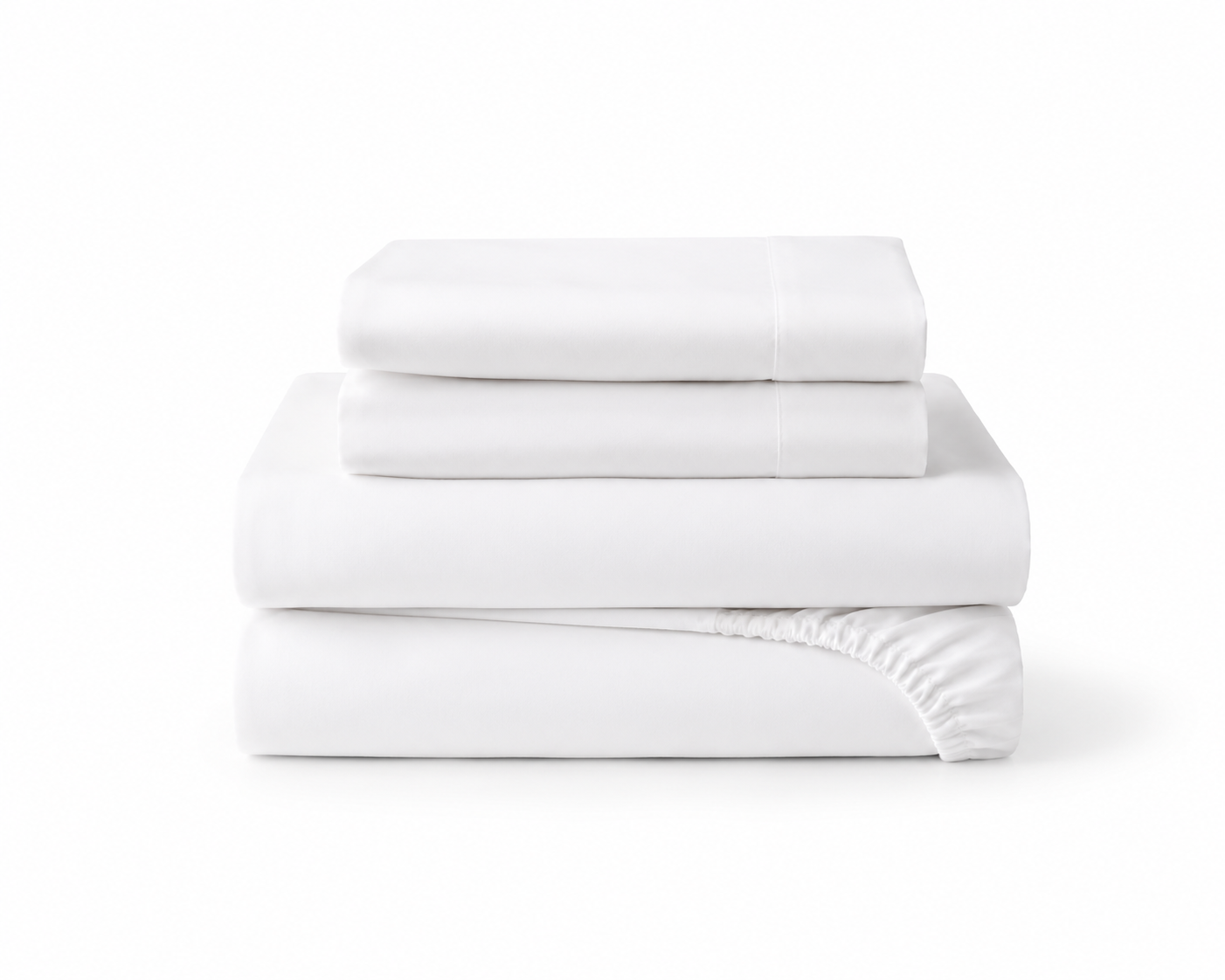
3. Use TENCEL™ Lyocell sheets: 50% more breathable than cotton, preventing the heat-trapping microclimate that suppresses deep sleep.
4. Maintain consistent sleep timing: The circadian temperature rhythm depends on consistency. Same bedtime, same wake time; even weekends.
5. Avoid alcohol before bed: Alcohol suppresses deep sleep (slow-wave activity) even at moderate doses. Avoid alcohol within 3 hours of sleep.
6. Exercise earlier in the day: Physical exercise raises core temperature, which then drops more steeply at night; facilitating deep sleep entry.
The most powerful single intervention is cooling bedding; it directly addresses the temperature regulation that controls deep sleep.
Sleep Lab™ Clinical Study, 2023. | Harding, E.C. et al. (2019).
Frequently Asked Questions
What are the benefits of deep sleep?
Deep sleep provides five critical benefits: (1) 70% of daily HGH release for muscle repair and tissue regeneration, (2) immune cytokine production, (3) brain waste clearance via the glymphatic system (10× faster than waking), (4) memory consolidation, and (5) metabolic regulation. All are concentrated in deep sleep.
How much deep sleep do I need?
Adults need 13–23% of total sleep in deep sleep; approximately 90–120 minutes per night from 7–9 hours total sleep. This decreases with age (adults over 65 may get as little as 5–7%). The quality of deep sleep matters as much as the quantity.
Does temperature affect deep sleep?
Yes; it is the primary environmental regulator. The body must drop its core temperature by 1–2°C to enter deep sleep. A 1°C increase in sleep surface temperature reduces deep sleep by 25%. Cooling bedding (CoolTouch®, Q-Max 0.38) maintains the 16–19°C surface range, increasing deep sleep by up to 32%.
How can I get more deep sleep?
The most evidence-based interventions: (1) Use cooling bedding (CoolTouch® Q-Max 0.38) to maintain optimal sleep surface temperature; 32% more deep sleep. (2) Maintain consistent sleep timing. (3) Avoid alcohol before bed (suppresses slow-wave sleep). (4) Exercise earlier in the day.