Performance Science
Deep Sleep for Athletes
Sleep is the most powerful legal performance enhancer available. Deep sleep is where training adaptation actually happens.
Athletic Deep Sleep
For athletes, deep sleep (NREM Stage 3) is the primary window for physical recovery and adaptation. During this stage, 70% of daily HGH is released, driving muscle protein synthesis and tissue repair. Motor skills are consolidated in NREM Stage 2 and REM sleep. Athletes who optimise deep sleep quality see measurable improvements in sprint time, accuracy, reaction time, and injury resilience.
Key Research Data
+9%
sprint time improvement with sleep extension (Stanford)
Mah et al., 2011; SLEEP
+17%
accuracy improvement in tennis serve after sleep extension
Schwartz & Simon, 2015
3×
higher injury risk in athletes sleeping under 8 hours
Milewski et al., 2014
70%
of daily HGH released during first deep sleep cycle
Van Cauter et al., 2000
The Stanford Sleep-Performance Research
The most cited study on sleep and athletic performance was conducted by Cheri Mah at Stanford. Basketball players who extended sleep to 10 hours per night for 5–7 weeks showed: sprint time improvement of 9%, free throw accuracy improvement of 9%, three-point shooting accuracy improvement of 9.2%, and faster reaction time.
The control variable: no change to training load, nutrition, or any other recovery protocol. Sleep duration and quality were the sole intervention. These improvements match or exceed gains typically attributed to altitude training, blood flow restriction, or supplementation; achieved entirely through optimised sleep.
For UAE athletes, the challenge is compounded: training in heat creates elevated thermal stress and greater tissue damage, but the sleep environment often prevents the deep sleep needed to recover from that damage.
Mah, C.D. et al. (2011). SLEEP 34(7):943-950.
Deep Sleep, HGH, and Athletic Adaptation
Human Growth Hormone is the primary driver of physical adaptation. Published research demonstrates that 70% of the body's daily HGH output is released in pulsatile bursts during the first slow-wave sleep episode of the night, typically 45–90 minutes after sleep onset.
HGH directly stimulates: protein synthesis for muscle repair, lipolysis (fat metabolism), cartilage and bone tissue renewal, and immune cell production. Any disruption to deep sleep; including heat-induced arousals or lighter sleep stages; directly reduces HGH output and delays athletic adaptation by measurable margins.
A 1°C increase in sleep surface temperature reduces deep sleep by 25%, with corresponding reductions in HGH secretion. For an athlete, this means slower recovery, reduced adaptation, and higher injury risk.
Van Cauter, E. et al. (2000). American Journal of Physiology.
Cooling Bedding for Athletic Recovery
Among professional sports organisations, sleep quality monitoring and sleep environment optimisation are now standard recovery protocols. The NBA, Premier League clubs, and Olympic training centres have all implemented sleep temperature protocols as part of formal recovery programs.
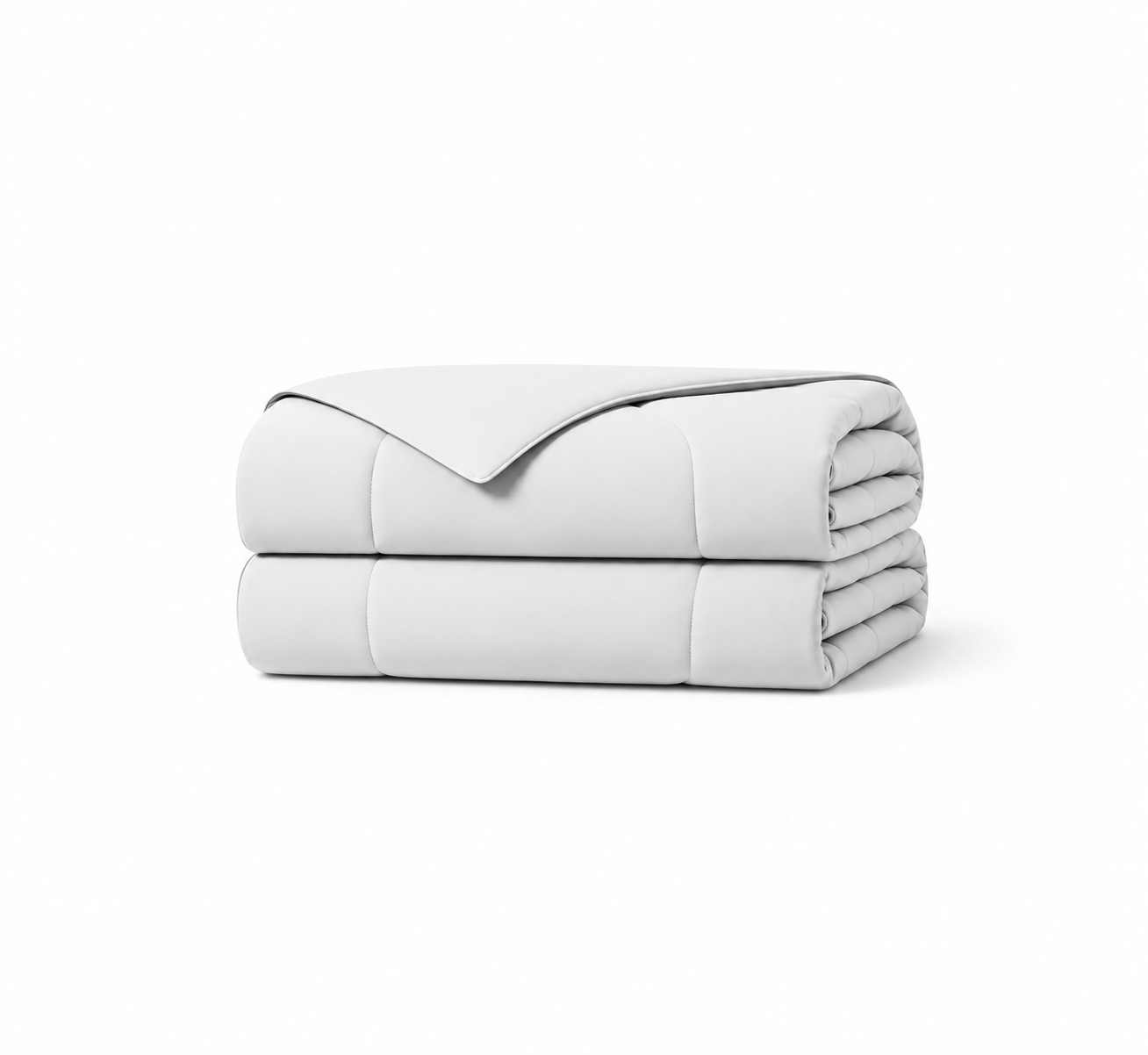
The mechanism: cooling bedding maintains the sleep surface in the 16–19°C range required for sustained slow-wave sleep, preserving the HGH secretion window and enabling the full tissue repair cycle. In clinical testing, subjects using CoolTouch® cooling bedding reported 42% improvement in perceived recovery scores versus standard bedding controls.
For UAE athletes, where baseline thermal stress is already high, cooling bedding is not a luxury; it is a recovery necessity.
NBA Performance Lab Recovery Protocols 2022. Sleep Lab™ Clinical Study, 2023.
Frequently Asked Questions
How much deep sleep do athletes need?
Athletes need 8–10 hours of total sleep with 90–120 minutes of deep sleep. Research from Stanford shows that extending sleep to 10 hours improves sprint times by 9%, accuracy by 17%, and reaction time by 11ms; with no change to training.
Why is deep sleep important for athletes?
During deep sleep, 70% of daily HGH is released; the hormone that drives muscle protein synthesis, tissue repair, and adaptation. Without adequate deep sleep, training gains are suppressed regardless of training volume or nutrition.
Does temperature affect athletic recovery?
Yes. A 1°C increase in sleep surface temperature reduces deep sleep by 25%, shrinking the HGH secretion window and delaying muscle repair. Cooling bedding that maintains 16–19°C surface temperature preserves deep sleep and maximises recovery.
What bedding is best for athletes in the UAE?
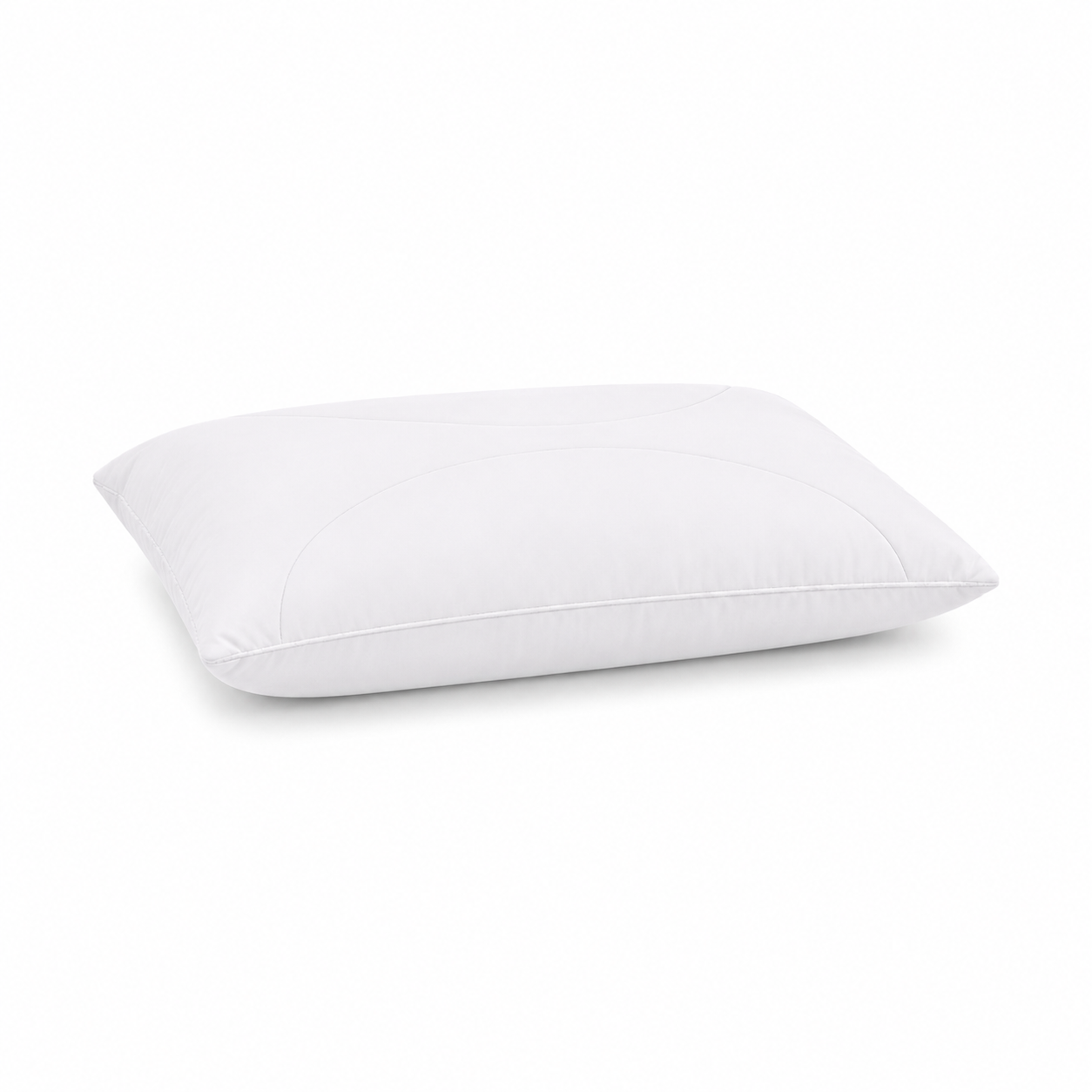
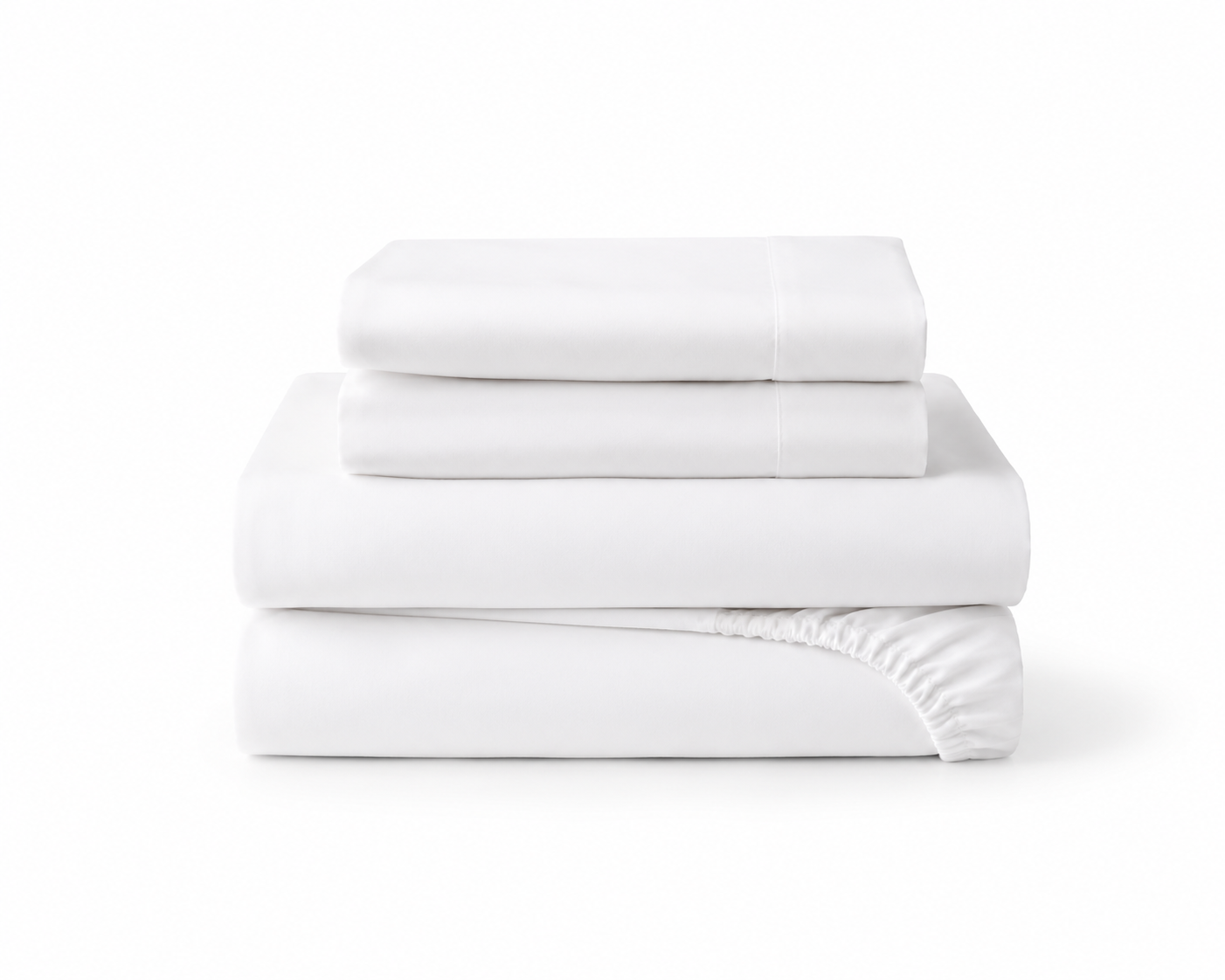
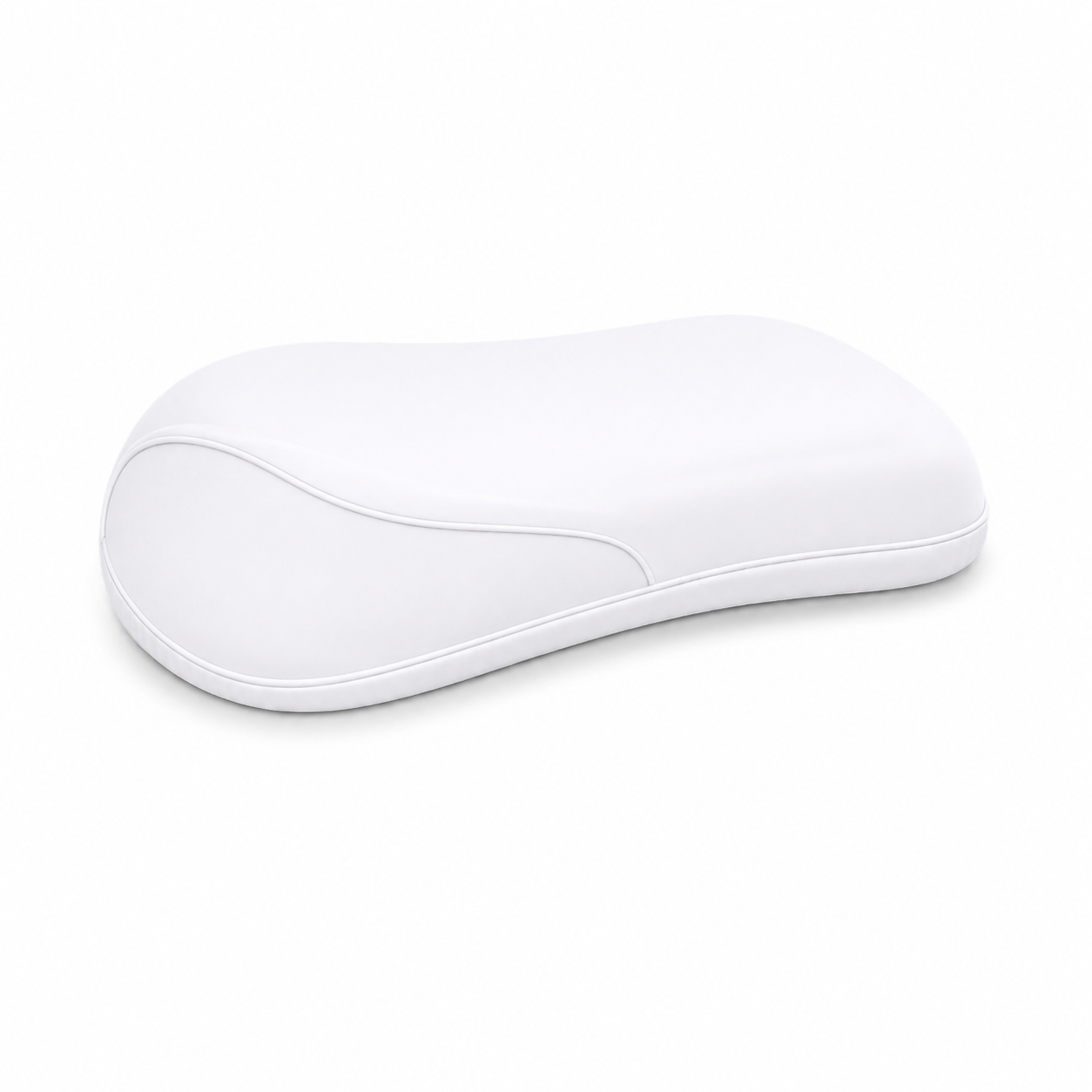
Athletes need bedding that actively maintains the 16–19°C sleep surface: CoolTouch® Performance Comforter (phase-change, Q-Max 0.38), TENCEL™ Lyocell sheets (50% more breathable than cotton), and a CoolCloud® cooling pillow for head temperature regulation.