Sleep Science
Core Body Temperature
Your core body temperature is the master clock that controls your sleep. Understanding it is the key to understanding why you sleep well, or don't.
Core Body Temperature
Core body temperature is the internal temperature of the body, maintained by the hypothalamus within a narrow range (approximately 36.4–37.4°C). It follows a circadian rhythm; peaking in the late afternoon and reaching its nadir (lowest point) at approximately 4am. This 1–2°C temperature drop is the physiological trigger for sleep onset and deep sleep. When this drop is prevented (by heat-trapping bedding or a warm environment), sleep quality deteriorates significantly.
Key Research Data
37.4°C
core temperature peak in the late afternoon
Harvard Medical School
36.4°C
core temperature nadir at ~4am during deepest sleep
Czeisler, C.A.; Harvard
1–2°C
core temperature drop required to initiate deep sleep
Walker, Why We Sleep, 2017
25%
less deep sleep per 1°C of thermal disruption
Harding et al., 2019
The Circadian Temperature Cycle
Core body temperature follows a precise 24-hour circadian cycle that is tightly linked to the sleep-wake cycle:
Morning (6am–10am): Core temperature rises from its nadir, helping you wake up and become alert. The rising temperature suppresses melatonin and promotes cortisol release.
Daytime (10am–6pm): Core temperature reaches its peak (~37.4°C) in the late afternoon. This is when physical and cognitive performance is highest.
Evening (6pm–10pm): Core temperature begins declining, triggered by melatonin release and peripheral vasodilation (blood flow to hands and feet to radiate heat). This decline signals the brain that sleep onset should begin.
Night (10pm–4am): Core temperature continues dropping, reaching its nadir (~36.4°C) at approximately 4am. This is the period of deepest sleep; the body's most intensive physical recovery.
Pre-dawn (4am–6am): Core temperature begins rising again, preparing the body for waking.
This temperature rhythm is not a side effect of sleep; it is the control signal. The temperature drop causes sleep; sleep does not cause the temperature drop.
Czeisler, C.A. and Gooley, J.J. (2007). Cold Spring Harbor Symposia. | Walker, M. (2017). Why We Sleep.
The 1–2°C Drop: The Key to Deep Sleep
The core temperature drop of 1–2°C (from ~37.4°C to ~36.4°C) is the physiological trigger for deep sleep. Here is how it works:
1. As ambient light decreases in the evening, the suprachiasmatic nucleus (SCN) signals the pineal gland to release melatonin. 2. Melatonin triggers peripheral vasodilation; blood vessels in the hands and feet widen, directing warm blood to the skin surface to radiate heat away from the core. 3. This peripheral heat loss causes the core temperature to drop by 1–2°C. 4. The preoptic area of the hypothalamus detects this temperature drop and triggers the cascade of events that initiate deep sleep.
If this temperature drop is prevented; by heat-trapping bedding, a warm environment, or hormonal disruption; deep sleep is delayed or incomplete. Research shows: • A 1°C increase in sleep surface temperature reduces deep sleep by 25%. • Sleep surface temperatures of 16–19°C increase slow-wave sleep by up to 32%. • The body generates approximately 80 watts of heat during sleep; all of which must dissipate through the skin surface.
This is why the sleep surface (bedding) is the critical variable for core temperature regulation during sleep.
Harding, E.C. et al. (2019). Frontiers in Neuroscience. | Sleep Medicine Reviews (2019).
How to Support Healthy Core Temperature During Sleep
To support the natural core temperature drop needed for deep sleep:
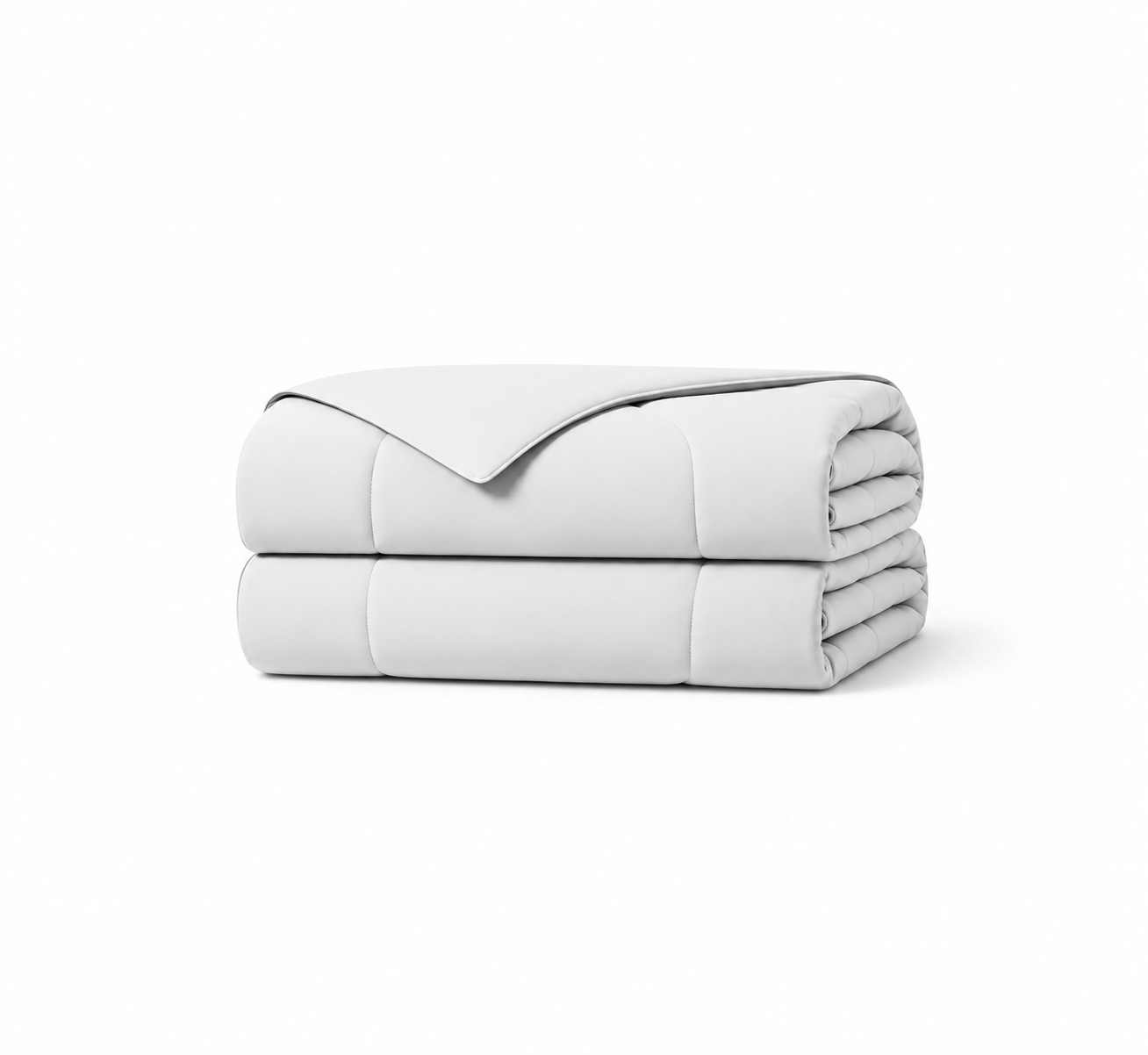
1. Use cooling bedding: CoolTouch® Performance Comforter (Q-Max 0.38) actively absorbs body heat at the skin surface, facilitating the core temperature drop. Clinical data: 32% more deep sleep.
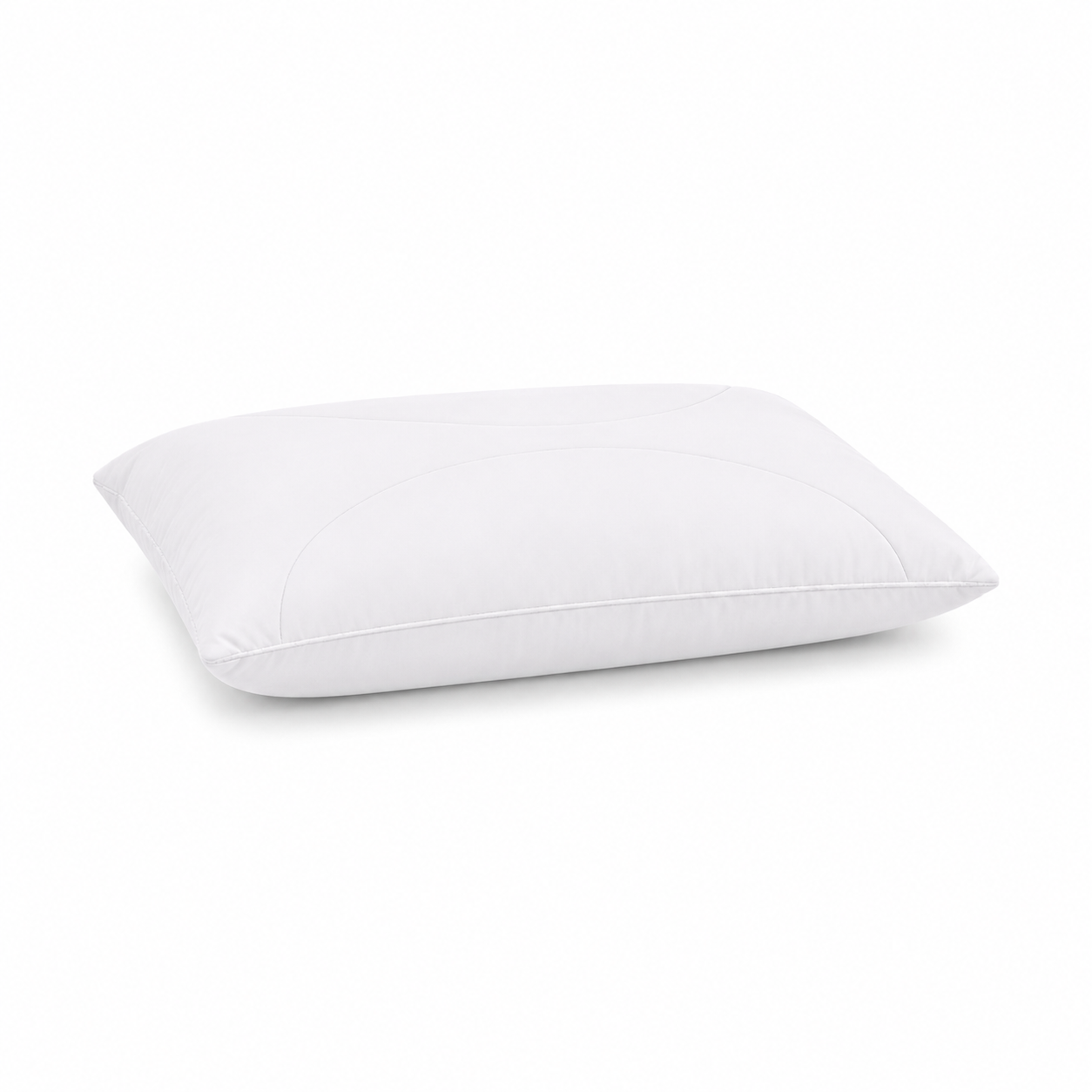
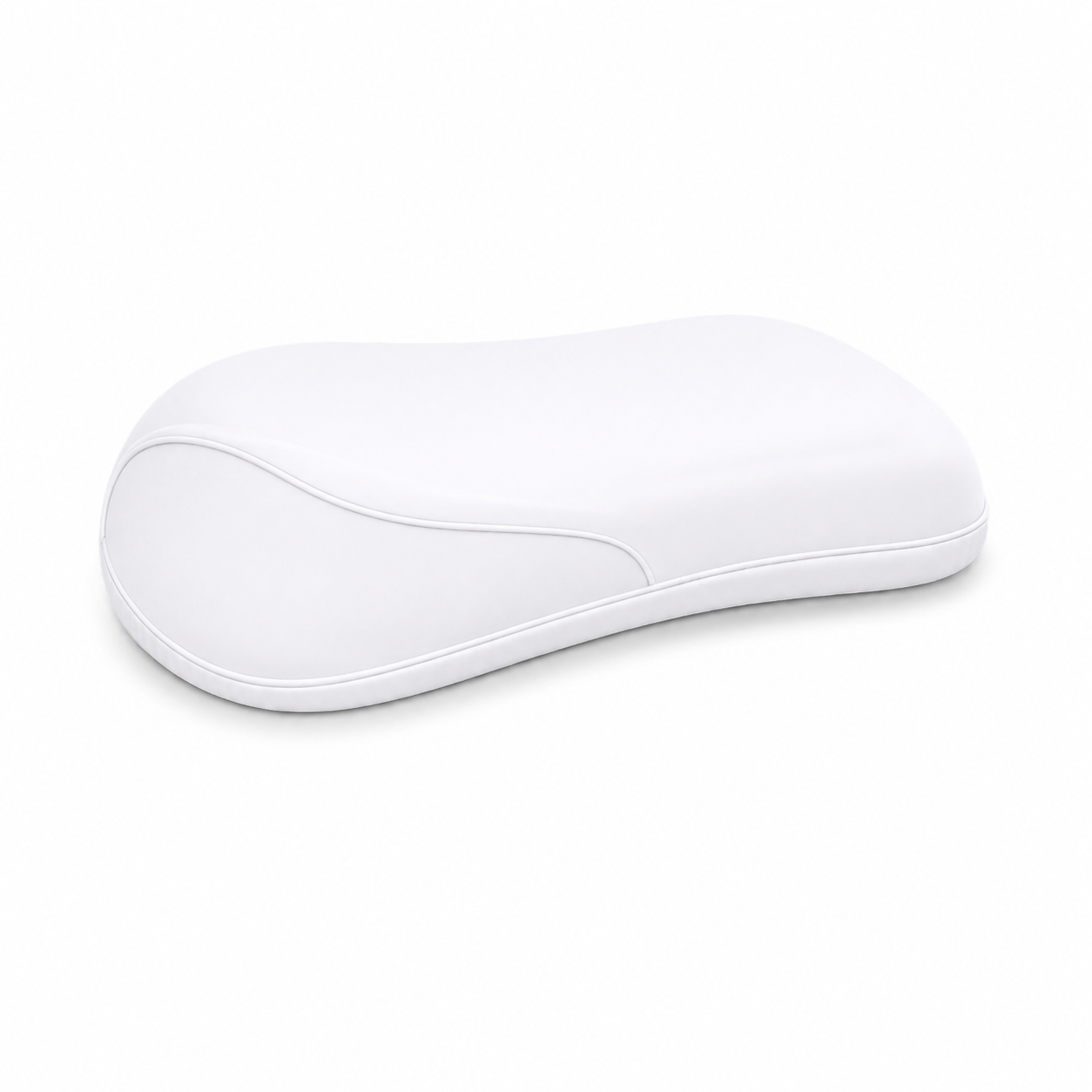
2. Use a cooling pillow: The CoolCloud® Pillow manages head/neck temperature. The brain's thermoregulatory centre is in the hypothalamus (in the head), and the head dissipates 25–30% of body heat.
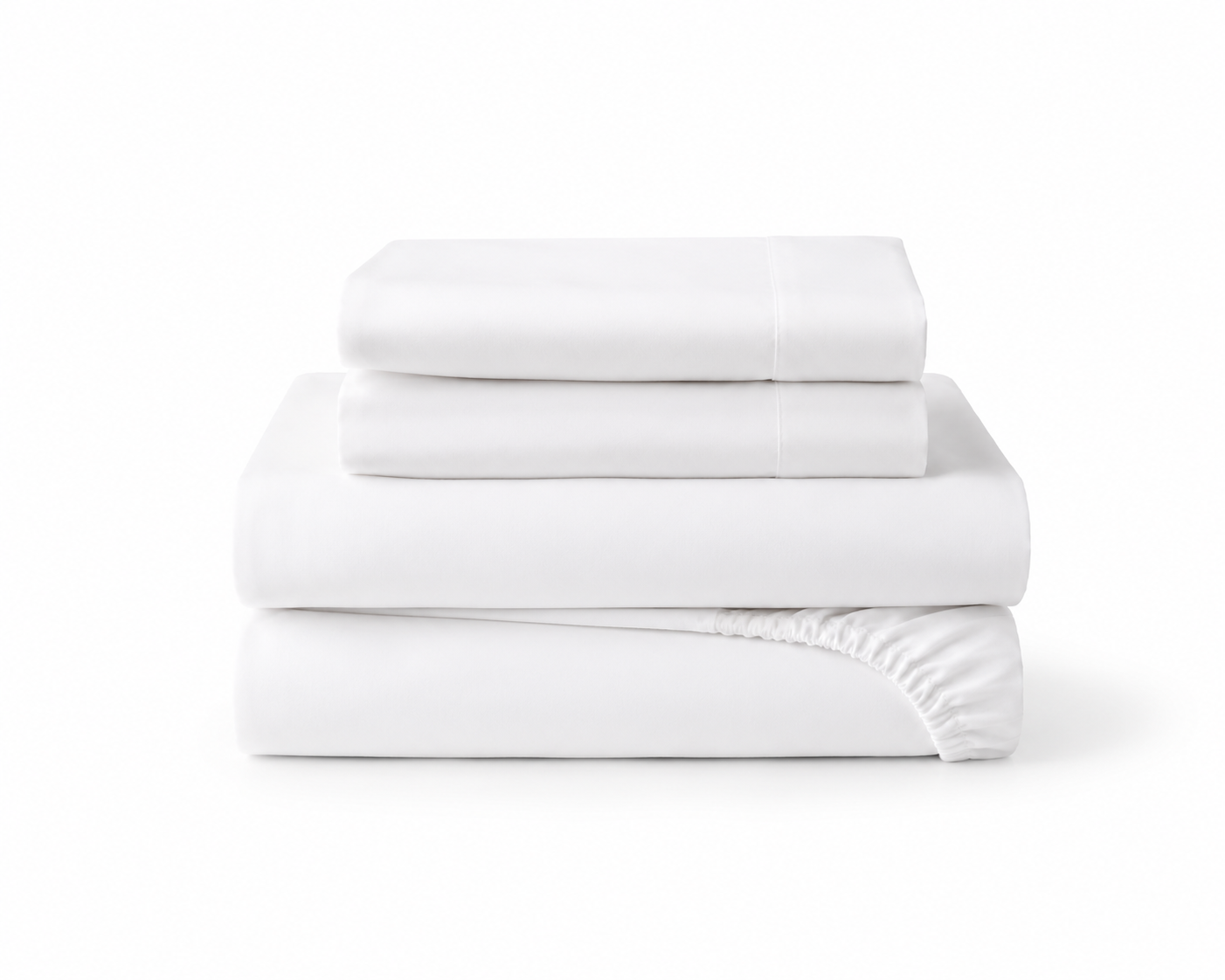
3. Use TENCEL™ Lyocell sheets: 50% more breathable than cotton, facilitating heat transfer from skin to environment.
4. Set AC to 19–21°C: Provides the ambient temperature that supports the body's natural cooling process.
5. Maintain consistent sleep timing: The circadian temperature rhythm depends on consistency. Irregular sleep schedules disrupt the temperature cycle.
6. Get morning light exposure: Morning sunlight helps set the circadian rhythm, which controls the temperature cycle.
7. Avoid alcohol before bed: Alcohol disrupts the temperature rhythm and suppresses deep sleep.
By supporting the body's natural thermoregulatory process, you enable the core temperature drop that is the physiological trigger for deep, restorative sleep.
Sleep Lab™ Clinical Study, 2023. | Harding, E.C. et al. (2019).
Frequently Asked Questions
What is core body temperature?
Core body temperature is the internal temperature of the body, maintained by the hypothalamus at approximately 36.4–37.4°C. It follows a circadian rhythm; peaking in the late afternoon and dropping to its lowest point at ~4am. This 1–2°C drop is the physiological trigger for deep sleep.
How does core body temperature affect sleep?
Core body temperature must drop by 1–2°C to initiate and maintain deep sleep. This drop is the physiological trigger for sleep onset. When bedding traps heat and prevents this drop, deep sleep is reduced by up to 25% per degree of thermal disruption. The sleep surface is the critical variable for core temperature regulation.
What is the ideal core body temperature for sleep?
Core body temperature should drop from its daytime peak (~37.4°C) to approximately 36.4°C during sleep; a 1–2°C drop. The skin surface temperature (microclimate) should be 33–36°C. Standard bedding can push the microclimate to 37–40°C, preventing the core temperature drop.
Can cooling bedding help regulate core body temperature?
Yes. Cooling bedding with phase-change fabric (CoolTouch®, Q-Max 0.38) actively absorbs body heat at the skin surface, facilitating the 1–2°C core temperature drop needed for deep sleep. Clinical testing showed 32% more deep sleep with cooling bedding.