Comparison
Cooling vs Silk
Silk is natural and skin-friendly, but CoolTouch® provides stronger active cooling. They serve different purposes; here is how to choose.
Cooling Fabric vs Silk
Cooling fabric (CoolTouch® phase-change, Q-Max 0.38) and silk (Q-Max ~0.22) serve different primary purposes. CoolTouch® provides active, strong cooling through phase-change heat absorption. Silk provides gentle natural cooling, ultra-smooth surface (43% less friction than cotton), and natural hypoallergenic/antibacterial properties. For maximum cooling, CoolTouch® is superior. For skin benefits and gentle cooling, silk is ideal; especially for the delicate eye area.
Key Research Data
0.38
Q-Max of CoolTouch® (strong active cooling)
AATCC Test Method 195
0.22
Q-Max of silk (gentle natural cooling)
AATCC Test Method 195
43%
less friction: silk vs cotton (skin benefit)
Textile Research Journal, 2020
18
amino acids in silk protein beneficial for skin
Journal of Cosmetic Dermatology, 2019
Different Strengths
CoolTouch® and silk are both excellent materials, but they serve different primary purposes:
CoolTouch® Phase-Change Fabric (Q-Max 0.38): • Primary strength: Active, strong cooling through phase-change heat absorption • Cooling mechanism: PCM micro-capsules absorb and store body heat • Best for: Pillows, comforters; products where maximum cooling is needed • Skin contact: Smooth, but not as smooth as silk
Silk (Q-Max 0.22): • Primary strength: Skin benefits; ultra-smooth, hypoallergenic, antibacterial • Cooling mechanism: Natural temperature regulation and moisture management • Best for: Eye masks, pillowcases; products where skin contact and gentle cooling matter most • Skin contact: The smoothest natural fibre, 43% less friction than cotton
The key insight: these materials are complementary, not competitive. CoolTouch® provides the strongest cooling. Silk provides the best skin experience. The best sleep system uses both; CoolTouch® for pillows and comforters (maximum cooling) and silk for eye masks (skin benefits + gentle cooling for the delicate eye area).
AATCC Test Method 195. | Textile Research Journal (2020).
Q-Max and Cooling Comparison
On raw cooling performance, CoolTouch® is significantly stronger:
• CoolTouch®: Q-Max 0.38 W/cm²; strong active cooling, sustained across 8-hour sleep cycle • Silk: Q-Max 0.22 W/cm²; gentle natural cooling, moderate but pleasant
CoolTouch® provides approximately 73% stronger instant cooling than silk, plus sustained cooling through phase-change heat absorption that silk cannot match.
However, silk's cooling is not insignificant; Q-Max 0.22 is better than cotton (0.10–0.15) and bamboo (0.20). Silk provides a gentle, natural cooling sensation that many people find pleasant, particularly for the face and eye area.
Silk also has unique benefits that CoolTouch® does not provide: • 43% less friction than cotton; reduces sleep creases and morning puffiness • Naturally hypoallergenic and antibacterial; without chemical treatment • 18 amino acids beneficial for skin • Natural temperature regulation; cool in summer, warm in winter
For the eye area; where the skin is thinnest and most sensitive to friction; silk's smoothness and gentle cooling make it the ideal material.
AATCC Test Method 195. | Journal of Cosmetic Dermatology (2019).
How The Sleep Lab™ Uses Both
The Sleep Lab™ uses CoolTouch® and silk for different purposes, matching each material to its optimal role:
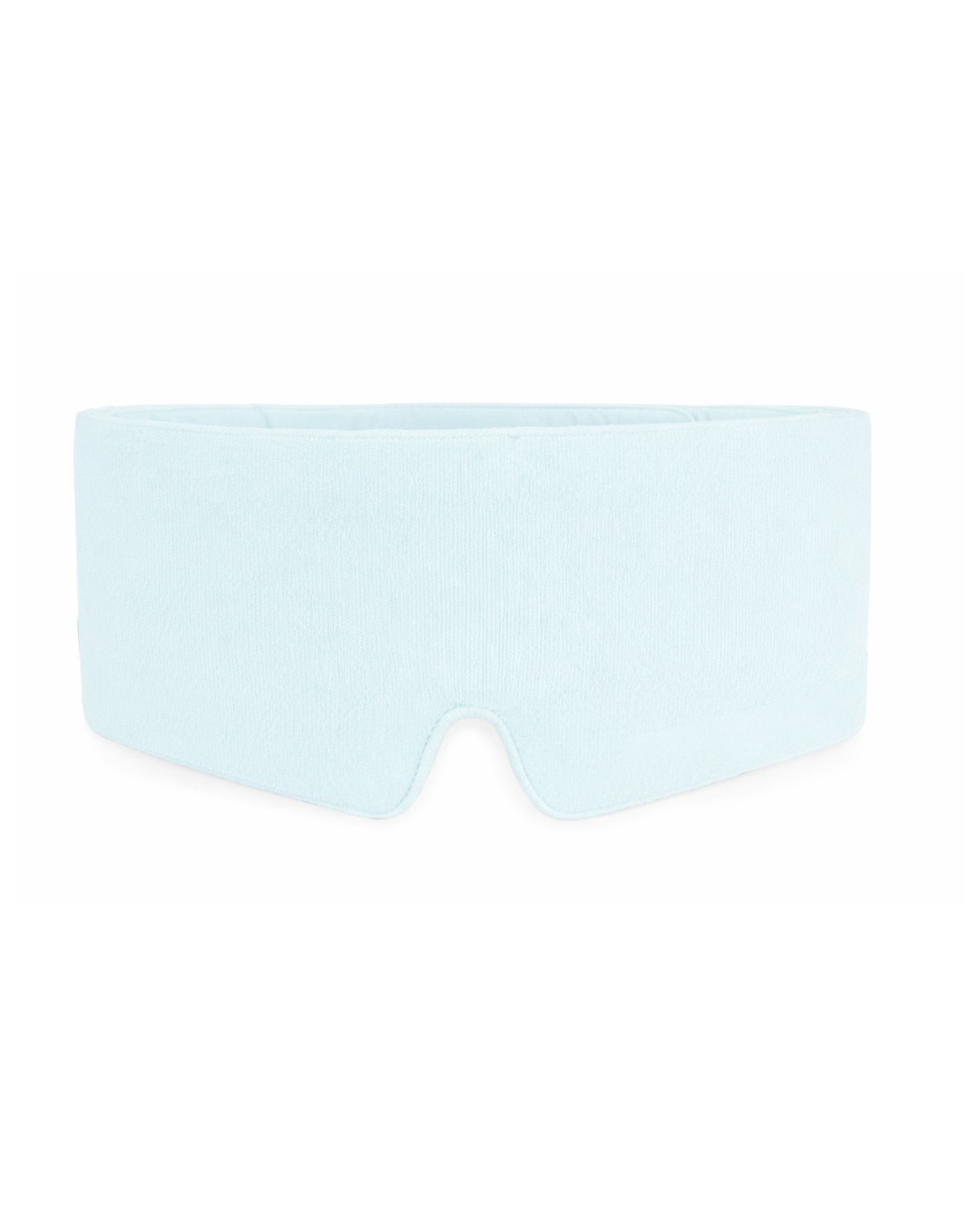
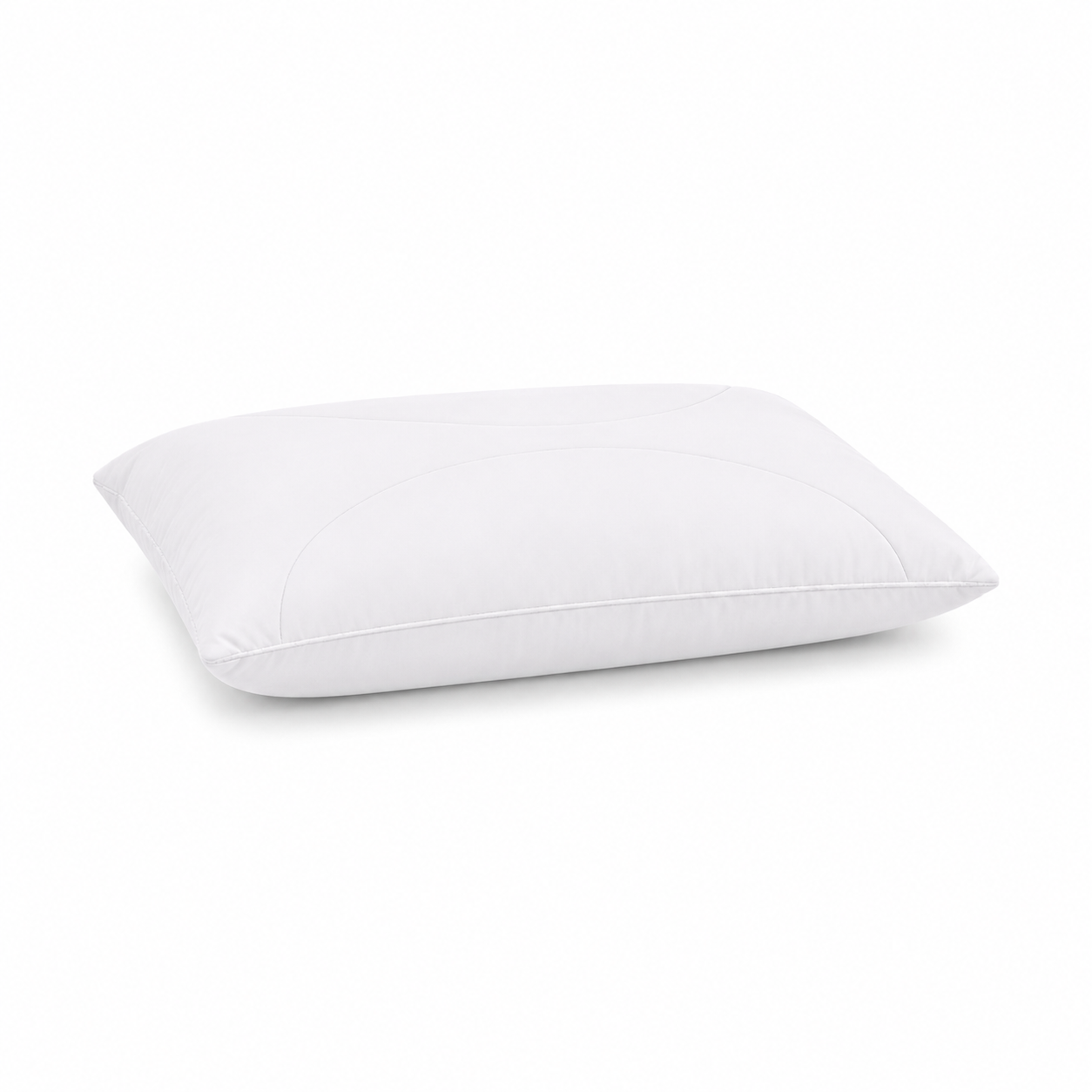
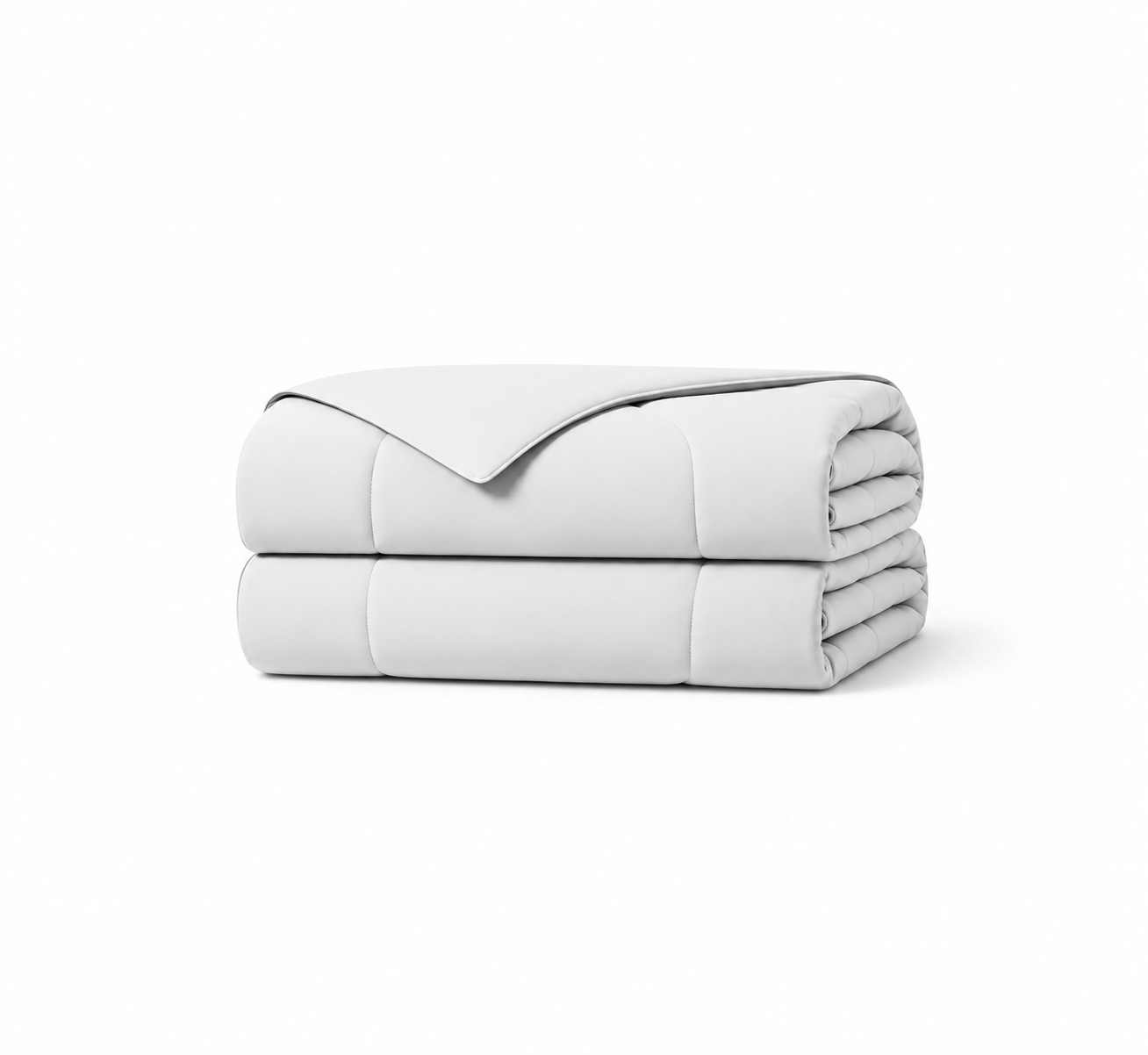
CoolTouch® (maximum cooling): • CoolCloud® Pillow: Q-Max 0.38 for head/neck cooling (highest heat dissipation area) • CoolTouch® Memory Contour Pillow: Q-Max 0.38 for neck support + cooling • CoolTouch® Performance Comforter: Q-Max 0.38 for body temperature management • CoolTouch® Performance Eye Mask: Q-Max 0.38 for maximum facial cooling + blackout
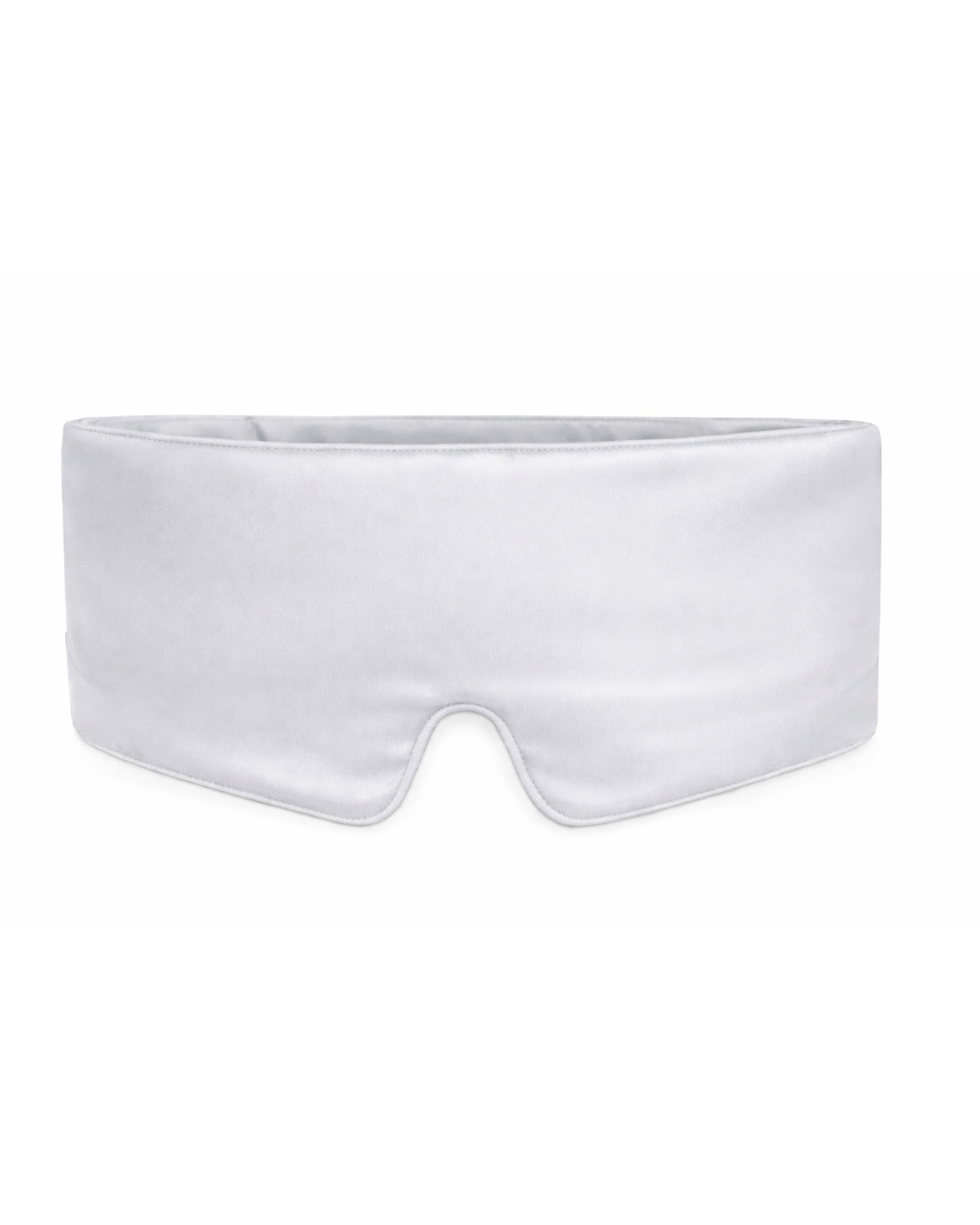
Silk (skin benefits + gentle cooling): • CoolSilk® Eye Mask: Pure silk for the delicate eye area; natural cooling, 43% less friction, hypoallergenic, antibacterial, full blackout
The CoolSilk® Eye Mask is recommended for: • Skincare-conscious sleepers who want to reduce sleep creases and morning puffiness • People with sensitive skin around the eyes • Those who prefer natural, gentle cooling over strong active cooling • Menopausal women whose skin may be more sensitive during hormonal changes
The CoolTouch® Performance Eye Mask is recommended for: • Hot sleepers who need maximum facial cooling • People who prioritise cooling over skin benefits • Athletes who need both blackout and active cooling for recovery
Both are excellent choices; the right one depends on whether you prioritise maximum cooling (CoolTouch®) or skin benefits with gentle cooling (CoolSilk®).
Sleep Lab™ Product Data. | AATCC Test Method 195.
Frequently Asked Questions
Is CoolTouch® better than silk?
For maximum cooling, yes; CoolTouch® (Q-Max 0.38) provides approximately 73% stronger cooling than silk (Q-Max 0.22) plus sustained cooling through phase-change heat absorption. For skin benefits, silk is superior; 43% less friction, naturally hypoallergenic, 18 amino acids. They are complementary, not competitive.
Is silk cooling?
Yes. Silk has a Q-Max of 0.22 W/cm²; better than cotton (0.10–0.15) and bamboo (0.20). It provides gentle, natural cooling through temperature regulation and moisture management. For stronger cooling, CoolTouch® phase-change fabric (Q-Max 0.38) is superior.
Is silk or CoolTouch® better for an eye mask?
For skincare-conscious sleepers, the CoolSilk® Silk Eye Mask is ideal; natural cooling, 43% less friction, hypoallergenic. For maximum cooling, the CoolTouch® Performance Eye Mask (Q-Max 0.38) is stronger. Both provide full blackout. Choose based on whether you prioritise skin benefits or maximum cooling.
Can I use both CoolTouch® and silk?
Yes, and you should. Use CoolTouch® for pillows and comforters (maximum cooling for the body's primary heat dissipation areas) and silk for the eye mask (skin benefits and gentle cooling for the delicate eye area). This is exactly how The Sleep Lab™ product range is designed.