Medical Science
Chronic Pain & Sleep
Chronic pain and poor sleep create a vicious cycle; pain prevents deep sleep, and lack of deep sleep lowers the pain threshold. Temperature is a modifiable variable.
The Chronic Pain-Sleep Cycle
The chronic pain-sleep cycle is a bidirectional relationship where pain disrupts sleep and poor sleep amplifies pain sensitivity. Chronic pain prevents entry into deep sleep (NREM Stage 3) and REM sleep, causing microarousals throughout the night. The resulting sleep deprivation lowers the pain threshold; making the same pain feel worse the next day. This creates a self-reinforcing cycle that is difficult to break without addressing both pain and sleep quality simultaneously.
Key Research Data
88%
of chronic pain patients report sleep disturbance
Journal of Pain, 2021
25%
reduction in pain threshold after one night of sleep deprivation
Sleep Medicine, 2019
25%
less deep sleep from a 1°C increase in sleep surface temperature
Harding et al., 2019
50%
faster moisture wicking with TENCEL™ vs standard cotton
Lenzing AG, 2023
The Pain-Sleep Cycle
Chronic pain and sleep have a bidirectional relationship; each worsens the other:
1. Pain disrupts sleep: Chronic pain prevents comfortable positioning, causes microarousals throughout the night, and keeps the brain in lighter sleep stages. The result is reduced deep sleep and REM sleep; the stages where physical and cognitive recovery occur.
2. Poor sleep amplifies pain: Research published in Sleep Medicine (2019) found that just one night of sleep deprivation reduces the pain threshold by 25%; meaning the same pain stimulus feels significantly worse after poor sleep.
This creates a self-reinforcing cycle: pain → poor sleep → lower pain threshold → more pain → worse sleep. Breaking the cycle requires addressing both pain management and sleep quality.
88% of chronic pain patients report sleep disturbance; making sleep quality a primary target for chronic pain management.
Journal of Pain (2021). | Sleep Medicine (2019).
How Temperature Affects Chronic Pain Sleep
Temperature has a direct effect on chronic pain and sleep quality:
1. Heat increases pain perception: In many chronic pain conditions (arthritis, neuropathy, fibromyalgia), heat amplifies pain signals. A warm sleep surface can increase perceived pain intensity, making it harder to fall asleep and stay asleep.
2. Temperature fluctuations trigger microarousals: Standard bedding creates a thermal microclimate that fluctuates as the body generates heat and the bedding absorbs and re-radiates it. These fluctuations cause microarousals that fragment sleep; especially problematic for chronic pain patients who are already predisposed to sleep disruption.
3. Night sweats from pain medications: Many chronic pain medications (opioids, NSAIDs, antidepressants used for nerve pain) can cause night sweats. The resulting damp bedding creates thermal discomfort that further fragments sleep.
Cooling bedding with phase-change materials creates a stable, cool thermal microclimate that addresses all three of these issues; reducing heat-amplified pain, eliminating temperature fluctuations, and managing medication-induced night sweats.
Harding, E.C. et al. (2019). Frontiers in Neuroscience.
Cooling Bedding for Chronic Pain Sleep
For chronic pain patients, the recommended bedding system focuses on stable cooling, pressure relief, and moisture management:
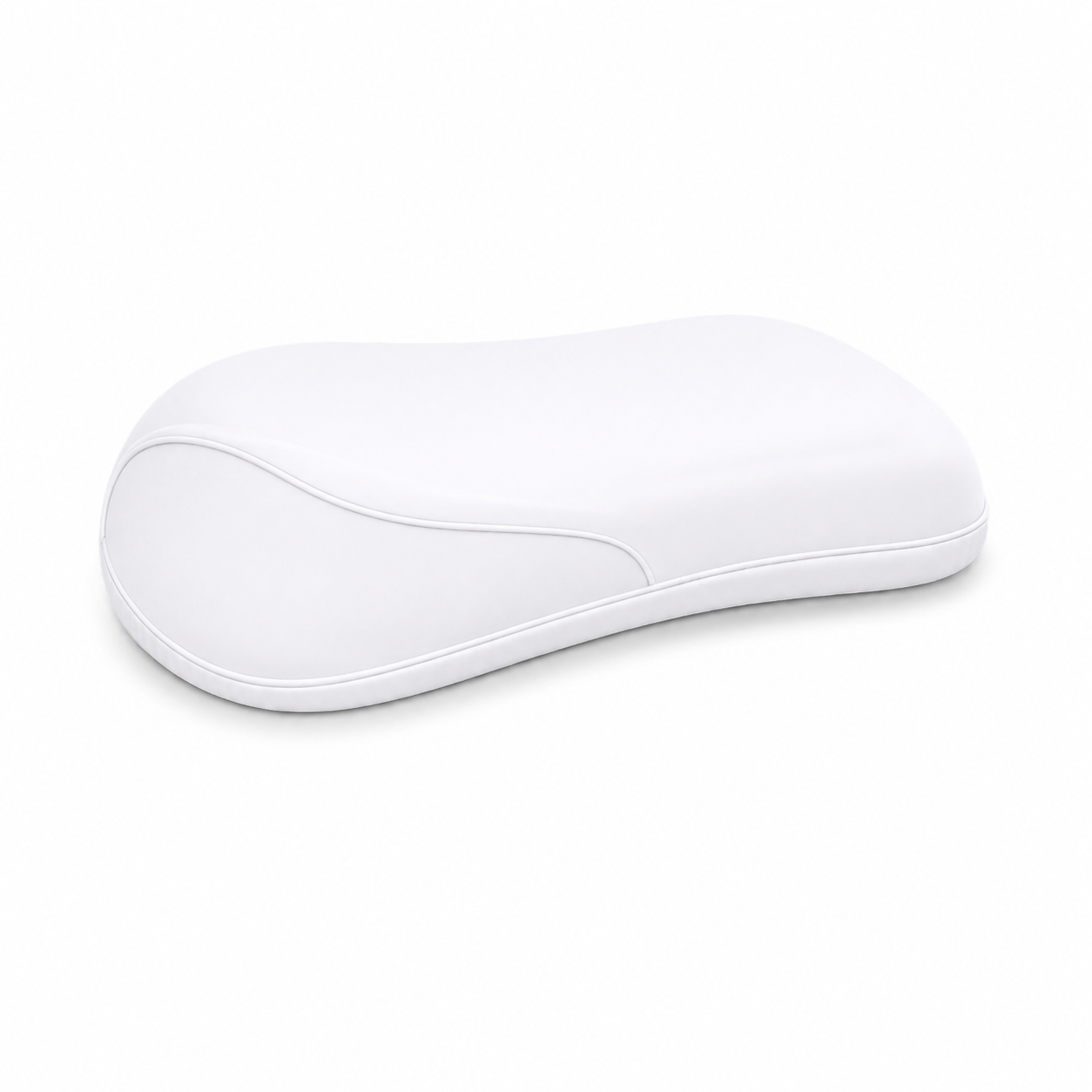
1. CoolTouch® Memory Contour Pillow: Ventilated memory foam provides spinal alignment and cervical support; critical for neck and shoulder pain. The CoolTouch® fabric prevents the heat trapping that amplifies pain in standard memory foam. The ventilated design promotes airflow through the pillow.
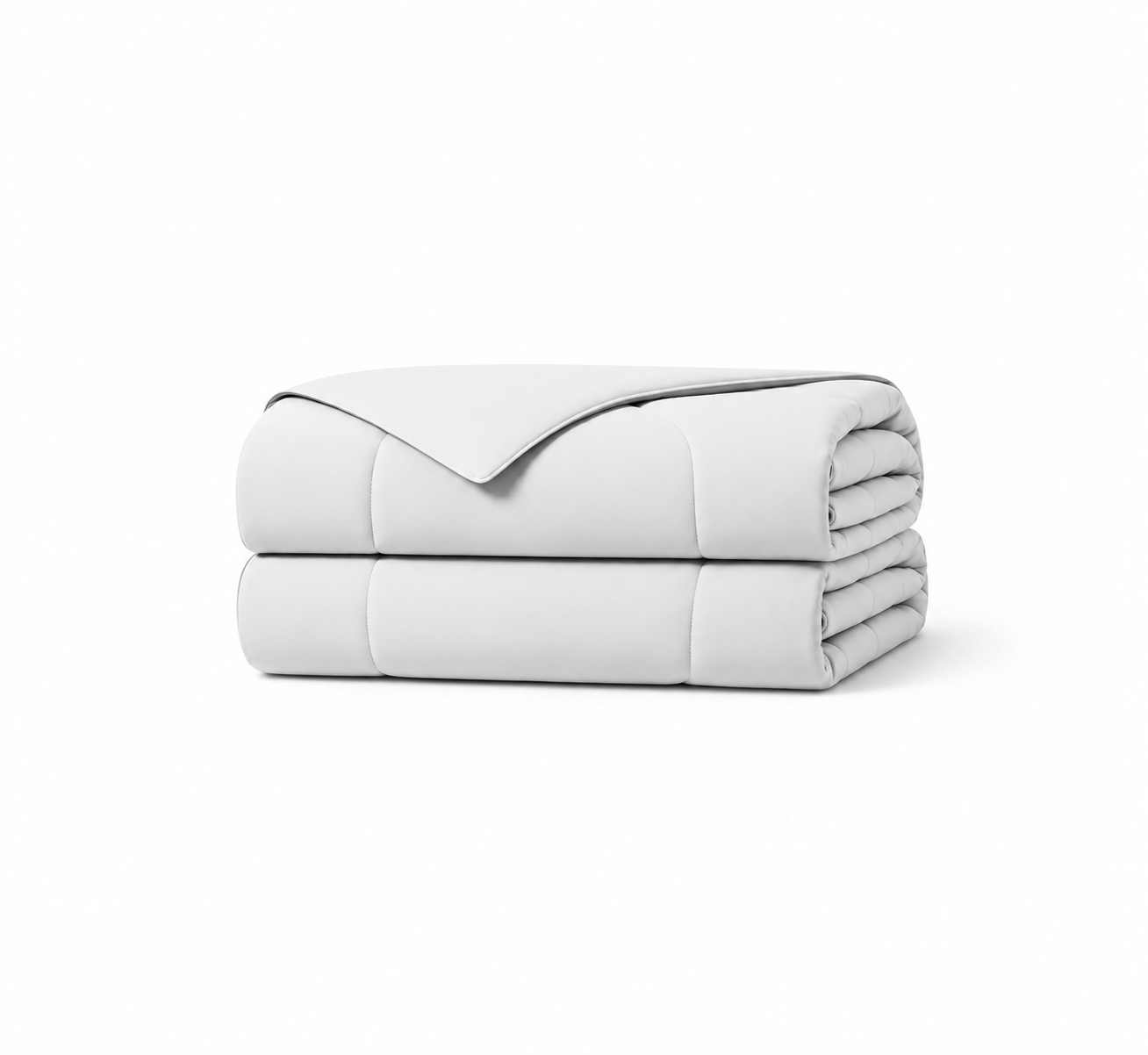
2. CoolTouch® Performance Comforter: Phase-change fabric creates a stable thermal microclimate (no temperature fluctuations that trigger microarousals). Lightweight performance fill avoids the pressure of heavy duvets.
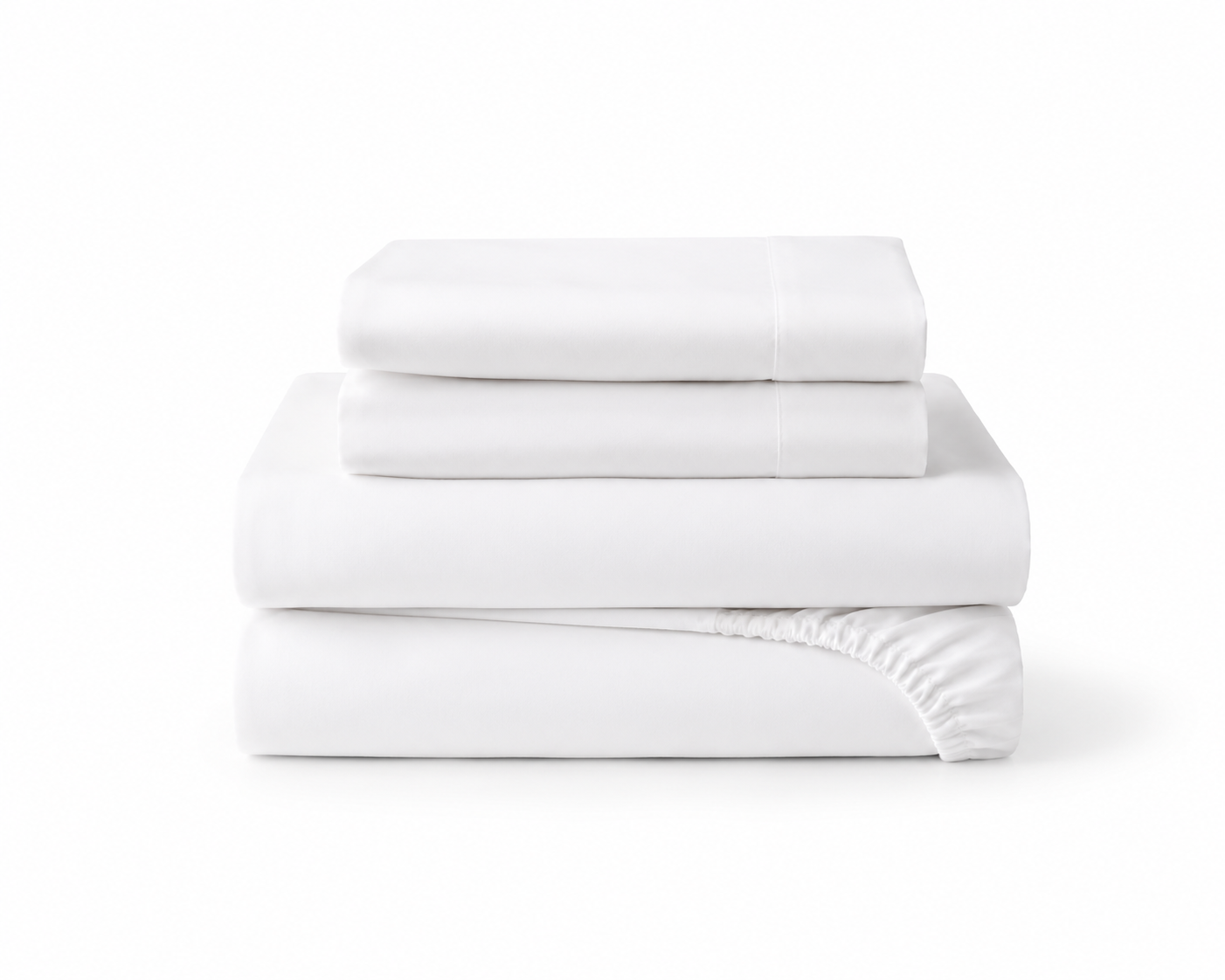
3. TENCEL™ Lyocell sheets: 50% faster moisture wicking than cotton for medication-induced night sweats. Ultra-smooth surface reduces friction and pressure sensitivity; important for chronic pain patients with heightened sensory processing.
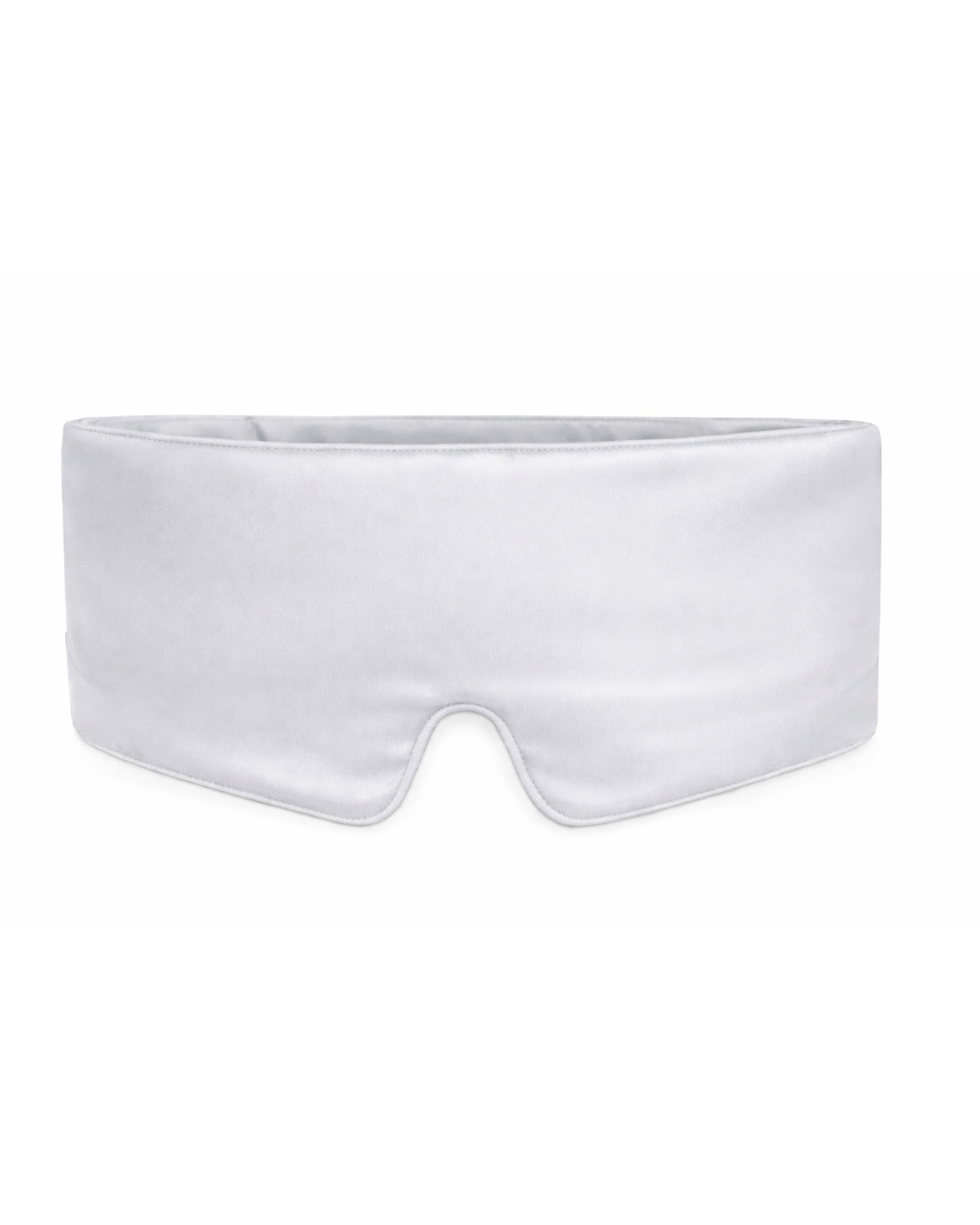
4. CoolSilk® Silk Eye Mask: Naturally smooth and friction-free; reduces sensory load on the delicate eye area. Full blackout for deeper, less fragmented sleep.
Important: Cooling bedding is a complementary intervention. Always consult your pain management specialist.
Sleep Lab™ Product Data. | Lenzing AG. TENCEL™ Technical Data.
Frequently Asked Questions
How does chronic pain affect sleep?
Chronic pain prevents comfortable positioning, causes microarousals throughout the night, and keeps the brain in lighter sleep stages. 88% of chronic pain patients report sleep disturbance. The resulting poor sleep lowers the pain threshold by 25%, creating a self-reinforcing pain-sleep cycle.
Does temperature affect chronic pain?
Yes. In many chronic pain conditions (arthritis, neuropathy, fibromyalgia), heat amplifies pain signals. A warm sleep surface can increase perceived pain intensity. Temperature fluctuations also trigger microarousals that fragment sleep; especially problematic for chronic pain patients.
What bedding is best for chronic pain?
CoolTouch® Memory Contour Pillow (ventilated memory foam for spinal alignment with cooling fabric), CoolTouch® Performance Comforter (stable thermal microclimate, lightweight), and TENCEL™ Lyocell sheets (ultra-smooth surface, 50% faster moisture wicking for medication-induced night sweats).
Can cooling bedding help with chronic pain?
Cooling bedding helps by reducing heat-amplified pain, eliminating temperature fluctuations that trigger microarousals, and managing medication-induced night sweats. It is a complementary intervention that supports sleep quality, which in turn helps break the pain-sleep cycle.