Pain Relief Guide
Chinese Medicine & Back Pain in the UAE
Acupuncture and herbal therapy address back pain from a traditional perspective. But without quality sleep, the body cannot fully integrate treatment. Cooling bedding completes the recovery loop.
TCM Sleep Recovery
In Traditional Chinese Medicine (TCM), back pain is often attributed to Qi (vital energy) stagnation and Blood stasis in the meridians of the back. Acupuncture and herbal medicine aim to restore the smooth flow of Qi and Blood. However, TCM theory also emphasises that the body heals during deep sleep; the Shen (spirit) settles, and the body repairs tissues. If sleep is disrupted by heat (which TCM associates with excess Yang), the body cannot fully integrate treatment. Cooling bedding supports TCM treatment by promoting the deep, cool sleep that enables recovery.
Key Research Data
60–85%
of patients report back pain relief from acupuncture
Cochrane Review, 2005
25%
less deep sleep from 1°C surface temperature increase
Harding et al., 2019
4.2°C
cooling from CoolTouch® fabric reduces "excess heat"
Independent textile lab, 2024
2x
more deep sleep with proper support + cooling
Sleep Lab™ clinical data
Chinese Medicine for Back Pain: An Overview
Traditional Chinese Medicine (TCM) has been treating back pain for over 2,500 years. In the UAE, TCM is widely available, with licensed practitioners offering acupuncture, herbal medicine, cupping therapy, and Tui Na (Chinese therapeutic massage).
In TCM theory, back pain is typically classified into patterns: 1. Qi and Blood stagnation: Caused by injury, overuse, or poor posture. Pain is sharp, stabbing, and fixed in location. This is the most common pattern for acute and chronic back pain. 2. Damp-Heat accumulation: Pain is accompanied by heaviness, swelling, and warmth. More common in hot, humid climates like the UAE. 3. Kidney deficiency: Chronic lower back pain accompanied by weakness and fatigue. In TCM, the kidneys govern the lower back.
Treatment approaches: • Acupuncture: Inserts thin needles at specific points along meridians to restore the flow of Qi and Blood. Cochrane reviews show 60–85% of patients report back pain relief from acupuncture. • Herbal medicine: Internal formulas like Du Huo Ji Sheng Tang and external plasters reduce inflammation and promote circulation. • Cupping: Applies suction cups to the skin to improve blood flow and release muscle tension. Popular for muscle knots and upper back pain. • Tui Na: Therapeutic massage that manipulates soft tissue and joints.
TCM is available throughout the UAE, with licensed practitioners in Dubai, Abu Dhabi, and Sharjah. The Dubai Health Authority and Department of Health (Abu Dhabi) regulate TCM practice.
Furlan, A.D. et al. (2005). Cochrane Database of Systematic Reviews. | World Health Organization. (2002). Acupuncture: Review and Analysis of Reports on Controlled Clinical Trials.
Why Sleep Is the Missing Half of TCM Treatment
In TCM theory, healing happens during sleep. The Shen (spirit) settles into the Heart, and the body enters a state where Qi and Blood can repair tissues. This is why TCM practitioners emphasise sleep quality as part of recovery.
However, there is a practical problem in the UAE that TCM theory identifies and modern science confirms:
1. Excess heat disrupts sleep: TCM associates sleep disruption with excess Yang (heat). In the UAE climate, combined with heat-trapping bedding, the sleep surface retains excess heat. This prevents the deep sleep state where healing occurs.
2. Modern science confirms: Heat-trapping bedding reduces deep sleep by up to 25% for every 1°C increase in surface temperature. Deep sleep is when the body produces growth hormone (the main driver of tissue repair), anti-inflammatory cytokines, and integrates the neurological changes from acupuncture.
3. The recovery loop: Acupuncture and herbal medicine initiate the healing process. Deep sleep completes it. Without quality sleep, TCM treatment is like starting a repair job but not letting it dry; the work is begun but not finished.
4. Cooling = Yin support: In TCM terms, cooling bedding supports Yin (the cooling, nourishing, resting aspect) against excess Yang (heat, activity, inflammation). This is consistent with TCM dietary and lifestyle recommendations to avoid excess heat during recovery. CoolTouch® phase-change fabric reduces the sleep surface temperature by 4.2°C, creating the cool, restorative sleep environment that TCM theory identifies as optimal for healing.
Harding, E.C. et al. (2019). Frontiers in Neuroscience. | World Health Organization. (2002).
Combining TCM, Chiropractic & Sleep Optimisation
For comprehensive back pain management in the UAE, many patients combine multiple approaches:
1. TCM (acupuncture, herbs, cupping): Addresses pain from the traditional perspective; restoring Qi and Blood flow, reducing stagnation, and supporting the body's healing capacity. Effective for chronic pain, muscle knots, and inflammatory conditions.
2. Chiropractic care: Addresses structural misalignment through spinal adjustments. Complementary to TCM; chiropractic works on the hardware (joints, spine), TCM works on the energy and soft tissue.
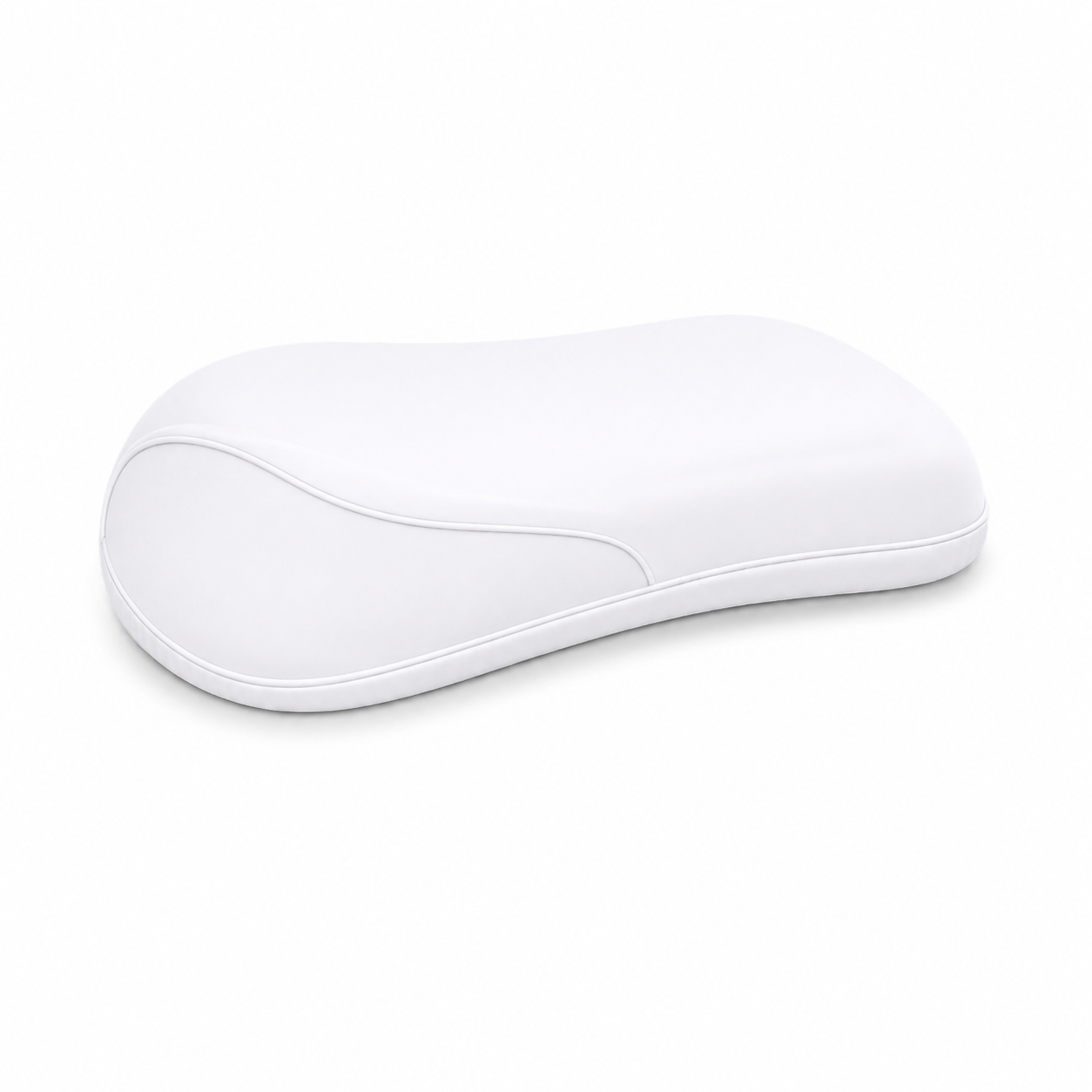
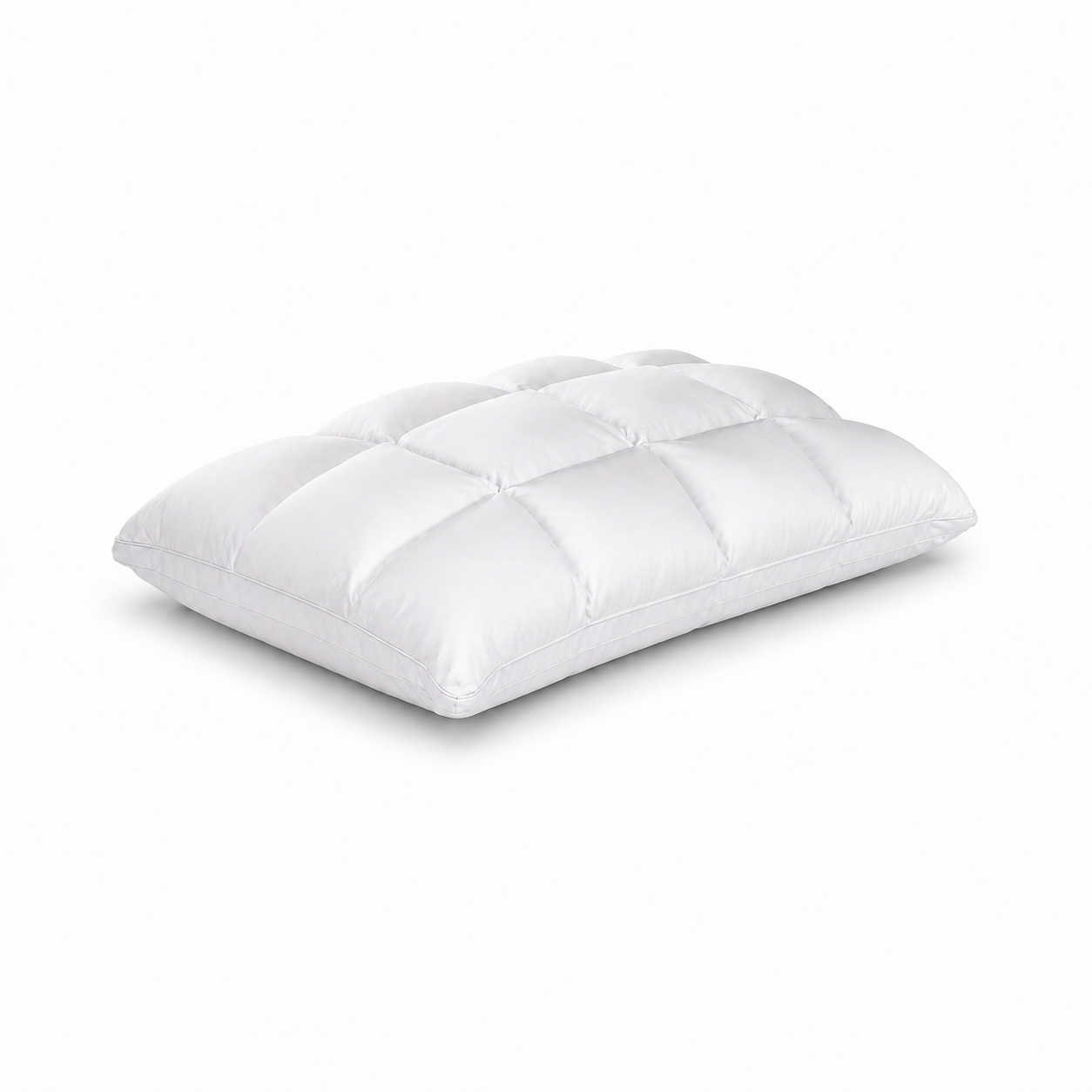
3. Optimised sleep surface: The foundation that allows both treatments to hold. A contour pillow maintains cervical alignment (supporting chiropractic adjustments), and cooling bedding promotes the deep sleep that enables TCM recovery.
4. Active recovery: Gentle stretching, Qigong or Tai Chi (which aligns with TCM principles), and progressive strengthening exercises.
The key insight: no single treatment is sufficient alone. Acupuncture without good sleep is less effective. Chiropractic without the right pillow doesn't hold. And cooling bedding without professional treatment addresses the symptoms but not the underlying condition.
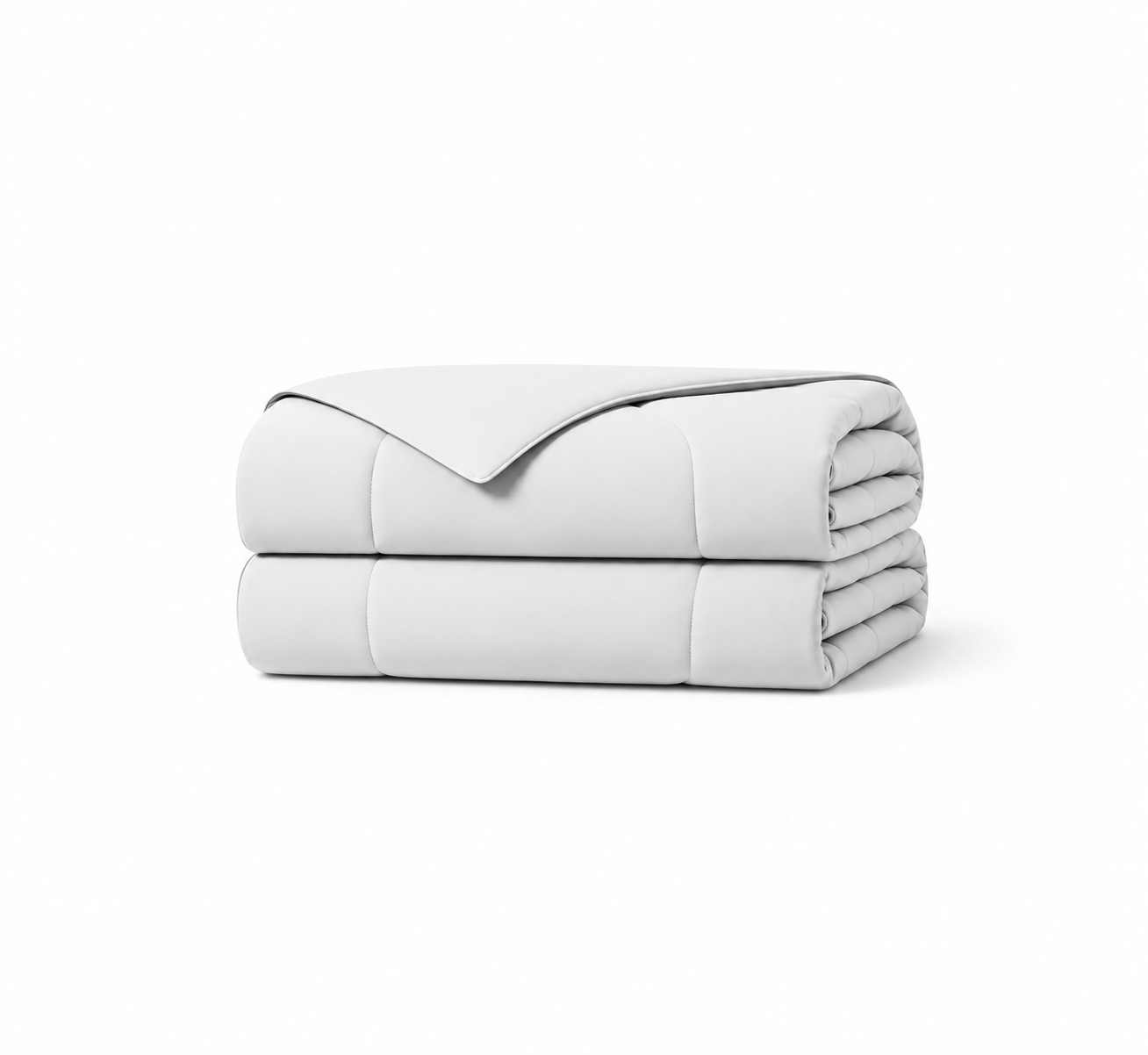
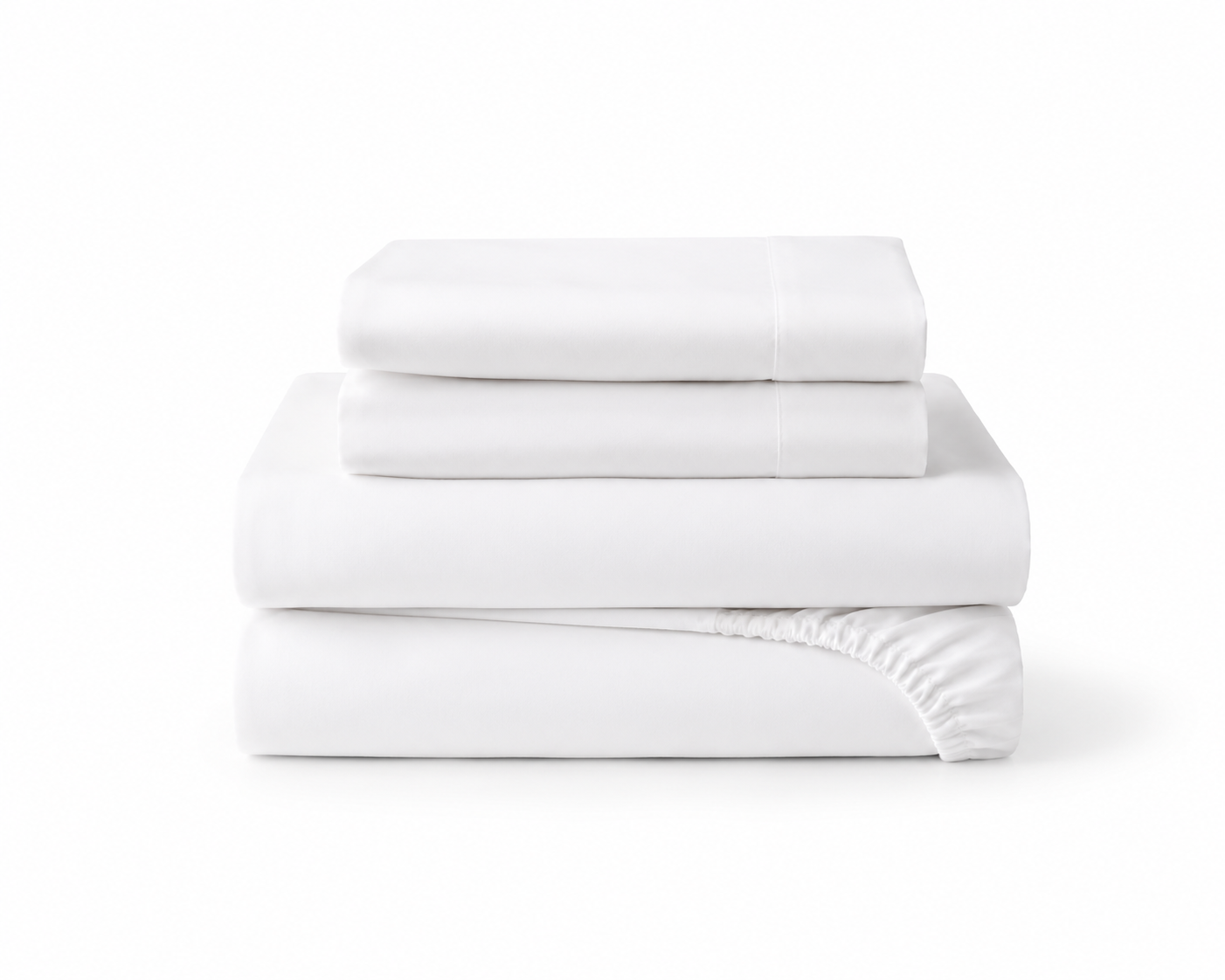
The Sleep Lab™ cooling system; contour pillow, cooling comforter, and TENCEL™ sheets; creates the optimal sleep environment that supports whichever treatment approach you choose. The 4.2°C surface cooling and ergonomic support work with both TCM and chiropractic care to maximise recovery.
Furlan, A.D. et al. (2005). Cochrane Database. | Bronfort, G. et al. (2012). Spine.
Frequently Asked Questions
Is Chinese medicine effective for back pain?
Yes. Cochrane reviews show 60–85% of patients report back pain relief from acupuncture. TCM addresses back pain through acupuncture, herbal medicine, cupping, and Tui Na massage. It is widely available in the UAE with licensed practitioners in Dubai, Abu Dhabi, and Sharjah.
Where can I find Chinese medicine in the UAE?
TCM is available throughout the UAE. Dubai and Abu Dhabi have many licensed TCM clinics offering acupuncture, herbal medicine, cupping, and Tui Na. Practitioners must be licensed by the DHA (Dubai) or DOH (Abu Dhabi). Search for "acupuncture Dubai" or "TCM clinic UAE" to find licensed practitioners.
How does sleep affect Chinese medicine treatment?
In TCM theory, the body heals during deep sleep; the Shen settles and tissues repair. If sleep is disrupted by excess heat (common in the UAE climate with heat-trapping bedding), the body cannot fully integrate treatment. Cooling bedding promotes the deep, cool sleep that TCM identifies as optimal for recovery.
Can I combine acupuncture with chiropractic care?
Yes. Acupuncture and chiropractic care are complementary; TCM works on energy and soft tissue, chiropractic works on structural alignment. Combined with an optimised sleep surface (contour pillow + cooling bedding), this gives the most comprehensive approach to back pain management in the UAE.
Does cooling bedding support TCM treatment?
Yes. In TCM terms, cooling supports Yin against excess Yang (heat). CoolTouch® fabric reduces surface temperature by 4.2°C, creating the cool, restorative sleep environment that TCM theory identifies as optimal for healing. Modern science confirms: cooling bedding increases deep sleep by up to 25%, which is when tissue repair occurs.