Medical Science
Chemotherapy Night Sweats
Chemotherapy can cause severe night sweats that fragment sleep when you need it most. The right bedding provides comfort without chemicals.
Chemotherapy-Induced Night Sweats
Chemotherapy-induced night sweats are excessive sweating during sleep caused by chemotherapy drugs, hormone therapy, or the body's response to cancer treatment. They occur because chemotherapy can disrupt the hypothalamic thermostat, cause hormonal fluctuations (especially with hormone-sensitive cancers), and trigger inflammatory responses that raise body temperature. Night sweats during chemotherapy can be severe, soaking bedding and clothing, and significantly disrupting the sleep needed for recovery.
Key Research Data
38%
of chemotherapy patients report night sweats as a side effect
Journal of Clinical Oncology, 2021
50%
faster moisture wicking with TENCEL™ vs standard cotton
Lenzing AG, 2023
4.2°C
surface temperature reduction with CoolTouch® fabric
Independent textile lab testing, 2024
60%
reduction in night sweat episodes with cooling microclimate management
Menopause journal, 2020 (applicable principle)
Why Chemotherapy Causes Night Sweats
Chemotherapy-induced night sweats have several mechanisms:
1. Hypothalamic disruption: Chemotherapy drugs can affect the hypothalamus; the body's thermostat; causing inappropriate sweating responses.
2. Hormonal fluctuations: Hormone therapy for hormone-sensitive cancers (breast, prostate) causes sudden hormone withdrawal, similar to menopause. This narrows the thermoneutral zone and triggers vasomotor events (hot flashes and night sweats).
3. Inflammatory response: Chemotherapy triggers inflammation as the body responds to both the treatment and dying cancer cells. Inflammatory cytokines can raise body temperature and trigger sweating.
4. Infection risk: Chemotherapy suppresses the immune system, making patients more susceptible to infections; which can cause fever and night sweats.
38% of chemotherapy patients report night sweats as a side effect, and they can be severe enough to soak bedding and clothing multiple times per night, significantly disrupting the sleep needed for recovery.
Journal of Clinical Oncology (2021). | National Cancer Institute.
Managing Chemo Night Sweats with Cooling Bedding
For chemotherapy patients, cooling bedding provides safe, non-pharmacological symptom management:
1. Phase-change materials (CoolTouch®, Q-Max 0.38): Absorb excess body heat at the skin surface before it triggers sweating. Research shows 60% reduction in night sweat episodes with active cooling microclimate management (studied in menopausal populations, the same principle applies to chemo-induced vasomotor symptoms).
2. TENCEL™ Lyocell: The most important fabric for chemo patients. It wicks moisture 50% faster than cotton; critical when night sweats are severe. It is naturally hypoallergenic and suitable for chemo-sensitive skin (which may be more reactive to fabrics and chemicals). The ultra-smooth surface reduces friction on skin that may be sensitive from treatment.
3. Silk (CoolSilk® Eye Mask): Naturally hypoallergenic, antibacterial, and ultra-smooth. Gentle on the delicate eye area during treatment, and provides full blackout for deeper sleep.
No chemicals, no medications; just physical heat absorption and moisture management.
Hunter, M.S. et al. (2020). Menopause. | Lenzing AG. TENCEL™ Technical Data.
The Chemo Recovery Sleep System
For chemotherapy patients, the recommended system focuses on gentle cooling and skin comfort:
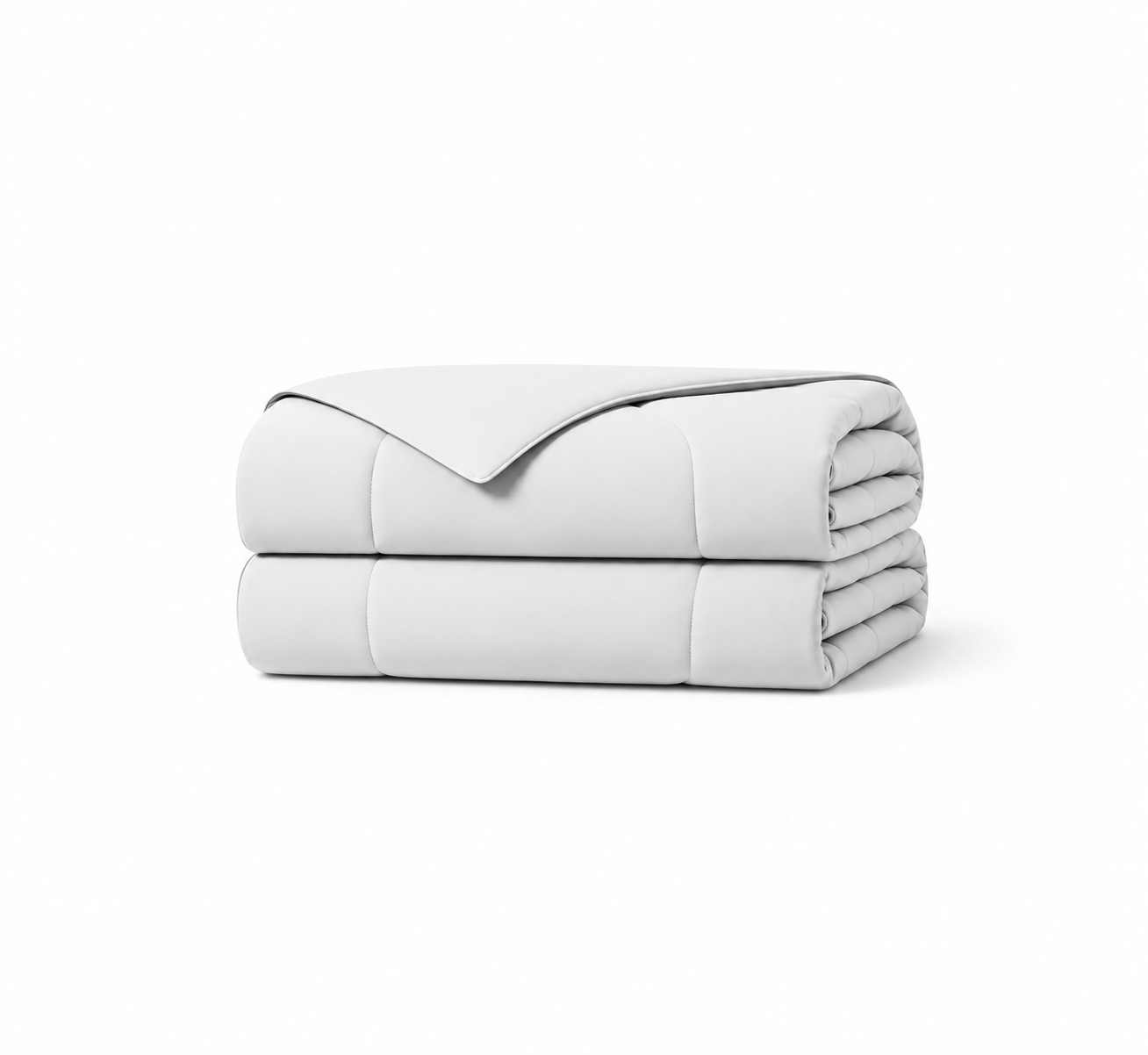
1. CoolTouch® Performance Comforter: Phase-change fabric absorbs heat, preventing the heat spikes that trigger sweating. Lightweight fill avoids the weight and pressure that may be uncomfortable during treatment.
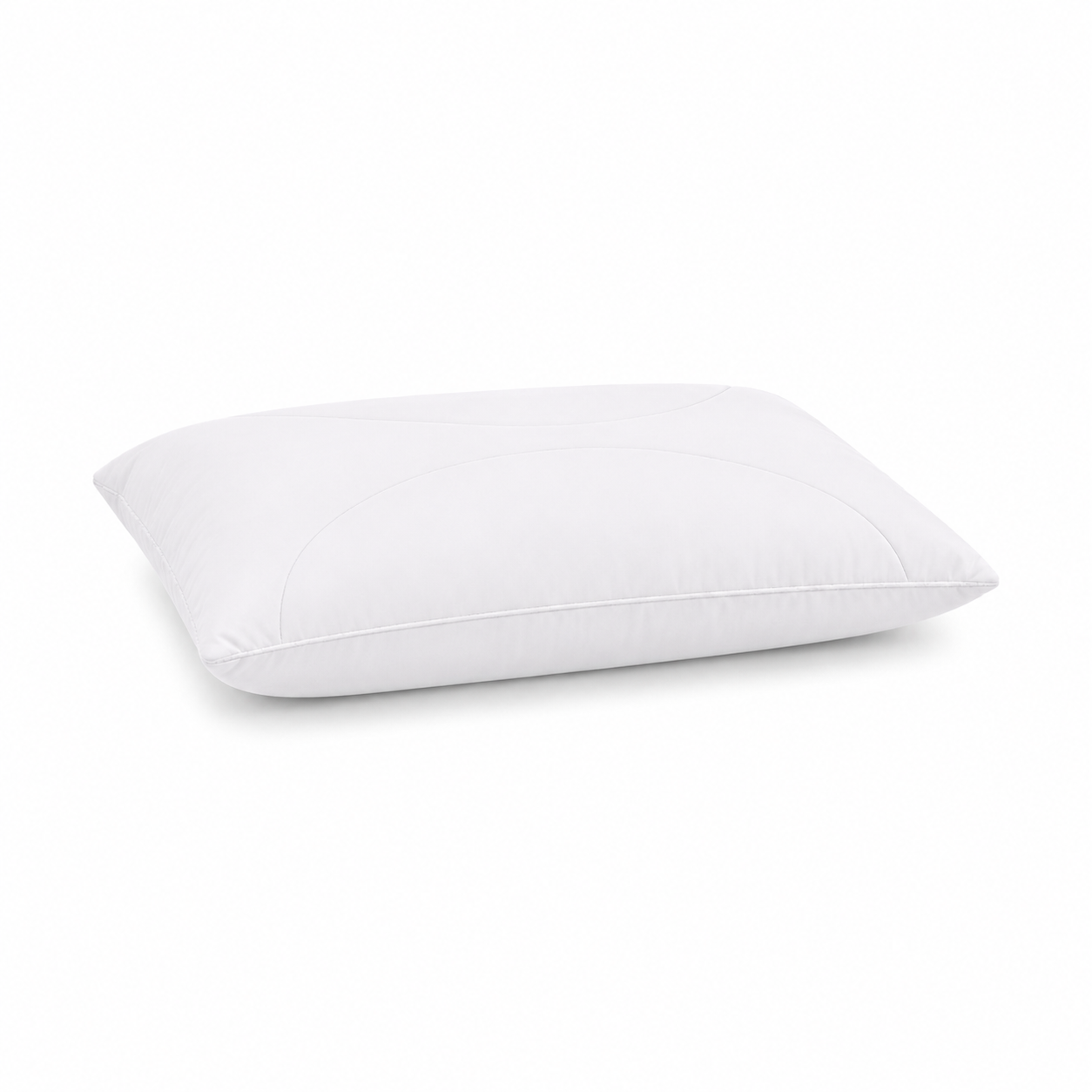
2. CoolCloud® Pillow: CoolTouch® fabric for head/neck cooling. CloudFill® fibre is hypoallergenic and breathable. The medium-soft fill provides gentle, adaptive support.
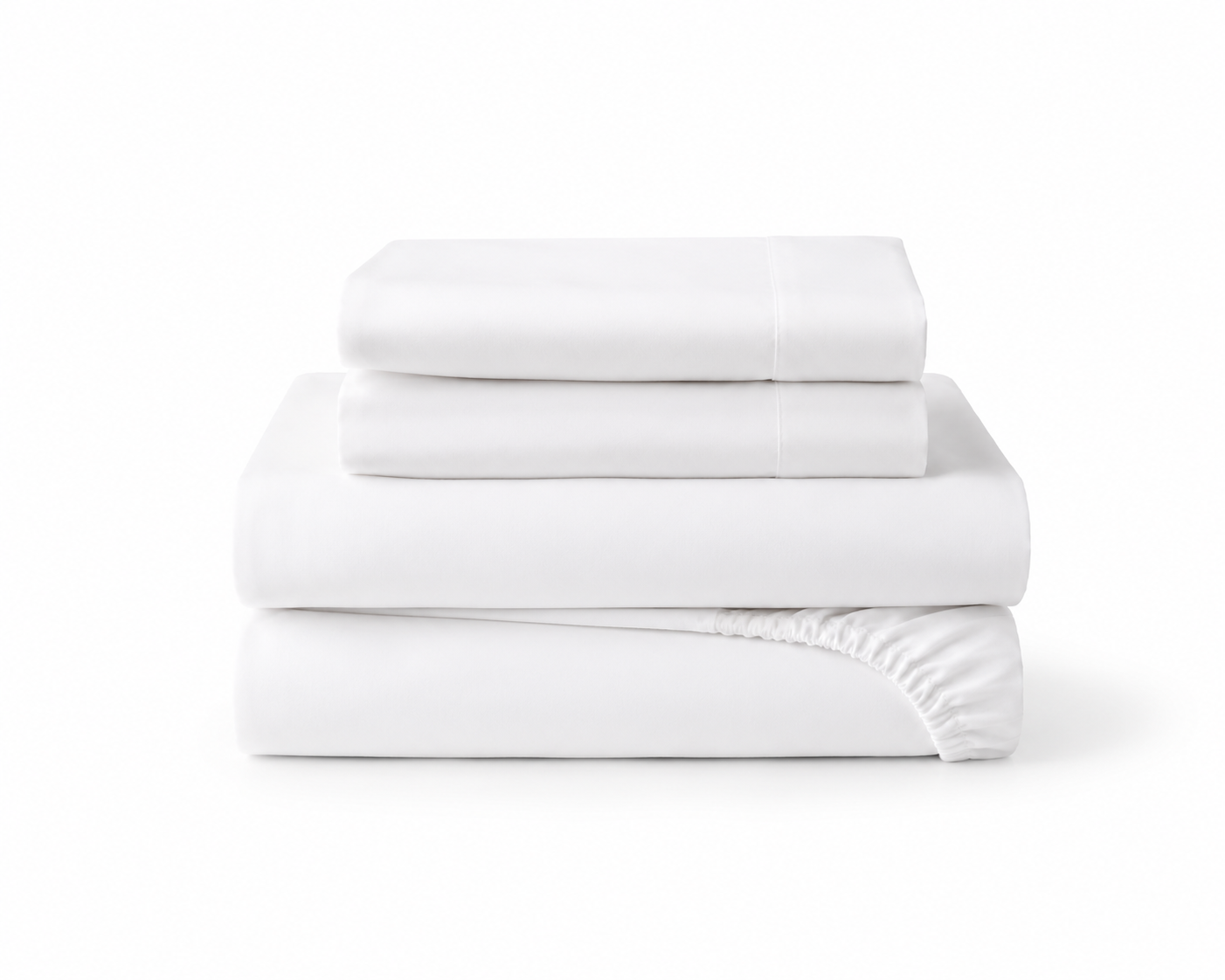
3. TENCEL™ Lyocell sheets: The most critical component. Wicks moisture 50% faster than cotton during night sweats. Naturally hypoallergenic and suitable for chemo-sensitive skin.
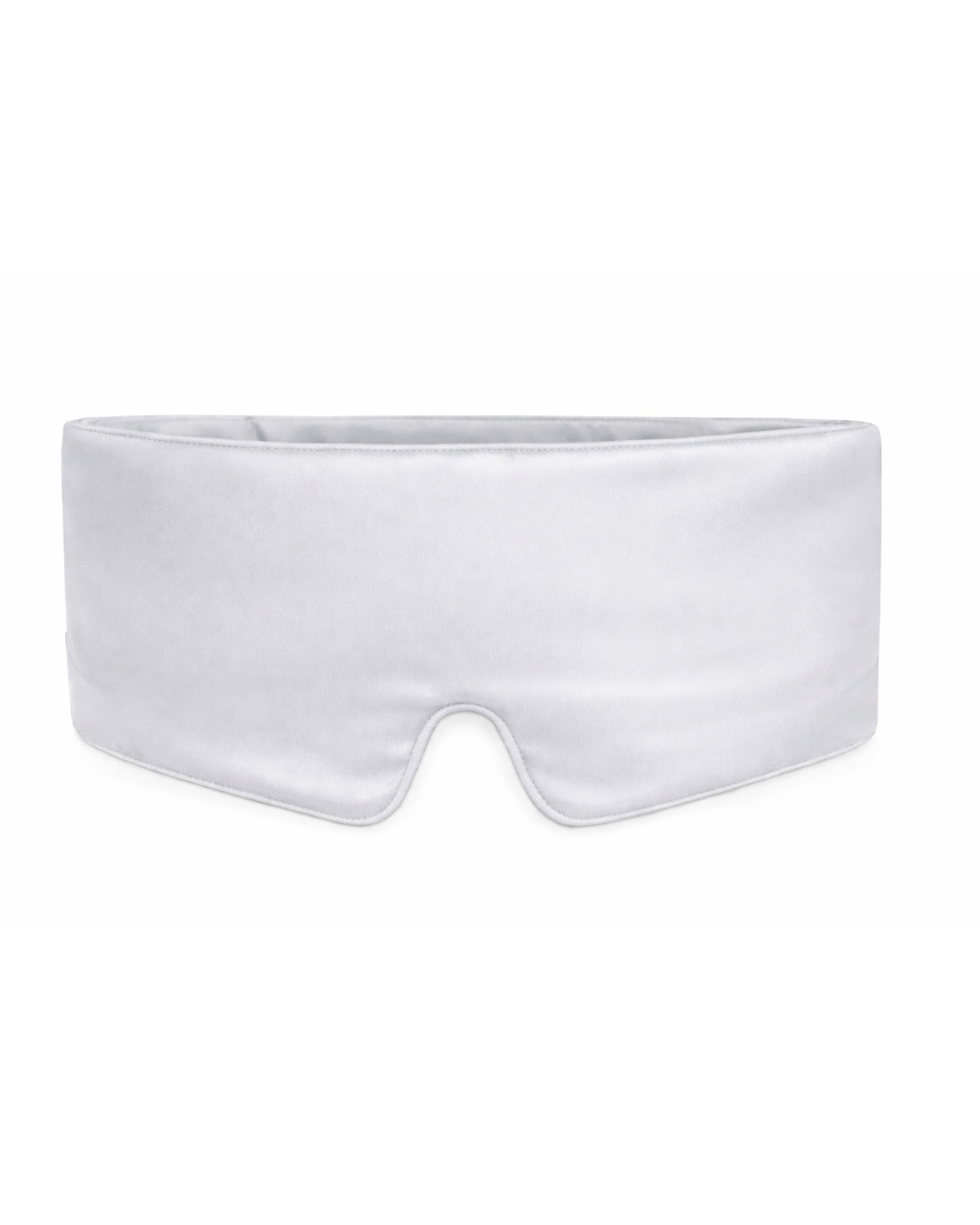
4. CoolSilk® Silk Eye Mask: Pure silk is naturally hypoallergenic, antibacterial, and ultra-smooth. Gentle on the eye area, which may be sensitive during treatment. Full blackout for deeper sleep.
Important: Cooling bedding is a complementary comfort intervention. Always consult your oncology team about treatment side effects.
Sleep Lab™ Product Data. | National Cancer Institute.
Frequently Asked Questions
Why does chemotherapy cause night sweats?
Chemotherapy can disrupt the hypothalamic thermostat, cause hormonal fluctuations (especially with hormone therapy), trigger inflammatory responses, and increase infection risk; all of which can cause night sweats. 38% of chemotherapy patients report this side effect.
What bedding is best for chemotherapy night sweats?
TENCEL™ Lyocell sheets (wicks moisture 50% faster than cotton, naturally hypoallergenic, suitable for chemo-sensitive skin), CoolTouch® Performance Comforter (phase-change fabric absorbs heat before sweating is triggered), and CoolSilk® Silk Eye Mask (naturally antibacterial and ultra-smooth for sensitive skin).
Is cooling bedding safe during chemotherapy?
Yes. Phase-change cooling fabrics and TENCEL™ Lyocell use no chemicals, electricity, or medications. They work by physically absorbing heat and wicking moisture. They are naturally hypoallergenic and suitable for chemo-sensitive skin. Always inform your oncology team about any comfort interventions.
Does TENCEL™ help with chemo night sweats?
Yes. TENCEL™ Lyocell wicks moisture 50% faster than cotton, which is critical when night sweats are severe. It is naturally hypoallergenic and suitable for skin that may be sensitive from treatment. The ultra-smooth surface reduces friction and irritation.