Sleep Science
Body Temperature & Sleep
Your body temperature is not a side effect of sleep; it is the control signal. Understanding this is the key to better sleep.
Body Temperature and Sleep
Body temperature and sleep are biologically inseparable. Core body temperature follows a circadian rhythm; peaking at ~37.4°C in the late afternoon and dropping to ~36.4°C in the early morning. This 1–2°C drop is the physiological trigger for sleep onset and deep sleep. When bedding prevents this temperature drop (by trapping heat), sleep quality deteriorates significantly; deep sleep is reduced by up to 25% per degree of thermal disruption.
Key Research Data
37.4°C → 36.4°C
core temperature drop from afternoon peak to sleep nadir
Harvard Medical School
1–2°C
core temperature drop required to initiate deep sleep
Walker, Why We Sleep, 2017
25%
less deep sleep per 1°C increase in sleep surface temperature
Harding et al., 2019
4am
when core body temperature reaches its lowest point
Czeisler, C.A.; Harvard
The Circadian Temperature Rhythm
Your body temperature follows a predictable 24-hour circadian cycle that is tightly linked to the sleep-wake cycle:
1. Temperature rises in the early morning, helping you wake up. 2. Temperature peaks in the late afternoon (~37.4°C), when physical and cognitive performance is highest. 3. Temperature begins declining in the evening, triggered by melatonin release and peripheral vasodilation (blood flow to hands and feet to radiate heat). 4. Temperature reaches its nadir (~36.4°C) at approximately 4am, during the deepest sleep period. 5. Temperature begins rising again before waking, helping you transition to wakefulness.
This temperature drop is not a consequence of sleep; it is a cause of it. The preoptic area of the hypothalamus detects falling ambient temperature through skin thermoreceptors, triggering the cascade of events that initiate sleep.
If bedding traps heat and prevents this temperature drop, the brain cannot complete the transition into deep sleep. This is the fundamental reason why heat-trapping bedding causes poor sleep quality.
Czeisler, C.A. and Gooley, J.J. (2007). Cold Spring Harbor Symposia. | Walker, M. (2017). Why We Sleep.
How Bedding Affects Body Temperature During Sleep
The sleep surface is the primary interface through which body heat is dissipated during sleep. Your skin must radiate heat into the sleep environment to achieve the core temperature drop needed for deep sleep.
When bedding materials trap heat (as standard cotton, polyester, and memory foam do), the skin cannot effectively radiate heat. The consequences cascade:
1. Core temperature remains elevated above the threshold for deep sleep initiation. 2. Light sleep (NREM Stage 1 and 2) is prolonged. 3. Deep sleep (NREM Stage 3) is shortened; by up to 25% per 1°C of thermal disruption. 4. REM sleep is fragmented (the brain cannot thermoregulate during REM). 5. You wake more frequently and feel unrefreshed.
The Q-Max of the bedding fabric determines how effectively heat is transferred away from the skin: • Standard cotton: Q-Max 0.10–0.15 (minimal heat transfer) • TENCEL™ Lyocell: Q-Max 0.25 (good natural heat transfer) • CoolTouch® phase-change: Q-Max 0.38 (active heat absorption)
Harding, E.C. et al. (2019). Frontiers in Neuroscience. | AATCC Test Method 195.
Optimising Body Temperature for Sleep
To optimise body temperature for sleep, you need to facilitate the natural 1–2°C core temperature drop:
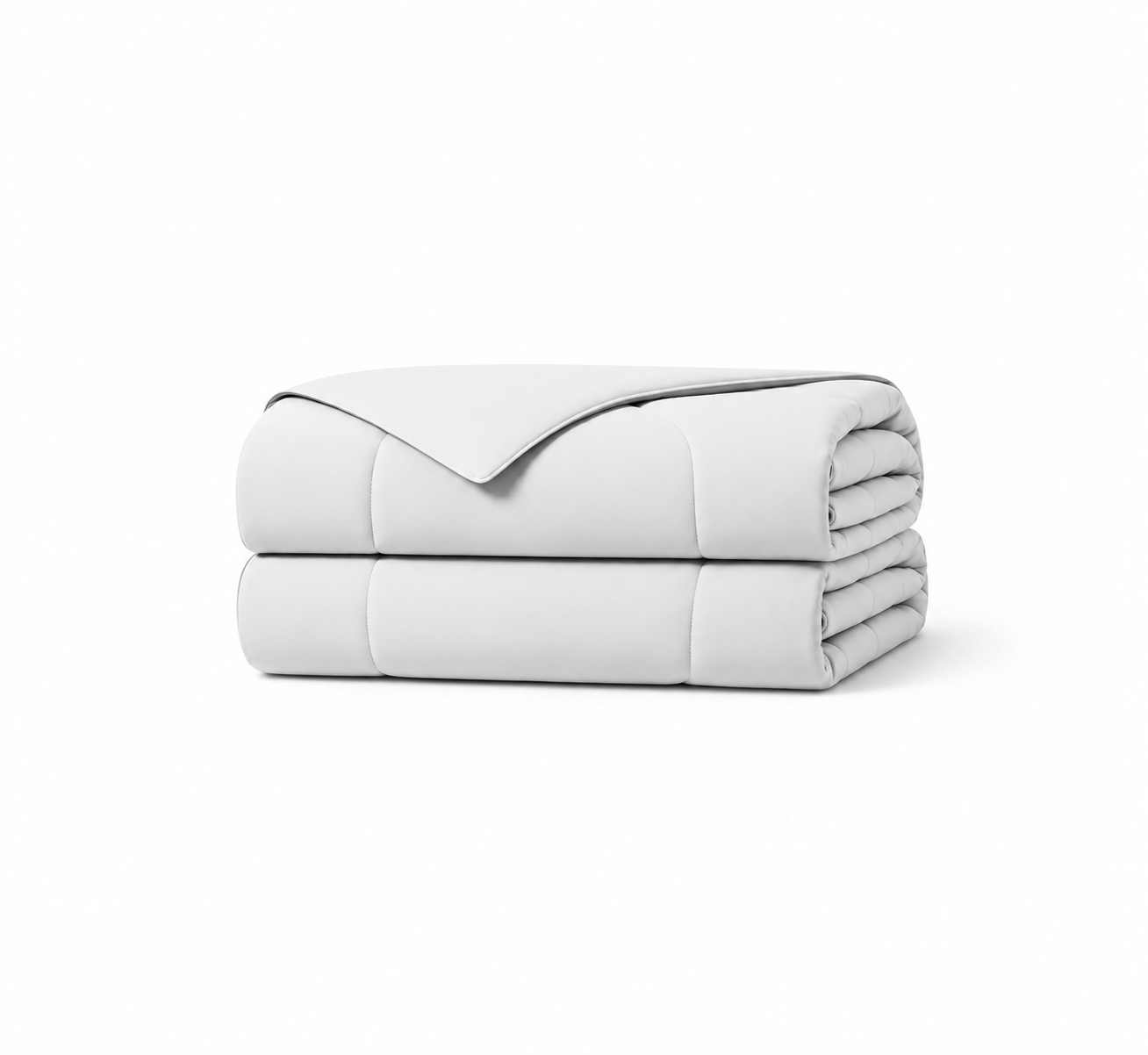
1. Use cooling bedding: CoolTouch® Performance Comforter (Q-Max 0.38) actively absorbs body heat at the skin surface, facilitating the core temperature drop. Clinical data: 32% more deep sleep.
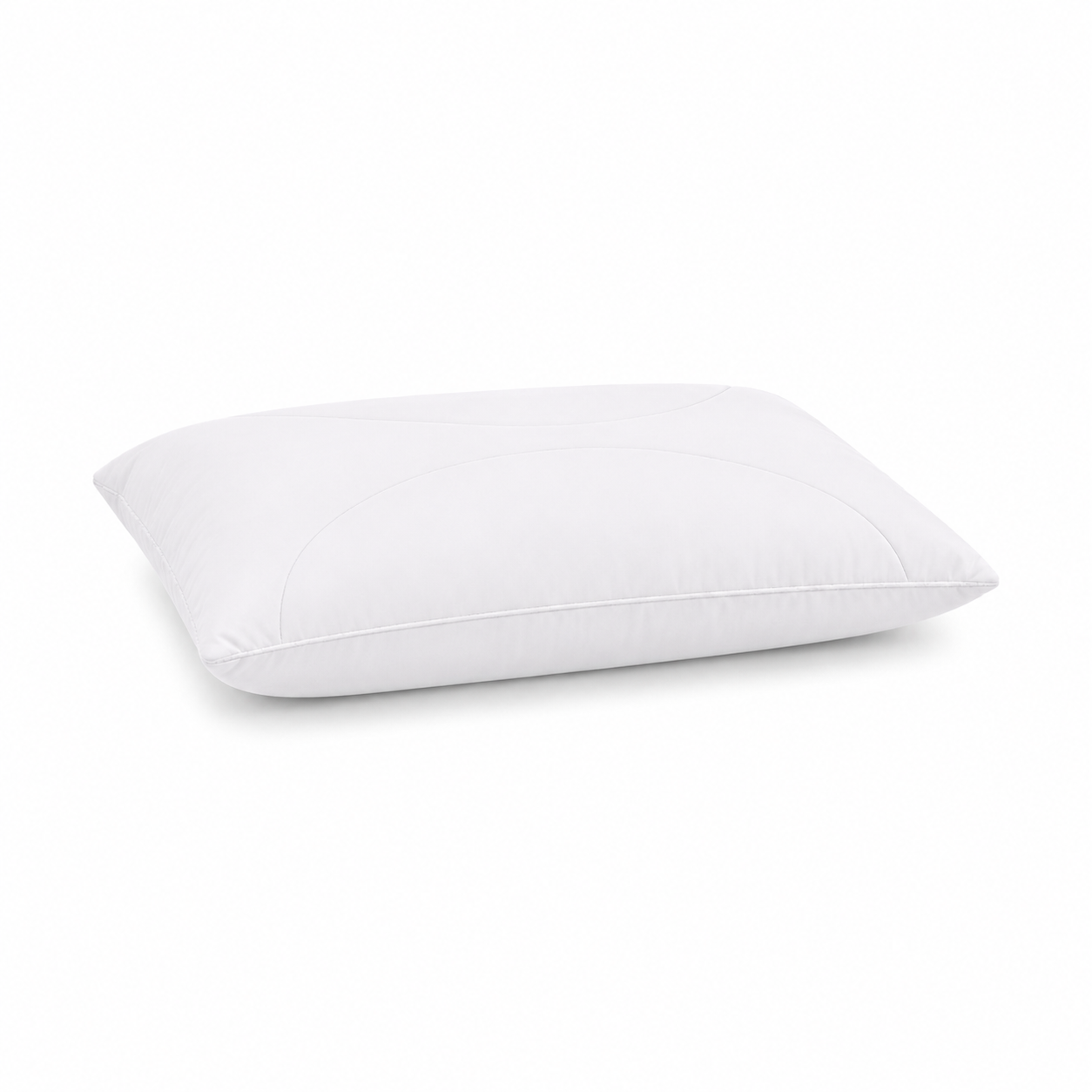
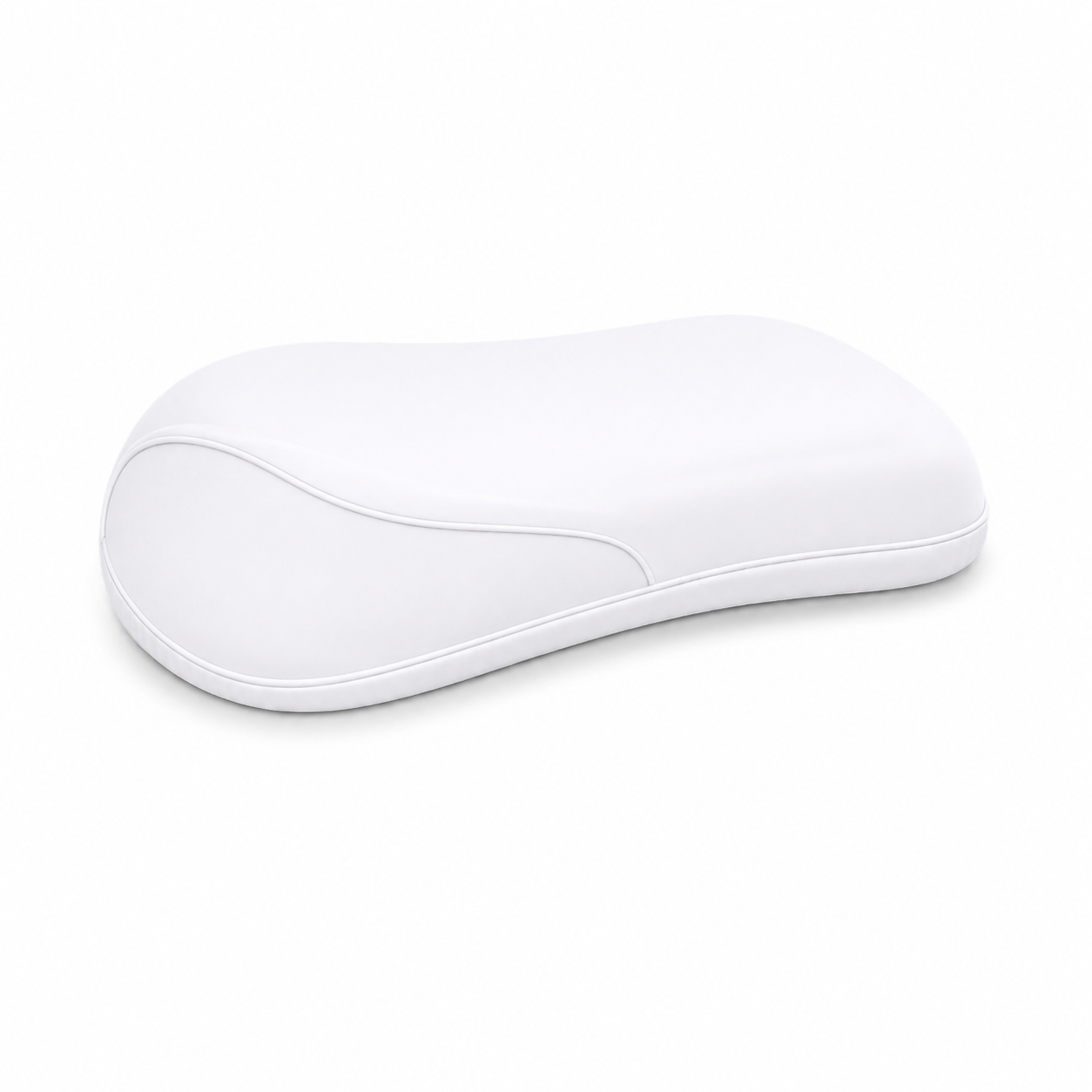
2. Use a cooling pillow: The head and neck are primary heat dissipation sites (25–30% of body heat). The CoolCloud® Pillow with CoolTouch® fabric manages this critical area.
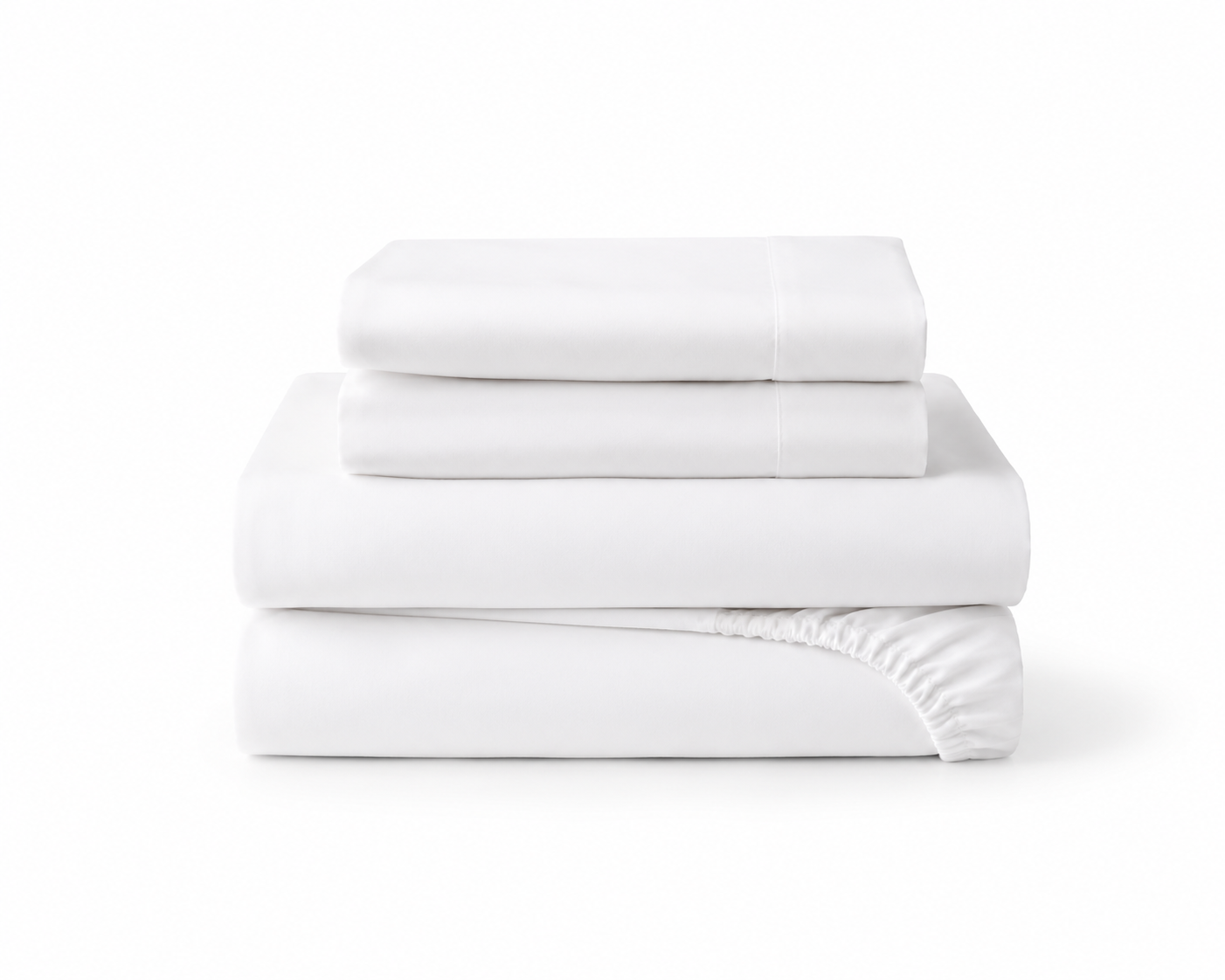
3. Use TENCEL™ Lyocell sheets: 50% more breathable than cotton, facilitating heat transfer from skin to environment. 50% faster moisture management prevents the damp-heat that impairs thermoregulation.
4. Set AC to 19–21°C: This provides the ambient temperature range that supports the body's natural cooling process.
5. Maintain consistent sleep timing: The circadian temperature rhythm depends on consistency. Same bedtime, same wake time; even weekends.
6. Avoid alcohol before bed: Alcohol suppresses deep sleep and disrupts the temperature rhythm.
This comprehensive approach supports the body's natural thermoregulatory process, enabling the core temperature drop that is the physiological trigger for deep, restorative sleep.
Sleep Lab™ Clinical Study, 2023. | Harding, E.C. et al. (2019).
Frequently Asked Questions
How does body temperature affect sleep?
Core body temperature must drop by 1–2°C to initiate and maintain deep sleep. This temperature drop is the physiological trigger for sleep onset. When bedding traps heat and prevents this drop, deep sleep is reduced by up to 25% per degree of thermal disruption.
What is the ideal body temperature for sleep?
Core body temperature should drop from its daytime peak (~37.4°C) to approximately 36.4°C during sleep; a 1–2°C drop. The skin surface temperature (microclimate between body and bedding) should be 33–36°C. Standard bedding can push this to 37–40°C, well above the optimal range.
Why does body temperature drop during sleep?
The hypothalamus triggers peripheral vasodilation (blood flow to hands and feet) to radiate heat away from the body's core. This core temperature drop is the physiological trigger for melatonin release and sleep onset. It is not a consequence of sleep; it is a prerequisite.
Can cooling bedding help regulate body temperature during sleep?
Yes. Cooling bedding with phase-change fabric (CoolTouch®, Q-Max 0.38) actively absorbs excess body heat at the skin surface, facilitating the core temperature drop needed for deep sleep. Clinical testing showed 32% more deep sleep with cooling bedding versus standard bedding.