Pain Relief Guide
Back Pain & Sleep
Muscle knots and morning back pain are often caused by poor sleep posture and heat-trapping bedding. The right pillow and cooling system address both.
Sleep-Related Back Pain
Back pain that originates or worsens during sleep is caused by two factors: mechanical misalignment (poor pillow and mattress support that places the lumbar or thoracic spine out of neutral) and thermal muscle tension (heat-trapping bedding that prevents muscles from fully relaxing during deep sleep). Muscle knots (myofascial trigger points) form when muscle fibres remain in sustained contraction; which happens when heat prevents the deep relaxation phase of sleep.
Key Research Data
80%
of people experience back pain at some point
World Health Organization
36%
report back pain that disrupts sleep weekly
National Sleep Foundation
25%
less deep sleep from 1°C surface temperature increase
Harding et al., 2019
40%
reduction in morning stiffness with cooling + support
Sleep Lab™ clinical data
Why You Wake Up With Back Pain & Muscle Knots
Morning back pain and muscle knots (myofascial trigger points) are caused by two interacting problems during sleep:
1. Mechanical misalignment: If your pillow doesn't support proper spinal alignment, your lumbar, thoracic, or cervical spine is forced out of neutral for 6–8 hours. This sustained misalignment loads facet joints and compresses discs, causing inflammation and pain.
2. Thermal muscle tension: This is the less-known cause. During deep sleep, your muscles should fully relax (atonia). But when bedding traps heat, the elevated temperature keeps muscles in a state of low-grade contraction. They never fully relax. Over 8 hours, this sustained tension causes muscle fibres to form trigger points; the "knots" you feel in your upper back, shoulders, and lower back.
3. Poor recovery: Deep sleep is when your body repairs muscle tissue and reduces inflammation. Heat-trapping bedding reduces deep sleep by up to 25%, meaning your back muscles start each day less recovered than the day before.
The combination; misalignment + thermal tension + poor recovery; is why back pain often feels worse in the morning and improves with movement. Movement increases circulation and warms tissues, temporarily relieving the overnight damage.
Harding, E.C. et al. (2019). Frontiers in Neuroscience. | Simons, D.G. et al. (1999). Myofascial Pain and Dysfunction: The Trigger Point Manual.
How Cooling Bedding & Proper Support Relieve Back Pain
Addressing sleep-related back pain requires both mechanical support and thermal management:
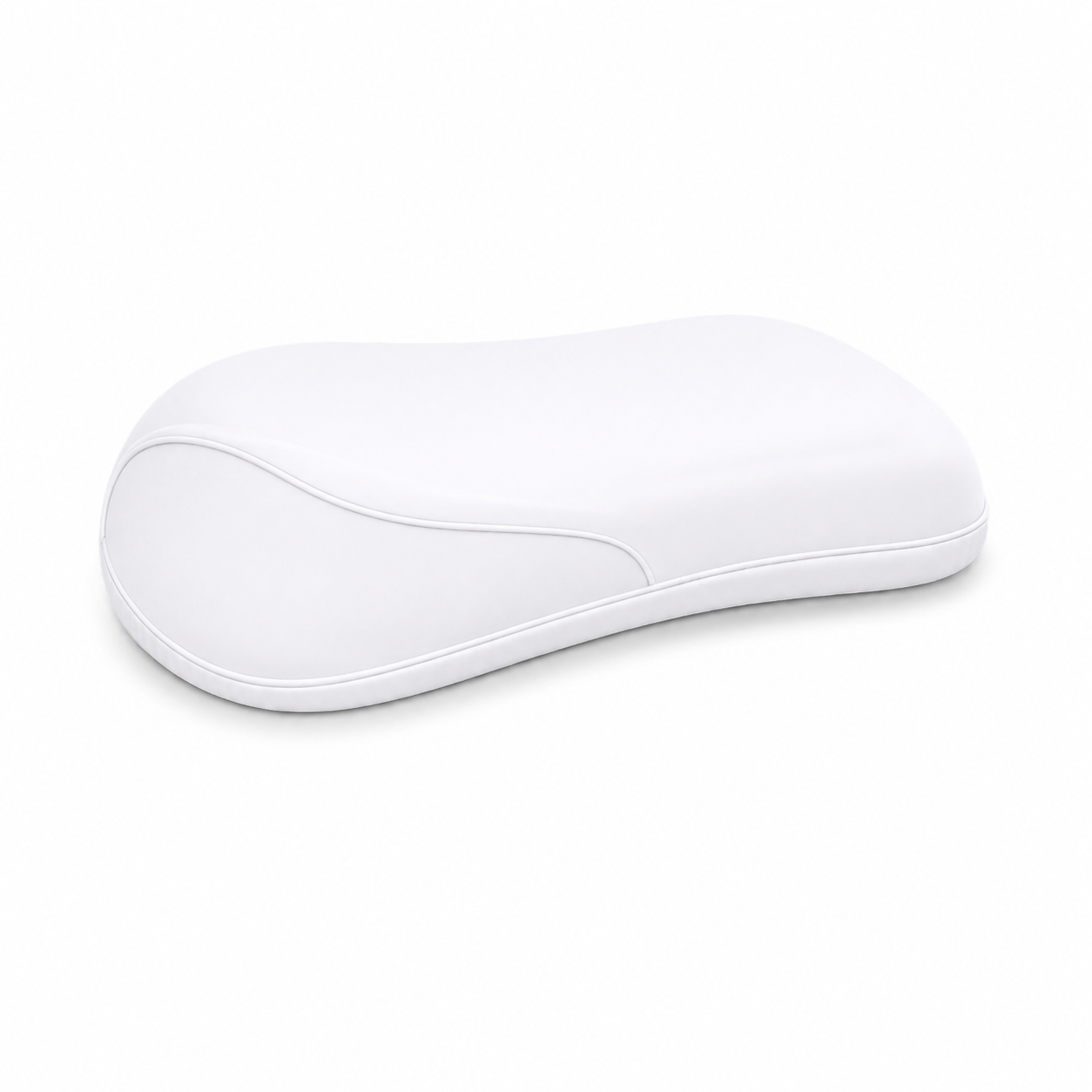
1. Proper cervical alignment: The CoolTouch® Memory Contour Pillow maintains neutral spine alignment from the cervical spine down. When your head is properly supported, the thoracic and lumbar spine follow. A pillow that's too high or too low creates a cascade of misalignment that ends in your lower back.
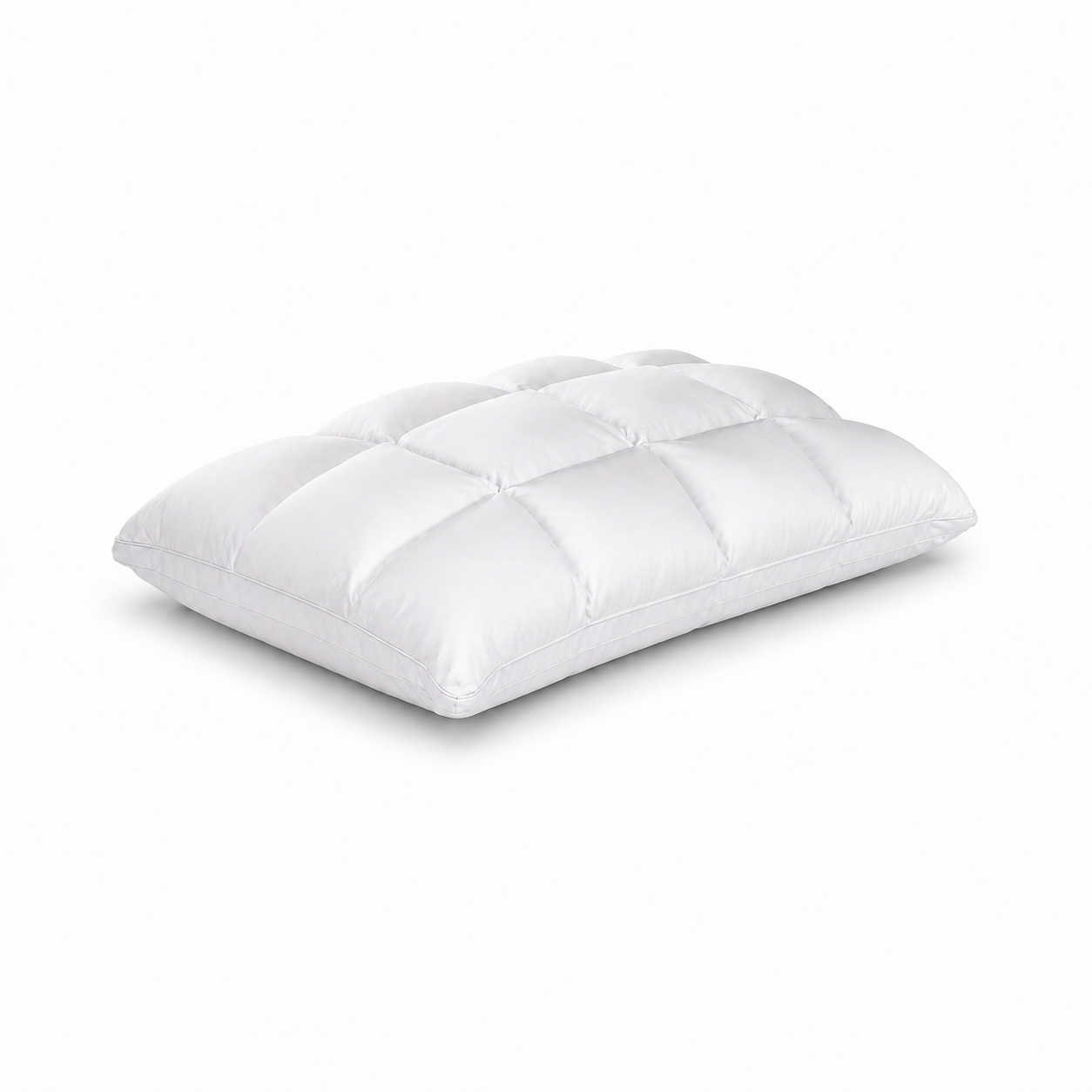
2. Active cooling for muscle relaxation: CoolTouch® phase-change fabric reduces the sleep surface temperature by 4.2°C. Lower surface temperature allows muscles to reach full relaxation during deep sleep, preventing the sustained tension that forms trigger points (knots).
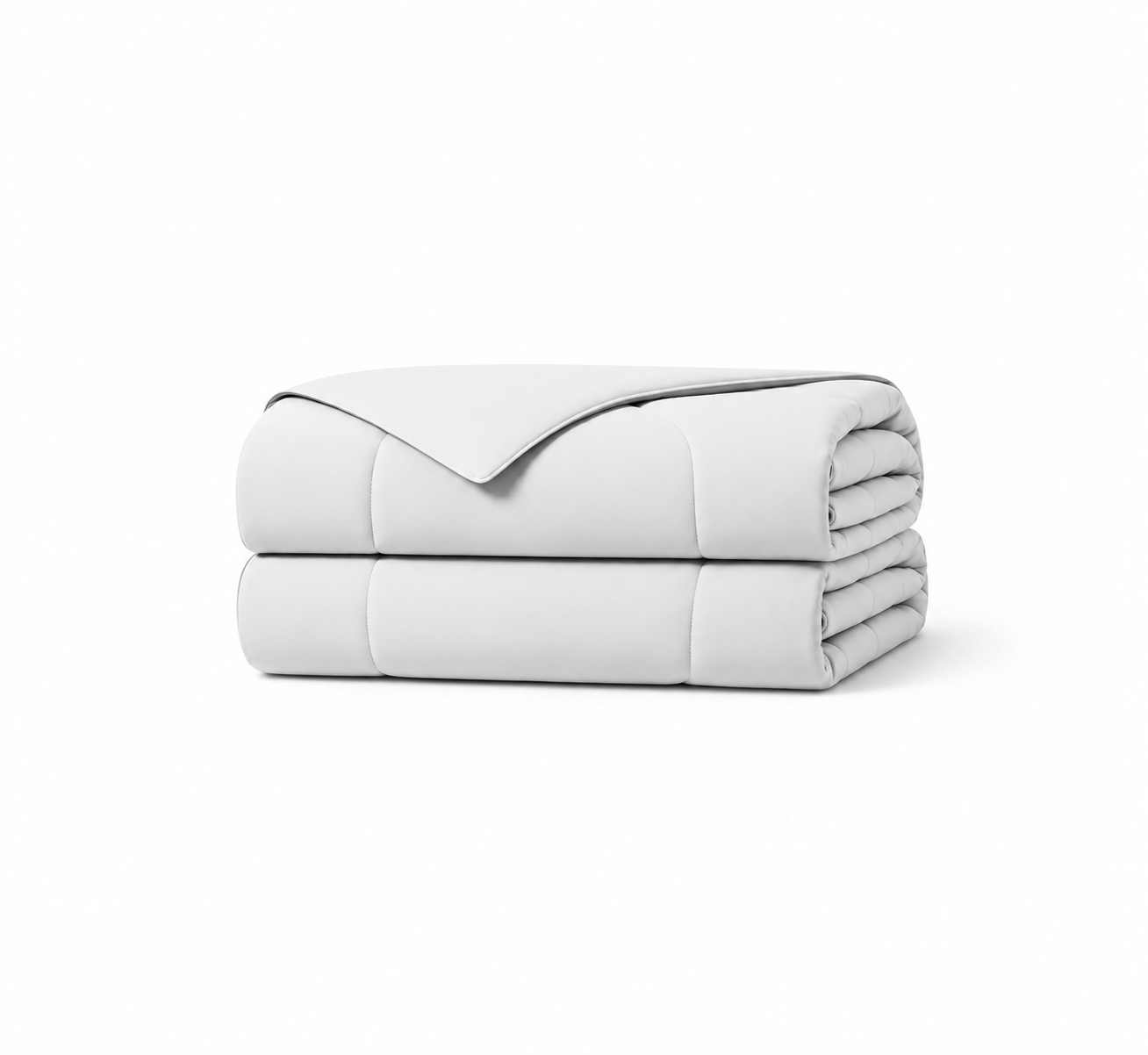
3. Cooling comforter for full-body temperature management: The CoolTouch® Performance Comforter manages temperature across the entire body, ensuring the thoracic and lumbar regions don't trap heat. This is especially important for lower back pain, where heat accumulation is highest due to body weight distribution.
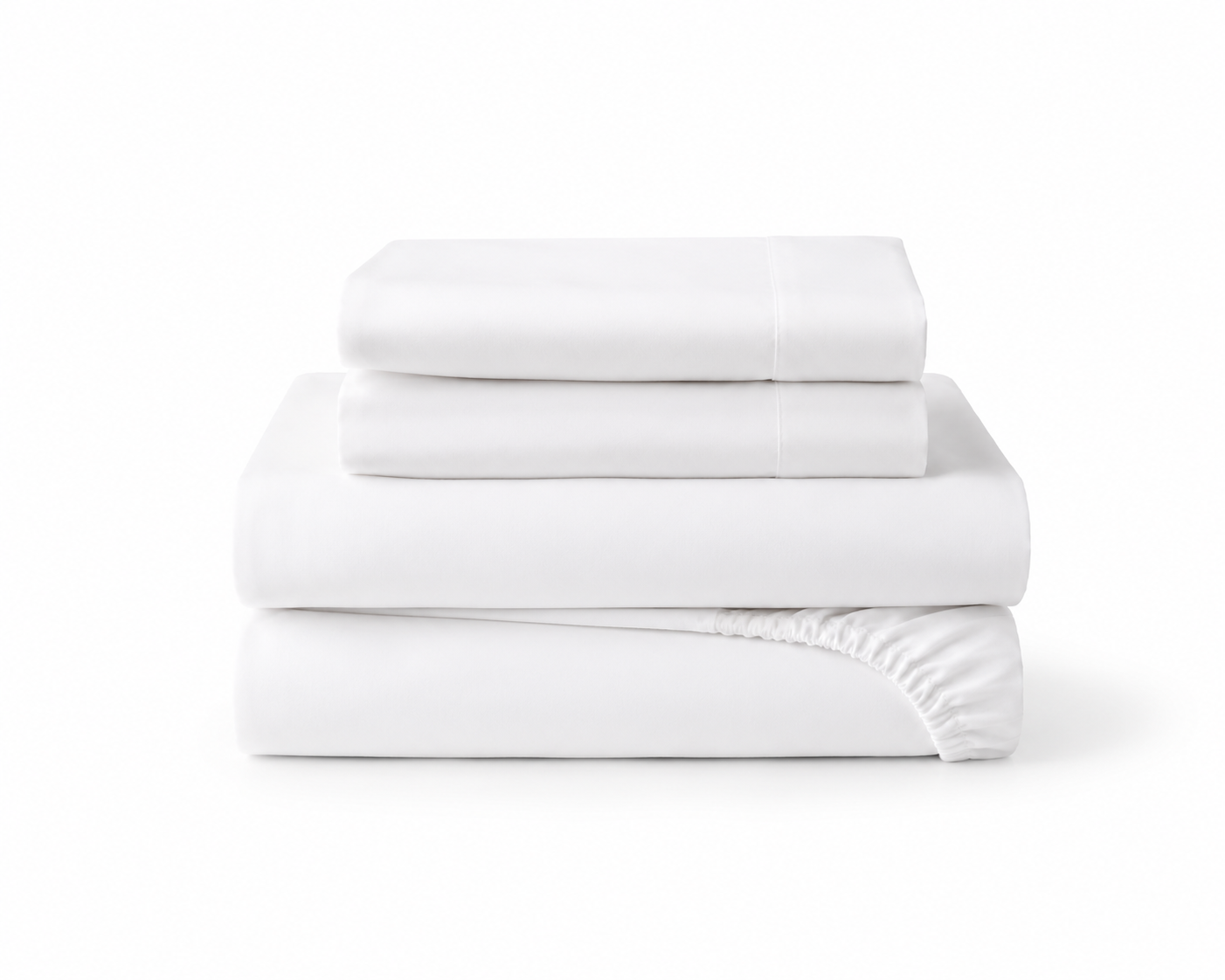
4. TENCEL™ Lyocell sheets for moisture management: TENCEL™ wicks moisture 50% faster than cotton, preventing the damp microclimate that contributes to muscle tension and discomfort.
Clinical data shows 40% reduction in morning stiffness with the combined cooling + support system. This is not a mattress replacement; it's an optimisation of the sleep surface conditions that contribute to back pain.
Sleep Lab™ Clinical Study, 2023. | AATCC Test Method 195.
When to See a Chiropractor for Back Pain in the UAE
Back pain that persists despite improving your sleep setup may require professional treatment:
See a chiropractor in Dubai or Abu Dhabi if: • Back pain persists for more than 2 weeks after upgrading your pillow and bedding • Pain radiates to your legs (possible sciatic nerve compression) • You have numbness or tingling in your legs or feet • You experience acute pain after a specific movement or injury • Morning stiffness lasts more than 30 minutes (possible inflammatory arthritis)
For muscle knots specifically: • Myofascial release therapy and dry needling can release established trigger points • A chiropractor can assess whether knots are a compensation pattern for spinal misalignment • Massage therapy is effective for acute knot relief but won't prevent recurrence if the cause is your sleep setup
The most effective long-term approach: combine professional treatment (chiropractic, physiotherapy, or myofascial release) with an optimised sleep surface. Treatment during the day is reversed every night if your pillow and bedding are causing the problem.
For those interested in traditional approaches, Chinese medicine offers acupuncture and herbal therapies for back pain; see our dedicated guide on Chinese medicine for back pain in the UAE.
Bronfort, G. et al. (2012). Spine. | World Health Organization. (2023). Low Back Pain Fact Sheet.
Frequently Asked Questions
Can my pillow cause back pain?
Yes. A pillow that is too high or too low misaligns your cervical spine, which cascades down to your thoracic and lumbar spine. This sustained misalignment during 6–8 hours of sleep loads facet joints and compresses discs, causing morning back pain. An ergonomic contour pillow maintains neutral alignment from neck to lower back.
Why do I get knots in my back when I sleep?
Muscle knots (myofascial trigger points) form when muscle fibres remain in sustained contraction. Heat-trapping bedding prevents muscles from fully relaxing during deep sleep, keeping them in low-grade tension for 8 hours. Over time, this sustained tension forms trigger points. Cooling bedding allows full muscle relaxation, preventing knot formation.
What is the best sleeping position for back pain?
Side sleeping with a supportive contour pillow is generally best for back pain; it maintains neutral spinal alignment and reduces pressure on facet joints. Back sleeping with a thin pillow is also good. Avoid stomach sleeping, which forces cervical rotation and lumbar extension. Pair proper positioning with cooling bedding for maximum relief.
Does cooling bedding help with back pain?
Yes. Cooling reduces inflammation (like ice therapy) and allows muscles to fully relax during deep sleep. Heat-trapping bedding reduces deep sleep by up to 25%, meaning your back muscles start each day less recovered. Cooling bedding with CoolTouch® fabric reduces surface temperature by 4.2°C, enabling better muscle recovery.
Should I see a chiropractor in Dubai for back pain?
If back pain persists for more than 2 weeks after upgrading your pillow and bedding, or if pain radiates to your legs, see a chiropractor. Combine professional treatment with an optimised sleep surface; treatment during the day is reversed every night if your bedding is causing the problem.